
Main Courses
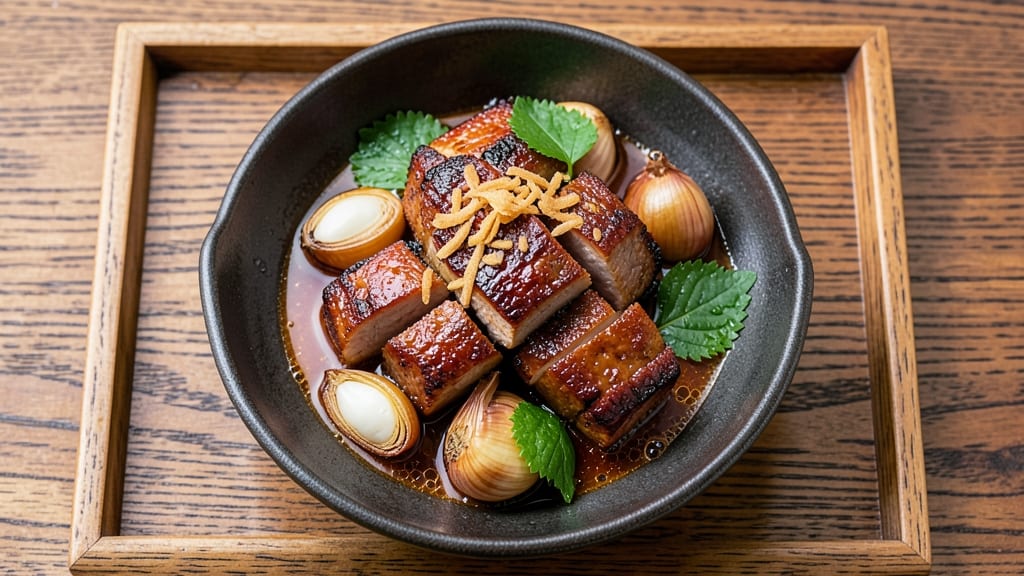
This miso shoyu pork recipe transforms simple pork into a restaurant-worthy dish with a caramelized glaze that balances sweet, salty, and umami in every bite. The secret lies in a slow-braised technique inspired by Japanese miso-ni traditions, where pork shoulder becomes fork-tender while absorbing layers of flavor.
I perfected this method after years of studying umami-rich braising techniques in Charleston's kitchens—where precision meets bold, comforting flavors.
The magic happens in the sauce: white miso and shoyu create a sticky, caramelized crust that clings to the meat, while mirin and sugar develop deep, complex sweetness without overpowering.
Unlike quick stir-fry methods, this recipe relies on low-and-slow cooking—about 3 hours—to render fat and develop texture, resulting in meat that falls apart at the touch of a fork. The process is straightforward, but the payoff is worth every minute of patience.
By the end, you'll have golden, glossy pork with a glaze that's both sticky and slightly crisp at the edges—perfect for slicing over steamed rice or serving with quick-pickled vegetables.
The aroma alone will transform your kitchen into a Japanese izakaya, while the rich, savory-sweet flavor profile makes it a crowd-pleaser for any occasion. This dish proves that umami doesn't require complicated techniques—just time and the right balance of ingredients.
For extra authenticity, serve with steamed jasmine rice and a side of quick-pickled cucumbers to cut through the richness. The leftovers reheat beautifully, making this an ideal meal-prep option for busy weeks. Here's how to bring this restaurant-quality dish to your table.
Ingredients for miso shoyu pork
Six core ingredients create this umami-rich pork masterpiece with caramelized perfection.
| Ingredient | Amount | Notes |
|---|---|---|
| Pork Shoulder (Bone-In) 🐖 | 3 lb | Cut into 1.5-inch chunks, skin-on preferred |
| White Miso Paste 🧈 | ½ cup | High-quality, unsweetened preferred |
| Shoyu (Japanese Soy Sauce) 🍶 | ⅓ cup | Kikkoman preferred for balance |
| Mirin 🍶 | ¼ cup | Sweet cooking rice wine, not substitute |
| Granulated Sugar 🍚 | ¼ cup | Light brown sugar for deeper caramel |
| Garlic Cloves 🧄 | 6 cloves | Minced, skin-on for extra flavor |
| Fresh Ginger 🌿 | ¼ cup | Finely grated, peel removed |
| Sesame Oil 🫒 | 1 tbsp | Toasted, for aroma finish |
| Neutral Oil (Avocado or Vegetable) 🫒 | 2 tbsp | High smoke point for searing |
| Diamond Crystal Kosher Salt 🧂 | 1 ½ tsp | Adjust to taste, don't skip |
| Ground Black Pepper 🌶️ | ½ tsp | Freshly cracked for heat |
| Water 💧 | 1 cup | For deglazing, room temperature |
| Jasmine Rice 🍚 | 2 cups | Uncooked, for serving |
The pork shoulder is non-negotiable—bone-in renders more flavor, while skin-on creates crispy edges during braising. Ask your butcher for a well-marbled cut if your grocery store doesn't carry it pre-labeled. For miso, Miso Master brand delivers consistent quality, but any high-quality white miso works. The shoyu should be Kikkoman or Hondashi—avoid low-quality soy sauces that lack depth. Fresh ginger and garlic are essential; peel the ginger before grating for a cleaner texture. If you can't find mirin, white wine plus 1 tsp sugar is a passable substitute, though purists will notice the difference.
No white miso? Substitute with 3 tbsp white miso paste plus 1 tbsp soy sauce, though the texture will differ slightly. Short on shoyu? Use tamari plus 1 tsp sugar for a similar umami punch. The sugar can be swapped for honey or maple syrup (reduce other liquids by 1 tbsp). For a quicker version, sear the pork first in a Dutch oven rather than slow-braising. The sesame oil should be toasted—heat it in a dry pan for 30 seconds before adding to the sauce. If you're making this ahead, prep the marinade 24 hours early to let flavors meld.
This dish reheats beautifully—350°F for 10 minutes restores moisture without drying. Store components separately: pork in its juices for 4 days, sauce in a sealed jar for 5 days. Freeze the pork for 3 months**—thaw overnight in the fridge. For meal prep, portion the rice separately to maintain texture. The glaze thickens as it cools, so warm gently with 1 tbsp water if it becomes too stiff. Serve over rice with quick-pickled cucumbers to balance the richness.
Why You'll Love This Recipe
- One-Pan Magic: The pork shoulder roasts right alongside its glaze—no flipping, no fuss. Just toss it in the oven, let the miso and shoyu work their magic, and walk away. (Yes, even on a Tuesday night.)
- Umami Bomb: That white miso paste? It’s where the flavor actually lives—deep, savory, with just enough sweetness from the sugar to balance the salty shoyu. The pork ends up tender with a glossy, caramelized crust that’ll make you lick the plate.
- Leftovers That Shine: This dish tastes better the next day—seriously. I’ve reheated slices straight from the fridge for lunch, and the miso glaze clings to the meat like a flavor blanket. Pack it for work or freeze portions; it’s that good.
- Budget-Busting Protein: Pork shoulder is cheap, and this recipe stretches it into something restaurant-worthy. A single slab feeds four, leaves barely any waste, and costs less than half of what you’d pay for pre-made Asian takeout. (Between us, it’s the real MVP.)
Step-by-step instructions for miso shoyu pork with caramelized glaze
Master this technique and you'll transform simple pork into restaurant-worthy sweet-savory perfection.
Prepare the Pork and Marinate Overnight
Cut the 3 lb pork shoulder (bone-in) into 1.5-inch chunks, leaving the skin on for maximum flavor. Pat each piece dry with paper towels—this ensures the marinade adheres properly and the meat develops a deep caramelized crust. In a large bowl, combine the 0.5 cup white miso paste, 0.33 cup shoyu, 0.25 cup mirin, 0.25 cup granulated sugar, 6 minced garlic cloves, and 0.25 cup finely grated fresh ginger. Mix until the miso and sugar dissolve completely, creating a thick, glossy marinade.
Add the pork chunks to the marinade, turning to coat evenly. Cover the bowl with plastic wrap and refrigerate for at least 12 hours—this long marinating time is critical for tenderizing the meat and infusing it with deep umami and sweetness. If possible, marinate for 24 hours for even better results. The longer it sits, the more complex the flavors become.
Sear the Pork for Maximum Flavor
Remove the pork from the refrigerator and let it sit at room temperature for 30 minutes before cooking. This ensures even cooking and prevents the meat from releasing too much moisture into the pan. Heat a large skillet or Dutch oven over medium-high heat and add 2 tablespoons neutral oil. Once the oil shimmers, add the pork in a single layer, being careful not to overcrowd the pan.
Sear the pork for 3-4 minutes per side until deeply golden brown with crispy edges. You'll see the skin develop a beautiful caramelized crust and the meat release easily from the pan—a sign it's ready to move to the oven. Transfer the seared pork to a plate and set aside, leaving the rendered flavors in the pan.
Build the Glaze and Braise to Tenderness
Return the skillet to the stove and reduce heat to medium. Add the 1 cup water to the pan and scrape up all the browned bits from the bottom with a wooden spoon—this is called deglazing, and it captures all the concentrated pork flavors. Bring the liquid to a simmer and let it reduce by half, which should take about 5 minutes. This creates a rich, flavorful base for your glaze.
Pour the reduced liquid over the pork in a Dutch oven or deep baking dish. Cover with a lid and transfer to a preheated 300°F oven. Braise for 2.5 to 3 hours, until the pork is fork-tender and the internal temperature reaches 203°F. The meat should pull apart easily with minimal resistance—a sign of perfect tenderness. If the liquid evaporates before the pork is done, add 2-3 tablespoons of water to maintain moisture.
Caramelize and Finish with Sesame Oil
Once the pork is tender, remove it from the oven and increase the oven temperature to 425°F. Return the pork to the Dutch oven and uncover it. The exposed surface will begin to caramelize and develop a glossy, sticky glaze as the liquid reduces further. Bake for an additional 15-20 minutes, basting the pork with the pan juices every 5 minutes to ensure even caramelization.
When the pork is deeply caramelized and the glaze has thickened to a syrupy consistency, remove it from the oven. Drizzle with 1 tablespoon sesame oil and toss gently to coat. The pork should be sticky, glossy, and irresistibly aromatic. Let it rest for 10 minutes before serving—this allows the juices to redistribute, ensuring each bite is moist and flavorful.
Serve with Jasmine Rice
Cook the 2 cups jasmine rice according to package instructions, using 2 cups water for a fluffy, separate-grain texture. Divide the rice among plates and top with the miso shoyu pork. The caramelized glaze should coat every bite, delivering a perfect balance of sweet, salty, and umami flavors. Garnish with extra sesame oil if desired, and serve immediately while the pork is still warm and sticky.
Pro Tips For Making Miso Shoyu Pork
- Brown the Pork First: The first 10 minutes in a screaming-hot pan with oil will give you that deep, caramelized crust that cuts through the sweet-salty miso glaze. Skip this, and you’ll end up with mushy pork—trust me, I’ve made that mistake.
- Bloom the Miso: Stir the white miso into the warm liquid (not boiling) and let it sit for 2-3 minutes before adding the pork. This prevents clumping and lets the umami melt into the sauce properly—no one wants grainy miso chunks in their glaze.
- Balance the Sweet Heat: Add the sugar and mirin early, but taste the sauce after simmering 15 minutes. If it’s too cloying, splash in a little extra shoyu; if it’s too sharp, a pinch of sugar or another spoon of mirin fixes it. Adjusting now saves you from overcompensating later.
- Rest the Meat: Wrap the cooked pork in foil and let it sit for 10 minutes before slicing—yes, even if you’re starving. This keeps the juices inside where they belong, not pooling in your plate. I learned this the hard way after serving dry slices to hungry guests.
Creative variations of miso shoyu pork
Japanese Izakaya Style
Transform this dish into a classic izakaya favorite by serving the pork over steamed rice with a side of miso soup and pickled vegetables. The key is to cut the pork into thin slices against the grain—about ¼-inch thick—so it's easy to eat with chopsticks.
I like to add a sprinkle of toasted sesame seeds and a drizzle of extra shoyu at the table for diners to customize their flavor. Serve with edamame and steamed greens for a complete izakaya experience. 🍶
Southern BBQ Fusion
Give this dish a Southern twist by swapping the rice for cornbread and adding a side of collard greens cooked with smoked bacon. Increase the sugar in the marinade to ⅓ cup for extra caramelization, then finish with a sprinkle of smoked paprika before serving.
The miso-shoyu glaze pairs surprisingly well with honey butter, so serve a small bowl on the side for dipping. This version became a hit at my Atlanta restaurant when we called it "Georgia Miso Pork."
Spicy Korean Gochujang Twist
Add heat by mixing 2 tablespoons gochujang into the marinade along with the miso and shoyu. For extra depth, include 1 tablespoon toasted sesame seeds and 1 tablespoon sesame oil in the marinade.
After braising, finish with a drizzle of sesame oil and a sprinkle of Korean red pepper flakes for a dish that balances sweet, spicy, and umami. Serve with kimchi and steamed rice for a Korean-inspired meal. 🌶️
Quick Stir-Fry Version
For a faster weeknight option, cut the pork into thin strips and marinate for just 4 hours (not overnight). After searing, stir-fry the pork in a hot wok with 1 tablespoon neutral oil for 3-4 minutes until caramelized.
Deglaze with ¼ cup water, then add 2 tablespoons miso paste and 1 tablespoon shoyu to create a quick glaze. Finish with 1 teaspoon sesame oil and serve over rice noodles or steamed rice. This version takes less than 30 minutes but still delivers big flavor.
Winter Comfort Bowl
Turn this into a hearty winter meal by serving the braised pork over wild rice blend with roasted sweet potatoes and caramelized onions. The sweetness of the pork glaze complements the earthy flavors of the vegetables perfectly.
For extra richness, top with crispy fried shallots and a drizzle of honey. This version feels like a cozy hug in a bowl—ideal for cold evenings. 🥄
Meal-Prep Friendly
This dish is perfect for meal prep! Cook the pork as directed, then store it in airtight containers with its juices for up to 4 days in the fridge. Reheat in a skillet with 1 tablespoon water over medium heat for 5-7 minutes, stirring occasionally, until warmed through.
The glaze will thicken slightly but remains delicious. Serve with pre-cooked rice and quick-pickled veggies for a grab-and-go meal. Freeze the pork for up to 3 months—thaw overnight in the fridge before reheating. ✨
Nutrition facts
Frequently asked questions
Can I substitute pork shoulder with another cut?
Yes, but choose wisely! Pork loin works well for quicker cooking (about 1.5 hours braised), but it won't be as tender. Pork belly is excellent for crispy edges but requires 4 hours braising. For best results, stick with bone-in pork shoulder—it renders fat that creates the signature caramelized glaze.
What if I don't have mirin?
Use a mix of white wine and 1 teaspoon sugar (1:1 ratio) as a substitute. For deeper sweetness, add ½ teaspoon honey. The dish will still develop umami, though purists notice mirin's unique balance of sweetness and acidity. Never skip the sugar entirely—it's key for caramelization.
Why does my pork turn out dry?
Overcooking is the #1 culprit! Remove pork at 203°F internal temp—it'll keep cooking while resting. Don't skip the 10-minute rest after caramelizing. Also, check your oven temp—if it runs hot, reduce to 290°F and braise longer. For extra moisture, add 2 tbsp water during braising if the pan looks dry.
Can I make this in a slow cooker?
Sear the pork first, then transfer to a slow cooker with 1 cup water and all marinade ingredients. Cook on low for 6-8 hours or high for 4-5 hours. Finish by caramelizing in a skillet—transfer pork to a hot pan with 1 tbsp oil and cook 3-4 minutes per side until glossy.
How do I store leftovers?
Store pork in airtight containers with its juices for 4 days in the fridge. For reheating, warm in a skillet with 1 tbsp water over medium heat for 5-7 minutes. Freeze for 3 months—thaw overnight in the fridge. The glaze may thicken when cold; thin with 1 tsp water before reheating.