
Main Courses
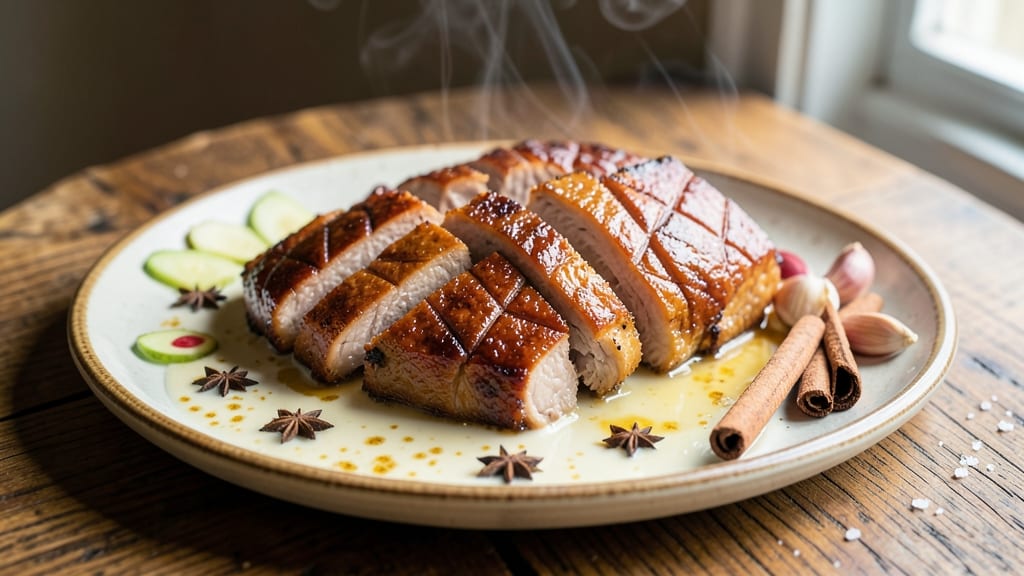
This milk pork recipe delivers restaurant-quality tenderness in a single pot, where silky coconut milk transforms tough belly into melt-in-your-mouth perfection. The secret lies in slow cooking the pork until fork-tender while infusing it with aromatic coconut milk and warm spices.
I perfected this technique after years of working with heritage pork cuts, where the right balance of fat and liquid transforms tough belly into melt-in-your-mouth perfection.
The magic happens through a two-stage process: first searing the pork to develop deep flavor, then braising it low and slow until the connective tissue dissolves into rich, velvety sauce. Coconut milk adds natural sweetness that balances the pork's richness while keeping the dish light enough for weeknight dinners.
This recipe serves four generously, with enough sauce to coat every bite.
By the time you're done, you'll have golden-brown pork belly that practically falls apart at the touch, swimming in a glossy sauce that's equal parts creamy and aromatic. The texture is what makes this dish unforgettable—crispy edges giving way to tender, jiggly centers that practically dissolve on your tongue.
It's the kind of meal that turns ordinary weeknights into special occasions.
Serve this braised pork with steamed jasmine rice to soak up every last drop of sauce, or pair it with roasted root vegetables for a complete meal.
The leftovers actually improve overnight as the flavors meld further, making this an ideal recipe for meal prep. Let's get cooking—this is pork belly at its finest.
Ingredients for milk pork
Pantry staples meet restaurant-quality pork belly—this is where good ingredients shine.
| Ingredient | Amount | Notes |
|---|---|---|
| Pork Belly 🐖 | 2 lb | Thick-cut, skin-on preferred |
| Coconut Milk 🥥 | 1 can (13.5 oz) | Full-fat for creaminess |
| Star Anise Pods 🌿 | 2 whole | Lightly crushed for aroma |
| Cinnamon Sticks 🌶️ | 2 whole | Broken into 1-inch pieces |
| Fresh Ginger 🧄 | ½ inch | Peeled, sliced thinly |
| Garlic Cloves 🧄 | 6 cloves | Smashed, not minced |
| Soy Sauce 🍶 | ¼ cup | Dark soy preferred |
| Brown Sugar 🍯 | ¼ cup | Packed tightly |
| Olive Oil 🫒 | 2 tbsp | For searing pork |
| Water 💧 | 1 cup | For braising liquid |
| Salt 🧂 | 1 ½ tsp | Kosher or sea salt |
| Black Pepper 🌶️ | ½ tsp | Freshly cracked |
| Green Onions 🧅 | 3 whole | Sliced for garnish |
The pork belly is the star, so look for thick-cut pieces with good marbling—that fat is what melts into flavor. Costco or specialty butchers usually carry the best cuts, but don't skip the regular grocery store if you find a good deal. Fresh ginger and star anise are non-negotiable here—they're the secret to that restaurant-quality aroma. If you can't find whole star anise, ground works at half the amount, but it's not the same. For the coconut milk, full-fat is a must—light versions won't give you that silky texture. The soy sauce? Dark soy adds color and depth, but regular will work in a pinch.
No star anise? 1 tsp ground cinnamon plus 1/2 tsp anise extract gets you close. Short on ginger? Substitute 1/4 tsp ground ginger, but it won't have the same punch. The brown sugar can be swapped for white sugar or honey, though brown gives that caramelized depth. For the garlic, roasted garlic adds sweetness if you want to get fancy. And if you're worried about the pork being too rich, the coconut milk and ginger balance it perfectly—trust me on this. The olive oil should be something you'd use for cooking, not just salad dressing.
This dish tastes even better the next day, so make extra—it keeps for 5 days in the fridge or 3 months frozen. Store the sauce separately if you're freezing just the pork. Reheat gently on the stove with a splash of water to bring back that glossy texture. I always serve it with steamed jasmine rice—the grains soak up all that sauce like a dream. And if you're feeling fancy, crisp up the pork skin at the end for extra crunch.
Why You'll Love This Recipe
- One-Pot Magic: I swear by this recipe when I’m too tired to wash a million dishes. The pork belly simmers right in the coconut milk with those whole spices—star anise and cinnamon—so you just slice, sear, and let it work its flavor while you chop veggies for the side. Minimal cleanup, maximum reward.
- Flavor Bomb: That first bite of tender pork belly with the creamy coconut milk and a whisper of spice? It’s like a hug in your mouth. The star anise and ginger add this warm, earthy depth that makes it taste like a restaurant dish, not just something you threw together.
- Weeknight to Dinner Party: Between us, this recipe is my secret weapon for lazy nights and when I actually want to impress. For weeknights, I serve it over rice with a quick stir-fry. For company, I plate it with steamed greens and a sprinkle of sesame seeds—same effort, totally different vibe.
- Leftovers That Don’t Suck: Honestly, I make this on purpose just to have leftovers. The pork stays juicy for days, and the coconut milk keeps it from drying out. I’ll reheat slices for sandwiches, toss chunks into fried rice, or even freeze portions for those nights when I can’t be bothered to cook at all. Zero waste, all flavor.
Step-by-step instructions for braised pork belly with coconut milk
Here's how to transform rich pork belly into tender, caramelized perfection with a velvety coconut milk sauce.
Prepare the Pork Belly for Maximum Flavor
Begin by scoring the pork belly skin in a diamond pattern with a sharp knife, being careful not to cut into the meat. This creates channels that render fat more evenly and develop crispy skin. Pat the belly dry with paper towels—this is crucial for achieving that coveted crackling crust. In a small bowl, mix the 1.5 teaspoons salt and 0.5 teaspoon black pepper with a pinch of sugar. Rub this seasoning all over the pork belly, including the scored skin.
Let the seasoned pork belly sit at room temperature for 30 minutes while you prep the rest of your ingredients. This ensures even cooking. I like to place it on a wire rack set over a baking sheet during this time to allow excess moisture to drain away.
Sear the Pork Belly for Deep Flavor
Heat a large oven-safe skillet or Dutch oven over medium-high heat until it's very hot. Add the 2 tablespoons olive oil and let it shimmer for about 1 minute. Place the pork belly skin-side down in the pan and press gently with a spatula to help it make contact with the hot surface. Sear undisturbed for 8-10 minutes until the skin is deep golden brown and beginning to crisp.
Flip the pork belly and sear the other side for another 5-6 minutes. You'll see the fat start to render out—this is the foundation of your sauce. Once both sides are nicely browned, transfer the pork belly to a plate and set it aside. The residual heat in the pan will help build flavor in the next step.
Build the Aromatic Base
In the same skillet, add the 0.5-inch fresh ginger and 6 smashed garlic cloves. Cook for 1-2 minutes until the ginger becomes fragrant and the garlic is lightly golden. Add the 2 lightly crushed star anise pods and 2 broken cinnamon sticks, stirring for 30 seconds to release their aromatic oils.
Pour in the 1 cup water and scrape up any browned bits from the bottom of the pan—this is where all the flavor hides. Add the 0.25 cup soy sauce and 0.25 cup packed brown sugar, stirring to combine. Let this mixture simmer for 2 minutes until slightly reduced and fragrant.
Braise the Pork Belly to Tender Perfection
Return the pork belly to the skillet, skin-side up. Pour in the 1 can (13.5 oz) coconut milk and bring everything to a gentle simmer. The liquid should come about halfway up the sides of the pork belly. Cover the skillet with a tight-fitting lid and transfer it to a preheated 300°F oven. Braise for 2 hours, then check the internal temperature—it should reach 195-200°F and the pork should be fork-tender.
If the pork isn't tender enough after 2 hours, continue braising for another 30-45 minutes. The skin should be crispy and the meat should pull apart easily. Real talk: this is where patience pays off. The longer it braises, the more flavorful and tender it becomes.
Finish and Garnish for Restaurant-Worthy Results
Once the pork belly is perfectly tender, remove it from the oven and let it rest for 10 minutes. This resting period allows the juices to redistribute throughout the meat. While it rests, use a slotted spoon to remove the star anise pods and cinnamon sticks from the braising liquid. Skim off any excess fat that has risen to the surface.
Slice the pork belly into ½-inch thick slices and arrange them on a serving platter. Ladle the coconut milk braising sauce over the top, then garnish with the 3 sliced green onions. Serve immediately with steamed jasmine rice or crusty bread to soak up that luxurious sauce.
Pro Tips For Making Milk Pork
- CRACK THE BELLY FIRST: Skip the whole slab—cut pork belly into 2-inch chunks before braising. I learned this the hard way: whole slabs take forever to tenderize, and you end up with uneven cooking. Smaller pieces absorb the coconut milk faster and stay juicy.
- STAR ANISE TOAST: Lightly toast whole star anise and cinnamon sticks in a dry pan for 30 seconds before adding liquid. Sounds weird, but it works: the aroma hits the coconut milk immediately, giving that deep, spiced punch without overpowering. (Yes, even if you’re impatient like me.)
- LOW AND SLOW ISN’T LAZY: Simmer the pork belly in coconut milk at 180°F (82°C) for at least 2 hours—no rushing. After burning three batches trying to speed it up, I finally realized: slow = melt-in-your-mouth pork. A meat thermometer at 203°F (95°C) is your friend.
- GINGER JUICE, NOT SLICES: Grate fresh ginger, then squeeze out excess liquid with your hands before adding it to the pot. The juice makes the coconut milk watery if you just chop it—this keeps the sauce rich. (Your future self will thank you.)
Wine and beer pairings for milk pork
Creamy Coconut Whites
For this rich, milk-infused pork dish, I recommend Thai-inspired white wines that complement the coconut milk's natural sweetness without overpowering it. A crisp Pinot Grigio from Italy—specifically one from Alto Adige—works beautifully with its bright acidity and citrus notes.
The wine's mineral finish cuts through the pork's richness while enhancing the coconut's tropical undertones. 🍷
If you prefer something with a bit more body, try a Viognier from California. Its floral aromas and peach notes harmonize with the caramelized pork and coconut milk's creaminess. I always keep a bottle of Rochester Hills Viognier on hand for these kinds of dishes.
Spiced Red Complements
For red wine lovers, a light-bodied Syrah from the Northern Rhône region brings warmth to match the dish's spices. Look for one with pepper and violet notes—these will echo the star anise and cinnamon in the braising liquid. A Crozes-Hermitage from France is my go-to choice for this pairing.
If you want something with a bit more structure, a Pinot Noir from Oregon works wonders. Its red fruit flavors and earthy undertones balance the coconut milk's creaminess while complementing the pork's savory depth. I've found that Domaine Serene Pinot Noir has just the right balance of acidity and fruitiness.
Craft Beer Pairings
For beer enthusiasts, a Belgian Witbier like Hoegaarden or Stella Artois is a fantastic match. The citrusy coriander notes in these beers cleanse your palate between bites of rich pork, while their light effervescence contrasts nicely with the creamy sauce. 🍺
If you prefer something with a bit more body, try a honey wheat ale like Allagash White. The caramel and floral notes in these beers complement the brown sugar and coconut milk beautifully.
I often serve this dish with a cold glass of Allagash White during summer gatherings—it's a crowd-pleaser.
Non-Alcoholic Options
For those who prefer non-alcoholic beverages, a sparkling ginger beer like Fever-Tree adds a refreshing zing. The ginger's spiciness echoes the fresh ginger in the recipe, while the bubbles cut through the richness of the pork. I like to chill it well before serving.
Another great option is coconut water—it's a natural complement to the coconut milk in the dish. Choose a high-quality brand like Harmless Harvest for a clean, slightly sweet sip that enhances the tropical flavors. Serve it chilled over ice for the best experience.
Nutrition facts
Frequently asked questions
Can I substitute regular milk for coconut milk in this recipe?
While you can technically use regular milk, I don't recommend it for this braised pork dish. Coconut milk adds natural sweetness and creaminess that balances the pork's richness, while its fat content helps create a velvety sauce. Regular milk would make the sauce thinner and less flavorful. For a dairy-based option, try a rich cream sauce with similar fat content.
How do I know when the pork belly is fully tender?
Your pork belly is perfectly tender when it reaches an internal temperature of 195-200°F and the meat pulls apart easily with a fork. The skin should also be crispy and golden brown. If it's not tender after 2 hours of braising, continue cooking for another 30-45 minutes—patience is key here!
Can I make this recipe with a different cut of pork?
While pork belly is ideal for its fat content and texture, you can use pork shoulder or pork loin as substitutes. Pork shoulder will be more forgiving as it has more connective tissue, but it may require 1-2 extra hours of braising. Pork loin will cook faster but won't have the same rich flavor. For best results, stick with pork belly if possible.
What if I don't have star anise or cinnamon sticks?
Don't worry! You can substitute with 1 teaspoon ground cinnamon plus ½ teaspoon anise extract for star anise, or 1 teaspoon ground cinnamon plus ½ teaspoon cardamom for cinnamon sticks. These alternatives will still add warmth and depth to your dish. The flavor won't be identical, but it'll work in a pinch.
How do I store and reheat leftovers?
Store leftovers in an airtight container in the fridge for up to 5 days or freeze for 3 months. To reheat, place the pork and sauce in a skillet over low heat and add a splash of water or coconut milk to restore moisture. Never microwave—this can make the pork dry. Reheating gently preserves the sauce's silky texture.