
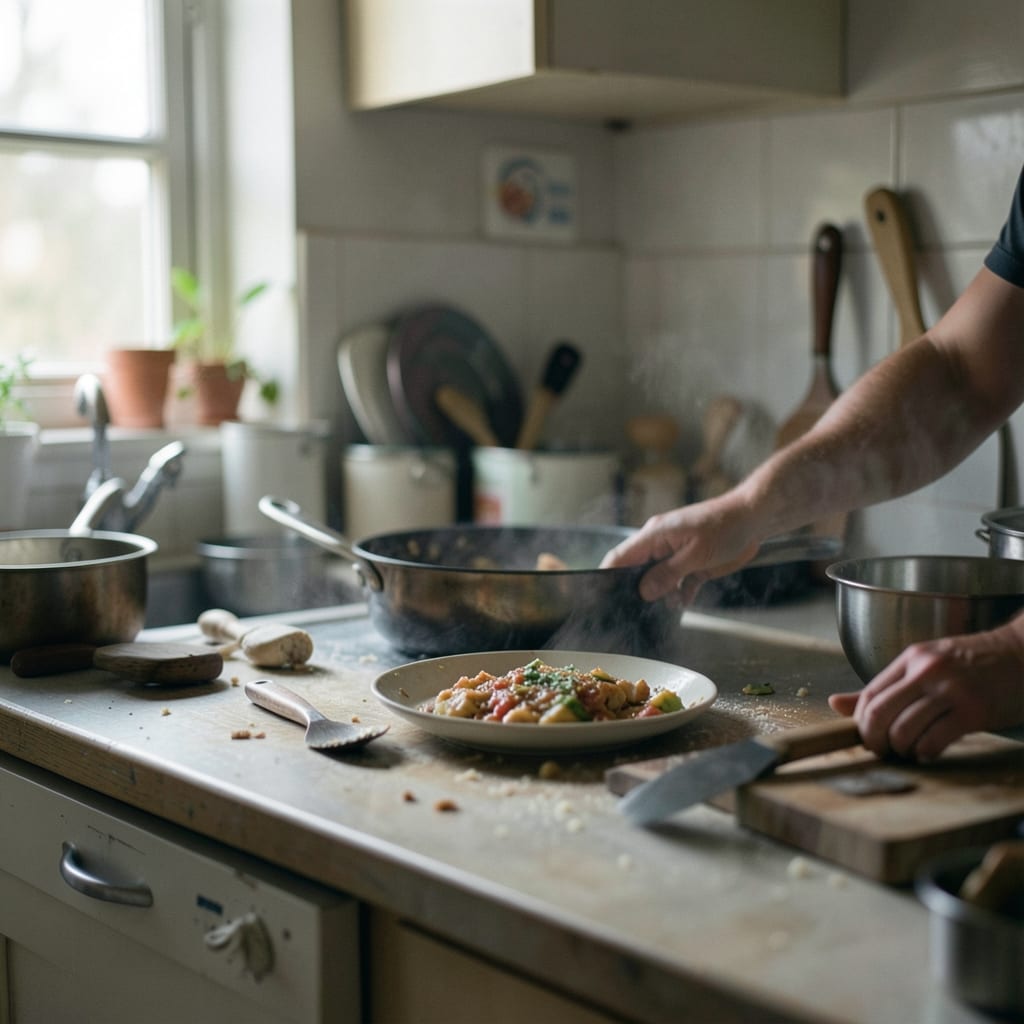
What changed, and what it changed for you
When this site began, it was just a way to share my favorite pork dishes—no testing, no structure, just recipes copied from other sources with no real thought given to whether they’d work. The instructions were vague, the photos were borrowed, and the whole thing felt like a half-finished project.
If you tried a recipe and it failed, there was no way to know if it was your fault or mine.
Now, every recipe is tested at least twice: once by me, and once by a volunteer tester who cooks it in their own kitchen. The steps are written to match the way real people work, not just the way I do.
The photos show the dish as it comes out of my kitchen, not some staged image from a stock library. And if a recipe doesn’t work the second time, it gets rewritten—or scrapped entirely.
| It used to be | Now it is |
|---|---|
| Recipes copied from other sites without testing | Every recipe tested twice, with adjustments for real kitchens |
| Photos from stock libraries, no connection to the dish | Photos shot in my kitchen, with the same tools and lighting |
| Instructions written in my head, no clear structure | Steps broken into clear, numbered actions with timings |
| No way to know if a recipe would work for you | Tested by volunteer cooks to ensure it works in different conditions |
The one that took years
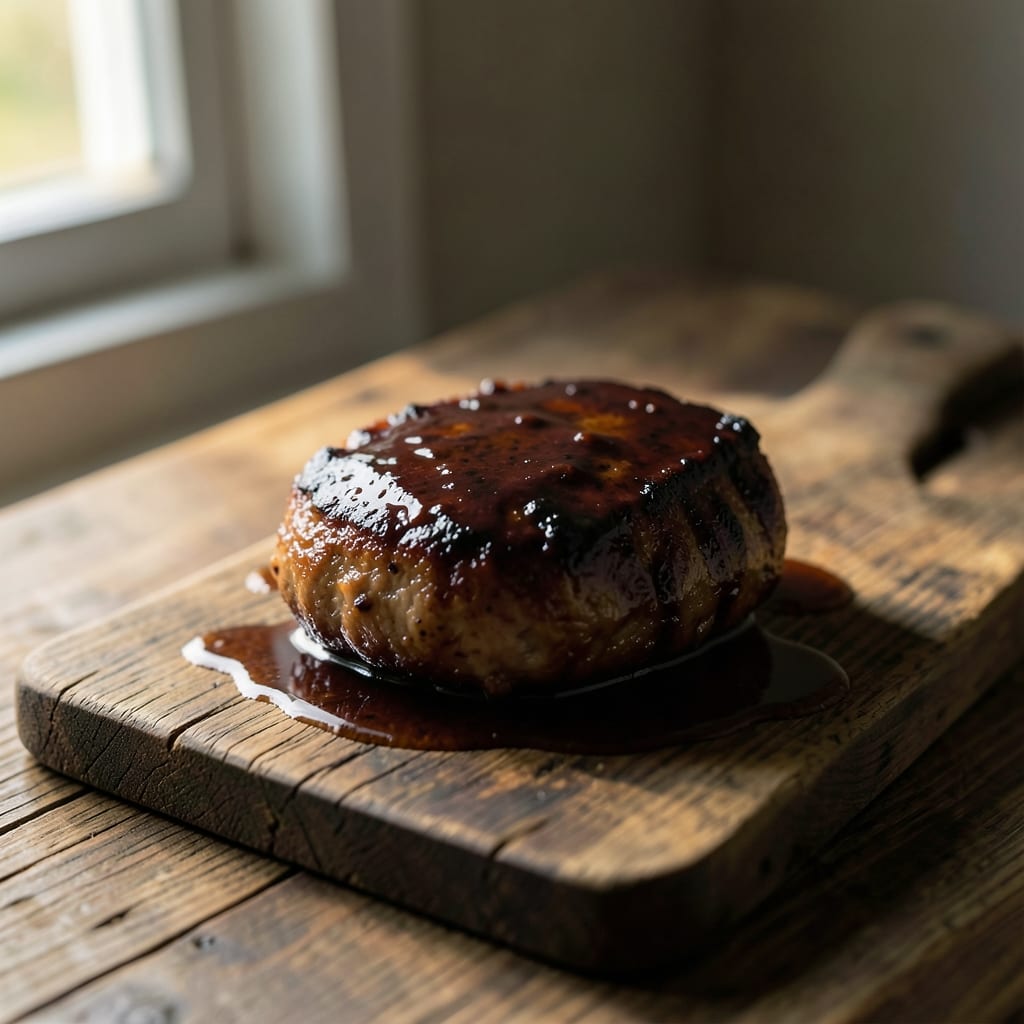
The biggest mistake was trusting stock photos. For years, I used images from libraries because they looked ‘professional’ and saved time. But they never matched the dish I was describing—different cuts of meat, wrong colors, even the wrong cookware.
Readers would follow a recipe, only to find their result looked nothing like the photo, and they’d assume it was their fault.
It took three years of complaints—emails, comments, even a few angry messages—to realize the problem wasn’t the recipes. The photos were lying. Switching to my own images meant buying a decent camera, learning lighting, and spending hours reshooting every dish.
Some recipes needed three or four attempts just to get the photo right, let alone the cooking.
Now, every photo is taken in my kitchen, with the same pan, the same smoke setup, and the same lighting I use when I cook.
It costs time and money—film, editing software, and the occasional ruined shot—but it means when you see a photo here, you know exactly what you’re getting. No more guesswork.
Meet the author
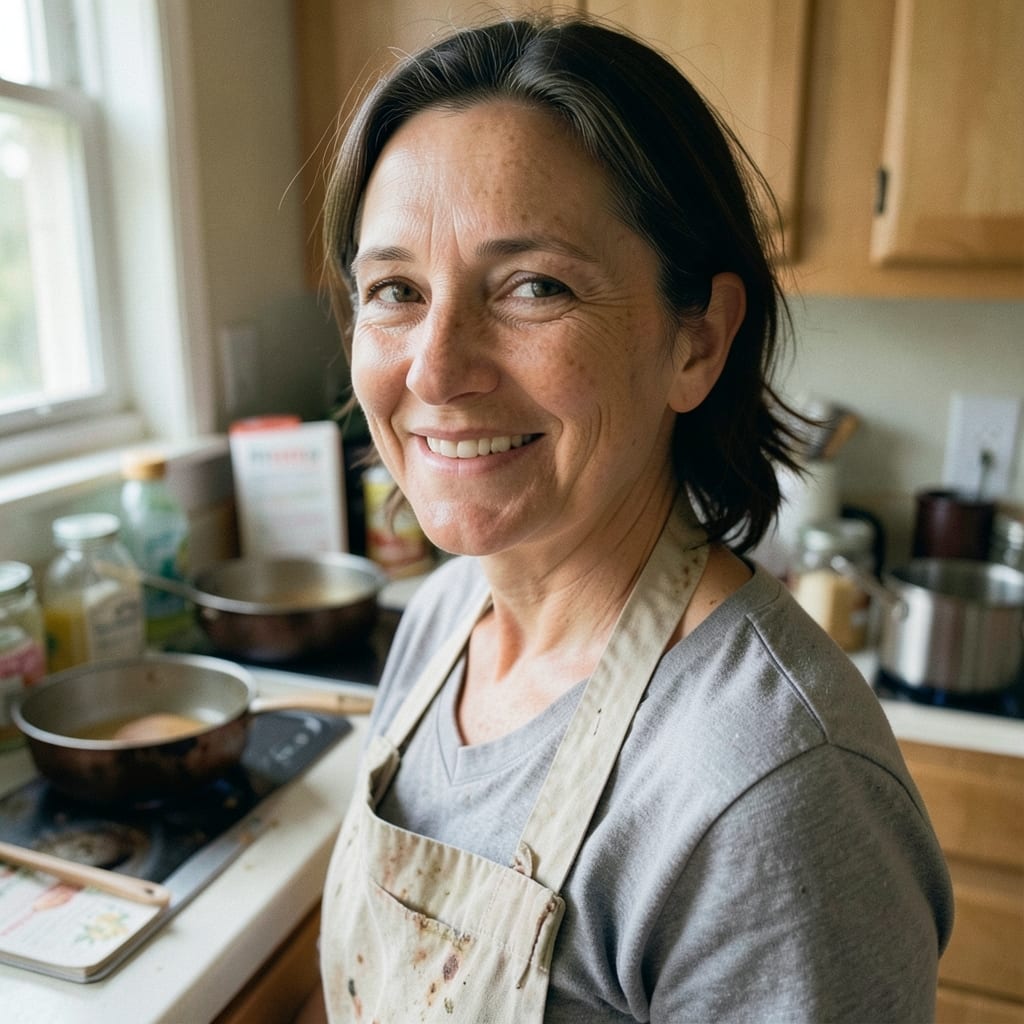
I grew up in a house where pork was king—my uncle’s barbecue pit was my first classroom, and I spent weekends watching him turn a simple shoulder into something magical. But when I started writing, I treated recipes like instructions for a machine: precise, but missing the soul.
I’d write down the steps I used, assume everyone else had the same tools, and never think about what could go wrong.
The first time I published a recipe without testing it properly, a reader sent me a photo of their burnt pork belly. I’d forgotten to mention the meat needed to rest before slicing. That was the moment I realized: if I didn’t care enough to test, why should they?
For years after, I’d write a recipe, cook it once, and call it done—even when the results were inconsistent.
I stopped writing like that.
Now, I test every recipe twice—once in my kitchen, once in someone else’s—and adjust until it works.
Kendra Fontaine is the name behind *Pork Recipes Hog*, and this is where I share the lessons I’ve learned: the right way to smoke a shoulder, the secret to crispy skin, and why some recipes fail before they even begin.
What did not change
The obsession with pork hasn’t faded. From the first recipe I ever wrote to the latest one, the goal has always been the same: to help you cook pork the way it should be cooked—juicy, crispy, or perfectly tender, depending on the cut.
The techniques might have gotten sharper, but the love for the meat hasn’t wavered.
The focus on real kitchens, not just mine, is still the core. Every recipe is written for someone who might not have a smoker, a sous-vide machine, or even a perfectly calibrated oven. If it doesn’t work in a home kitchen, it doesn’t belong here.
What is still being fixed
Right now, the biggest challenge is balancing tradition with innovation. Some readers want classic recipes—slow-cooked, smoky, unchanged. Others want bold new twists, like fermented pork or fusion dishes. Figuring out how to serve both without confusing either group is a work in progress.
If you’ve got ideas for recipes, tools, or even just a better way to organize the site, the contact page is where to share them.
Things that would help
- A recipe idea that’s been tested but needs a better explanation
- A tool or technique you’ve used that makes pork cooking easier
- Feedback on how to improve the site’s structure or search
The recipes are grouped by category: Appetizers, Beverages, Breakfast & Brunch, Desserts, Main Courses and Reviews.