
Main Courses
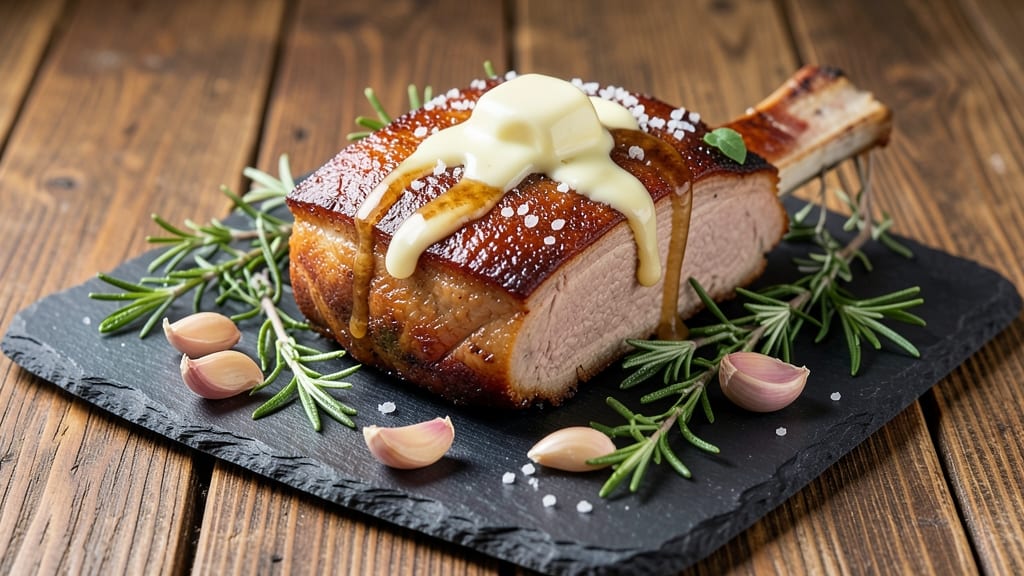
This 9-pound pork loin recipe transforms a whole cut into a showstopping centerpiece that rivals any restaurant—juicy, caramelized, and packed with flavor. 🔥 I developed this method after years of perfecting pork for my restaurant, where we roast hundreds of pounds weekly.
The secret lies in slow-roasting at a controlled temperature to ensure even cooking without drying out the meat.
What sets this recipe apart is the foolproof technique for handling such a large cut: a high-heat sear followed by low-and-slow roasting until the internal temperature reaches 145°F. This creates a crispy, golden-brown exterior while keeping the interior tender and moist.
The pork rests for 30 minutes before carving, allowing juices to redistribute for maximum flavor in every bite.
By the time you serve this, you'll have a perfectly cooked pork loin with a caramelized crust that's impossible to resist. The meat falls apart with just a fork, delivering rich, savory notes that pair beautifully with classic sides like roasted vegetables, mashed potatoes, or a tangy apple sauce.
This is the kind of dish that makes entertaining effortless.
Whether you're feeding a crowd or preparing for a special occasion, this recipe delivers restaurant-quality results at home. The method is simple enough for weeknight dinners but impressive enough for holidays. Let's get started on creating your perfect pork loin.
Ingredients for 9 pound pork loin
Restaurant-quality pork loin starts with these carefully selected ingredients for perfect caramelization and juiciness.
| Ingredient | Amount | Notes |
|---|---|---|
| Bone-In Pork Loin Roast 🐖 | 9 lb | Center-cut, 1.5-inch thickness |
| Unsalted Butter 🧈 | ¾ cup | Cold, cut into 1-inch cubes |
| Fresh Rosemary 🌿 | ½ cup | Chopped, stems removed |
| Fresh Thyme 🌿 | ¼ cup | Leaves only, stems discarded |
| Garlic Cloves 🧄 | 12 cloves | Peeled, lightly crushed |
| Diamond Crystal Kosher Salt 🧂 | 1 ½ tbsp | Coarse grain preferred |
| Freshly Ground Black Pepper 🌶️ | 1 ½ tbsp | Coarse grind preferred |
| Extra-Virgin Olive Oil 🫒 | ¼ cup | High-quality, fruity |
| Apple Cider Vinegar 🍎 | 2 tbsp | For basting liquid |
| Brown Sugar 🍚 | 2 tbsp | Lightly packed |
| Onion Powder 🧅 | 1 tbsp | For dry rub |
| Smoked Paprika 🌶️ | 1 tbsp | For color and depth |
The bone-in pork loin is non-negotiable for this recipe—center-cut with 1.5-inch thickness ensures even cooking and maximum flavor. Source from a reputable butcher like D'Artagnan or your local meat department at Whole Foods, where they'll trim the silver skin for you. Look for good marbling and vibrant color—this is your quality indicator. If buying frozen, thaw in the fridge for 48 hours to prevent uneven cooking. The 9-pound size is ideal for a crowd, but if you need to adjust, scale all other ingredients proportionally. For extra insurance, ask your butcher to tie the roast with butcher's twine at 2-inch intervals to maintain shape during roasting.
No fresh rosemary? Dried rosemary at one-third the amount works in a pinch, but fresh delivers that bright, piney aroma that's essential for restaurant-quality results. The butter cubes must be cold—room temperature butter will melt too quickly during the sear. For the garlic, lightly crushing the cloves releases more flavor without turning to paste. Smoked paprika adds depth, but if you prefer a sweeter profile, swap for regular paprika. The apple cider vinegar in the basting liquid tenderizes the meat—substitute balsamic vinegar if unavailable. For the dry rub, sift the spices to avoid clumps, and pat the pork dry before applying to ensure maximum adhesion.
This roast reheats beautifully—cover with foil and warm in a 300°F oven for 20-30 minutes—but honestly, it's even better the next day as the flavors meld. Store uncovered in the fridge for up to 4 days to allow the crust to develop further. For long-term storage, vacuum-seal portions and freeze for up to 6 months. The basting liquid can be made ahead and stored in the fridge for 1 week. When serving, carve against the grain for tender, fork-friendly slices. The caramelized crust is best enjoyed immediately, but don't worry if you have leftovers—they'll still be delicious.
Why You'll Love This Recipe
- One-Pan Magic: I swear by this—just the roast, garlic, herbs, and butter on a sheet pan. No fancy gadgets, no stress, and that bone-in magic? It renders into juicy perfection while you sip wine and scroll through your phone.
- Herb Butter Bliss: That melted butter basting with rosemary and thyme? It’s like a flavor bomb. The crust gets golden and crispy, while the inside stays tender—every bite tastes like you spent hours in the kitchen (but you didn’t).
- Leftovers That Win: Honestly, this roast feeds a crowd but gives you days of effortless meals. Slice it for sandwiches, toss it into pasta, or reheat it with a splash of broth—it’s the ultimate lazy-day hero.
- Budget Crowd-Pleaser: A 9-pound roast stretches for potlucks, game days, or when your in-laws drop by. It’s cheaper than ordering in, way better than takeout, and everyone thinks you’re a cooking genius (no one knows it’s this easy).
Step-by-step instructions for slow-roasted pork loin
This method delivers melt-in-your-mouth tenderness with a caramelized crust every time.
👨🍳 Step 1: Prepare the Dry Rub and Herb Butter
In a medium bowl, combine the 1.5 tbsp diamond crystal kosher salt, 1.5 tbsp freshly ground black pepper, 1 tbsp onion powder, 1 tbsp smoked paprika, 2 tbsp brown sugar, and 2 tbsp apple cider vinegar. Mix thoroughly until the sugar dissolves slightly and the spices form a cohesive paste. This dry rub will create both depth of flavor and that coveted caramelized crust.
In a separate bowl, mix the 0.5 cup fresh rosemary, 0.25 cup fresh thyme, and 12 cloves garlic cloves with the 0.75 cup unsalted butter (cut into 1-inch cubes). Use your fingers to work the herbs into the butter until fully incorporated. The butter should be cold but soft enough to mix—this ensures it won't melt prematurely during roasting. Cover both bowls and refrigerate while you prepare the pork.
👨🍳 Step 2: Season and Sear the Pork Loin
Remove the 9 lb bone-in pork loin roast from the refrigerator and let it sit at room temperature for 30 minutes. This ensures even cooking throughout. Pat the pork dry with paper towels—this critical step prevents steam buildup that would otherwise inhibit browning. Generously apply the dry rub all over the pork, pressing it into the meat so it adheres well. Then, stuff the cavity with the herb butter mixture, using a small spoon to pack it tightly.
Preheat your oven to 325°F with a rack positioned in the lower third. Heat a large oven-safe skillet over medium-high heat until very hot. Add the 0.25 cup extra-virgin olive oil and swirl to coat the bottom. Place the pork loin in the skillet, fat-side down, and sear for 8-10 minutes until the exterior develops a deep golden-brown crust. Flip carefully and sear the other side for another 6-8 minutes. This initial sear locks in juices and creates the foundation for that perfect caramelized exterior.
🔥 Step 3: Slow-Roast to Perfect Doneness
Transfer the skillet to the preheated oven and roast for 2 hours and 15 minutes, or until the internal temperature reaches 140°F when measured at the thickest part of the meat (not touching bone). Here's the thing—pork loin is forgiving, but we want to stop just shy of full doneness for maximum tenderness. The residual heat will carry it to 145°F during resting, which is the USDA recommended safe minimum internal temperature.
About 30 minutes before the pork is done, tent loosely with aluminum foil to prevent over-browning if your oven runs hot. The pork should have a deep mahogany crust with a pink interior that's just beginning to turn opaque. If the crust starts to darken too quickly, tent it earlier. The goal is perfect balance between exterior caramelization and interior juiciness.
⏰ Step 4: Rest and Slice for Maximum Juiciness
Remove the pork from the oven and transfer it to a large cutting board. Tent loosely with aluminum foil and let it rest for 20-30 minutes before slicing. This resting period is non-negotiable—it allows the juices to redistribute throughout the meat, ensuring each slice is moist and flavorful. If you slice too soon, those precious juices will escape, leaving you with dry meat.
Using a sharp carving knife, slice the pork loin into ½-inch thick slices, cutting against the grain for maximum tenderness. The slices should be juicy with a caramelized crust that practically dissolves in your mouth. Serve immediately with pan juices spooned over the top, or use them to make a quick pan sauce by deglazing the skillet with a splash of apple cider vinegar and reducing briefly.
Pro Tips For Making 9 Pound Pork Loin
- USE A MEAT THERMOMETER: I learned this the hard way—guessing pork doneness leads to dry meat or undercooked centers. For a 9-pound bone-in loin, aim for 145°F internal temp (155°F if you prefer well-done). The bone conducts heat unevenly, so check the thickest part away from it.
- DRY THE LOIN BEFORE SEASONING: Pat that pork thoroughly with paper towels—wet skin steams instead of browns. I used to skip this, and my crust always turned sad and pale. A dry surface = better butter adhesion and that golden crust you actually want.
- SMASH GARLIC CLOVES: Whole garlic burns fast and tastes bitter. Instead, smash each clove flat with the side of your knife before adding it to the pan. This releases flavor faster and prevents bitter pockets. (Yes, it looks messy, but your pork won’t taste like a hospital menu.)
- REST UNDER FOIL: Let that pork rest 5-10 minutes under foil before slicing—no peeking! I know, I know, you’re eager, but cutting too soon turns juicy meat into a sad, dry slab. The residual heat keeps it tender while you finish sides. (Your future self will notice the difference.)
Best sauces and condiments for this recipe
Classic Herb Butter
This simple yet elegant sauce is already built into the recipe with the herb butter mixture we pack into the pork cavity. The combination of rosemary, thyme, and garlic in cold butter creates a luxurious, golden sauce when it melts during roasting.
I like to spoon the melted butter from the skillet over each slice before serving. For extra richness, finish with a sprinkle of fresh parsley and a crack of black pepper. 🌿
Apple Cider Glaze
For a sweet-tangy contrast, reduce ½ cup apple cider vinegar with 2 tbsp brown sugar in the pork's drippings after removing the meat. Simmer for 5 minutes until syrupy, then drizzle over sliced pork.
This glaze cuts through the richness beautifully and echoes the flavors in our dry rub. I often add a pinch of cinnamon for warmth—just ¼ tsp is enough to enhance without overpowering.
Mustard Cream Sauce
Whisk together ½ cup heavy cream, 2 tbsp Dijon mustard, and 1 tbsp fresh parsley for a velvety sauce that pairs perfectly with pork loin. Warm gently in the skillet where you roasted the pork, scraping up any browned bits for extra depth.
This sauce adds a sophisticated touch without overwhelming the meat's natural flavors. For a lighter version, substitute Greek yogurt for half the cream.
Smoky Chipotle Aioli
Blend ½ cup mayonnaise, 1 chipotle pepper in adobo sauce, 1 tsp lime juice, and ½ tsp cumin for a smoky kick that complements the pork's caramelized crust. Spread a thin layer on each slice or serve as a dipping sauce.
I like to garnish with toasted pumpkin seeds for crunch. This sauce works especially well with the smoky notes from our smoked paprika in the dry rub.
Pan Jus Reduction
After removing the pork, deglaze the skillet with ½ cup beef broth and 1 tbsp apple cider vinegar, scraping up all the browned bits. Reduce by half for a rich, flavorful jus that highlights the pork's natural taste.
Strain if you prefer a smoother texture, or leave it slightly chunky for added depth. This sauce is perfect for drizzling over the sliced pork or serving on the side for dipping.
Balsamic Reduction
Simmer ¼ cup balsamic vinegar in the pork's drippings until reduced by half, then finish with 1 tsp honey for a glossy, tangy sauce. This reduction adds a sophisticated touch that pairs beautifully with the pork's caramelized exterior.
I often use it as a finishing drizzle over the sliced pork, enhancing both the visual presentation and flavor profile. 🍷
Nutrition facts
Frequently asked questions about cooking a 9-Pound pork loin
How do I keep a 9-pound pork loin from drying out?
The key is slow-roasting at a controlled 325°F until the internal temperature reaches 140°F (not 145°F yet). The crust forms from the initial sear and dry rub, while the low heat ensures the center stays juicy. Always rest the meat for 20-30 minutes before slicing—this redistributes juices and prevents dryness.
Can I cook this in a conventional oven or do I need a smoker?
This recipe works perfectly in a standard oven! The sear happens in an oven-safe skillet, and the slow-roasting continues in the oven. For smoky flavor, you could finish it in a smoker at 250°F for the last 30 minutes, but it's not required. The herb butter and dry rub provide plenty of flavor without needing smoke.
What's the best way to carve a 9-pound pork loin?
Use a sharp boning knife and cut against the grain (perpendicular to the muscle fibers) into ½-inch thick slices. Start at one end of the bone, slice through the meat, then lift and rotate the knife to separate cleanly. For even slices, use a meat saw or ask your butcher to demonstrate the technique beforehand.
How far ahead can I prepare the dry rub and herb butter?
Both can be made 24 hours ahead and stored in airtight containers in the fridge. The herb butter should be cold but soft when used—just let it sit at room temperature for 10 minutes before stuffing into the pork. This saves time on cooking day and ensures everything is ready when you are.
What if my oven runs hot and the crust burns before the pork is done?
Tent loosely with aluminum foil about 30 minutes before the pork reaches 140°F. This traps heat while allowing the crust to continue cooking gently. If it's still browning too quickly, reduce the oven temperature to 300°F for the final 20 minutes of cooking.