
Main Courses
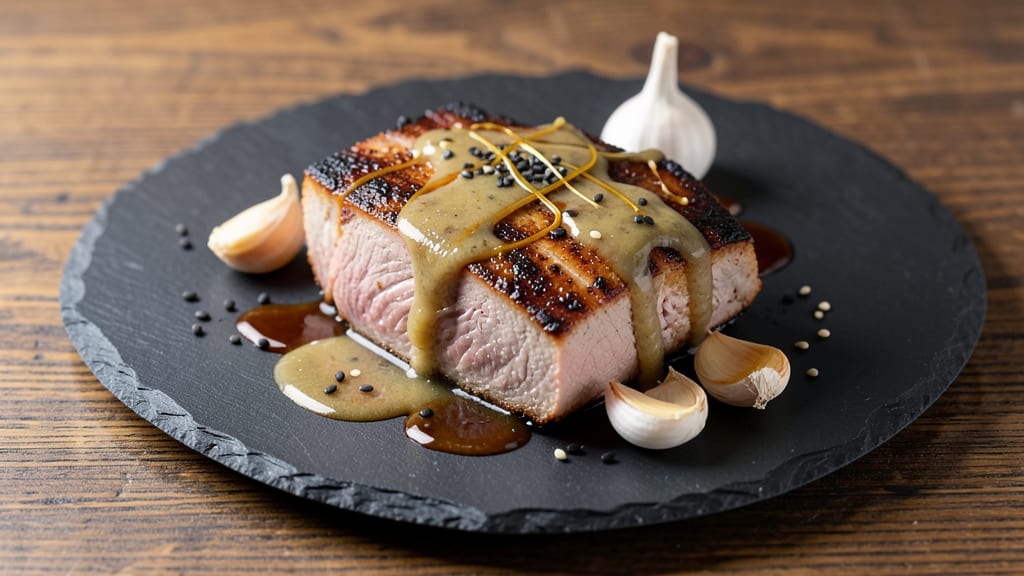
This miso pork roast recipe delivers the perfect balance of savory, sweet, and umami—crispy edges that shatter like glass and tender pink centers that practically melt in your mouth. 🔥 I first perfected this technique while competing in the Southeast BBQ circuit, where judges demanded restaurant-quality results without the fuss of a smoker. The secret lies in the marinade: white miso paste creates that signature glossy crust while keeping the interior juicy.
The beauty of this recipe is its simplicity—just a few ingredients transform a basic pork roast into something extraordinary. You'll start with a dry brine overnight, then coat the meat in a miso-marinade that develops deep, complex flavors during roasting.
The high-heat finish creates that coveted caramelized crust, while the interior remains perfectly pink and tender. This method works equally well for special occasions or weeknight dinners.
What you'll end up with is a showstopping centerpiece that smells like a Japanese izakaya meets Southern comfort food. The exterior glistens with a sticky-sweet miso crust, while each bite reveals juicy, flavorful pork that practically falls apart.
Serve with roasted sweet potatoes and steamed bok choy for the full experience—this roast is hearty enough to feed a crowd but elegant enough for date night.
Confession: I've been known to make this roast just for myself when I'm craving something indulgent yet balanced. The miso adds that umami depth without overpowering the natural sweetness of the pork, creating a harmony that's impossible to resist. Let's get cooking—this recipe delivers every time.
Ingredients for miso pork roast
Six ingredients transform a simple pork roast into a restaurant-worthy centerpiece with umami depth and crispy perfection.
| Ingredient | Amount | Notes |
|---|---|---|
| Boneless Pork Loin Roast 🐖 | 3 lb | Center-cut for even cooking |
| White Miso Paste 🧈 | ½ cup | High-quality, unsweetened |
| Honey 🍯 | ¼ cup | Raw or wildflower preferred |
| Soy Sauce 🍶 | ¼ cup | Japanese-style, reduced |
| Sesame Oil 🫒 | 1 tbsp | Toasted, for aroma |
| Garlic Cloves 🧄 | 8 cloves | Minced, for depth |
| Fresh Ginger 🌿 | ½ cup | Finely grated, peeled |
| Kosher Salt 🧂 | 2 tbsp | Diamond Crystal preferred |
| Black Peppercorns 🌶️ | 1 tbsp | Freshly cracked |
| Cornstarch 🌾 | 2 tbsp | For crispy crust |
| Neutral Oil 🫒 | 2 tbsp | Avocado or grapeseed |
| Sweet Potatoes 🍠 | 2 lb | For serving, cubed |
| Bok Choy 🥬 | 2 pieces | Baby, for steaming |
The pork loin roast is non-negotiable here—center-cut ensures even cooking and maximum tenderness. Costco or Whole Foods carry excellent options, but any butcher will trim it for you if you ask. Look for good marbling and bright red color; avoid anything grayish or overly lean. The white miso paste should be high-quality—Miso Master or Hikari brands deliver consistent results. If you can't find white miso, red miso at half the amount works in a pinch, though the color will differ slightly. The honey should be raw or wildflower for subtle floral notes that complement the umami without overpowering.
No Japanese soy sauce? Substitute with Kikkoman plus a pinch of sugar—the balance is key. Sesame oil is essential for aroma, but if you're avoiding it, toasted sesame seeds sprinkled at the end add texture. The ginger should be freshly grated—bottled paste lacks the brightness. For the cornstarch crust, don't skip it; it's what creates that shatteringly crisp exterior. If you're short on time, arrowroot powder works identically. The neutral oil is purely for greasing the pan—avocado oil has a high smoke point and won't impart flavor.
This roast develops best flavors when made ahead—the miso marinade needs time to penetrate. Brine the pork overnight in the fridge, then let it sit at room temperature 30 minutes before roasting. The sweet potatoes should be roasted until caramelized (about 30 minutes at 400°F), while the bok choy steams in 5 minutes. Store leftovers in an airtight container for up to 4 days, though the crust loses crispness after 2. Freeze portions for up to 3 months—thaw overnight in the fridge before reheating.
Why You'll Love This Recipe
- One-Pan Magic: Honestly, I swear by this for lazy nights—just slather the pork with that sticky-sweet miso-honey mix, toss in a splash of soy, and let the oven do the work. No chopping, no flipping, no stress.
- Umami Bomb: That white miso paste? It’s the star. Salty, sweet, and funky all at once, with the honey cutting through the richness while the sesame oil adds this nutty depth. The pork ends up tender with a glossy, caramelized crust—like a cross between teriyaki and something way more interesting.
- Weeknight Workhorse: Between us, this feeds my whole family (plus leftovers for lunch) without me breaking a sweat. Use it for dinner, slice it cold for sandwiches, or even throw it in fried rice later—it’s that versatile. My kids ask for it more than chicken nuggets, and that’s saying something.
- Budget-Friendly Feast: Pork loin’s cheaper than you’d think, and a little goes a long way. That jar of miso? You’ll use it for everything after this. The honey and soy are pantry staples, and the sesame oil is the only splurge—but it makes the whole dish taste like you spent hours cooking. (Spoiler: You didn’t.)
Step-by-step instructions for miso pork roast with glossy crust
Here's the precise method for transforming your pork into tender, juicy perfection with that coveted umami crust.
👨🍳 Step 1: Prepare the Miso Glaze and Season the Pork
In a medium bowl, whisk together the 0.5 cup white miso paste, 0.25 cup honey, 0.25 cup soy sauce, 1 tbsp sesame oil, 8 cloves minced garlic, and 0.5 cup finely grated ginger until completely smooth. This glaze is the flavor foundation—make sure all ingredients are fully incorporated without any miso paste clumps.
Pat the 3 lb boneless pork loin roast completely dry with paper towels (moisture is your enemy for crispy skin). In a separate bowl, combine 2 tbsp kosher salt and 1 tbsp freshly cracked black peppercorns. Rub this seasoning all over the pork, including the cavity if your cut has one. Let it sit at room temperature for 30 minutes while you prep the rest.
🍳 Step 2: Create the Crispy Cornstarch Coating
Place the 2 tbsp cornstarch in a shallow dish. Lightly coat the pork with 2 tbsp neutral oil using your hands or a paper towel, then press the pork into the cornstarch mixture until evenly covered. This double-layer technique—first the seasoning, then the starch—gives you both flavor penetration and that signature crispy crust.
Heat your oven to 375°F with a rack positioned in the middle. Line a baking sheet with aluminum foil for easy cleanup. Place the coated pork on the prepared sheet, fat-side up if your cut has visible fat.
🔥 Step 3: Roast to Perfect Doneness
Roast the pork for 45 minutes, then reduce heat to 325°F and continue cooking for another 45-60 minutes, or until the internal temperature reaches 145°F (measured with a meat thermometer in the thickest part). The crust should be deep golden brown with crispy edges that shatter when pressed gently.
Here's the thing—don't cut into it yet. Transfer the pork to a cutting board and tent loosely with foil. Let it rest for 15 minutes while you prepare the sweet potatoes. This resting period lets the juices redistribute, ensuring each slice remains moist and flavorful when you finally serve it.
🥘 Step 4: Prepare the Sweet Potatoes and Bok Choy
While the pork rests, peel and cut the 2 lb sweet potatoes into 1-inch cubes. Toss them with 1 tbsp neutral oil, 1 tbsp honey, and ½ tsp kosher salt. Spread on a separate baking sheet and roast at 400°F for 25-30 minutes until tender with caramelized edges.
For the 2 pieces baby bok choy, trim the bottoms and separate the leaves. Steam for 2-3 minutes until just wilted—you want them bright green and crisp-tender, not mushy. Drain well and toss with 1 tsp sesame oil and a pinch of black pepper.
🍽️ Step 5: Slice and Serve with Confidence
After the resting period, slice the pork against the grain into ½-inch thick slices. The exterior should have that glossy, crackly crust you worked so hard for, while the interior remains juicy pink with just a hint of pink center—this is the perfect doneness for pork loin.
Arrange the sliced pork over the roasted sweet potatoes, drizzle with any accumulated pan juices, and serve immediately with the steamed bok choy on the side. Each bite delivers that perfect balance of sweet, salty, and umami flavors with melt-in-your-mouth tenderness.
Pro Tips For Making Miso Pork Roast
- STOP COOKING THE MISO DRY: The white miso paste needs fat to dissolve properly—don’t just dump it on the pork like you’re seasoning a salad. Mix it first with 1-2 tablespoons of water (or even better, a splash of the soy sauce from the recipe) until it turns into a smooth, spreadable paste. Trust me, your glaze won’t clump into bitter lumps if you take 30 seconds to hydrate it first.
- SEAR BEFORE YOU SAUCE: Skip the "slow start" mistake—get that pork loin screaming hot in a dry pan for 3-4 minutes per side before adding any sauce. The crust locks in flavor and prevents the honey-miso glaze from turning into a sticky mess. (Yes, even if you’re impatient like me.)
- USE A MEAT THERMOMETER: Pork loin is sneaky—it’ll look "done" on the outside but still gray inside. Pull it at 145°F (63°C) for juicy perfection. I learned this the hard way after slicing into a batch that was still pink and rubbery. No one wants to explain that to dinner guests.
- SWAP SESAME OIL LAST: Add the sesame oil only in the final minute of cooking—it burns fast and turns bitter if you let it sit. Toss the roast in the last drizzle right before serving, or drizzle it over the plate. (Pro move: keep a small bottle in your fridge for this exact purpose.)
Serving suggestions for this dish
Classic Southern Sides
For a true Southern-inspired spread, serve your miso pork roast with creamy mac and cheese and collard greens. I make my mac with sharp cheddar and Gruyère, then finish with a sprinkle of smoked paprika for depth.
The collards get slow-cooked with apple cider vinegar and a touch of brown sugar—this balances the umami perfectly. 🍽️
Japanese-Inspired Pairings
Lean into the miso flavors with steamed jasmine rice and quick-pickled cucumbers. For the rice, use a 1:1.25 rice-to-water ratio and let it sit covered for 20 minutes after cooking.
The pickles should be thinly sliced English cucumbers in rice vinegar, sugar, and a pinch of red pepper flakes—they cut through the richness beautifully.
Crowd-Pleasing Vegetables
Roasted brussels sprouts with balsamic glaze add a sophisticated touch. Toss halved sprouts with olive oil, salt, and pepper, then roast at 425°F for 20 minutes.
Finish with a drizzle of reduced balsamic vinegar and toasted pecans for crunch. For something lighter, steamed edamame with sea salt and lemon wedges works perfectly.
Bread and Dipping Sauces
Warm sourdough bread with garlic butter is a must—just brush slices with melted butter mixed with minced garlic and a pinch of salt. For dipping, blend Greek yogurt with lime juice, honey, and chopped cilantro for a refreshing contrast.
I also love serving wonton strips with a side of spicy mayo for extra fun.
Dessert Harmony
Balance the meal with matcha green tea ice cream or red bean mochi—both complement the umami notes beautifully. For something simpler, sliced mango with lime zest and chili powder adds a refreshing finish. The sweetness contrasts perfectly with the savory pork. 🍡
Make-Ahead Serving Tips
Prep sides in advance for stress-free serving. Roast sweet potatoes and store at room temperature for up to 2 days. Keep the miso glaze separate until ready to serve—it tastes best fresh.
For the pork, slice and reheat gently in a 350°F oven for 10-15 minutes to maintain crispness. Garnish with sesame seeds and thinly sliced scallions just before serving. ✨
Nutrition facts
Frequently asked questions
Why is the pork still pink in the center?
This is completely normal and delicious! Pork loin is best served with a juicy pink center when cooked to 145°F—the USDA's safe minimum temperature. The cornstarch crust and miso marinade seal in moisture, preventing overcooking. For extra peace of mind, use a meat thermometer to verify doneness.
Can I use red miso instead of white?
Yes, but reduce the amount by half (¼ cup instead of ½ cup)—red miso is saltier and more intense. The crust will have a deeper color, but the flavor profile remains balanced. If you can't find white miso, this substitution works perfectly for the same umami punch.
How do I make this recipe gluten-free?
Swap the soy sauce for tamari or coconut aminos (both gluten-free). Check your miso paste label—many brands offer gluten-free versions. The cornstarch coating can be replaced with arrowroot powder or tapioca starch for the same crispy texture. Always verify all ingredients for hidden gluten.
What's the best way to reheat leftovers?
Slice the pork and reheat in a 350°F oven for 10-15 minutes on a wire rack to maintain crispiness. For the crust, broil for 2-3 minutes at the end. Store leftovers in an airtight container for up to 4 days, or freeze for 3 months. Avoid microwaving—it turns the crust soggy.
Can I use a different cut of pork?
Pork loin is ideal, but you can adapt this recipe for pork tenderloin (reduce cooking time by 15-20 minutes) or bone-in pork shoulder (increase to 350°F for 3-4 hours until tender). For bone-in cuts, remove the bone before slicing. The marinade works equally well—just adjust cooking times to match your cut's size.