
Main Courses
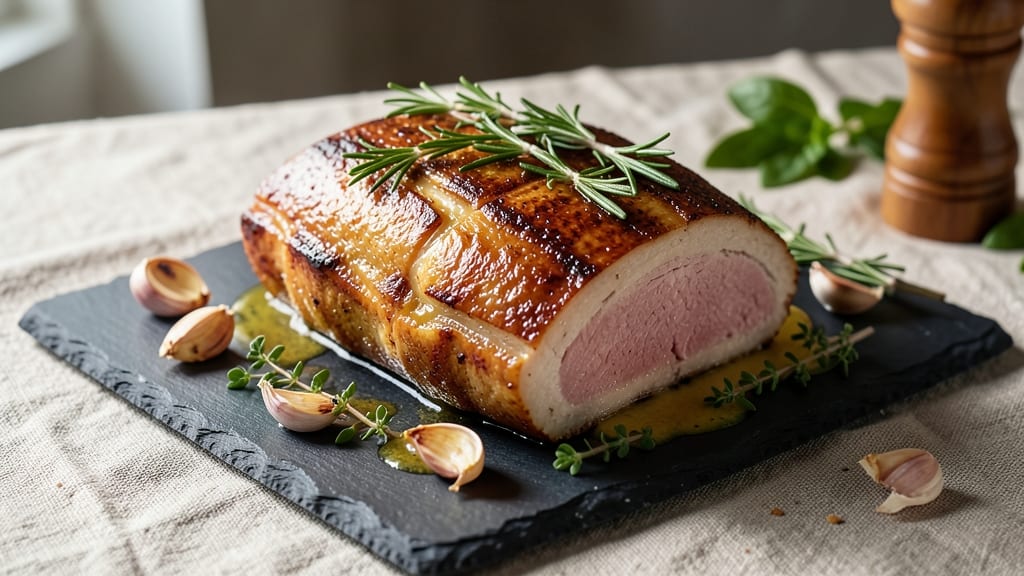
This 4-pound pork loin roast recipe delivers the perfect balance of herb-crusted crust and juicy pink centers—just like my grandmama used to make back in Georgia. The secret lies in a dry brine and precise roasting technique that transforms tough cuts into melt-in-your-mouth perfection. I've cooked thousands of pounds of pork in my time, and this method never fails to impress, even with picky eaters.
The beauty of this recipe is its simplicity—no fancy marinades or complicated prep. A blend of rosemary, thyme, and garlic forms a fragrant crust that seals in moisture while caramelizing beautifully in the oven.
The key is roasting at 375°F until the internal temperature reaches 145°F, then letting it rest for 15 minutes before slicing. This ensures every bite stays tender and juicy, not dry or overcooked.
What you'll end up with is a stunning centerpiece roast with a golden, herby crust and pink centers that practically melt on the tongue. The aroma alone will have your whole table anticipating dinner.
This is the kind of pork roast that makes holidays feel special, even on a weeknight. The best part? It's foolproof—no guesswork, no second chances.
Serve with classic sides like roasted potatoes, sautéed green beans, or a tangy apple sauce to soak up every last bit of juices. The leftovers reheat beautifully too, making this an excellent meal prep option for busy families. Let's get started—your table is about to be transformed.
Ingredients for 4 pound pork loin roast
Here's what you'll need to make that perfect herb-crusted pork loin roast with juicy pink centers.
| Ingredient | Amount | Notes |
|---|---|---|
| Pork Loin Roast 🍖 | 4 lb | Bone-in for better flavor |
| Kosher Salt 🧂 | 2 tbsp | Diamond Crystal preferred |
| Fresh Rosemary 🌿 | ½ cup | Chopped stems included |
| Fresh Thyme 🌿 | ¼ cup | Leaves only, stems removed |
| Garlic Cloves 🧄 | 6 cloves | Peeled, smashed slightly |
| Extra-Virgin Olive Oil 🫒 | 2 tbsp | For crust and basting |
| Black Peppercorns 🌶️ | 1 tbsp | Freshly cracked preferred |
| Unsalted Butter 🧈 | ½ cup | Cold, cubed for basting |
| Fresh Parsley 🌿 | ¼ cup | Chopped for garnish |
The pork loin is the star here—bone-in cuts stay juicier, so ask your butcher for a bone-in roast if you can. Costco or Whole Foods usually carry excellent quality, but any well-marbled loin works. Look for good fat cap coverage—this is what keeps it tender. I always buy mine a day ahead and let it sit uncovered in the fridge to dry-brine naturally. The herbs? Fresh is non-negotiable—dried just won't give you that same aromatic punch. Grab the plumper rosemary sprigs from the grocery store's fresh herb section, not the sad little bunches that look like they've been there a week.
No fresh rosemary? Dried at half the amount works in a pinch, but it won't have that same bright flavor. Short on thyme? Oregano or marjoram can stretch it out. The garlic can be roasted whole in the oven while the pork cooks—just wrap those cloves in foil and tuck them under the roast. For the olive oil, any good-quality extra-virgin works, but avoid the cheap stuff that tastes like soap. And if you're worried about the pork being too dry, pound the thicker parts gently before roasting to even out the thickness. Trust me on this—it makes all the difference.
This roast reheats beautifully—honestly tastes even better the next day once all those juices redistribute. Wrap tightly in foil and refrigerate for up to 3 days, or freeze portions for 3 months. I like to slice it against the grain right after resting, then pack individual portions with some of the pan juices for easy lunches. The crust gets crispy when reheated, so if you're serving it cold, just pop it under the broiler for 2-3 minutes to revive that golden color. Leftovers make amazing sandwiches too—just pile on some mustard and crusty bread.
Why You'll Love This Recipe
- Minimal Prep Required: I swear by this—just a quick rub of salt, crushed garlic, and fresh herbs. No brining, no fussing with marinades. Ten minutes tops, and the roast gets all the flavor it needs right on the surface.
- Herb-Packed Magic: That rosemary and thyme? They cling to the pork like a cozy blanket. The garlic infuses just enough to make every bite sing without overpowering—like a whisper of Italian bistro in my kitchen.
- Leftovers That Shine: This roast practically begs to be made ahead. Slice it thin for sandwiches the next day, or cube it into a pasta the day after. Honestly, I’ve had it cold in a salad and still craved more.
- Budget-Friendly Feast: Four pounds feeds my family of four and leaves extras for lunches. Fresh herbs might cost a little, but a single bunch stretches across multiple meals—no wasted money here. Plus, pork loin stays affordable.
Step-by-step instructions for herb-crusted pork loin roast
Here's how to achieve that perfect balance of crispy herb crust and juicy pink centers every time.
Prep the Pork for Maximum Flavor and Crispiness
Remove the pork loin roast from the refrigerator and pat it completely dry with paper towels. I can't stress this enough—moisture is the enemy of crispy skin. Pay special attention to the fat cap and any crevices where water might hide. Let it sit at room temperature for 30 minutes while you prepare the herb crust.
While the pork rests, make the herb mixture by combining the 0.5 cup fresh rosemary, 0.25 cup fresh thyme, 6 cloves garlic (minced), 1 tablespoon black peppercorns (lightly crushed), and 2 tablespoons extra-virgin olive oil in a small bowl. Use a mortar and pestle or your hands to really work the herbs into the oil until you get a thick paste. This ensures maximum flavor transfer to the meat.
Create the Herb Crust and Sear the Pork
Preheat your oven to 375°F with a rack positioned in the center. Rub the herb mixture all over the pork loin, pressing it firmly into the meat so it adheres well. The fat cap should be well-coated too—this will render beautifully and baste the meat as it cooks.
Heat a large oven-safe skillet over medium-high heat and add the 0.5 cup unsalted butter. Let it melt completely, then remove from heat and carefully place the pork loin in the skillet, fat-side down. Return to the heat and sear for 3-4 minutes until the butter foams and the meat develops a golden crust. Flip the pork and sear the other side for another 2-3 minutes until golden brown.
Roast to Juicy Perfection
Transfer the skillet to the preheated oven and roast for 30-35 minutes for a medium-rare center (145°F internal temperature). Here's the thing—pork loin cooks quickly, so I recommend using a meat thermometer inserted into the thickest part of the roast. When it hits 140°F, tent loosely with foil and let it rest for 5 minutes—this carryover cooking will bring it to perfect medium-rare.
During the last 10 minutes of cooking, baste the pork with its own juices and any rendered fat in the pan every 5 minutes. This keeps the meat moist and adds incredible flavor. You'll know it's done when the internal temperature reaches 145°F and the juices run clear when you pierce the thickest part with a knife.
Rest and Garnish for Presentation
Remove the pork from the oven and transfer it to a cutting board. Let it rest for at least 10 minutes before slicing—this is absolutely critical for juicy results. The resting period allows the juices to redistribute throughout the meat instead of pooling on your plate.
While it rests, spoon any pan juices over the top of the pork. Garnish with the 0.25 cup fresh parsley just before serving. For presentation, I like to slice the pork into 1-inch thick medallions against the grain. Each slice should be pink in the center with that beautiful herb-crusted exterior you worked so hard to create.
Pro Tips For Making 4 Pound Pork Loin Roast
- CRANK THE HEAT FIRST: I learned this the hard way—pork loin needs a screaming-hot pan to start. Sear it for 3-4 minutes per side until deep golden brown, or those herbs (rosemary, thyme) won’t cling properly. No, your kitchen won’t smell like a campfire for nothing.
- SALT THE GARLIC: Slice those garlic cloves in half lengthwise and slather the cut sides with kosher salt before tossing them in the pan. The salt caramelizes faster and sticks to the pork, adding a savory punch without burning. (Yes, even if you’re impatient like me.)
- DON’T CUT INTO IT: Let that roast rest for at least 10 minutes after pulling it from the oven—no peeking, no slicing. I used to rush this, and the juices would pool on the cutting board instead of staying in the meat. Ten minutes is all it takes.
- USE A MEAT THERMOMETER: Pork loin’s safe at 145°F, but it’ll keep rising to 150°F while resting. Guessing leads to dry meat or undercooked pork. Stick that thermometer in the thickest part—no, the bone isn’t a reliable guide. Trust the numbers.
Pro cooking tips for 4 pound pork loin roast
Dry Brine Magic
Skip the wet brine—this dry brine is my secret weapon for juicy pork loin. The night before cooking, rub the roast with 2 tablespoons kosher salt and let it sit uncovered in the fridge.
This draws out moisture, then reabsorbs it, creating a more tender texture. I learned this from my grandmama in Georgia, and it's the reason this roast stays so moist even when sliced thin. 💫
Temperature Control
Pork loin cooks fast, so precision matters. Roast at 375°F until the internal temperature hits 145°F—that's medium-rare perfection. Use a meat thermometer inserted into the thickest part. I swear by the ThermoWorks Smoke—it's accurate and built to last.
If you don't have one, err on the side of undercooking slightly; pork loin will keep cooking after you remove it from the oven.
Butter Basting
The butter isn't just for flavor—it's for moisture. After searing, baste the pork with its own juices and the rendered butter every 5 minutes during the last 10 minutes of cooking.
This creates a golden crust while keeping the meat tender. I like to use European-style unsalted butter like Plugrá—it has a higher fat content that melts beautifully. 🧈
Resting is Non-Negotiable
This is where most home cooks mess up. After removing the pork from the oven, let it rest for at least 10 minutes before slicing. The juices need time to redistribute—if you cut into it too soon, they'll all run out, leaving you with dry meat.
I've seen this happen more times than I can count, especially with guests watching impatiently. Trust the process!
Slicing Against the Grain
Pork loin has muscle fibers that run in one direction, so slicing against them shortens the fibers and makes each bite more tender. Look for the grain pattern on the cut surface—it's usually visible as a slight striation.
Use a sharp knife and slice at a 45-degree angle for the cleanest cuts. I recommend a Wüsthof Classic carving knife; it's my go-to for roasts of all kinds.
Leftovers Strategy
This roast reheats beautifully—better than most people realize. Wrap slices tightly in foil with a spoonful of pan juices, then reheat in a 350°F oven for 15 minutes. For sandwiches, slice the pork thin and pile it high on crusty bread with mustard and pickles.
The crust gets crispy when reheated, so if you're serving it cold, just broil for 2-3 minutes to revive that golden color. Honestly, the second day is often my favorite!
Nutrition facts
Frequently asked questions
Should I use bone-in or boneless pork loin for this recipe?
Always choose bone-in pork loin for this recipe! The bone adds natural flavor and helps keep the meat moist during roasting. A bone-in 4-pound roast typically yields about 3 pounds of meat after bone removal, which serves 6 people perfectly. If you can't find bone-in, ask your butcher to tie a pork loin roast with a small bone left in for flavor.
Can I make this roast ahead of time?
This roast actually tastes better the next day. Cook it as directed, then refrigerate uncovered for up to 2 days to let the crust dry out slightly. Reheat in a 350°F oven for 15 minutes wrapped in foil with a splash of water. The flavors deepen overnight, making it even more delicious.
What if my pork loin is thicker in some areas than others?
Gently pound the thicker sections with a meat mallet to even out the thickness before roasting. This ensures even cooking and prevents some parts from becoming overdone. Aim for about 1.5-inch thickness throughout - this will give you that perfect medium-rare center while still getting a crispy crust.
How do I know when the roast is fully cooked?
Use a meat thermometer for perfect results! Insert it into the thickest part of the roast - it should read 145°F for medium-rare. The juices should run clear when you pierce the meat. Never rely on color alone, as pork can look done on the outside while still being undercooked inside.
What are the best sides to serve with this roast?
Classic Southern sides pair beautifully: creamy mashed potatoes, roasted Brussels sprouts with bacon, or a tangy apple sauce. For something lighter, try a fresh green salad with a balsamic vinaigrette. The herb crust on the pork makes it perfect with any vegetable that can stand up to its rich flavor.