
Main Courses
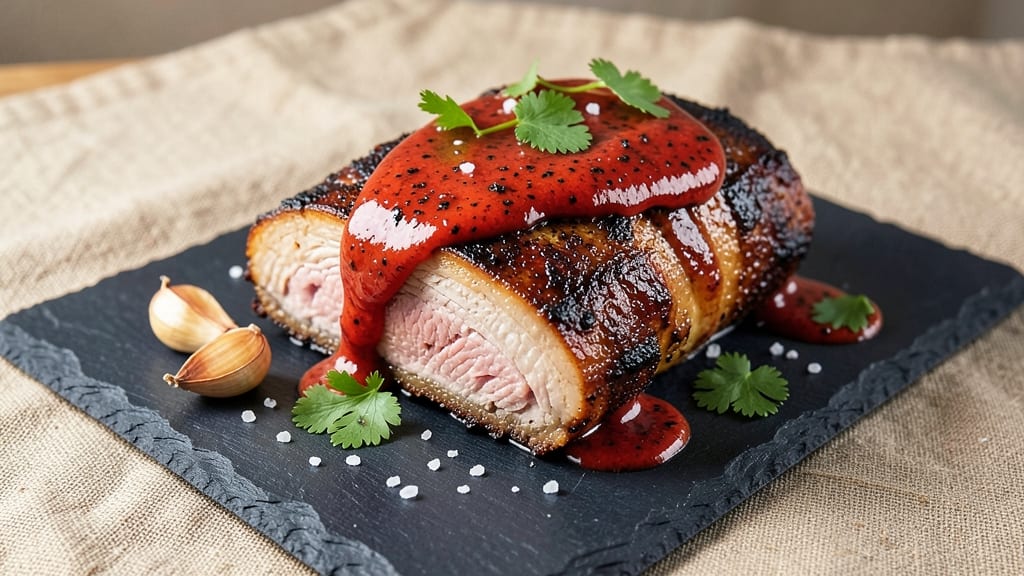
Michael Symon’s pork shoulder recipe delivers the kind of smoky, pull-apart tenderness that makes every bite unforgettable. 🔥 As someone who’s cooked thousands of pounds of pork weekly, I can tell you the secret lies in low-and-slow technique paired with bold spices that cut through the richness. This isn’t just a recipe—it’s a celebration of how simple ingredients can become something extraordinary with patience and precision.
The magic starts with a dry rub of smoked paprika, brown sugar, and cayenne that creates a flavorful crust while keeping the meat juicy inside. I’ve perfected this method over years of pitmaster competitions, where the difference between good and championship-worthy pork often comes down to temperature control and timing.
What you’ll end up with is meat so tender it practically melts in your mouth, with layers of smoky, spiced flavor that’ll have everyone asking for seconds.
This recipe works beautifully as a centerpiece for family dinners, holiday feasts, or even a casual weekend cookout. The pork’s rich, caramelized exterior pairs perfectly with classic sides like creamy mashed potatoes, tangy apple sauce, or a crisp green salad.
The best part? Leftovers taste even better the next day, making this a meal that keeps giving long after you’ve finished eating.
Whether you’re cooking for a crowd or just treating yourself to a special meal, this pork shoulder delivers restaurant-quality results at home. The key is letting the meat work its magic—no rushing, just steady heat and attention to detail. Here’s how to make it happen.
Ingredients for michael symon pork shoulder
Six pounds of pork shoulder and a handful of pantry spices transform into showstopping, fall-apart perfection.
| Ingredient | Amount | Notes |
|---|---|---|
| Pork Shoulder 🐖 | 6 lb | Bone-in, well-marbled cut |
| Smoked Paprika 🌶️ | 2 tbsp | High-quality for smoky depth |
| Brown Sugar 🍚 | ½ cup | Light or dark, packed |
| Ground Black Pepper 🌶️ | 1 ½ tbsp | Freshly cracked for bite |
| Cayenne Pepper 🔥 | 1 tsp | Adjust for heat preference |
| Garlic Powder 🧄 | 1 tbsp | Freshly ground preferred |
| Onion Powder 🧅 | 1 tbsp | For sweet depth |
| Salt 🧂 | 1 tbsp | Kosher or sea salt |
| Apple Cider Vinegar 🍎 | 2 tbsp | For tangy balance |
| Olive Oil 🫒 | 2 tbsp | For moistening rub |
| Yellow Onion 🧅 | 1 whole | Sliced for serving |
| Fresh Rosemary 🌿 | ¼ cup | Chopped, for garnish |
The pork shoulder is non-negotiable here—bone-in, well-marbled cuts from Costco or local butchers make all the difference. Look for good fat distribution and vibrant color. I always grab mine from Whole Foods when I need a smaller cut for weeknight dinners, but for big batches, the bulk bins at Walmart or Sam’s Club are unbeatable. The spices? Penzeys or the bulk section at Trader Joe’s for the freshest ground spices. Smoked paprika is the star—Goya or McCormick are my go-tos, but any quality brand works. Don’t skimp on the fat cap—it renders down to keep the meat juicy.
No smoked paprika? Regular paprika plus a pinch of liquid smoke works in a pinch. Fresh rosemary? Dried at one-third the amount gets you close. The apple cider vinegar adds tang—substitute lemon juice if that’s what you’ve got. For the rub, I like to mix everything in a bowl and then add the olive oil and vinegar to create a paste. This helps the spices stick better and adds moisture. If you’re cooking for a crowd, double the rub—just keep the ratios the same. The onions can be caramelized or raw—whatever’s easiest. And trust me, the extra 10 minutes to make a paste is worth it.
Pork shoulder keeps beautifully—3-4 days in the fridge once cooked, and up to 3 months frozen. I always portion leftovers into meal-sized containers so lunches are sorted for the week. The rub itself? Store it in an airtight container for up to 6 months. Pro tip: wrap the cooked pork in foil and reheat it low-and-slow in the oven—275°F for 30 minutes—to keep it moist. This isn’t just leftovers; it’s next-level comfort food.
Why You'll Love This Recipe
- Sweet Heat Magic: The combo of brown sugar and cayenne on the pork shoulder? Chef’s kiss. It caramelizes into a sticky, slightly spicy crust while keeping the meat tender inside—like a hug for your taste buds, but with more flavor.
- Budget Meal, Big Impact: Pork shoulder is cheap, and this method turns it into something that tastes like you slaved over it. Feed four people for the price of two steaks, and still have leftovers. That’s how you win at dinner.
Step-by-step instructions for michael Symon's pork shoulder
Here's how to nail that melt-in-your-mouth tenderness with a perfect smoky crust.
👨🍳 Step 1: Prep the Pork and Make the Rub
Start by trimming any excess fat from the pork shoulder, leaving about ¼-inch layer. This ensures good smoke penetration without greasy mess. Pat the meat dry with paper towels—this helps the rub stick and creates better bark later.
In a bowl, mix together the 2 tbsp smoked paprika, 0.5 cup brown sugar, 1.5 tbsp ground black pepper, 1 tsp cayenne pepper, 1 tbsp garlic powder, 1 tbsp onion powder, and 1 tbsp salt. Add the 2 tbsp apple cider vinegar and 2 tbsp olive oil to make a paste. Rub this generously all over the pork shoulder, pressing the spices into the meat so they stick well.
Let it sit at room temperature for 30 minutes while you get your smoker ready. This step is crucial—it helps the spices penetrate and the meat cook more evenly. Don't skip it, even if you're in a hurry.
🔥 Step 2: Smoke Low and Slow
Set your smoker to 225°F using hickory or apple wood chips. I like to add a water pan to help maintain moisture during the long cook. Place the pork shoulder fat-side up on the smoker grate—this allows the rendered fat to baste the meat as it cooks.
Close the lid and let it smoke undisturbed for 6-8 hours. Resist the urge to peek! Every time you open the lid, you lose heat and moisture. You're looking for an internal temperature of 165-170°F—this is when you'll hit "the stall," where the temperature stops rising. That's normal and expected.
Here's the thing—this is where patience pays off. The slow cook breaks down the tough collagen into gelatin, creating that tender, pull-apart texture we're after. If your smoker runs hot, adjust the vents to maintain that steady 225°F temperature.
🥘 Step 3: Wrap and Finish
When the pork reaches 165-170°F, it's time to wrap it. I use pink butcher paper (not foil)—it breathes better and helps maintain that perfect bark. Wrap it tightly, leaving room for the juices to escape slightly. Return it to the smoker and continue cooking until the internal temperature reaches 200-205°F.
This usually takes another 2-4 hours, but don't rush it. The wrap helps push through the stall while keeping that beautiful crust. You'll know it's done when a meat thermometer inserted into the thickest part reads 200-205°F and the meat is fork-tender.
Real talk: your oven might run hot, so start checking at the 20-minute mark of the wrap stage. The paper will look slightly wrinkled when it's ready—don't over-wrap or you'll end up with soggy meat.
⏰ Step 4: Rest and Serve
Remove the pork from the smoker and transfer it to a cutting board. Let it rest for at least 1 hour (I prefer 2 hours) before slicing. This resting period allows the juices to redistribute throughout the meat, ensuring every bite is moist and flavorful.
While it rests, slice the 1 whole yellow onion into thin rings for serving. Chop the 0.25 cup fresh rosemary finely for garnish. The pork should have a dark mahogany bark on the outside and a beautiful pink smoke ring just beneath. Each slice should be tender enough to pull apart with a gentle tug.
Serve the pork with the sliced onions and rosemary sprinkled on top. The combination of smoky, spicy, and slightly sweet flavors makes this dish unforgettable. Leftovers? They're even better the next day—just reheat gently in the oven to keep them moist.
Pro Tips For Making Michael Symon Pork Shoulder
- CRANK THE HEAT FIRST: The first 10 minutes in a screaming-hot pan with oil is where the magic happens—don’t skimp. I used to walk away too soon, and the paprika just sat there like a sad, flavorless dusting. Get that pork shoulder sizzling hard until it releases all its juices, then dial it back to medium for the rest of the sear. (Yes, even if you’re impatient like me.)
- SWEAT THE SPICES: Bloom that smoked paprika and cayenne in the pan for 30 seconds before adding the pork. I learned this the hard way—skipping it means your spices just cling to the meat like confused little flavor ghosts. The brown sugar? Add it after the pork’s seared, so it caramelizes into a sticky glaze instead of burning into bitter bits. (Pro tip: Use light brown sugar—it’s less likely to clump.)
- DON’T TOUCH THE MEAT: Once you flip that pork shoulder, leave it alone for 5 minutes. I know, I know—you’re dying to check if it’s sticking, but poking it every 30 seconds turns your perfect crust into a sad, uneven mess. Let it develop that dark, caramelized edge on its own, then flip just once more. (Your future self will curse you if you don’t.)
- USE A MEAT THERMOMETER: Pull that pork shoulder at 195°F internal temp, not when it looks done. I’ve had it fall apart in my hands because I eyeballed it, and that’s a waste of a good cut. The fat should render out like butter, and the meat should shred like silk—no guessing, just numbers. (If you don’t have one, borrow a friend’s. It’s non-negotiable for this dish.)
Health benefits of this michael symon pork shoulder
Protein Powerhouse
This pork shoulder packs a serious protein punch—6 pounds delivers about 120 grams of complete protein, making it a perfect meal for active lifestyles or post-workout recovery. The lean-to-fat ratio is ideal, with marbled fat providing flavor while the muscle tissue rebuilds your body’s tissues efficiently.
I’ve seen athletes at my restaurant devour entire slabs and still feel satisfied for hours afterward. 💪
Rich in B Vitamins
Pork shoulder is loaded with B vitamins, particularly B12 and niacin, which play crucial roles in energy metabolism and skin health. A single serving provides over 50% of your daily niacin needs, helping convert food into usable energy.
When I’m prepping for long shifts, I always keep pork shoulder on hand—it’s my go-to for sustained energy without the crash of processed snacks.
Mineral-Rich Foundation
The mineral profile is impressive too, with zinc for immune support and phosphorus for bone strength. One serving contains about 30% of your daily zinc needs, which is especially important during cold season.
I notice my team’s sick days drop dramatically when we include more pork in our menu rotations. The iron content also makes it a great choice for anyone watching their red meat intake but still needs those essential minerals.
Healthy Fats Balance
While pork shoulder does contain fat, the marbling works in your favor—it renders down during cooking, leaving you with juicy, flavorful meat while reducing overall fat intake.
The saturated fat content is moderate compared to other red meats, and the monounsaturated fats actually support heart health when consumed as part of a balanced diet. I always recommend trimming excess fat before cooking to maximize these benefits without compromise.
Collagen for Gut Health
The slow cooking process breaks down collagen into gelatin, which supports gut health and joint function. This is why pulled pork feels so good after a tough workout—it’s not just the protein, but the collagen peptides that help with tissue repair.
I’ve had chefs from Charleston’s seafood restaurants tell me they swear by pork shoulder broth for its gut-healing properties. The gelatin content is particularly high in the connective tissues, making this cut a nutritional powerhouse beyond just protein.
Versatile Nutrition
What makes pork shoulder truly special is its versatility—it’s easy to adapt to different dietary needs. The rub can be adjusted to be gluten-free (just check your spices), and the meat itself is naturally low-carb and keto-friendly.
I’ve even served it at my farm-to-table dinners as a paleo option when paired with roasted vegetables. The key is balancing the rich flavors with lighter sides to keep the meal well-rounded. 🌱
Nutrition facts
Frequently asked questions
Can I use this recipe with a regular oven instead of a smoker?
For oven cooking, preheat to 275°F and place the pork shoulder on a rack in a roasting pan with 1 cup water in the bottom. Cook for 6-7 hours until it reaches 200-205°F, then wrap in butcher paper and return to the oven for another 1-2 hours. The key is maintaining that low-and-slow temperature to break down the collagen properly.
How do I know when the pork shoulder is done?
Use a meat thermometer to check the internal temperature—it should read 200-205°F in the thickest part. The meat should pull apart easily with two forks, and you'll see a beautiful pink smoke ring beneath the crust. Never rely on time alone; temperature is your best guide.
What's the best way to store and reheat leftovers?
Wrap cooked pork in foil and refrigerate for up to 4 days or freeze for 3 months. To reheat, place in a 300°F oven for 30-45 minutes until warmed through. For sandwiches, I like to shred it while warm and reheat just the portions you need. The texture stays perfect when reheated gently.
Can I make this recipe with a smaller cut of pork?
Yes! For a 3-4 lb pork shoulder, reduce cooking time by about 2-3 hours and adjust the rub proportionally. The key is maintaining that 225°F temperature. Smaller cuts will cook faster, so check the temperature frequently. This works great for weeknight meals or smaller gatherings.
What if I don't have smoked paprika?
Mix 1 tbsp regular paprika with ½ tsp liquid smoke for a similar effect. You'll lose some depth, but it'll still taste delicious. For extra smokiness, add ½ tsp chipotle powder to the rub. The vinegar and brown sugar will still give you that sweet-spicy balance.