
Main Courses
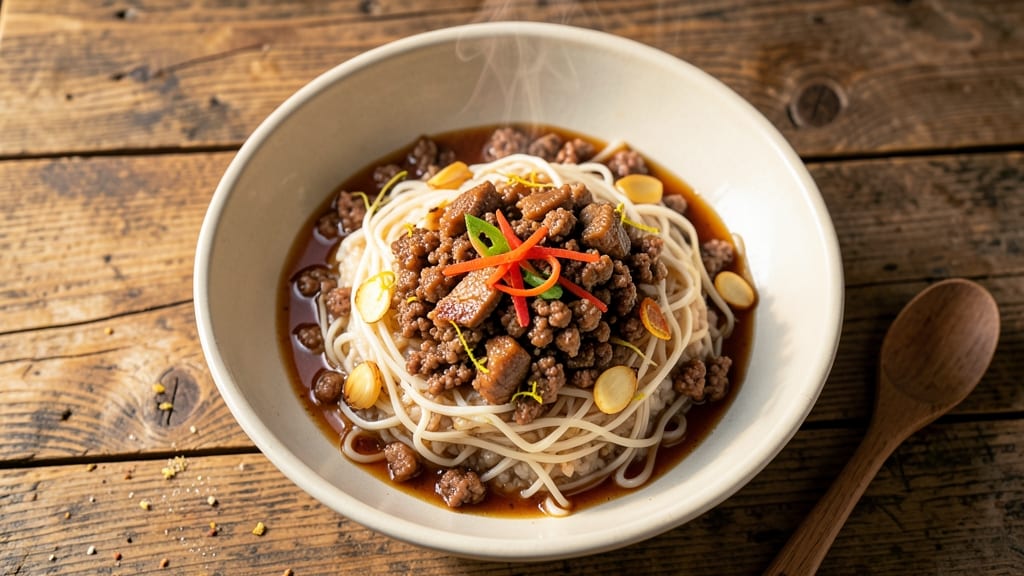
This minced pork porridge recipe delivers the perfect balance of silky rice noodles and tender pork bits—comfort food at its finest. 🔥 After perfecting this dish through years of Southern cooking, I’ve refined the technique to ensure every spoonful is rich, aromatic, and deeply satisfying.
The secret lies in slow-cooking the pork until it’s fall-apart tender while blending the noodles into a velvety texture that clings to every bite.
The foundation starts with finely minced pork, simmered until it releases its natural juices and absorbs the savory broth. Traditional recipes rely on a simple stock base, but I’ve adapted it with a touch of soy sauce and ginger for depth—no shortcuts here.
The noodles cook low and slow, absorbing the pork’s flavors until the porridge reaches that ideal, spoonable consistency. This isn’t just a dish; it’s a technique that transforms humble ingredients into something extraordinary.
What you’ll end up with is a bowl of silky rice noodles swirled with savory pork bits, each bite carrying layers of umami and warmth. The result is a dish that’s both comforting and restaurant-quality, perfect for a cozy dinner or a hearty lunch.
Top it with fresh green onions, a drizzle of chili oil, or crispy fried shallots for extra texture and flavor.
This recipe works equally well as a standalone meal or paired with steamed dumplings and pickled vegetables for a full spread. The beauty of porridge lies in its versatility—adjust the broth to your taste, add herbs for freshness, or keep it classic. Let’s get cooking!
Ingredients for minced pork porridge
Silky noodles, savory pork, and aromatic broth create this comforting porridge masterpiece.
| Ingredient | Amount | Notes |
|---|---|---|
| Ground Pork 🥓 | 1 ½ lb | Finely minced for even texture |
| Rice Noodles 🍜 | 8 oz | Fine or medium width preferred |
| Chicken Broth 💧 | 4 cups | Homemade or quality low-sodium |
| Soy Sauce 🍶 | ¼ cup | Light or dark variety |
| Fresh Ginger 🧄 | 2 tbsp | Finely grated, aromatic |
| Garlic Cloves 🧄 | 4 cloves | Minced for deep flavor |
| Sesame Oil 🫒 | 1 tbsp | Toasted for nutty aroma |
| Green Onions 🧅 | ¼ cup | Sliced, for garnish |
| Chili Oil 🌶️ | 1 tbsp | Optional, for heat |
| Salt 🧂 | 1 tsp | Adjust to taste |
| White Pepper 🌶️ | ½ tsp | Freshly ground preferred |
| Vegetable Oil 🫒 | 1 tbsp | For cooking pork |
| Cornstarch 🌾 | 1 tbsp | For thickening broth |
The pork is everything here. Finely minced pork (not ground) gives that authentic texture—look for fresh cuts at your local butcher or the meat department, not pre-ground from a package. If you can't find minced pork, finely chop chilled pork shoulder with kitchen shears for a similar effect. The broth matters too—homemade chicken broth adds depth, but low-sodium store-bought works in a pinch. For extra richness, I sometimes add a splash of oyster sauce (about 1 tbsp), but it's optional. Fresh ginger and garlic should be bright and aromatic—if they smell dull, they're past their prime.
No soy sauce? Coconut aminos or tamari work in a pinch, though the flavor will differ slightly. Skip the sesame oil? A pinch of toasted sesame seeds adds similar texture. For the noodles, rice vermicelli or shirataki noodles can substitute if you're avoiding gluten, though the texture will vary. The cornstarch is key for that silky consistency—don't skip it. If you're making this ahead, cook the pork fully first, then reheat gently with fresh broth and noodles. The chili oil can be swapped for sriracha or gochujang if you prefer a different heat profile.
This porridge reheats beautifully—just add a splash of broth and warm through. Keeps for 3-4 days in the fridge, though the texture gets slightly firmer. For longer storage, freeze the cooked pork mixture separately from the broth, then reheat with fresh noodles. Garnishes like fried shallots or crispy wonton strips add crunch—store these separately and add just before serving. The dish tastes even better the next day as flavors meld, so make extra if you can. Leftovers reheat best with a splash of water to loosen the texture.
Why You'll Love This Recipe
- One-Pot Magic: I swear by this recipe—just toss everything into one pot, stir, and let the broth and ginger work their savory alchemy. No chopping, no fuss, and honestly? That’s my kind of cooking when I’m wiped after work.
- Umami Bomb: The ground pork sizzles until it’s just crispy enough at the edges, then melts into the broth with that deep, salty-sweet soy kick. Fresh ginger? It’s the secret weapon—bright, zesty, and cuts through the richness like a breath of fresh air.
- Leftover Hero: This porridge actually tastes better the next day. Reheat it with a splash of water, and suddenly it’s even more tender and flavorful. I’ve fed a houseful of hungry teens with just one big pot—no takeout needed.
- Budget Comfort Food: Ground pork stretches far, rice noodles are dirt cheap, and a little ginger goes a long way. It’s the kind of meal that makes me feel like I’m treating myself without breaking the bank. Plus, it’s ready in under 40 minutes—no waiting for fancy ingredients.
Step-by-step instructions for silky rice noodle porridge
Here's how to craft velvety rice noodles with perfectly seasoned pork—every bite delivers rich texture and balanced flavor.
🍳 Step 1: Cook the Ground Pork Until Fully Browned
Heat the 1 tablespoon vegetable oil in a large wok or deep skillet over medium-high heat until shimmering. Add the 1.5 lb ground pork and break it apart with a wooden spoon or spatula, cooking for 4-5 minutes until the meat loses its raw color and begins to brown.
This initial cooking step transforms the pork into flavorful, bite-sized pieces. Watch for the pork to release its juices and develop a light crust—this ensures maximum flavor extraction. If the pork starts sticking, reduce heat slightly but don't add water; you want those browned bits (fond) to develop for deep umami flavor.
👨🍳 Step 2: Build the Aromatic Base with Ginger and Garlic
Add the 2 tbsp finely grated fresh ginger and 4 minced garlic cloves to the pork, stirring constantly for 30 seconds until fragrant. The aroma should fill your kitchen—this is your signal the ginger and garlic are ready to release their full flavor potential.
Next, pour in the 0.25 cup soy sauce and 1 tsp salt, mixing well to coat the pork. Let the mixture cook for another 2 minutes until the soy sauce reduces slightly and clings to the pork. This step develops the savory foundation of your dish. Don't rush this—properly seasoned pork is the heart of this porridge.
🥘 Step 3: Prepare the Rice Noodles and Thicken the Broth
In a separate bowl, soak the 8 oz rice noodles in hot water for 10-15 minutes until pliable but still slightly firm. Drain and set aside. Meanwhile, in the same wok, pour in the 4 cups chicken broth and bring to a gentle simmer.
In a small bowl, whisk together the 1 tbsp cornstarch with 2 tablespoons of the hot broth until smooth. Slowly pour this mixture back into the simmering broth while stirring constantly. The broth should thicken to a silky consistency within 2-3 minutes—this creates the perfect velvety texture for your porridge.
🍳 Step 4: Combine Pork and Noodles for Perfect Texture
Add the drained rice noodles to the pork mixture and stir gently to combine. Cook for 3-4 minutes on low heat, just until the noodles soften and absorb the flavorful broth. The noodles should be tender but still hold their shape—overcooking will turn them mushy.
Here's the thing—rice noodles cook quickly once they hit the hot broth. Taste a strand after 2 minutes to check for doneness. If they're still firm, give them another minute. The goal is al dente noodles that soften further when served with the hot broth.
🔪 Step 5: Finish with Aromatics and Garnish
Remove the wok from heat and stir in the 1 tbsp toasted sesame oil, 0.5 tsp white pepper, and 1 tbsp chili oil (if using). The sesame oil adds nutty depth while the chili oil introduces subtle heat. Taste and adjust seasoning with additional soy sauce or salt if needed.
Divide the porridge among serving bowls and garnish each portion with 0.25 cup sliced green onions. The green onions provide fresh contrast to the rich pork and noodles. Serve immediately while hot—this dish is best enjoyed straight from the wok when the noodles are at their peak silky texture.
Pro Tips For Making Minced Pork Porridge
- CRISP THE PORK FIRST: I learned this the hard way—cooking minced pork straight in broth makes it greasy and bland. Sear it in a dry pan over high heat until the edges turn golden before adding broth. The crust locks in flavor and keeps the noodles from turning soggy.
- SLICE GINGER THIN: Fresh ginger is non-negotiable here, but don’t just grate it—slice it paper-thin. It infuses the broth faster and dissolves evenly, giving that bright, aromatic kick without bitterness. (Yes, even if you’re impatient like me.)
- DON’T BOIL THE NOODLES: This isn’t a stir-fry; the noodles should be tender, not mushy. Once they’re added to the broth, stir and let them soak for 3-4 minutes—just until they’re pliable but still hold shape. Overcooking turns them into glue.
- SALT THE BROTH LATE: Add soy sauce early, but hold off on extra salt until the very end. The ginger and pork release flavors as they cook, so you’ll need less than you think. Taste the broth right before serving—adjust then, not before. (Your future self will thank you.)
Creative variations of this minced pork porridge
Southern-Style Fusion
For a true taste of the South, swap the rice noodles for thick-cut grits (about 1 cup dry) cooked in the pork broth until creamy. Add ½ cup sharp cheddar cheese and 2 tbsp hot sauce at the end for a Carolina-inspired twist.
I first tried this version at a roadside diner in Savannah—it became an instant favorite. The grits absorb the pork's juices beautifully, creating a hearty, cheesy porridge that's perfect with collard greens on the side. 🌶️
Spicy Thai-Inspired
Transform this into a Thai-inspired dish by adding 1 tbsp fish sauce (like Red Boat) and 1 tsp palm sugar to the broth. Stir in 1 stalk lemongrass, bruised and cut into 2-inch pieces, along with 3 kaffir lime leaves during the pork cooking stage.
Finish with ½ cup Thai basil and a squeeze of lime. This version reminds me of the vibrant street food stalls in Bangkok—bright, aromatic, and packed with layers of flavor. 🌿
Vegetarian Adaptation
Skip the pork entirely and use 1 lb shiitake mushrooms, finely minced, as the protein base. Sauté them with the ginger and garlic until deeply browned, then proceed with the recipe as written. For extra umami, add 1 tbsp mushroom powder to the broth.
I developed this version after a friend requested a meat-free option—it surprised everyone with how rich and satisfying it was. Garnish with crispy fried tofu bits for added texture. 🌱
Breakfast Porridge
Make this a morning staple by adding 2 eggs, lightly beaten, to the finished porridge. Stir gently until the eggs create soft, silky ribbons throughout. Top with crispy fried shallots, sliced scallions, and a sprinkle of furikake (Japanese seasoning).
This version is inspired by my early mornings at The Smoky Pig, where we'd serve similar dishes to early-rising customers. The eggs add incredible richness that balances the savory noodles perfectly. ☀️
Herb-Infused Variation
For a fresh, herbaceous twist, stir in ¼ cup chopped cilantro and 2 tbsp chopped mint during the final minute of cooking. Add a splash of lime juice (about 1 tbsp) and finish with toasted coconut flakes for texture.
This variation works beautifully with grilled shrimp on the side—it's a perfect summer dish that reminds me of coastal Vietnamese cuisine. The herbs keep the porridge light while adding vibrant color and brightness. 🌿
Slow-Cooker Adaptation
For hands-off cooking, combine all ingredients (except garnishes) in a 6-quart slow cooker on low for 4-5 hours. Stir in the rice noodles during the last 30 minutes of cooking. This method works especially well for large gatherings—just double the ingredients.
The slow cooking deepens the flavors even more, creating a truly comforting dish that's perfect for cold evenings. I often make this version for my farm crew after a long day in the fields. ⏰
Nutrition facts
Frequently asked questions
Can I substitute ground pork with another meat?
For a similar texture, try finely minced chicken thigh or beef chuck. If using chicken, reduce cooking time to 3-4 minutes to prevent drying. For a seafood twist, use finely chopped shrimp or clams—just cook them for 2-3 minutes until just opaque. The key is keeping the protein finely chopped and cooking it until fully done before adding to the broth.
Why does my porridge turn out too thick or too thin?
The cornstarch slurry is your secret weapon for perfect consistency. If too thick, stir in 2-3 tbsp hot broth while cooking. Too thin? Mix 1 tsp cornstarch with 1 tbsp cold water, stir into the porridge, and simmer for 1 minute. The ideal texture should coat the back of a spoon but still be spoonable. Remember, rice noodles absorb liquid as they cook—start with slightly less broth if your noodles are extra thirsty.
How do I make this ahead of time?
Cook the pork mixture completely and store it in the fridge for up to 3 days. When ready to serve, reheat the pork with fresh broth, then add the noodles and cook for just 2-3 minutes to soften them. For freezing, store the cooked pork separately from the broth—thaw overnight in the fridge, then combine with fresh noodles. The texture won't be identical to freshly made, but it's still delicious. Garnishes like green onions should always be added fresh.
What's the best way to reheat leftovers?
Never microwave this porridge directly—it creates a gummy texture. Instead, transfer to a small pot with 2 tbsp broth and warm over low heat, stirring constantly for 3-4 minutes until heated through. For extra richness, stir in a splash of sesame oil at the end. If the porridge seems dry, add more broth gradually until it reaches that silky consistency again. The reheated version often tastes even better as flavors meld further.
Can I make this gluten-free?
Yes! Skip the soy sauce and use coconut aminos or tamari (check for gluten-free certification). For the noodles, use rice vermicelli or shirataki noodles. If you're avoiding all gluten, also check your broth for wheat additives. The flavor will be slightly different but still delicious. For extra umami in the gluten-free version, add 1 tbsp nutritional yeast to the broth while cooking.