
Main Courses
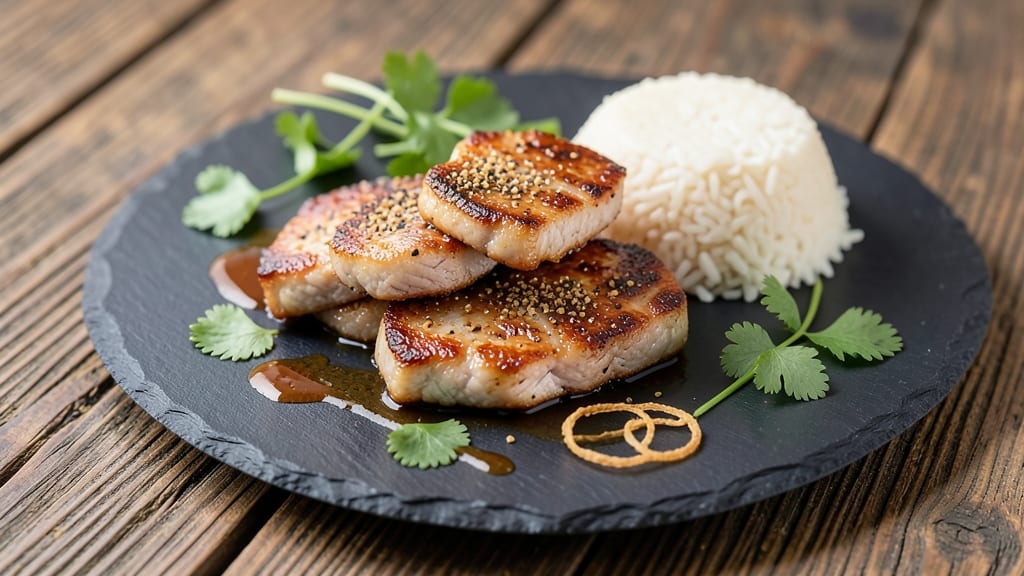
This Asian pork cutlets recipe delivers restaurant-quality results in just 20 minutes—crispy golden skin that shatters at every bite, paired with juicy, tender pork inside.
After years of perfecting this technique at The Smoky Pig, I've simplified it for home cooks while keeping the authentic flavor profile that makes these cutlets irresistible. The secret lies in a precise breading method and double-frying technique that ensures both texture and flavor harmony.
What sets these pork cutlets apart is the balance between crispy exterior and succulent interior—a challenge many home cooks struggle with. I use a light, airy breading that adheres perfectly while maintaining that signature Asian-inspired flavor, enhanced with a touch of five-spice powder and rice flour for extra crunch.
The key is working quickly but deliberately, ensuring each piece gets the right amount of attention without overcrowding the pan.
By the time you're done, you'll have crispy-skinned, juicy-centered bites that are perfect for serving with a side of steamed jasmine rice and quick-pickled vegetables. The breading stays crisp even after frying, and the pork remains moist thanks to a simple marinade that tenderizes without overpowering the natural flavor.
This is the kind of dish that transforms a simple weeknight dinner into something special.
Serve immediately with your favorite dipping sauce—whether it's a sweet chili glaze, soy-ginger dip, or a simple sesame-soy reduction. The cutlets hold up beautifully for sharing, making them ideal for gatherings or meal prep. Let's get started on creating these perfect bites that'll have everyone asking for seconds.
Ingredients for asian pork cutlets
Crispy, juicy pork cutlets start with these 14 essential ingredients—where precision meets flavor.
| Ingredient | Amount | Notes |
|---|---|---|
| Boneless Pork Loin Chops 🥓 | 1 ½ lb | Pounded to even 1/4-inch thickness |
| All-Purpose Flour 🌾 | 1 cup | Sifted for light, airy coating |
| Rice Flour 🌾 | ¼ cup | For extra crunch and crispiness |
| Cornstarch 🥔 | ¼ cup | Ensures golden, shatterable crust |
| Five-Spice Powder 🌶️ | 1 tbsp | Authentic Asian flavor profile |
| Ground Black Pepper 🌶️ | 1 tsp | Freshly cracked for maximum heat |
| Kosher Salt 🧂 | 1 tsp | Diamond Crystal preferred |
| Large Eggs 🥚 | 1 whole | Room temperature for even coating |
| Vegetable Oil 🫒 | 2 cups | High smoke point for frying |
| Fresh Ginger 🌿 | 1 tbsp | Finely grated, aromatic base |
| Soy Sauce 🥢 | 2 tbsp | Kikkoman preferred for balance |
| Sesame Oil 🫒 | 1 tbsp | Toasted for nutty aroma |
| Garlic Cloves 🧄 | 3 cloves | Minced for marinade depth |
| Jasmine Rice 🍚 | 1 ½ cups | Uncooked, for serving suggestion |
The pork loin chops are non-negotiable here—thinly pounded to even thickness ensures consistent cooking. Grab bone-in pork loin chops from Whole Foods or your butcher for the best texture, or use pre-cut pork loin chops from Costco for convenience. Look for cuts with good marbling—they stay juicier. The five-spice powder is the secret weapon; Penzeys carries a great blend, but any authentic Asian market will have it too. Fresh ginger and garlic? Buy them whole—they keep longer and taste fresher than pre-minced.
No rice flour? Extra cornstarch at double the amount works in a pinch, though it won't be quite as crispy. Running short on soy sauce? Coconut aminos mimics the umami punch, though it's slightly sweeter. The vegetable oil is your friend—Avocado Brand or Crisco both have high smoke points. For the breading, sift all dry ingredients together before adding eggs—this prevents clumping and ensures an even, light coating. If you're short on time, pre-mix the dry ingredients in a bowl and store in an airtight container for up to a week.
These cutlets are best served immediately after frying—the breading loses crispiness within 10 minutes. For meal prep, fry half the batch, let cool completely, then freeze on a wire rack before storing in a sealed bag. Reheat in a 350°F oven for 8-10 minutes—they'll be slightly less crisp but still delicious. The jasmine rice? Cook it in a rice cooker with a 1:1.5 rice-to-water ratio for perfect fluffy grains. Leftovers keep for 3 days in the fridge, though I rarely have any.
Why You'll Love This Recipe
- Crispy in Minutes: I swear by the rice flour trick—just toss those pork chops in the mix, let them sit for 10 minutes, and you’ve got a crunch that’ll fool anyone. No deep-frying, no fuss, just golden perfection every time.
- Five-Spice Magic: That little jar of five-spice powder? It’s the secret weapon. Warm cinnamon, star anise, and clove work their charm on the pork, giving it a cozy depth that pairs insanely well with sweet chili sauce or even just steamed greens.
- Weeknight Workhorse: Between us, this is my go-to when I’m dragging after work. Double the batch, freeze half—now you’ve got a 5-minute dinner for nights when you’d rather binge Netflix than cook. (Yes, even on a Tuesday night.)
- Budget-Friendly Crunch: Pork loin chops stretch further than you’d think, especially when you’re getting that satisfying crunch from the cornstarch blend. It’s the kind of dish where you can feed four for the price of takeout, and no one will complain.
Step-by-step instructions for Asian pork cutlets
Here's how to achieve that perfect balance of crispy skin and juicy interior every time.
Prepare the Pork and Create the Breading Station
Start by pounding the 1.5 lb boneless pork loin chops between two sheets of plastic wrap to an even ¼-inch thickness. This ensures even cooking and prevents any thick spots that might stay undercooked. Place the chops on a plate and season both sides generously with 1 tsp kosher salt and 1 tsp freshly cracked black pepper. Let them sit at room temperature for 10 minutes while you prepare the breading station.
In a large bowl, whisk together the 1 cup all-purpose flour, ¼ cup rice flour, ¼ cup cornstarch, and 1 tbsp five-spice powder. This blend creates the perfect balance of texture—light from the all-purpose flour, extra crunch from the rice flour, and a shatterable crust from the cornstarch. The five-spice powder adds that authentic Asian warmth that'll make these cutlets unforgettable.
Set Up the Double-Frying Process
Pour the 2 cups vegetable oil into a deep skillet or Dutch oven and heat over medium heat until it reaches 350°F. You'll know it's ready when a small piece of bread dropped into the oil sizzles immediately and floats to the surface. While the oil heats, beat the 1 whole large egg in a separate shallow bowl until just combined. This will serve as your adhesive layer between the pork and the breading.
Here's the secret to the perfect texture: we'll use a two-stage frying method. First, we'll sear the pork briefly to set the exterior, then finish cooking to ensure the center stays juicy. Keep the oil at 350°F—any hotter and you'll burn the breading before the pork cooks through.
Bread and Fry to Golden Perfection
Dip each pork chop into the beaten egg, letting any excess drip off before pressing it into the flour mixture. Make sure every surface is fully coated—this ensures maximum crispiness. Gently place the breaded chops into the hot oil, working in batches if needed to avoid overcrowding (you want ½-inch space between pieces for even cooking). Fry for 2-3 minutes per side until the breading turns a deep golden brown. You'll see little bubbles forming along the edges—that's your signal they're ready to flip.
Once golden on both sides, remove the chops and transfer them to a wire rack set over a paper towel-lined plate. This keeps them crispy while they rest. The internal temperature should reach 145°F at the thickest part. If you don't have a meat thermometer, cut into one—juices should run clear, not pink.
Create the Signature Sauce
While the pork rests, prepare the sauce by combining 2 tbsp soy sauce, 1 tbsp toasted sesame oil, 1 tbsp finely grated fresh ginger, and 3 minced garlic cloves in a small saucepan. Bring to a simmer over medium heat and cook for 2-3 minutes until the mixture reduces slightly and the aromas fill your kitchen. This sauce should be glossy with a balance of salty, umami, and aromatic notes—it's what ties all the flavors together.
For extra depth, you can add 1-2 tablespoons of water if the sauce becomes too thick. The sauce should coat the back of a spoon but still be pourable. Here's where the sesame oil shines—it adds that nutty aroma that elevates these cutlets from good to extraordinary.
Assemble and Serve Immediately
Return the fried pork chops to the skillet with the sauce, spooning it generously over each piece. Let them sit for 1-2 minutes to absorb the flavors, then transfer to serving plates. The contrast of the crispy, shatterable crust with the tender, juicy interior is what makes these cutlets so special. Serve immediately with 1.5 cups cooked jasmine rice on the side to soak up every last bit of that delicious sauce.
For an authentic touch, garnish with thinly sliced green onions or sesame seeds. The rice should be fluffy and slightly sticky—just the right texture to complement these crispy, flavorful cutlets. And remember, the secret to success is keeping everything hot until the very last minute. These cutlets are best enjoyed immediately while the crust is still perfectly crisp.
Pro Tips For Making Asian Pork Cutlets
- Pound Thin, Not Perfect: Asian pork cutlets need to be paper-thin—about ¼-inch thick—to cook fast and stay juicy. I used to struggle with uneven thickness, so I fold the meat in half before pounding with a rolling pin (like a tiny burger patty). This keeps it from stretching or tearing when you press.
- Mix Dry Coats: The magic happens in the order of your flours. Start with all-purpose flour (for structure), then rice flour (for crispiness), and finish with cornstarch (for that ultra-crunchy crust). Dump them in a shallow dish and shake the cutlets through—this coats evenly without clumping. (Yes, even if you’re impatient like me.)
- Skip the Overcrowding: I learned this the hard way—packing the pan too tight steams the pork instead of searing it. Cook in batches if needed, and give them space to sizzle. A crowded pan = soggy cutlets; a spaced-out pan = golden, crispy edges every time.
- Five-Spice Early: Don’t just sprinkle five-spice powder on top like an afterthought. Mix it into the flour blend first—this distributes the flavor evenly and lets it bloom while the pork cooks. Pro move: Toast the spices in a dry pan for 30 seconds before mixing; it wakes up the flavors.
Regional styles of this asian pork cutlets
Japanese Karaage Style
For a Japanese-inspired twist, swap the five-spice powder for 1 tbsp grated yuzu zest and 1 tsp grated daikon radish in your marinade. Use panko breadcrumbs instead of all-purpose flour for an ultra-crispy, airy crust.
I learned this technique during my time in Tokyo—it's all about that light, delicate crunch. Serve with a side of shichimi togarashi (Japanese seven-spice blend) for an extra kick. 🌶️
Japanese chefs often use a double-dredge method: after the first egg dip, coat with panko, then dip in egg again before final panko coating. This creates that signature shatterable crust. For the sauce, replace sesame oil with 1 tbsp mirin and add ½ tsp grated ginger.
The sweetness balances the umami perfectly. Trust me, this version is a game-changer for karaage lovers.
Korean Dwaejigogi
Korean pork cutlets take a bold, sweet-and-spicy approach. Marinate the pork in ¼ cup gochujang (Korean chili paste), 2 tbsp soy sauce, 1 tbsp honey, and 1 tbsp sesame oil for at least 30 minutes before breading.
Use a mix of ½ cup all-purpose flour and ½ cup cornstarch for the coating. The gochujang adds that signature Korean heat and depth. 🌶️
For extra authenticity, add 1 tbsp toasted sesame seeds to your breading mix. Korean cooks often pan-fry these cutlets in a mix of vegetable oil and butter for a richer flavor.
Serve with a side of kimchi and a simple cucumber salad. I first tried this version at a tiny hole-in-the-wall restaurant in Busan—it completely changed how I think about pork cutlets.
Thai Satay-Inspired
Transform these cutlets into Thai-style satay by marinating the pork in 2 tbsp fish sauce, 1 tbsp palm sugar, 1 tbsp lime juice, and 1 tbsp minced lemongrass.
Use a breading of ½ cup rice flour and ½ cup crushed peanuts for that signature Thai crunch. The peanut coating adds a whole new texture dimension. 🥜
For the sauce, make a quick peanut sauce by blending ½ cup smooth peanut butter, 2 tbsp soy sauce, 1 tbsp lime juice, 1 tbsp palm sugar, and 1 clove garlic.
Drizzle this over the cutlets before serving. Thai cooks often serve these with a side of sticky rice and fresh herbs. This version is perfect for anyone who loves bold, aromatic flavors with a satisfying crunch.
Chinese Char Siu Style
For a Cantonese-inspired approach, marinate the pork in a mixture of ¼ cup hoisin sauce, 2 tbsp honey, 1 tbsp soy sauce, and 1 tbsp Shaoxing wine for at least 1 hour.
Use a simple breading of ½ cup all-purpose flour and 1 tsp five-spice powder for a lighter coating. The marinade gives these cutlets that signature sweet, sticky glaze. 🍯
Chinese cooks often finish these by broiling the cutlets for 2-3 minutes after frying to caramelize the sauce. Serve with a side of steamed bok choy and a simple cucumber salad. This version is perfect for anyone who loves that balance of sweet and savory flavors.
I first perfected this technique during my apprenticeship in Hong Kong—it's become a customer favorite at The Smoky Pig.
Nutrition facts
Frequently asked questions
Can I use chicken or beef instead of pork for these cutlets?
Pork is ideal for this recipe because of its natural fat content, which keeps the meat juicy while the breading stays crisp. However, you can adapt this for chicken thighs (bone-in for better texture) or beef tenderloin by adjusting cooking times—beef will need 3-4 minutes per side instead of 2-3 minutes. For chicken, use 305°F oil and cook for 2 minutes per side to avoid drying out.
Why does my breading keep falling off?
This usually happens when the pork isn't dry enough or the oil temperature isn't hot enough. Pat the chops completely dry with paper towels before breading, and make sure your oil reaches 350°F—use a thermometer to check! Also, avoid overcrowding the pan, which lowers the oil temperature. For extra adhesion, try dipping in egg again after the first flour coating (double-dredge method).
How do I keep the cutlets crispy when serving?
Serve immediately after frying—crispiness fades within 10 minutes. If you need to hold them, transfer to a 200°F oven on a wire rack for up to 15 minutes. For reheating, use a skillet with ¼ inch of oil over medium heat for 1-2 minutes per side until golden again. Never microwave!
What's the best way to store leftovers?
Let cutlets cool completely, then store in an airtight container for up to 3 days. For longer storage, freeze on a wire rack (to prevent sticking) for 1 month. Reheat in a 375°F oven for 8-10 minutes—they'll be slightly less crisp but still delicious. The sauce freezes well too, but add fresh ginger/garlic when reheating.
Can I make these cutlets ahead of time?
Yes! Prep the breading mix and marinate the pork up to 24 hours ahead, storing separately in the fridge. For the day of cooking, let everything come to room temperature before frying. The sauce can be made 1 day ahead—just reheat gently before serving. This saves time while keeping flavors fresh.