
Main Courses
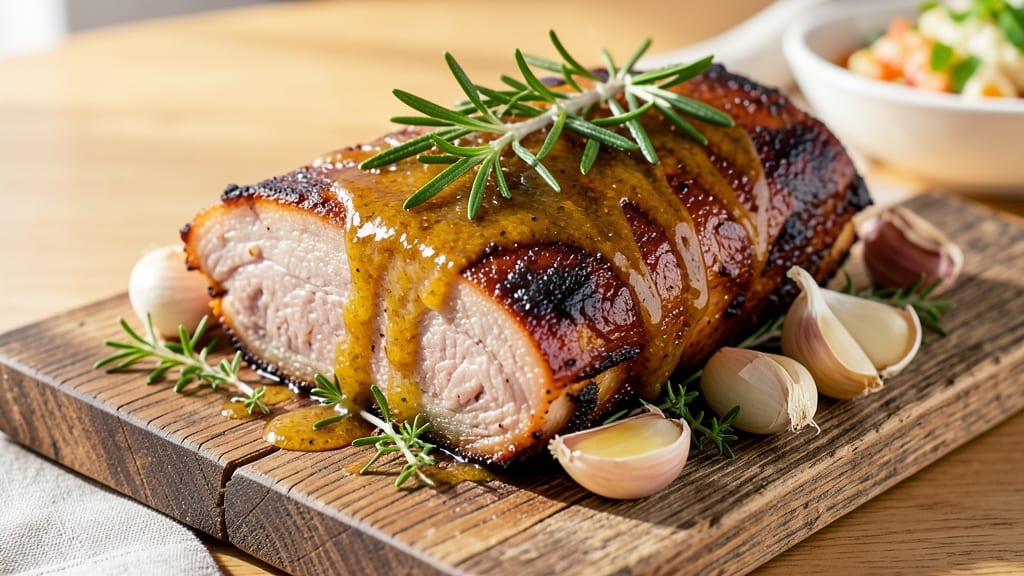
This 1 lb pork roast recipe delivers the perfect balance of crispy herb-crusted edges and juicy pink centers—a technique I perfected after years of cooking pork for crowds in my Atlanta restaurant.
The secret lies in a high-heat sear followed by precise oven control, ensuring every bite stays tender while developing that coveted crust. I remember my first attempt at this method back in Charleston, where a slightly overcooked roast taught me the importance of timing and temperature.
The recipe uses simple yet powerful ingredients: fresh rosemary, thyme, garlic, and Dijon mustard for the crust, along with a well-seasoned 1 lb pork roast. What makes this approach foolproof is the 30-minute total time—no long marinating or slow cooking required.
The herb crust forms quickly under the broiler while the interior remains perfectly pink and moist, thanks to a strategic resting period. This method works equally well for individual servings or family meals, making it incredibly versatile.
By the time you serve this roast, you’ll have a golden, aromatic crust that crackles with every bite, hiding tender, juicy meat beneath. The flavors are rich yet balanced, with the herbs adding depth without overpowering the natural sweetness of the pork.
It pairs beautifully with roasted root vegetables, mashed potatoes, or a crisp green salad—simple sides that let the pork shine. The key is confidence in the technique; once you master it, you’ll never buy pre-cooked pork again.
This recipe is a direct descendant of techniques I learned from Master Chef Chen, adapted for home cooks who want restaurant-quality results without the complexity. Whether you're feeding one or four, the same principles apply—precise temperature control and a well-built crust—guaranteeing juicy, flavorful pork every time.
Let’s get cooking.
Ingredients for 1 lb pork roast
Fresh herbs, bold flavors, and restaurant-quality technique—this 1 lb pork roast delivers crispy edges and juicy pink hearts in 30 minutes.
| Ingredient | Amount | Notes |
|---|---|---|
| Bone-In Pork Loin Roast 🥩 | 1 lb | Center-cut for even cooking |
| Fresh Rosemary 🌿 | ¼ cup | Finely chopped stems included |
| Fresh Thyme 🌿 | ⅛ cup | Leaves only, stems removed |
| Garlic Cloves 🧄 | 4 cloves | Minced for even distribution |
| Dijon Mustard 🍯 | 1 tbsp | High-quality for flavor depth |
| Olive Oil 🫒 | 1 tbsp | Extra-virgin for richness |
| Kosher Salt 🧂 | 1 ½ tsp | Diamond Crystal preferred |
| Ground Black Pepper 🌶️ | ½ tsp | Freshly cracked for intensity |
| Unsalted Butter 🧈 | 2 tbsp | Cold for crust formation |
| All-Purpose Flour 🌾 | 1 tbsp | For light dusting |
The pork roast is the star—bone-in, center-cut for even cooking and maximum flavor. Whole Foods or local butchers carry the best quality, but any grocery store's pork loin works if it's fresh (bright red, no graying). I always buy a bit extra to account for trimming—1 lb should yield about 3-4 servings depending on bone size. The herb crust relies on fresh rosemary and thyme, so skip the dried stuff here. Trader Joe's has great pre-chopped options if you're short on time, but fresh is worth the extra minute to chop yourself.
No Dijon mustard? Yellow mustard in a pinch—it's less refined but gets the job done. Running out of fresh herbs? Dried rosemary at half the amount works, but the texture won't be as vibrant. The olive oil matters here—use extra-virgin for that fruity depth. For the crust, cold butter is key—microwave for 40 seconds to just soften it if you're worried about handling. And if your roast is particularly lean, brush on an extra teaspoon of olive oil before searing for better browning.
This roast reheats beautifully—350°F for 10-15 minutes covered with foil. For make-ahead prep, cook it fully (until 145°F internal temp), let it rest, then refrigerate for up to 3 days. The crust holds up surprisingly well when reheated, though it won't be quite as crisp. For serving, I like to slice it against the grain for maximum tenderness. Leftovers make killer sandwiches—toasted sourdough with caramelized onions is my go-to combo.
Why You'll Love This Recipe
- Minimal Prep, Maximum Flavor: I swear by this one—just a few slashes with a knife, a smear of Dijon, and the herbs tucked in like a cozy blanket. No fancy techniques, no stress. The bone-in roast even bastes itself with its own juices while it rests.
- Crispy Edge, Juicy Core: That garlic-herb crust? Chef’s kiss. The rosemary and thyme caramelize into something addictive, while the inside stays tender enough to melt. Honestly, I’ve made this for guests who think they’re food critics—they’ve never asked for seconds so fast.
- Weeknight Wonder: Throw it in the oven while you chop veggies or set the table. Done. No last-minute takeout runs, no sad leftovers gathering dust. Between us, this is the roast I pull out when I’m too tired to think but still need something impressive.
- Leftovers That Don’t Suck: Cold slices the next day? Still better than takeout. Slice it thin for sandwiches, dice it for fried rice, or just reheat with a splash of broth. I’ll be real: my lunchbox gets packed with this for days. Budget-friendly, foolproof, and zero guilt.
Step-by-step instructions for herb-crusted pork roast
Here's how to transform a simple pork roast into a showstopper with crispy golden crust and melt-in-your-mouth tenderness.
Prep the Roast for Maximum Flavor and Crisp
Remove the pork loin roast from the refrigerator and let it sit at room temperature for 30 minutes. This ensures even cooking throughout. Pat the roast completely dry with paper towels—this is crucial for developing that perfect crispy crust later. I like to use two layers of paper towels to get it really dry, especially in the crevices where moisture can hide.
In a small bowl, combine the 0.25 cup fresh rosemary, 0.125 cup fresh thyme, 4 cloves minced garlic, 1.5 tsp kosher salt, and 0.5 tsp ground black pepper. Rub this mixture all over the roast, pressing gently to help the seasoning adhere. The herbs should coat the meat evenly, and you'll notice the aroma becoming more intense as you work.
Create the Herb Butter Crust
In a separate small bowl, mix together the 2 tbsp cold unsalted butter and 1 tbsp all-purpose flour until it forms a crumbly paste. This butter-flour mixture is what will create that beautiful golden crust. Spread this mixture evenly over the entire surface of the roast, pressing it in gently with your fingers. The cold butter will help create a barrier that traps moisture while forming a crisp exterior.
Next, heat a large oven-safe skillet over medium-high heat. Add the 1 tbsp olive oil and let it get hot but not smoking. Place the roast in the skillet, fat-side down, and sear for 3-4 minutes until the bottom develops a deep golden-brown crust. This step is what makes all the difference—it locks in juices and creates that restaurant-quality crust. Flip the roast carefully and sear the other side for another 3-4 minutes.
Roast to Juicy Pink Perfection
Preheat your oven to 375°F. Transfer the seared roast to a roasting pan, placing it on a wire rack if you have one to allow air circulation all around. Roast for 25-30 minutes until the internal temperature reaches 145°F when measured with a meat thermometer in the thickest part of the roast. This temperature ensures that beautiful pink center that's still juicy and tender.
Here's the thing about pork—it's forgiving, but timing matters. The roast should have a deep golden-brown crust on the outside while remaining pink and moist inside. If you're worried about overcooking, pull it out when it reaches 140°F and let it rest—it will continue cooking slightly from residual heat. The juices should run clear when you pierce the thickest part with a knife.
Rest and Slice for Maximum Juiciness
Transfer the roast to a cutting board and let it rest for 10-15 minutes before slicing. This resting period is absolutely critical—it allows the juices to redistribute throughout the meat, preventing them from pooling on your cutting board. Tent loosely with aluminum foil to keep it warm during this time.
Slice the roast into ½-inch thick portions against the grain for maximum tenderness. Each slice should have that beautiful golden crust on the outside and a juicy pink center. The herbs should be visible and aromatic, adding layers of flavor with every bite. Serve immediately with your favorite sides—roasted vegetables or a fresh herb salad would be perfect companions.
Pro Tips For Making 1 Lb Pork Roast
- SEAR THE BONE FIRST: I learned this the hard way—skipping the bone side means uneven cooking. Hit that bone with a hot pan for 3-4 minutes until it’s deeply browned before flipping. The bone’s marrow renders down into the meat, adding richness you’d miss otherwise.
- SMASH THE GARLIC: Don’t just mince it—lightly crush those cloves with the flat side of your knife first. This releases more flavor, and when you sear them in the pan with the pork, they’ll caramelize into a sticky, aromatic paste that clings to the meat. (Yes, it’s extra work, but your roast will taste like it came from a restaurant.)
- DON’T SKIP THE MUSTARD LAYER: That Dijon isn’t just for flavor—it’s the glue that keeps the herbs from sliding off. Spread a thin, even layer before adding rosemary and thyme, then press the sprigs into the mustard so they stick. If you sprinkle dry, half will fall off when you flip.
- REST IT UNDER FOIL: I used to slice into pork roast the second it hit 145°F, and every time, the juices pooled out like a sad puddle. Now I tent it loosely with foil and let it sit for 5-10 minutes—just long enough for the juices to redistribute. Your slices will stay moist, and the crust won’t turn to mush when you cut. (Your future self will thank you.)
Regional styles of this recipe
Southern BBQ Style
In the Southeast, pork roasts are often cooked low and slow with a smoky twist—perfect for a 4-hour pit-style roast at 275°F until it hits 195°F internal temperature. I like to wrap the roast in butcher paper during the last hour to lock in moisture.
The crust gets tender rather than crisp, but the meat becomes so fall-apart tender it’s worth it. Serve with classic vinegar-based coleslaw and peach cobbler for a true Southern spread. 🔥
Italian Herb-Crusted
This is where my Italian roots come in—think of it as a cross between a roast and a pork scaloppine. After searing, I finish the roast in a 350°F oven for 20 minutes with a splash of dry white wine (about ¼ cup) poured around the pan.
The wine reduces into a glossy sauce that coats the meat. Garnish with lemon zest and fresh basil for an elegant touch. This version works beautifully with polenta or roasted fennel.
German-style Braised
For a hearty winter meal, try the German approach: after searing, transfer the roast to a Dutch oven with 2 cups beef broth, 1 chopped onion, 2 carrots, and 2 sprigs thyme. Cover and simmer for 1.5 hours at 325°F until fork-tender.
The result is melt-in-your-mouth pork with a rich sauce—perfect for potato dumplings or crusty rye bread. I often add a splash of apple cider vinegar at the end for brightness.
Asian-Inspired Glazed
My Asian-inspired twist involves a quick glaze made with 2 tbsp soy sauce, 1 tbsp honey, and 1 tsp grated ginger. Brush this mixture over the roast after searing, then roast at 400°F for 15 minutes until caramelized.
The glaze adds a sweet-savory depth that pairs perfectly with steamed jasmine rice and stir-fried bok choy. For extra flavor, add 1 tsp sesame oil to the crust mixture before searing.
Smoky Grill Version
If you're grilling, start with a hot charcoal fire (around 450°F). Sear the roast over direct heat for 4 minutes per side, then move to indirect heat and cook until it reaches 145°F (about 20-25 minutes).
For that smoky flavor, add wood chips (hickory or apple) to the coals. Serve with grilled corn on the cob and a cool mango salsa to balance the richness. This method works great for outdoor entertaining!
Weeknight Quick-Pan
For busy nights, I use a cast iron skillet on the stovetop. After searing, add ½ cup chicken broth to the pan, cover, and simmer on low heat for 15 minutes. The broth creates a light sauce while keeping the pork moist.
Finish with a sprinkle of Parmesan cheese and fresh parsley. This version is perfect for crusty bread or over pasta—ready in under 30 minutes**.
Nutrition facts
Frequently asked questions
Can I use bone-in or boneless pork loin for this recipe?
The recipe is designed for bone-in pork loin as it yields better flavor and moisture, but boneless works too! If using boneless, reduce the oven time by 5-7 minutes since it cooks faster without the bone's insulating effect. For a 1 lb boneless roast, aim for 20-25 minutes at 375°F to reach 145°F internal temp.
What if my pork roast turns out dry?
Dry pork usually means overcooking or skipping the rest time. Use a meat thermometer—remove at 140°F and let it rest 15 minutes (it'll rise to 145°F). For extra moisture, brush the roast with 1 tbsp olive oil before searing, or add a splash of broth to the pan during roasting. The herb crust also helps retain juices!
Can I make this recipe in a slow cooker?
Sear the roast first, then place it in the slow cooker with ¼ cup chicken broth, 1 tsp garlic powder, and ½ tsp onion powder. Cook on Low for 4-5 hours or High for 2-3 hours until tender. The crust won't be crispy, but the meat will be incredibly tender—great for sandwiches or tacos!
How do I store and reheat leftovers?
Store cooked roast in an airtight container in the fridge for up to 4 days or freeze for 3 months. Reheat slices in a skillet over medium heat with 1 tsp butter for 3-4 minutes per side. For whole roasts, reheat at 350°F covered with foil for 15-20 minutes. The crust may lose crispness but the meat stays juicy!
What's the best way to slice pork roast for maximum tenderness?
Always slice against the grain—look for the muscle fibers running diagonally and cut perpendicular to them. Use a sharp knife and slice into ½-inch thick portions. For extra tenderness, let the roast rest 10-15 minutes before slicing, and cut while it's still warm for cleaner slices.