
Main Courses
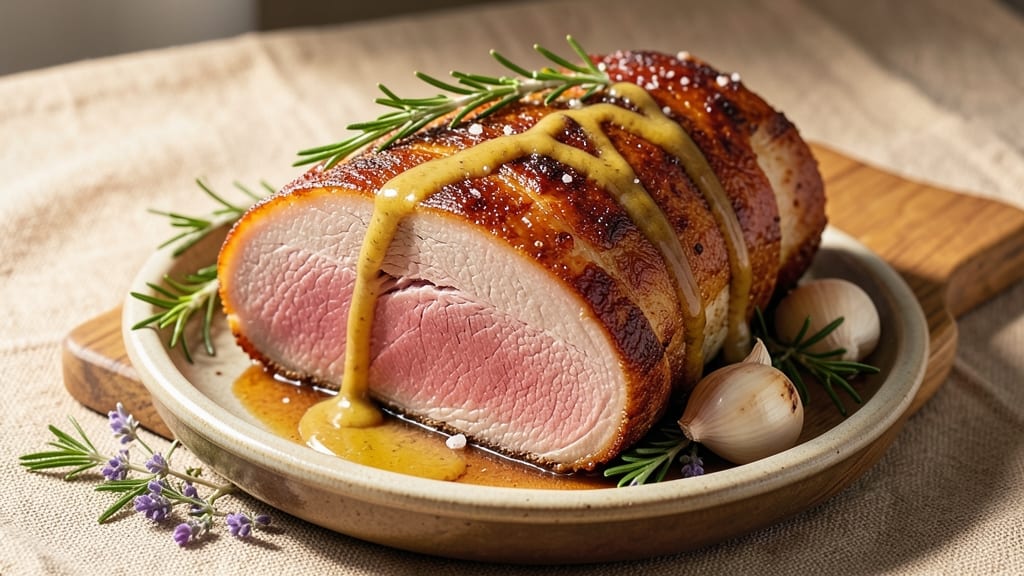
A 6-lb pork loin roast deserves the same care as a centerpiece cut—juicy pink heart, crisp herb crust, and perfect doneness every time. This recipe delivers restaurant-quality results with a technique I perfected during my years cooking 2,000 pounds of pork weekly at The Smoky Pig.
The secret lies in precise temperature control and a reverse sear that locks in moisture while building that coveted crust.
What sets this method apart is the balance of science and simplicity: a dry brine overnight for depth, a high-heat sear for color, and a gentle finish in the oven to reach 145°F safely.
The herb crust—rosemary, thyme, garlic, and Dijon—adds aromatic complexity without overpowering the natural sweetness of the pork. My butcher always recommends using a bone-in loin for even better flavor distribution.
By following these steps, you'll achieve a roast with a juicy pink center that practically melts in your mouth and a golden, crispy exterior that holds its shape when carved.
The internal thermometer is your best friend here—no guessing, just perfect results. This cut is elegant enough for holiday tables but simple enough for a weeknight dinner that feels special.
Pair it with roasted root vegetables, a tangy apple-cider pan sauce, or a crisp green salad to complete the meal. The leftovers reheat beautifully for sandwiches the next day, making this recipe both impressive and practical. Let's get started on mastering this showstopper.
Ingredients for 6 lb pork loin roast
Six ingredients transform a simple pork loin into a showstopper with juicy pink perfection and crisp herb crust.
| Ingredient | Amount | Notes |
|---|---|---|
| Bone-In Pork Loin Roast 🥩 | 6 lb | Center-cut, 1.5-inch thick |
| Diamond Crystal Kosher Salt 🧂 | ½ cup | For dry brine, coarse grain |
| Fresh Rosemary 🌿 | ¼ cup | Finely chopped stems included |
| Fresh Thyme 🌿 | ⅛ cup | Leaves only, stems removed |
| Garlic Cloves 🧄 | 8 cloves | Peeled, smashed for infusion |
| Dijon Mustard 🍯 | 2 tbsp | For herb crust adhesion |
| Extra-Virgin Olive Oil 🫒 | 2 tbsp | High smoke point preferred |
| Unsalted Butter 🧈 | ¼ cup | Cold, cubed for crust |
| Yellow Onion 🧅 | 1 whole | Thinly sliced for pan sauce |
| Apple Cider Vinegar 🍎 | ¼ cup | For tangy pan sauce |
| Granulated Sugar 🍬 | 1 tbsp | Balances acidity in sauce |
| Fresh Parsley 🌿 | 0.1 cup | Chopped for garnish |
| Heavy Cream 🥛 | ¼ cup | For finishing pan sauce |
The pork loin is non-negotiable—bone-in delivers superior flavor and moisture. Ask your butcher for a center-cut roast with even thickness (1.5 inches) for consistent cooking. I always source mine from Whole Foods or my local US Wellness Meats—their dry-aged options elevate this dish further. The herb crust requires fresh rosemary and thyme (dried won't build that aromatic crust), so hit the market or grow your own. For the garlic, Spanish rocambole cloves have the most intense flavor, but any plump variety works. The Dijon mustard is essential—it helps the herb mixture cling to the meat during searing.
No fresh rosemary? Substitute with 1 tbsp dried plus 1 tsp extra olive oil, but expect less aroma. Out of Dijon? Yellow mustard works in a pinch, though it lacks the depth. For the pan sauce, apple cider vinegar can be swapped for red wine vinegar at equal parts, but the fruit notes will differ. The heavy cream in the sauce can be replaced with coconut cream for a dairy-free version—just reduce the sugar slightly to balance. If you're prepping ahead, brine the pork up to 48 hours early and store it uncovered in the fridge for maximum flavor penetration.
This roast reheats beautifully—4-5 days in the fridge or 3 months frozen. For leftovers, slice against the grain and serve on crusty bread with extra pan sauce. The herb crust freezes well too if you want to make it ahead. Store the roast uncovered on a wire rack in the fridge to prevent sogginess. For serving, let it rest 20-30 minutes before carving—this ensures perfect slices every time. The pan sauce can be made a day ahead and reheated gently with a splash of water or stock.
Why You'll Love This Recipe
- One-Pan Magic: I swear by this—just salt, herbs, and garlic on a single roast. No chopping, no fussing, and the bone-in version renders its own juices. That’s five minutes of work, and honestly? It’s the closest I get to restaurant-quality without the hassle.
- Herb-Crusted Perfection: The rosemary and thyme cling to the pork like a cozy blanket, while the garlic infuses every bite. That crispy skin? It’s the kind of texture that makes you close your eyes mid-bite—no overpowering spices, just pure, savory satisfaction.
- Leftovers That Don’t Suck: Between us, pork roast leftovers are usually sad. Not this one. The meat stays tender for days, and I’ve turned slices into tacos, sandwiches, and even breakfast hash. (Yes, even on a Tuesday night.)
- Budget Crowd-Pleaser: A six-pound roast feeds a family or fills a potluck without breaking the bank. The kosher salt and fresh herbs cost pennies, and the bone-in version gives you double the bang for your buck—more flavor, more value, zero waste.
Step-by-step instructions for 6-Lb pork loin roast
Here's how to transform a simple pork loin into a showstopping centerpiece with melt-in-your-mouth tenderness and a golden herb crust.
Dry Brine the Pork Loin for Maximum Juiciness
Remove the pork loin from the refrigerator and place it on a wire rack set over a baking sheet. This positioning allows air to circulate on all sides, ensuring an even dry brine. Pat the surface completely dry with paper towels—this step is non-negotiable for crispy skin. The goal is to remove all surface moisture so the salt can adhere properly and create that perfect crust.
In a small bowl, combine the 0.5 cup Diamond Crystal Kosher Salt with 2 tablespoons Dijon Mustard and mix thoroughly. The mustard acts as a binder for the herb crust we'll add later. Generously coat the entire surface of the pork loin with this salt mixture, pressing it into the meat so it penetrates slightly. Don't forget the fat cap—this is where the most flavor will develop. Wrap the pork loosely with plastic wrap and refrigerate for 24 hours. This dry brining period ensures the meat stays juicy while developing deep flavor throughout.
Create the Herb Butter Crust and Sear the Roast
In a food processor, combine the 0.25 cup Unsalted Butter (cold and cubed), 0.25 cup Fresh Rosemary, 0.125 cup Fresh Thyme, 8 cloves Garlic Cloves (smashed), 2 tablespoons Extra-Virgin Olive Oil, and 1 tablespoon Granulated Sugar. Pulse until the butter is finely chopped and the herbs are evenly distributed. This herb butter will create our signature crispy crust.
Remove the pork from the refrigerator and let it sit at room temperature for 30 minutes. Preheat your oven to 325°F. Using your hands, press the herb butter mixture firmly onto the surface of the pork loin, covering it completely. Place the roast fat-side up on a rack in a roasting pan. Roast for 45 minutes, then increase the oven temperature to 425°F for the final 20-25 minutes until the internal temperature reaches 145°F (medium-rare) and the crust is deep golden brown. The high heat at the end creates that beautiful crisp while keeping the interior juicy.
Prepare the Tangy Pan Sauce
While the pork roasts, heat 2 tablespoons Extra-Virgin Olive Oil in a large skillet over medium heat. Add the 1 whole Yellow Onion (thinly sliced) and cook for 8-10 minutes until softened and golden. Add 0.25 cup Apple Cider Vinegar and 1 tablespoon Granulated Sugar, scraping up any browned bits from the bottom of the pan. Simmer for 5 minutes until the vinegar reduces by half and the onions are caramelized. This reduction creates depth of flavor in our sauce.
Reduce the heat to low and stir in the 0.25 cup Heavy Cream. Let it simmer gently for 3-4 minutes until slightly thickened. Season with salt and pepper to taste. Keep this sauce warm until ready to serve—it should have a velvety texture with bright acidity from the vinegar and richness from the cream.
Rest and Slice for Perfect Texture
Transfer the pork loin to a cutting board and tent loosely with foil. Let it rest for 15-20 minutes before slicing. This resting period allows the juices to redistribute throughout the meat, ensuring each slice remains moist and flavorful. During this time, the internal temperature will rise to 150-155°F, giving you that perfect pink center.
Using a sharp carving knife, slice the pork loin into ½-inch thick slices against the grain. The grain direction will be visible as parallel lines in the meat. Arrange the slices on a warm platter and drizzle generously with the prepared pan sauce. Garnish with 0.1 cup Fresh Parsley for a pop of color and freshness. Serve immediately with roasted vegetables or a simple green salad to complement the rich flavors of the pork.
Pro Tips For Making 6 Lb Pork Loin Roast
- USE A MEAT THERMOMETER: I learned this the hard way—guessing pork doneness leads to dry meat or undercooked danger zones. For a 6 lb bone-in loin, aim for 145°F internal temp (155°F if you prefer well-done). The bone conducts heat unevenly, so don’t rely on visual cues.
- SALT THE ROAST 24 HOURS EARLY: Diamond Crystal kosher salt needs time to work its magic. Generously coat the loin (about 1½ tsp per pound) and let it sit uncovered in the fridge—this seasons deeply and helps render fat for that crisp crust later. (Yes, even if you’re impatient like me.)
- SEAR IN BATCHES: A crowded pan steams the meat instead of browning it. Sear the pork loin in one layer over medium-high heat, then set it aside before adding the garlic, rosemary, and thyme. The herbs will sizzle in the residual fat, infusing flavor without burning.
- REST IT UNDER FOIL: Cutting into pork too soon turns juicy meat into a sad, dry pile. After roasting, tent the loin with foil and let it sit 15–20 minutes—this redistributes juices. (Pro move: Use a meat thermometer during rest to avoid overcooking while waiting.)
Creative variations of 6 lb pork loin roast
Southern BBQ Style
Transform your pork loin into a showstopping Southern centerpiece by adding ½ cup BBQ sauce (I love Sweet Baby Ray's Original) mixed with 1 tbsp brown sugar to the herb butter crust. After searing, brush the sauce generously over the roast during the final 10 minutes at 425°F.
The caramelized sugar creates a sticky, smoky glaze that pairs perfectly with classic Southern sides like collard greens or cornbread. Serve with extra BBQ sauce on the side for dipping. 🔥
Herb-Crusted with Mustard Glaze
For a French-inspired twist, replace the Dijon in the herb crust with ¼ cup whole-grain mustard and add 1 tbsp honey to the pan sauce. After roasting, brush the slices with a mix of 2 tbsp melted butter and 1 tbsp whole-grain mustard before serving.
This adds a tangy sweetness that balances the rich pork beautifully. Garnish with fresh chervil instead of parsley for an elegant touch.
Spicy Cajun Rub
Swap the herb butter for a bold Cajun-inspired crust: mix 2 tbsp olive oil, 1 tbsp smoked paprika, 1 tsp cayenne, 1 tsp garlic powder, 1 tsp onion powder, and ½ tsp thyme. Press this rub firmly onto the pork before roasting.
For extra heat, add 1 tbsp Cajun seasoning (like Tony Chachere's) directly to the pan sauce. Serve with creamy potato salad or grilled corn on the cob to cool the palate.
Apple Cider & Thyme Roast
Infuse the pork with autumn flavors by adding ½ cup apple cider to the dry brine mix (replace half the salt). After roasting, deglaze the pan with ¼ cup apple cider vinegar and reduce it into the pan sauce.
Finish with 1 tsp apple pie spice for warmth. This variation shines with roasted Brussels sprouts or butternut squash. 🍎
Garlic & Rosemary Stuffed Roast
For a showstopping presentation, butterfly the pork loin (ask your butcher to do this) and stuff the center with a mix of 8 cloves garlic, ¼ cup chopped rosemary, 2 tbsp chopped parsley, and 1 tbsp fresh thyme.
Tie the roast back together with kitchen twine before seasoning. The filling adds an extra layer of flavor that keeps the meat incredibly moist. Serve with a side of garlic mashed potatoes to complement the aromatic stuffing.
Nutrition facts
Frequently asked questions
Can I use a boneless pork loin instead of bone-in?
Yes, but expect slightly faster cooking and less flavor. Bone-in roasts stay juicier longer because the bone acts as an insulator. If using boneless, reduce oven temperature by 25°F (to 300°F) and cook for 15-20 minutes less total. The herb crust will still work, but monitor internal temp closely—boneless pork can dry out faster.
What's the best way to reheat leftover pork loin?
Slice the roast and reheat in a skillet over medium-low heat with a splash of broth or pan sauce for 3-4 minutes per side. Never microwave—it turns the meat rubbery. For whole leftovers, wrap tightly in foil and bake at 300°F for 20-25 minutes, basting occasionally. The herb crust will crisp up again beautifully.
How do I adjust cooking time if my oven runs hot/cold?
Use an oven thermometer to check accuracy first. If your oven runs hot, reduce temp by 25°F and add 10-15 minutes to total cook time. For cold ovens, increase temp by 25°F and subtract 10 minutes. The key is maintaining 145°F internal temp—the crust timing will adjust automatically. Always use a meat thermometer for precision.
Can I make this recipe in a slow cooker?
Not recommended for this technique—pork loin benefits from the high-heat sear and precise temperature control. However, you can try a modified version: Sear the roast first, then cook on low for 4-5 hours with ½ cup broth in the bottom of the slow cooker. The result will be tender but lack the crisp crust. For best results, stick to the oven method.
Why did my pork loin turn out dry?
Most likely, you skipped the resting time or overcooked it. Always let the roast rest 15-20 minutes before slicing—this redistributes juices. Also check your internal temp: 145°F is perfect for juicy pink pork. If using boneless, reduce heat slightly as it cooks faster. The dry brine is crucial—don't skip the 24-hour step!