
Soups & Stews
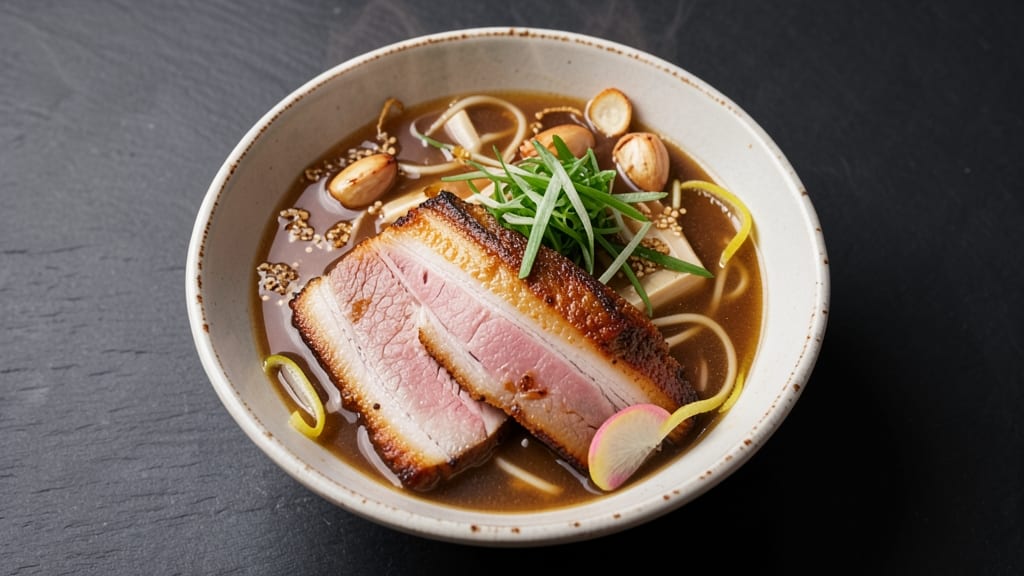
This midnight diner pork miso soup recipe brings the soul-warming flavors of a late-night eatery into your kitchen with smoky depth and silky noodles. 💛 After years of perfecting the balance between rich miso and tender pork, I’ve created a version that delivers restaurant-quality results at home—no shortcuts, just technique.
The secret lies in marinating the pork in miso overnight, transforming it into tender, flavor-packed slices that melt into the broth.
The foundation of this soup is a clear, aromatic broth built with dashi or chicken stock, where ginger, garlic, and scallions infuse layers of warmth. Thinly sliced pork belly or tenderloin is seared quickly to lock in juices, then simmered until the miso paste dissolves into a velvety, umami-rich sauce.
Every spoonful delivers that perfect harmony of smoky, salty, and slightly sweet flavors that define diner-style miso soup.
What makes this recipe stand out is the textural contrast—silky wheat noodles, tender pork, and optional soft tofu (kamaage)—all bathed in a broth that’s rich yet light.
The finishing touches—sesame seeds, chili oil, and green onions—add brightness and a pop of color, turning a simple bowl into something truly special. Serve it with steamed rice or pickled vegetables for a complete late-night meal.
This isn’t just another miso soup recipe; it’s a foolproof method that respects tradition while making it accessible. Whether you’re cooking for a crowd or treating yourself to a quiet night in, the result is a bowl of comfort that tastes like home.
Let’s get started—your taste buds will thank you.
Ingredients for midnight diner pork miso soup
Rich umami, tender pork, and silky noodles—this is your midnight diner essential.
| Ingredient | Amount | Notes |
|---|---|---|
| Pork Belly or Tenderloin 🥓 | 1 lb | Thinly sliced, marinated overnight |
| White Miso Paste 🍶 | ½ cup | High-quality, unsweetened |
| Dashi Stock or Chicken Stock 💧 | 4 cups | Homemade or high-quality store-bought |
| Fresh Ginger 🧄 | 2 tbsp | Minced, peeled, for broth |
| Garlic Cloves 🧄 | 4 cloves | Minced, for aromatic base |
| Scallions 🧅 | 3 whole | Thinly sliced, for garnish |
| Wheat Noodles 🍜 | 8 oz | Silken or udon-style preferred |
| Soft Tofu (Kamaage) 🧈 | ½ cup | Optional, sliced, for texture |
| Sesame Seeds 🥜 | 1 tbsp | Toasted, for garnish |
| Chili Oil 🌶️ | 1 tbsp | For finishing, optional |
| Diamond Crystal Kosher Salt 🧂 | 1 ½ tsp | For seasoning broth |
| Extra-Virgin Olive Oil 🫒 | 1 tbsp | For searing pork |
| Rice Vinegar 🍶 | 1 tbsp | For balancing flavors |
| Green Onions 🧅 | 2 whole | Chopped, for garnish |
The miso paste is non-negotiable here—White Miso delivers that clean, aromatic depth without overpowering. Marukome or Hokkaido brands from specialty stores like Mise en Place or Whole Foods are worth the investment. For the pork, belly offers unmatched fat content (key for that diner-style richness), but tenderloin works if you prefer leaner cuts. Thinly slice against the grain—a sharp knife and steady hand make all the difference. The overnight marinade in miso transforms tough slices into melt-in-your-mouth perfection.
No dashi stock? Chicken stock with a dash of kombu and bonito flakes replicates the umami punch. Fresh ginger and garlic are musts—they build the broth's aromatic foundation. Substitute galangal for ginger if you're feeling adventurous, though traditionalists may balk. The wheat noodles? Silken or udon-style from Trader Joe's or Asian markets hold up best to long simmering. For the tofu, kamaage (pressed tofu) stays firm during cooking, but regular firm tofu works in a pinch—just pat it dry first. Chili oil can be swapped for sriracha or gochujang if you prefer sweeter heat.
Pork marinade keeps 3 days in the fridge, but flavor peaks at 24 hours. Prep the broth ingredients ahead—they sit happily in the freezer for 3 months. Noodles cook in 3 minutes once boiling, so time them with the pork. Garnishes like sesame seeds and green onions stay fresh 5 days in sealed containers. Double the broth? It freezes beautifully—just thaw overnight in the fridge before reheating. Leftovers? This soup only gets better the next day as flavors meld.
Why You'll Love This Recipe
- One-Pot Magic: I swear by this recipe when I’m too tired to wash pots. Just brown the pork, toss in the miso, stock, and ginger—no straining, no fuss. The broth thickens while you’re chopping greens for the side, and honestly? That’s my kind of cooking.
- Umami Bomb: The white miso paste and dashi stock create this deep, savory punch that hits different. The pork belly stays juicy while the edges caramelize, and that garlic-ginger base? It’s the kind of flavor that makes you reach for seconds without thinking.
- Late-Night Hero: Between us, this is my go-to when I’m craving something hearty after a long shift or a movie marathon. The rich broth soaks into rice or noodles, and the leftovers? Even better the next day—just reheat and enjoy.
- Budget-Friendly Luxury: Pork tenderloin is cheaper than you’d think, and a little goes a long way. Stretch the broth for two meals, or freeze portions for when you’re too wiped to cook. It’s the kind of recipe that feels fancy but won’t break the bank.
Step-by-step instructions for smoky miso pork soup
Here's the method for developing deep umami flavor while maintaining silky texture in every component.
🔥 Step 1: Sear the Pork for Maximum Flavor
Heat a heavy-bottomed pot over medium-high heat until a drop of water sizzles immediately. Add the 1 lb Pork Belly or Tenderloin in a single layer, being careful not to overcrowd. Let it sear undisturbed for 3-4 minutes until a deep golden crust forms on one side—this Maillard reaction creates the foundation for your soup's depth.
Flip the pork and add 1 tablespoon Extra-Virgin Olive Oil to the pot. Continue searing for another 3-4 minutes until the second side develops the same rich crust. Remove the pork and set aside temporarily. The rendered fat in the pot will become the flavor base for your soup—don't wipe it out.
🍳 Step 2: Build the Aromatic Miso Broth
Reduce the heat to medium and add the minced 2 tablespoons Fresh Ginger and 4 cloves Garlic Cloves to the pot. Sauté for 1-2 minutes until the garlic becomes fragrant but doesn't brown—you want aroma, not bitterness. Add the 4 cups Dashi Stock or Chicken Stock and bring to a gentle simmer.
Whisk in the 0.5 cup White Miso Paste until completely dissolved. This is where the magic happens—the miso's umami compounds bloom in the warm liquid. Add 1.5 teaspoons Diamond Crystal Kosher Salt and 1 tablespoon Rice Vinegar, stirring gently to combine. The broth should have a rich, slightly viscous quality with a deep amber color.
🥘 Step 3: Cook the Pork and Prepare Noodles
Return the seared pork to the pot and simmer gently for 20-25 minutes until the meat is fork-tender. The pork should easily pull apart with minimal resistance when pierced with a fork. You'll notice the broth will develop a beautiful caramelized color from the dissolved pork juices—this indicates proper flavor extraction.
While the pork cooks, prepare the 8 oz Wheat Noodles according to package instructions for al dente texture. Drain and set aside, reserving ½ cup of the starchy pasta water. This water will help emulsify the soup later if needed. Keep the noodles covered to prevent drying.
👨🍳 Step 4: Assemble and Finish the Soup
Remove the pork from the broth and transfer it to a cutting board. Using kitchen shears or a sharp knife, chop it into ½-inch thick bite-sized pieces. Return the chopped pork to the pot and stir to redistribute the flavorful broth. Add the cooked noodles and gently toss to coat them evenly in the miso-infused liquid.
For texture contrast, add the sliced 0.5 cup Soft Tofu (Kamaage) and 3 whole Scallions (thinly sliced). The tofu should be warmed through but not falling apart—this takes about 2-3 minutes of gentle simmering. Taste and adjust seasoning if needed, adding a splash of reserved pasta water if the soup is too thick.
🍽️ Step 5: Garnish and Serve Immediately
Ladle the soup into deep bowls, dividing the noodles and pork evenly. Drizzle each serving with 1 tablespoon Chili Oil and sprinkle with 1 tablespoon Sesame Seeds. Garnish with the chopped 2 whole Green Onions for freshness and color contrast. The chili oil adds a subtle heat that cuts through the richness of the miso while the sesame seeds contribute nutty depth.
Serve immediately while steaming hot—this dish is best enjoyed fresh from the pot. The combination of silky noodles, tender pork, and complex miso broth creates a satisfying balance of textures and flavors that's perfect for any midnight craving. Each spoonful should deliver layers of umami, a touch of spice, and the comforting warmth of a well-made broth.
Pro Tips For Making Midnight Diner Pork Miso Soup
- Salt the Pork First: The miso’s saltiness will clash if your pork isn’t pre-seasoned. Rub it with 1 teaspoon of kosher salt per pound and let it sit 30 minutes—this keeps the meat juicy and lets the miso shine without overpowering.
- Simmer, Don’t Boil: I learned this the hard way—boiling the stock turns it cloudy and dull. Once the pork is cooked, reduce to a gentle simmer (tiny bubbles, occasional swirls) and let the miso dissolve slowly. Rushing it makes the soup taste bitter.
- Miso Last, Heat Low: Add the white miso paste after the stock is simmering, not before. Stir in on low heat—high temps kill the probiotics and make the soup taste harsh. A splash of cold water afterward cools it down and smooths the texture.
- Ginger-Garlic Trick: Peel the ginger thinly (no need to grate—just julienne it) and smash the garlic cloves with the side of your knife. This releases more flavor without overpowering, and you can fish out the pieces easily after simmering. (Yes, even if you’re impatient like me.)
Common mistakes when making great midnight diner pork miso soup
Over-Salting the Broth
Miso paste is already packed with salt, so adding extra kosher salt can easily make your soup taste bitter. I’ve ruined more batches than I care to admit by overdoing it—always taste the broth before adding more salt.
Start with just 1 teaspoon and adjust gradually. The miso’s natural saltiness will balance the broth once everything simmers together. 🧂
Skipping the Marinade
If you skip marinating the pork in miso overnight, you’ll end up with chewy, flavorless slices instead of tender, umami-packed bites. The marinade doesn’t just tenderize—it infuses the meat with deep, savory notes.
I learned this the hard way when I tried to rush the process for a last-minute dinner. Trust me, the 24-hour marinade is worth the wait. ⏳
Boiling the Broth Too Vigorous
Bringing the broth to a full boil can break down the miso’s delicate compounds, making it taste harsh and bitter. Instead, maintain a gentle simmer—small bubbles just breaking the surface.
This keeps the miso’s complexity intact while allowing the flavors to meld smoothly. I use a medium-low heat setting to avoid any risk of boiling over. 💧
Ignoring the Pasta Water
Reserving that starchy pasta water is a game-changer for adjusting consistency. If your soup turns out too thick, a splash of pasta water can loosen it up without diluting the flavor.
I’ve seen home cooks dump in extra broth, which waters down the miso’s richness. Keep that ½ cup reserved—it’s your secret weapon for perfect texture. 🍜
Overcooking the Pork
Pork belly is forgiving, but tenderloin can turn dry if simmered too long. The goal is fork-tender, not falling-apart texture. I pull the pork out when it reaches 165°F internal temperature and rests for 5 minutes before chopping. This ensures it stays juicy and flavorful, not rubbery. 🥩
Using Low-Quality Miso
Not all miso pastes are created equal. Cheap, mass-produced miso lacks the depth and complexity of artisanal varieties. I always reach for Marukome or Hokkaido miso from specialty stores—they deliver that authentic umami punch.
Skimping here means your soup will taste flat, no matter how perfect the rest of the technique. 🍶
Nutrition facts
Frequently asked questions
Can I substitute pork belly with chicken or beef?
Pork belly delivers that signature diner richness, but you can use chicken thigh or beef short ribs for similar texture. Thinly slice the meat and marinate it in miso overnight—just reduce cooking time to 15-20 minutes for chicken or 30-40 minutes for beef. The fat content matters for that comforting mouthfeel!
What makes white miso different from red?
White miso is fermented for 3-6 months, creating a milder, sweeter flavor with delicate umami—perfect for clear broths. Red miso (fermented 1-2 years) is saltier and deeper, ideal for hearty stews. For this recipe, white miso ensures a clean, aromatic base that lets the pork shine.
How do I make this soup vegetarian?
Swap the pork for shiitake mushrooms (sliced and marinated in miso) or extra-firm tofu (pressed and cubed). Boost umami with 1 tbsp soy sauce or ½ cup mushroom broth. Add kelp flakes to mimic dashi's oceanic depth. The noodles and tofu will carry all the richness!
Can I make this soup ahead of time?
Prep the broth (without noodles) up to 3 days ahead and store it in the fridge. Reheat gently on low heat—never microwave—to preserve texture. Add fresh noodles and garnishes just before serving. The flavors actually improve overnight as the miso melds deeper.
What sides pair best with this soup?
For a full diner experience, serve with steamed jasmine rice, quick-pickled cucumbers, or a simple mixed greens salad with sesame dressing. The acidity cuts through the soup's richness, while rice soaks up every last drop. Pro tip: Warm the rice in the broth's residual heat for extra flavor!