
Salads
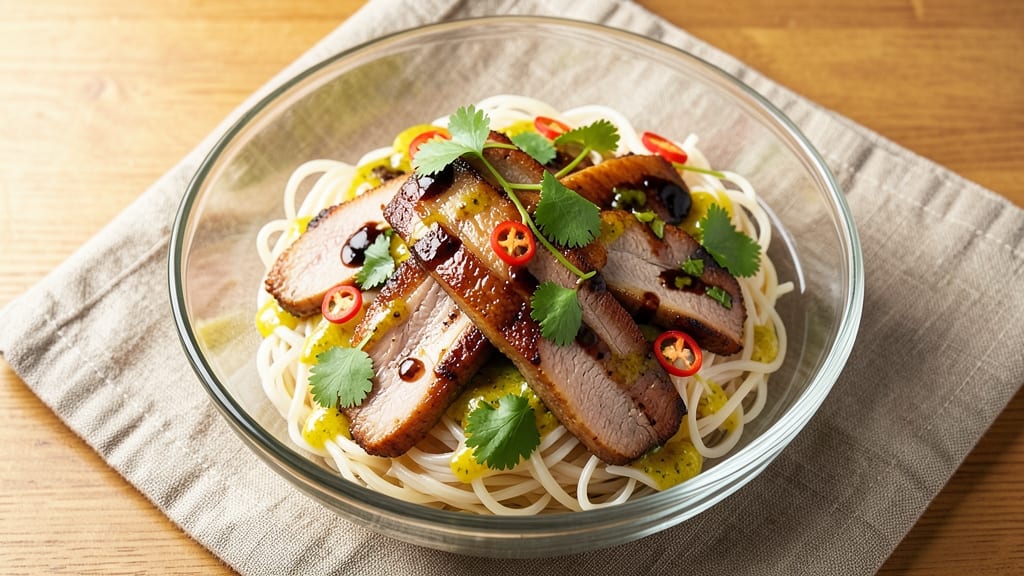
This Asian pork salad recipe transforms simple ingredients into a vibrant, restaurant-quality dish that balances crispy textures and bright flavors.
After years of perfecting pork techniques in my professional kitchen, I've developed a method that delivers tender, caramelized pork slices over crisp rice noodles—all held together by a tangy lime dressing that cuts through the richness.
The secret lies in the marinade and quick cooking time that preserves juiciness while creating that satisfying bite.
What sets this salad apart is the harmonious blend of textures: crispy rice noodles that hold their shape, tender pork with a slight char, and fresh vegetables that add crunch. The lime dressing—packed with fish sauce, chili, and fresh herbs—elevates everything with its perfect balance of sweet, sour, and umami.
Unlike many Asian salads that rely on raw ingredients, this version delivers a satisfying, hearty meal that's ready in under 30 minutes. The best part? It's versatile enough for weeknight dinners or impressive gatherings.
By the time you assemble this dish, you'll have a visually stunning plate with layers of color and texture—golden pork slices, vibrant greens, and the deep red of chili flakes. The dressing clings to every component, creating a cohesive bite that's both refreshing and deeply flavorful.
This isn't just another salad; it's a complete meal that proves Asian cuisine can be both elegant and approachable. Let's get started on creating this crowd-pleaser.
One of the things I love most about this recipe is how it showcases pork in a way that highlights its natural richness without overpowering the dish. The marinade I use—inspired by my years working with heritage pork—penetrates deeply while creating a subtle caramelization that makes every bite irresistible.
Whether you're serving this for lunch or dinner, it's the kind of dish that leaves guests asking for the recipe. Here's everything you need to bring it to life.
Ingredients for asian pork salad
These simple yet vibrant ingredients create a restaurant-quality Asian pork salad with crispy textures and bright flavors.
| Ingredient | Amount | Notes |
|---|---|---|
| Boneless Pork Loin 🥩 | 1 ½ lb | Thinly sliced against grain |
| Rice Noodles 🍜 | 8 oz | Vermicelli or pad thai type |
| Fresh Lime Juice 🍋 | ½ cup | Freshly squeezed, about 4 limes |
| Fish Sauce 🍶 | 3 tbsp | Red Boat preferred |
| Fresh Chili Peppers 🌶️ | 2 whole | Thai or serrano, finely chopped |
| Fresh Cilantro 🌿 | ½ cup | Stems removed, chopped |
| Sesame Oil 🫒 | 1 tbsp | Toasted, for aroma |
| Soy Sauce 🥢 | 2 tbsp | Low-sodium preferred |
| Brown Sugar 🍚 | 2 tbsp | Packed, light variety |
| Garlic Cloves 🧄 | 4 cloves | Minced, fresh preferred |
| Carrots 🥕 | 1 medium | Julienned, about 1/2 cup |
| Green Onions 🧅 | 3 whole | Thinly sliced, white and green parts |
| Vegetable Oil 🫒 | 2 tbsp | For stir-frying pork |
| Salt 🧂 | 1 tsp | Kosher or sea salt |
| Black Pepper 🌶️ | ¼ tsp | Freshly ground |
The pork loin is your star—look for well-marbled cuts at Whole Foods or your local butcher. Thinly slicing it against the grain (about 1/8-inch thick) ensures that satisfying bite. I always grab heritage pork if available, but regular pork loin works too. For the rice noodles, vermicelli or pad thai noodles are ideal—they hold up to the dressing better than thin spaghetti noodles. Soak them in warm water for 10-15 minutes before using, but don't over-soak or they'll turn mushy. Fresh lime juice is a must—those little bottles of 'concentrated lime juice' just don't cut it.
No fresh chili peppers? Red pepper flakes or sriracha at half the amount will give you heat. Running short on fish sauce? Soy sauce plus a dash of Worcestershire works in a pinch, though it won't be quite the same. The cilantro can be swapped for Thai basil or mint if you're feeling adventurous. For the carrots, julienne them yourself—they're prettier and more flavorful than store-bought matchsticks. The green onions add a nice pop of color, but if you're in a hurry, scallions or chives will do. And trust me on the sesame oil—just a teaspoon goes a long way for that nutty aroma.
This salad tastes even better the next day—honestly, the flavors meld perfectly after resting. Store the dressing separately in the fridge for up to 5 days, and the cooked pork and veggies for 3 days. I like to assemble everything fresh when ready to eat so the noodles stay crisp. For meal prep, keep the components separate and toss with dressing just before serving. The noodles will soften slightly, but they'll still hold their shape. If you're making this ahead for a party, double the recipe—the leftovers disappear fast.
Why You'll Love This Recipe
- No-Fuss Protein: I slice the pork thin, marinate it for 20 minutes, then sear it in a hot pan—no fancy techniques, just that perfect crispy-tender bite. The rice noodles soak in warm water while I stir-fry, so everything’s ready when the pork hits the plate.
- Zesty Tang Kick: That lime juice and fish sauce combo? It’s the secret weapon—bright, salty, and just spicy enough from the chili peppers to wake up your taste buds. Honestly, the first bite makes me want to eat it straight from the bowl.
- Lunchbox Hero: Pack this for work or school—it stays fresh for days, and the noodles hold up better than you’d think. I’ve sent this in containers for three days straight, and it’s always the first thing gone.
- Budget Stretch: Pork loin is affordable, and a single package feeds four for dinner or two for leftovers. Between us, I’ve made this for under $10 per serving, and it’s still the dish everyone asks for.
Step-by-step instructions for crispy Asian pork salad
Here's how to create a perfect balance of crispy pork and tangy lime dressing—no shortcuts, just flavor.
Prepare the Pork for Maximum Crispiness
Slice the 1.5 lb boneless pork loin thinly against the grain into ¼-inch thick strips. The thinner the slices, the quicker they'll cook and the more tender they'll be. Pat each slice dry with paper towels—this ensures a crispy exterior instead of steaming.
In a bowl, toss the pork strips with 1 tsp salt, 0.25 tsp black pepper, and 2 tbsp soy sauce. Let them marinate for 15-20 minutes at room temperature. This step is crucial for flavor penetration and texture—don't skip it. While the pork marinates, finely chop the 2 whole fresh chili peppers and mince the 4 cloves garlic. Set them aside for later.
Cook the Pork to Golden Perfection
Heat 2 tbsp vegetable oil in a large skillet over medium-high heat until shimmering. Add the marinated pork in a single layer—don't overcrowd the pan. Cook undisturbed for 2-3 minutes until the edges turn golden brown and crispy. Flip and cook another 1-2 minutes until fully cooked through.
Remove the pork from the skillet and transfer to a plate. Keep it warm while you prepare the remaining ingredients. The pork should be crispy on the outside but still juicy inside—if it's too dry, you cooked it too long. If it's not crispy enough, return it to the pan for another 30 seconds.
Assemble the Tangy Lime Dressing
In a small bowl, whisk together 0.5 cup fresh lime juice, 3 tbsp fish sauce, 2 tbsp brown sugar, 1 tbsp sesame oil, and the minced garlic and chopped chili peppers. Taste and adjust the balance—you want it bright from the lime, salty from the fish sauce, and slightly sweet from the brown sugar. This dressing is the heart of the dish, so don't rush this step.
While the dressing sits, prepare the remaining vegetables. Julienne the 1 medium carrot into thin strips and thinly slice the 3 whole green onions. Chop the 0.5 cup fresh cilantro and set aside. Cook the rice noodles according to package instructions—typically 5-7 minutes in boiling water—then drain and rinse under cold water to stop the cooking process. This ensures they stay crispy when tossed with the dressing.
Combine Everything for the Perfect Salad
In a large bowl, combine the cooked rice noodles, julienned carrots, sliced green onions, and chopped cilantro. Pour the warm pork over the top and gently toss to coat everything evenly. Drizzle the lime dressing over the salad and toss again, making sure every bite gets that tangy, crispy, and savory combination.
Let the salad sit for 5 minutes before serving—this allows the flavors to meld together. The noodles should be crispy from the cold water rinse, the pork should be warm and crispy, and the dressing should be evenly distributed. Serve immediately while everything is at its best texture and temperature.
Pro Tips For Making Asian Pork Salad
- Slice Thin, Cook Fast: Thin pork loin slices (¼-inch max) sear in seconds—any thicker and you’ll end up with chewy, undercooked strips. Use a sharp knife and slice against the grain for tenderness, then cook over high heat in a screaming-hot pan until the edges just turn opaque (about 30 seconds per side). Overcooking turns it rubbery, and nobody wants that in a salad.
- Soak Noodles Just Right: Rice noodles turn to mush if you stare at them too long. Soak them in warm (not boiling) water for 5-7 minutes—check the package, but start testing at 5. Drain immediately and rinse with cold water to stop cooking. I learned this the hard way after serving a bowl of glue-like noodles to guests.
- Balance Fish Sauce Early: Taste your dressing before tossing it with everything. Fish sauce is sneaky—start with half the recipe’s amount, then adjust. Lime juice cuts the salt, but if you add it all at once, you’ll either have a bland mess or a pucker-inducing disaster. Build flavor in stages, like a conversation, not a monologue.
- Chop Chili Like a Pro: Fresh chili peppers need two cuts: slice lengthwise first (seeds out if you hate heat), then chop into thin strips. If you mince them, you’ll get a muddy, bitter dressing. Thin slices keep the texture bright and the heat controlled. And for heaven’s sake, don’t skip the salt—fresh peppers taste like water without it.
Regional styles of asian pork salad
Thai-Inspired Style
In Thailand, this salad becomes a vibrant Som Tum-inspired dish with a spicy, tangy twist. Swap the rice noodles for pad thai noodles and add green papaya (julienned) for that signature crunch.
I like using Thai bird's eye chilies for extra heat—about 3-4 finely chopped—and tossing in crushed peanuts at the end for texture. The dressing gets a boost with 1 tbsp palm sugar instead of brown sugar, and a splash of coconut milk for richness.
Serve with grilled lemongrass skewers on the side for a complete Thai feast. 🌶️
Japanese Shabu Style
For a Japanese-inspired version, thinly slice the pork even further—about ⅛-inch thick—and cook it al dente rather than fully crispy.
Use udon noodles instead of rice noodles and toss with a dressing made of 1 tbsp mirin, 1 tbsp soy sauce, 1 tsp grated ginger, and 1 tsp sesame oil.
Top with thinly sliced cucumber, shredded nori, and a sprinkle of toasted sesame seeds. This version is lighter but equally satisfying, perfect for a quick lunch. 🍜
Vietnamese Bun Bo Hue
This Vietnamese adaptation brings bold flavors with bun noodles, a spicy shrimp paste (about 1 tbsp), and lemongrass-infused broth drizzled over the top. Cook the pork with 1-inch lemongrass stalk (bruised) and 1 cinnamon stick for depth.
The dressing becomes a sweet-savory sauce with 1 tbsp fish sauce, 1 tbsp hoisin, and 1 tsp chili oil. Garnish with bean sprouts, mint leaves, and fried shallots for a restaurant-quality dish. 🌿
Korean Kimchi Twist
Add a Korean flair by incorporating kimchi into the salad—about ½ cup chopped—for tangy, fermented depth. Use spicy gochujang (1 tbsp) in the dressing instead of fish sauce, and swap the cilantro for thinly sliced Korean pear (for sweetness).
Top with crispy fried onions and a drizzle of sesame oil. The combination of kimchi and pork creates a bold, umami-packed flavor profile that’s hard to resist. 🥬
Modern Fusion Approach
For a contemporary take, blend the dressing with 1 tbsp miso paste and 1 tsp honey for a sweet-savory balance. Add avocado slices and pomegranate seeds for freshness and color. Use quinoa noodles instead of rice noodles for extra protein, and finish with toasted coconut flakes for crunch.
This fusion version is perfect for health-conscious eaters who still want bold flavors. 💫
Nutrition facts
Frequently asked questions
Can I use chicken or shrimp instead of pork?
This recipe works beautifully with chicken breast (thinly sliced) or shrimp (peeled and deveined). For chicken, marinate for 20-30 minutes and cook until internal temp reaches 165°F. Shrimp cooks in just 1-2 minutes per side—don't overcook or they'll turn rubbery. The lime dressing and noodles will complement either protein perfectly.
How do I keep the rice noodles crispy?
The secret is a cold water rinse after cooking. Boil the noodles for 5-7 minutes, drain, then immediately rinse under cold water. This stops the cooking process and creates that satisfying crunch. For extra crispiness, toss them with ½ tsp sesame oil before adding the dressing. If they soften later, just give them a quick stir with fresh dressing.
What if I don't have fish sauce?
No problem! Use soy sauce plus ½ tsp Worcestershire sauce for a similar umami depth. For extra brightness, add 1 tsp rice vinegar. The dressing will still be tangy and flavorful—just slightly less complex. Red Boat brand is ideal, but any good quality fish sauce works. If you're avoiding soy entirely, coconut aminos make a good substitute.
Can I make this ahead of time?
Yes, but store components separately. Cook the pork and dress it separately, then refrigerate for up to 3 days. Keep the noodles and veggies in another container. When ready to serve, toss everything together—this prevents soggy noodles. The flavors actually improve overnight as they meld! For best texture, assemble fresh when possible.
Why is my pork tough instead of tender?
This usually happens when slices are too thick or cooked too long. Always slice ¼-inch thick against the grain and cook just until golden brown (about 2-3 minutes per side). Overcrowding the pan also steams the pork instead of searing. For extra tenderness, marinate for 30 minutes instead of 15. The key is high heat and quick cooking!