
Main Courses
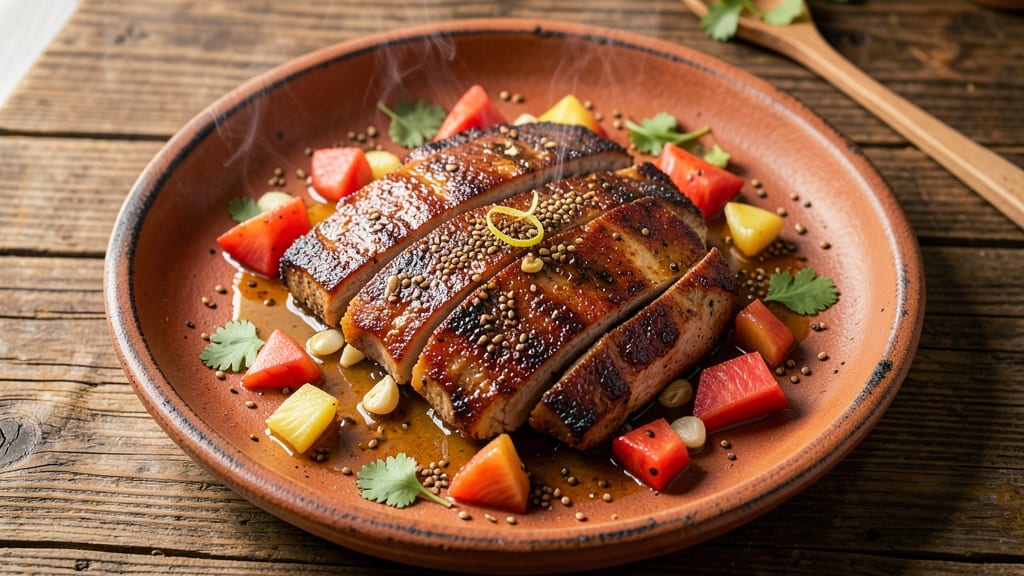
This al pastor marinated pork recipe brings the smoky, sweet-spiced flavors of Mexico straight to your kitchen—authentic enough to impress taqueria owners. After years of perfecting the balance between achiote's earthy warmth and pineapple's bright tang, I've developed a method that delivers restaurant-quality results at home.
The secret lies in marinating the pork overnight with a blend of spices, vinegar, and pineapple juice, which tenderizes the meat while infusing it with complex flavors.
The traditional technique involves cooking the pork on a vertical spit, but I've adapted it for home cooks using a skillet or even the oven. You'll achieve that signature charred exterior and juicy interior without specialized equipment.
The marinade transforms tough pork shoulder into tender, flavorful slices that practically melt in your mouth. This dish is more than just a recipe—it's a celebration of Mexican street food culture, brought to your table.
By the time you're done, you'll have perfectly marinated pork with a deep red hue from the achiote, ready to be grilled or roasted until caramelized. The aroma alone will transport you to a bustling Mexico City taqueria, where this dish is a staple.
Serve it with warm tortillas, fresh pineapple, onions, and cilantro for the full experience. The flavors are bold, smoky, and undeniably addictive—exactly what you'd expect from a true al pastor.
Whether you're cooking for a crowd or treating yourself to a taste of Mexico, this recipe delivers restaurant-quality results with minimal fuss. The marinade can be prepped ahead, and the cooking method is flexible enough to work on a grill, in the oven, or even in a skillet.
Here's how to make it—just like the pros do in Mexico.
Ingredients for al pastor marinated pork
Six ingredients make the marinade, plus pork that transforms into smoky, sweet-spiced perfection.
| Ingredient | Amount | Notes |
|---|---|---|
| Pork Shoulder 🐖 | 3 lb | Bone-in for best flavor |
| Achiote Paste 🌶️ | ½ cup | Traditional Mexican spice blend |
| White Vinegar 💧 | ½ cup | For tenderizing meat |
| Fresh Pineapple Juice 🍍 | 1 cup | Brightens the marinade |
| Ground Cumin 🌿 | 2 tbsp | Earthy depth essential |
| Garlic Cloves 🧄 | 8 cloves | Peeled and minced |
| Guajillo Chilies 🌶️ | 4 whole | Dried, stemmed and seeded |
| Bay Leaves 🌿 | 2 whole | For aromatic depth |
| Orange Zest 🍊 | 1 tbsp | Freshly grated |
| Olive Oil 🫒 | ½ cup | Extra-virgin preferred |
| Salt 🧂 | 2 tbsp | Kosher or sea salt |
| Black Pepper 🌶️ | 1 tsp | Freshly ground |
| Cumin Seeds 🌿 | 1 tbsp | Toasted for aroma |
| Fresh Cilantro 🌿 | ¼ cup | Chopped, for garnish |
The pork shoulder is non-negotiable—bone-in gives you that authentic taqueria flavor. Trader Joe's or Costco usually have good cuts, but ask your butcher for 'pork butt' if you want the best. Achiote paste is the soul of this dish—Penzeys or Mexican markets carry it, or make your own by blending annatto seeds with oil. For the guajillo chilies, look for dried ones in the international aisle (they should be plump, not shriveled). Fresh pineapple juice is ideal, but bottled works in a pinch—just skip the pulp. The orange zest adds brightness, so grab a fresh orange from the produce section.
No achiote paste? Annatto seeds soaked in warm oil works, but it's not the same. Short on guajillo chilies? Ancho or pasilla chilies will do, but adjust heat to taste. The cumin seeds can be skipped if you've only got ground cumin, but toasting them in a dry pan first really makes a difference. For the pineapple juice, coconut water is a decent substitute if you're out. The marinade needs at least 8 hours, but overnight is best—patience pays off here. If you're cooking for a crowd, double the marinade and divide the pork into smaller chunks for even cooking.
Marinade keeps for 5 days in the fridge, but the pork should go in right after mixing. If prepping ahead, store the pork and marinade separately and combine just before cooking. The leftovers? Freeze for up to 3 months—they reheat beautifully. For serving, keep the marinade warm and drizzle it over the pork right before eating. The pork will be tender but firm—it's not supposed to fall apart like pulled pork. Serve with warm tortillas, pickled onions, and extra cilantro for the full experience.
Why You'll Love This Recipe
- Same marinade, endless uses: tacos on Tuesdays, shredded for burrito bowls on Saturdays, or even stuffed into peppers for a crowd. It’s my secret weapon for lazy days and when Aunt Maria drops by.
- Marinade in Minutes: The achiote paste and vinegar do all the heavy lifting—just toss the pork in a bowl, let it sit while you chop veggies or fire up the grill. No fancy techniques, no stress.
- Sweet-Savory Magic: That pineapple juice isn’t just for flavor—it tenderizes the pork and balances the smoky cumin and tangy vinegar into something dangerously addictive. Trust me, the first bite changes minds.
- Weeknight to Party: Same marinade, endless uses: tacos on Tuesdays, shredded for burrito bowls on Saturdays, or even stuffed into peppers for a crowd. It’s my secret weapon for lazy days and when Aunt Maria drops by.
Step-by-step instructions for al pastor marinated pork
Let's create that signature al pastor flavor with a marinade that tenderizes and infuses the pork perfectly.
Toast the Cumin Seeds and Prepare the Chilies
In a dry skillet over medium heat, toast the 1 tablespoon cumin seeds for 2-3 minutes until fragrant and lightly golden. Watch them carefully—they burn quickly. Immediately transfer to a bowl to cool.
While the cumin toasts, remove the stems and seeds from the 4 whole guajillo chilies. This step is crucial for removing the bitter membranes. If any seeds slip in, don't worry—they'll add subtle heat. Soften the chilies by placing them in a heatproof bowl and pouring ½ cup hot water over them. Let them steep for 10 minutes to rehydrate and release their smoky flavor.
Blend the Marinade Ingredients
In a blender, combine the toasted cumin seeds, softened guajillo chilies with their soaking liquid, ½ cup achiote paste, ½ cup white vinegar, 1 cup fresh pineapple juice, 2 tablespoons ground cumin, 8 cloves minced garlic, 1 tablespoon orange zest, 2 whole bay leaves, 2 tablespoons salt, and 1 teaspoon black pepper.
Blend until completely smooth, scraping down the sides as needed. The mixture should be vibrant red-orange from the achiote and guajillo chilies. Taste a small amount—the balance of sweet pineapple, smoky achiote, and tangy vinegar should be noticeable. If needed, adjust seasoning with additional salt or a splash more vinegar for brightness.
Marinate the Pork for Maximum Flavor
Place the 3 lb pork shoulder in a large resealable plastic bag or a non-reactive container. Pour the blended marinade over the pork, ensuring it's completely coated. Seal the bag or cover the container tightly. Refrigerate for at least 24 hours, turning the bag occasionally to ensure even distribution of flavors.
Here's the thing about al pastor marinade—it needs time to work its magic. The acidity from the vinegar and pineapple will begin breaking down the muscle fibers, while the achiote and spices penetrate deeply. After 24 hours, the pork should be noticeably more tender and infused with that signature al pastor color. If possible, marinate for up to 48 hours for even more intense flavor.
Prepare for Cooking
Remove the pork from the refrigerator and let it sit at room temperature for 30 minutes before cooking. This ensures even cooking throughout. While it comes to temperature, toast the 2 whole bay leaves in a dry skillet for 30 seconds until fragrant. This enhances their flavor before they're added to the cooking liquid.
Preheat your grill or skillet to medium-high heat. You'll want the surface hot enough to create a good sear but not so hot that the marinade burns before the pork cooks through. The pork is now ready to be transformed into those delicious al pastor tacos you've been craving.
Pro Tips For Making Al Pastor Marinated Pork
- Marinate Overnight—Not Just Hours: I learned this the hard way—rushing the marinade means the achiote paste and pineapple juice won’t penetrate deep enough. Two days in the fridge is ideal; the acid and spices need time to tenderize that tough pork shoulder.
- Use Fresh Pineapple—Canned Won’t Cut It: The juice from fresh pineapple has a brightness canned versions lack, and it actually tenderizes the meat better. If you’re short on time, blend frozen chunks—just strain out the pulp afterward.
- Cook Low and Slow—Then Finish Fast: Start the pork shoulder in a 275°F (135°C) oven until it’s fork-tender, then crank the heat to sear it in a hot skillet. This two-step method keeps the meat juicy while building that caramelized crust everyone loves.
- Skip the Extra Vinegar—Balance Matters: Too much white vinegar can make the marinade taste harsh. Stick to the recipe’s amount—it’s enough to cut through fat without overpowering the achiote and cumin flavors. Trust the process.
Pro cooking tips for this recipe
Marinade Mastery
The key to authentic al pastor flavor lies in the marinade's balance of acidity and spices. I always blend the guajillo chilies with their soaking liquid to maximize their smoky depth.
For extra intensity, add 1 teaspoon of ground cloves to the marinade—it's a secret I picked up from street vendors in Oaxaca. The vinegar and pineapple juice work together to tenderize the meat while creating that signature tangy-sweet profile.
Don't rush this step—48 hours of marinating delivers restaurant-quality results. 🌶️
Skillet Technique
For home cooks without a vertical spit, a cast iron skillet is my go-to method. Heat the skillet over medium-high heat until smoking, then add the marinated pork shoulder. Sear for 10 minutes per side, then reduce heat to medium-low and cover to cook through.
The pork should reach 195°F internal temperature—this ensures tender slices. I like to baste with the reserved marinade every 15 minutes to keep it moist. My Lodge pre-seasoned cast iron skillet is perfect for this technique.
Spit-Roasting Shortcut
If you're using a rotisserie attachment, skewer the pork on ¼-inch thick metal skewers (available at restaurant supply stores) and cook at 325°F for 2-2.5 hours, rotating every 30 minutes.
The key is maintaining even heat—wrap the pork in aluminum foil during the last 30 minutes to prevent over-browning. This method mimics the traditional taqueria approach while being more accessible for home cooks.
Charred Exterior
For that authentic charred crust, finish cooking over direct heat. I use a grill or broiler for the final 5-7 minutes, turning constantly to create crosshatch marks on the surface. This isn't just about appearance—it intensifies the Maillard reaction, creating deeper flavors.
For extra authenticity, brush the pork with a mix of ½ cup pineapple juice and 1 tablespoon achiote paste before charring. The result? Pork that looks and tastes like it came straight from a Mexico City taqueria. 🔥
Resting & Slicing
Never skip the resting step—let the pork rest for at least 15 minutes before slicing. This allows juices to redistribute, preventing dry slices. I use a sharp 8-inch chef's knife to cut against the grain into ¼-inch thick slices.
For serving, keep the pork warm in a 200°F oven** while you assemble tacos. The slices should be tender enough to fold but still hold their shape—this is the perfect texture for al pastor.
Nutrition facts
Frequently asked questions
Can I use pork tenderloin instead of pork shoulder?
Pork tenderloin is leaner and cooks faster, so it won't develop the same tender texture as pork shoulder. For authentic al pastor, stick with pork shoulder—it's fatty enough to stay juicy during long cooking. If you must use tenderloin, marinate it for 12-18 hours max and cook it quickly over high heat to avoid drying out.
What if I don't have achiote paste?
You can substitute with ½ cup tomato paste + 1 teaspoon paprika + ½ teaspoon turmeric for color, but it won't have the same earthy depth. For authentic flavor, blend 1 tablespoon annatto seeds with ½ cup oil and let it steep for 1 hour before using. The paste is key for that signature al pastor color!
How do I get the perfect char on the pork without a grill?
Use a cast iron skillet or broiler for that smoky char. For skillet: sear over high heat until dark brown. For broiler: place pork 3 inches from heat and watch closely—it takes just 3-5 minutes per side. Brush with extra marinade while charring for extra flavor. A tongs helps create those signature grill marks!
Can I make this in a slow cooker?
Yes! Cook on low for 6-8 hours or high for 4-5 hours until tender. For best results, sear the pork in a skillet first, then transfer to the slow cooker. Add ½ cup water or broth to prevent drying. The slow cooker won't give you the same char, but the flavor will be rich and tender—perfect for shredding!
What's the best way to serve al pastor?
Traditionally, it's served on corn tortillas with pineapple, diced onion, cilantro, and lime. For extra authenticity, add queso fresco and a drizzle of the reserved marinade. Pro tip: Warm the tortillas on a dry skillet for 30 seconds per side to keep them soft. Serve with pickled red onions for tangy contrast!