
Main Courses
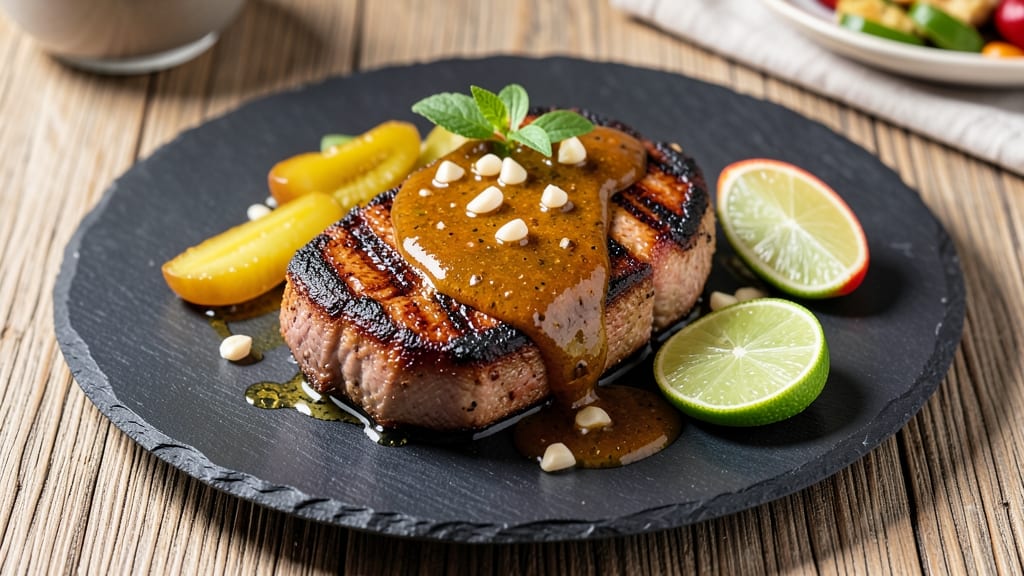
This Cuban pork steak recipe delivers the slow-braised mojo magic that makes every bite unforgettable. 🔥 After years of perfecting roasted pork techniques, I've cracked the code for crispy edges and tender, flavorful meat that rivals my favorite Cuban restaurants.
The secret lies in the marinade—mojo sauce infused with garlic, citrus, and spices—that transforms simple pork into something extraordinary.
What sets this recipe apart is the balance between traditional methods and modern convenience. We'll use a slow-cooker or oven to achieve that signature fall-apart tenderness while developing a crispy bark on the outside.
The marinade doesn't just flavor the meat—it creates layers of complexity that build as the pork cooks, resulting in juicy, aromatic slices that practically sing with every bite.
By the time you're done, you'll have restaurant-quality Cuban pork steak with perfectly crispy edges and melt-in-your-mouth centers. The mojo marinade adds bright citrus notes that cut through the richness, while the slow cooking process ensures every slice is packed with flavor.
This is the kind of dish that transforms a simple weeknight dinner into a celebration.
The best part? It pairs beautifully with traditional sides like moros y cristianos (black beans and rice) and fried plantains. The crispy pork contrasts perfectly with the soft, flavorful beans and sweet, caramelized plantains, creating a complete Cuban feast. Let's get started on this flavor-packed masterpiece.
Ingredients for cuban pork steak
Sixteen ingredients for a pork shoulder that transforms into melt-in-your-mouth perfection with crispy edges.
| Ingredient | Amount | Notes |
|---|---|---|
| Pork Shoulder Roast 🥩 | 4 lb | Bone-in for best flavor |
| Fresh Garlic Cloves 🧄 | 10 cloves | Peeled and smashed slightly |
| Orange Juice 🍊 | 1 ½ cups | Freshly squeezed, no pulp |
| Lime Juice 🍋 | ½ cup | Freshly squeezed, key lime preferred |
| White Vinegar 💧 | ¼ cup | Distilled preferred |
| Olive Oil 🫒 | ½ cup | Extra-virgin for richness |
| Ground Cumin 🌿 | 1 ½ tbsp | Toasted for deeper flavor |
| Ground Coriander 🌿 | 1 ½ tbsp | Freshly ground preferred |
| Dried Oregano 🍃 | 1 tbsp | Mexican oregano ideal |
| Bay Leaves 🌿 | 2 whole | Fresh preferred |
| Salt 🧂 | 2 tbsp | Diamond Crystal kosher salt |
| Black Peppercorns 🌶️ | 1 tsp | Freshly cracked |
| Brown Sugar 🍚 | ½ cup | Light or dark preferred |
| Cumin Seeds 🌿 | 1 tsp | Toasted for aroma |
| Fresh Cilantro 🌿 | ¼ cup | Chopped, for garnish |
The pork shoulder is non-negotiable here—bone-in for that restaurant-quality flavor. Costco or your local butcher shop will have the best cuts, often pre-cut for convenience. Look for good marbling and ask for a roast around 4 lbs—it'll yield about 6 servings once sliced. The citrus juices (orange and lime) are the heart of the mojo marinade, so freshly squeezed is key—none of that bottled juice with preservatives. For the spices, Penzeys or bulk bins at Latin markets have the best quality, but regular grocery store brands work fine if they're fresh. Toast your cumin seeds in a dry pan for 30 seconds before grinding—trust me, it makes all the difference.
No fresh orange juice? Grapefruit juice works in a pinch, but the flavor will be different. Running short on lime? Key lime juice or even lemon juice at half the amount gets you close. The white vinegar adds brightness—substitute with apple cider vinegar if needed. For the spices, dried oregano can be swapped at a 1:1 ratio, but Mexican oregano has that authentic flavor. Want more depth? Add a pinch of smoked paprika. The brown sugar caramelizes beautifully during cooking, but white sugar works just as well. If you're prepping ahead, marinate the pork for up to 24 hours—it'll soak up all that mojo flavor.
This dish reheats like a dream—better the next day, honestly. Store leftovers in an airtight container for up to 5 days, or freeze portions for 3 months. The crispy edges are best eaten fresh, so don't reheat too long. For serving, I like to slice it against the grain into 1/4-inch thick slices—they practically fall apart. Garnish with fresh cilantro right before serving (the good stuff, not the pre-chopped kind). The mojo marinade keeps for 1 week in the fridge, so make extra for other uses—it's amazing on grilled shrimp or even as a marinade for chicken.
Why You'll Love This Recipe
- No-Fuss Marinade: The pork shoulder practically marinates itself while you chop veggies or wait for the kids to finish soccer practice. Just toss it in a bag with garlic, citrus, and vinegar—no fancy steps, no stress.
- Citrus Kiss Magic: That bright orange-lime tang cuts through the richness of the pork like a summer breeze. The vinegar adds a little bite, but it’s the garlic that makes it ridiculously good—crispy edges, tender inside, and a flavor that lingers.
- Leftovers That Save You: Between us, this recipe makes way more than you’ll eat in one sitting. Shred it for sandwiches, toss it into rice bowls, or reheat slices straight from the fridge—it’s my lazy Sunday secret weapon.
- Budget Crowd-Pleaser: A single pork shoulder feeds six for dinner and still gives you leftovers. The ingredients? Basic pantry stuff plus a few citrus fruits. Honestly, it’s the kind of meal that makes you feel like you’re cooking fancy without breaking the bank.
Step-by-step instructions for slow-braised Cuban pork steak
Here's how to transform a simple pork shoulder into melt-in-your-mouth perfection with crispy edges.
👨🍳 Step 1: Build the Mojo Marinade
In a large bowl, combine the 1.5 cups orange juice, 0.5 cup lime juice, 0.25 cup white vinegar, 0.5 cup olive oil, 1.5 tbsp ground cumin, 1.5 tbsp ground coriander, 1 tbsp dried oregano, 2 tbsp salt, 1 tsp black peppercorns, 0.5 cup brown sugar, and 1 tsp cumin seeds. Whisk vigorously until the brown sugar dissolves completely.
Here's the thing—this marinade is the soul of your pork steak. The acidity from the citrus and vinegar tenderizes while the spices penetrate deeply. Let it sit at room temperature for 15 minutes to allow the flavors to meld before using. You'll notice the mixture darkens slightly—that's perfect, it means the spices are activating.
🔥 Step 2: Sear the Pork Shoulder for Crispy Edges
Heat a heavy Dutch oven over medium-high heat. Pat the 4 lb pork shoulder roast completely dry with paper towels—this is crucial for achieving crispy edges. Working in batches, sear the pork on all sides until deeply browned, about 8-10 minutes total. You want that caramelized crust forming immediately upon contact with the pan.
Don't rush this step. If it sticks, don't panic—just add a splash of the marinade to deglaze. The goal is to develop that rich, flavorful crust that'll contrast beautifully with the tender interior. Once seared, remove the pork and set it aside in the marinade mixture.
🥘 Step 3: Braise Until Fork-Tender
Pour the marinade into the Dutch oven, scraping up all those delicious browned bits from the bottom. Add the 10 smashed garlic cloves, 2 whole bay leaves, and return the pork to the pot. Bring to a simmer over medium heat, then reduce to a gentle bubble. Cover and transfer to a 325°F oven for 3-4 hours. Here's where the magic happens—the pork will break down into incredible tenderness.
Check the pork after 2 hours—it should be falling apart easily when tested with a fork. If not, continue braising. The sauce should reduce to a thick, glossy consistency. I like to leave it uncovered for the last 30 minutes of cooking to let any excess liquid evaporate, concentrating those flavors.
🔪 Step 4: Rest and Garnish for Maximum Impact
Remove the pork from the oven and let it rest for 15 minutes before slicing. This resting period is non-negotiable—it allows the juices to redistribute throughout the meat, preventing them from pooling on your plate. While it rests, skim any excess fat from the surface of the braising liquid and discard the bay leaves.
Transfer the pork to a cutting board and slice it against the grain into ½-inch thick pieces. Garnish each serving with 0.25 cup chopped fresh cilantro right before serving. The bright herb cuts through the richness of the braised pork beautifully. Serve immediately with the reduced mojo sauce spooned over the top—each bite delivers that perfect balance of sweet, tangy, and smoky flavors.
Pro Tips For Making Cuban Pork Steak
- Sear the Pork Hard: I used to treat this like any other braise—gentle heat, slow start. Wrong. Get that pork shoulder screaming hot in a dry skillet for 3-4 minutes per side first. The crust locks in flavor and prevents it from turning soggy later. (Yes, even if you’re impatient like me—this isn’t the step to rush.)
- Smash That Garlic: Skip mincing—crush those cloves with the flat side of your knife first. Why? It releases more oils and flavor into the pan. I learned this the hard way after tasting bland pork that never quite hit the mark. Do it rough, don’t overthink it.
- Deglaze with Vinegar Last: Add the white vinegar after the orange and lime juices, not before. The citrus needs time to marry with the pork’s juices—vinegar first just makes everything taste harsh. Pour it in at the end, let it bubble for 30 seconds, and boom: bright, balanced acidity.
- Rest It Under Foil: Pull the pork off heat, tent it with foil, and let it sit for at least 15 minutes. I used to slice it immediately, and the juices would pool like a sad puddle. This step keeps every bite moist—no dry surprises when you cut into it. (Your future self will thank you.)
Pro cooking tips for great cuban pork steak
Sear Like a Pro
That crispy bark on your Cuban pork steak starts with a proper sear. I swear by using a heavy Dutch oven—like my trusty Lodge 5.5-quart—because it retains heat beautifully. Pat the pork bone-dry with paper towels before searing, then work in batches to avoid crowding.
The key is medium-high heat and patience—don't rush the 8-10 minutes it takes to get deep browning. If it sticks, just add a splash of the marinade to deglaze. 🔥
Marinade Matters
The mojo marinade isn't just flavor—it's the secret weapon for tenderizing. I always toast the cumin seeds in a dry pan for 30 seconds before grinding them, which adds a whole new depth of aroma.
Let the marinade sit at room temperature for 15 minutes before using—this lets the spices bloom and the sugar caramelize slightly. Pro tip: If you're short on time, marinate the pork overnight, but never exceed 24 hours to avoid breaking down the meat too much.
Temperature Control
Braising at 325°F gives you that perfect balance of tenderness and flavor development. I use my Meater thermometer to monitor both the oven temp and the pork's internal temperature. The magic happens when the pork reaches 203°F—that's when it's fork-tender but still holds its shape.
If your oven runs hot, reduce the temp to 300°F to prevent overcooking. The last 30 minutes uncovered helps concentrate the sauce and develop that beautiful crust.
Resting is Non-Negotiable
This is where most home cooks mess up. After removing the pork from the oven, let it rest for 15 minutes before slicing. I know it's tempting to dig in immediately, but those juices need time to redistribute.
Use this resting period to skim excess fat from the sauce and discard the bay leaves. Trust me, the difference between pork that's juicy and pork that's dry comes down to this simple step. 💡
Slicing Technique
Slice against the grain for maximum tenderness—this is especially important with pork shoulder. I use my Dexter-Russell 12-inch slicing knife and cut ½-inch thick slices. The grain runs diagonally across the roast, so you might need to rotate your cutting board halfway through.
For even slices, use a meat slicer if you have one, but a sharp chef's knife works just as well with practice. Garnish with fresh cilantro right before serving to keep it vibrant and bright.
Make-Ahead Magic
This dish actually tastes better the next day because the flavors have time to meld. Store leftovers in an airtight container in the fridge for up to 5 days or freeze for 3 months.
To reheat, I prefer the stovetop method—add a splash of water or broth and simmer gently until heated through. The crispy edges won't be as pronounced, but the meat stays incredibly tender.
For serving, I like to warm the slices in a 350°F oven for 10 minutes to revive that crispy texture before garnishing with fresh herbs.
Nutrition facts
Frequently asked questions
Can I use a slow cooker for Cuban pork steak?
For a slow cooker version, sear the pork first, then transfer it to the slow cooker with the marinade. Cook on low for 8-10 hours or high for 5-6 hours until fork-tender. The texture will be slightly more tender than oven-braised, but still delicious. Just add the garlic and bay leaves during the last 30 minutes of cooking to prevent overcooking.
What's the best way to substitute bone-in pork shoulder?
If bone-in pork is unavailable, use a 4 lb boneless pork shoulder instead. The cooking time remains similar, but expect slightly less flavor depth since bones contribute to the richness. For extra flavor, add 1 extra bay leaf and 1/2 tsp smoked paprika to the marinade. The meat will still be tender, though the texture may be slightly more uniform.
How do I make this recipe spicier?
Add 1/2 tsp cayenne pepper or 1 chopped habanero (seeds removed for less heat) to the marinade. For heat lovers, sprinkle 1 tsp smoked paprika and 1/2 tsp chipotle powder over the pork before searing. The citrus in the marinade balances the heat beautifully while keeping the dish from becoming too overwhelming.
Can I grill this Cuban pork steak?
Yes! After marinating overnight, grill the pork on medium heat for 2-2.5 hours, turning occasionally and adding more marinade as needed. For crispy edges, finish with a 5-minute sear on each side over high heat. Use a meat thermometer to ensure it reaches 203°F internally. The smoky grill flavor pairs wonderfully with the mojo marinade.
What's the best way to serve leftover pork steak?
Leftover pork steak makes amazing Cuban sandwiches! Slice the pork thinly, layer with ham, Swiss cheese, pickles, and mustard on crusty bread, then press in a panini maker. For a lighter option, serve with moros y cristianos (black beans and rice) and a side of fried plantains. The crispy edges soften slightly but still add great texture.