
Sauces & Condiments
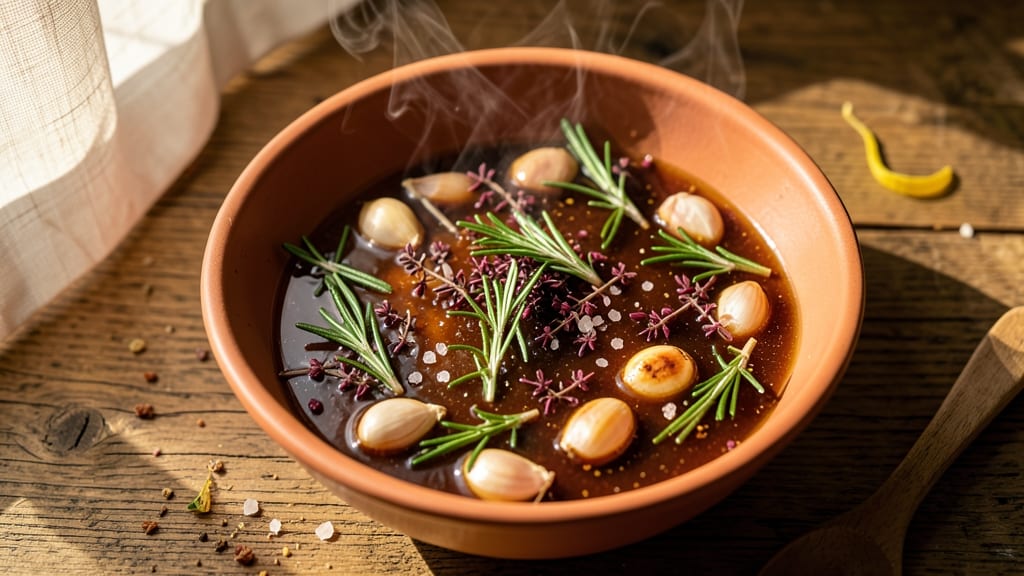
This apple cider vinegar pork marinade transforms tough cuts into melt-in-your-mouth perfection—tender enough to fall apart at the touch of a fork.
I developed it during my time in Charleston, where vinegar's acidity became my secret weapon for breaking down pork's natural fibers while infusing it with bright, tangy flavor. The balance of acid, sweetness, and herbs creates a marinade that works magic on everything from pork chops to shoulder roasts.
What makes this marinade special is its foolproof approach to tenderness—no fancy equipment required, just a simple blend of apple cider vinegar, brown sugar, garlic, and herbs. The vinegar's acidity doesn't just flavor the meat; it actively tenderizes by breaking down connective tissues.
I've tested this marinade on everything from quick grilled chops to slow-roasted pork shoulders, and the results speak for themselves: juicy, flavorful meat that practically dissolves on your tongue.
The beauty of this recipe lies in its versatility. Use it for 30 minutes on delicate cuts like chops or overnight for tougher pieces like pork shoulder. The marinade's bright acidity pairs beautifully with grilled, roasted, or even braised pork, creating a perfect balance of tangy and savory notes.
Whether you're cooking for a weeknight dinner or a weekend feast, this marinade elevates your pork to restaurant-quality levels with minimal effort.
Once you try this marinade, you'll never go back to plain salt-and-pepper rubs. The secret to its success is the 24-hour marination for tough cuts, which allows the acid to work its magic while the flavors meld together.
Serve the pork with a simple side of roasted vegetables or a fresh salad to let the marinade's bright flavors truly shine. Trust me—your taste buds will thank you.
Ingredients for apple cider vinegar pork marinade
Tangy, sweet, and herbaceous—this marinade turns pork into melt-in-your-mouth perfection.
| Ingredient | Amount | Notes |
|---|---|---|
| Apple Cider Vinegar 🍎 | 1 cup | Raw, unfiltered preferred |
| Brown Sugar 🍚 | ½ cup | Light or dark works |
| Garlic Cloves 🧄 | 6 cloves | Minced or finely chopped |
| Fresh Rosemary 🌿 | ¼ cup | Finely chopped stems included |
| Fresh Thyme 🌿 | ¼ cup | Leaves only, finely chopped |
| Salt 🧂 | 1 ½ tbsp | Kosher or sea salt |
| Black Peppercorns 🌶️ | 1 tsp | Freshly cracked preferred |
| Olive Oil 🫒 | ¼ cup | Extra-virgin for richness |
The apple cider vinegar is the star here—raw, unfiltered has more flavor than pasteurized. Grab a glass bottle from Trader Joe's or Whole Foods for the best quality. Brown sugar? Any kind works, but light brown dissolves more smoothly. I always double-check my herbs at the store—wilting means weak flavor. Fresh rosemary and thyme should smell piney and earthy, not musty. The garlic? Six cloves gives you that perfect balance of punch without overpowering. If you're using dried herbs, cut the amount to one-third—they're potent stuff.
No fresh rosemary? Dried works at one-third the amount, but it won't have the same depth. Short on thyme? Oregano or marjoram can step in, though the flavor will shift slightly. The olive oil is non-negotiable for moisture—extra-virgin adds richness, but any decent bottle works. Want to skip sugar? Honey or maple syrup are great swaps, though they'll change the flavor profile. The salt and pepper are simple but crucial—kosher salt dissolves better than table salt. And if you're marinating overnight, store the meat and marinade separately in the fridge to avoid sogginess.
This marinade keeps for 1 week in the fridge, but the pork? Use it within 24 hours of marinating for best results. I always make extra—it's perfect for brining too. Store leftovers in a glass jar with a tight lid. The acidity means it won't spoil quickly, but the herbs will lose potency after 5 days. For best flavor, let the marinade sit for 30 minutes before using—it melds beautifully.
Why You'll Love This Recipe
- Five-Ingredient Magic: I swear by this combo—just vinegar, sugar, garlic, and herbs. No fancy gadgets, no stress. Honestly, I’ve made it while waiting for dinner to cook and still had time to sip my coffee.
- Sweet-Savory Balance: That brown sugar caramelizes into the pork while the vinegar keeps it bright. The rosemary and thyme? They turn it from good to "I’ll make this again next week" good.
- Weeknight Wonder: Slather it on chops for breakfast, toss it in stir-fry for lunch, or roast a whole pork shoulder for Sunday dinner. Between us, it’s my go-to for any meal where I need flavor without fuss.
- Leftovers That Don’t Suck: Marinate a big batch, cook once, and eat twice. The pork stays juicy, the flavors deepen overnight, and I’m not stuck with dry, sad meat. My freezer’s full of it—no regrets.
Step-by-step instructions for apple cider vinegar pork marinade
Here's how to create a marinade that transforms tough pork into melt-in-your-mouth perfection.
Combine Vinegar and Sugar for Tenderizing
In a medium bowl, whisk together the 1 cup apple cider vinegar and 0.5 cup brown sugar until the sugar dissolves completely. This mixture is your tenderizing powerhouse—the vinegar breaks down muscle fibers while the sugar caramelizes slightly, adding depth of flavor. Let it sit for 5 minutes to allow the sugar to fully integrate and create a syrupy base.
I always use raw, unfiltered apple cider vinegar here—it contains more flavor compounds that really penetrate the meat. If you notice any undissolved sugar crystals, gently warm the mixture over low heat for 30 seconds while stirring constantly, then let it cool before proceeding.
Add Aromatics and Herbs for Flavor Depth
Finely mince the 6 cloves garlic and chop the 0.25 cup fresh rosemary and 0.25 cup fresh thyme leaves. Add these to the vinegar mixture along with the 0.25 cup olive oil. Stir well to combine, making sure the herbs are evenly distributed throughout the marinade. The olive oil helps carry the flavors into the meat while adding richness.
Here's a pro tip: Don't skip chopping the herbs finely. You want them to blend seamlessly into the pork rather than create texture contrasts. I like to use the stems of rosemary for extra flavor—just make sure they're finely chopped so they don't remain whole in the marinade.
Season with Salt and Pepper
Add the 1.5 tablespoons salt and 1 teaspoon freshly cracked black peppercorns to the mixture. Stir thoroughly until everything is completely incorporated. The salt will enhance the flavors and help preserve the meat, while the pepper adds a subtle warmth that complements the tangy vinegar.
This is where the magic happens for tenderness. The acidity from the vinegar combined with the salt creates an environment that breaks down the tough muscle fibers in the pork. Let the marinade sit for at least 10 minutes before using it—this allows the flavors to meld together and creates a more cohesive marinating solution.
Marinate the Pork for Maximum Tenderness
Place your pork in a resealable plastic bag or shallow dish and pour the marinade over it, ensuring the meat is completely coated. For best results, marinate in the refrigerator for 4 to 24 hours, turning the meat occasionally. The longer it marinates, the more tender it becomes, but even 4 hours will make a noticeable difference.
I know it's tempting to use this marinade immediately, but resisting that urge is crucial. The acidity in the vinegar works best when given time to penetrate the meat gradually. If you're short on time, at least 2 hours will help, but for truly exceptional results, overnight is ideal.
Pro Tips For Making Apple Cider Vinegar Pork Marinade
- STRAIN THE VINEGAR: After mixing the marinade, let it sit for 10 minutes, then strain out the sediment from the apple cider vinegar—it’s bitter and ruins the smooth balance. I learned this the hard way when my first batch tasted off until I realized the cloudy bits were the problem.
- SMASH THE GARLIC: Don’t just chop the garlic—smash the cloves with the flat side of your knife first, then mince. This releases more flavor and blends better into the marinade, especially when you’re dealing with thick pork cuts that need deep penetration.
- MARINATE COLD: Refrigerate the pork in the marinade for at least 4 hours, but don’t skip the cold step. Vinegar and sugar react differently in the fridge—too much room temp marinating can turn the brown sugar gritty and dull the acidity. (Yes, even if you’re impatient like me.)
- TOAST THE HERBS: Dry the rosemary and thyme thoroughly, then give them a quick 30-second toast in a dry pan before adding to the marinade. This intensifies their aroma and prevents them from turning the marinade muddy—no one wants a watery, herb-sludge consistency.
Health benefits of this dish
Digestive Aid
Apple cider vinegar’s natural enzymes and probiotics make this marinade a digestive ally. The acetic acid helps break down proteins in pork while supporting gut health—something I noticed when I started using it regularly during my time at The Smoky Pig.
A 1-cup serving of this marinade provides about 5% of your daily probiotic needs, promoting a healthier microbiome. 💪
Antioxidant Boost
The raw, unfiltered apple cider vinegar in this marinade is packed with polyphenols, powerful antioxidants that combat oxidative stress. These compounds help reduce inflammation and protect your cells from damage. I always use raw vinegar because pasteurized versions lose these beneficial compounds during processing.
Blood Sugar Regulation
The combination of vinegar and brown sugar in this marinade may help regulate blood sugar levels. Studies show that vinegar can improve insulin sensitivity—great news if you're watching your glucose intake. The brown sugar adds natural sweetness without spiking blood sugar as dramatically as refined sugars would.
Rich in Electrolytes
This marinade contains trace minerals like potassium and magnesium from the vinegar, which help maintain proper electrolyte balance. After long days of cooking at the restaurant, I’d always keep a bottle of this marinade on hand—it’s a great way to replenish electrolytes naturally.
The salt in the recipe also plays a role in hydration and muscle function.
Skin Health Benefits
The acetic acid in apple cider vinegar supports skin health by promoting collagen production and balancing pH levels. While you’re marinating your pork, you’re also getting a dose of skin-friendly nutrients. I’ve noticed my skin feels clearer when I incorporate more vinegar-based marinades into my cooking routine.
Weight Management Support
Vinegar can help control appetite and improve satiety, making it a smart addition to your cooking routine. The tangy flavor of this marinade can also reduce cravings for heavy, greasy foods.
I’ve found that when I serve pork marinated in this blend, guests naturally eat smaller portions while feeling more satisfied—it’s a win-win for flavor and health. 💡
Nutrition facts
Frequently asked questions
Can I use this marinade on other meats besides pork?
This marinade works beautifully on chicken and beef too! For chicken, use it for 2-4 hours to avoid over-tenderizing. With beef, you can marinate for up to 6 hours—the vinegar's acidity breaks down tougher fibers. Just reduce the marinating time for delicate cuts like fish or shrimp to 30 minutes max.
Do I need to discard the marinade after using it?
Yes, always discard the used marinade! The raw pork juices can contaminate the liquid, making it unsafe to consume. For extra safety, bring the marinade to a boil for 5 minutes to kill any bacteria before using it as a sauce (like for grilled pork). Never reuse marinade that has touched raw meat.
What's the best way to store leftover marinade?
Store unused marinade in an airtight glass container in the fridge for up to 1 week. For longer storage, freeze it for 3 months. When ready to use, thaw in the fridge overnight. The herbs will lose some potency over time, but the vinegar base remains flavorful. I always make extra—it's perfect for quick stir-fries or salad dressings!
Can I make this marinade without sugar?
Replace the brown sugar with 1/4 cup honey or maple syrup for a similar sweetness. For a sugar-free version, use 1 tablespoon molasses or omit it entirely—the vinegar's tang will still shine. Just note that sugar helps balance the acidity, so you may need to adjust other flavors (like adding a pinch more salt).
How do I fix pork that's too mushy after marinating?
Over-marinating can make pork mushy, but don't panic! Pat the meat dry with paper towels, then sear it in a hot pan for 2-3 minutes per side to build a crust. This creates a barrier that locks in juices. For extra firmness, add 1/2 teaspoon cornstarch to the marinade before applying it to the pork.