
Main Courses
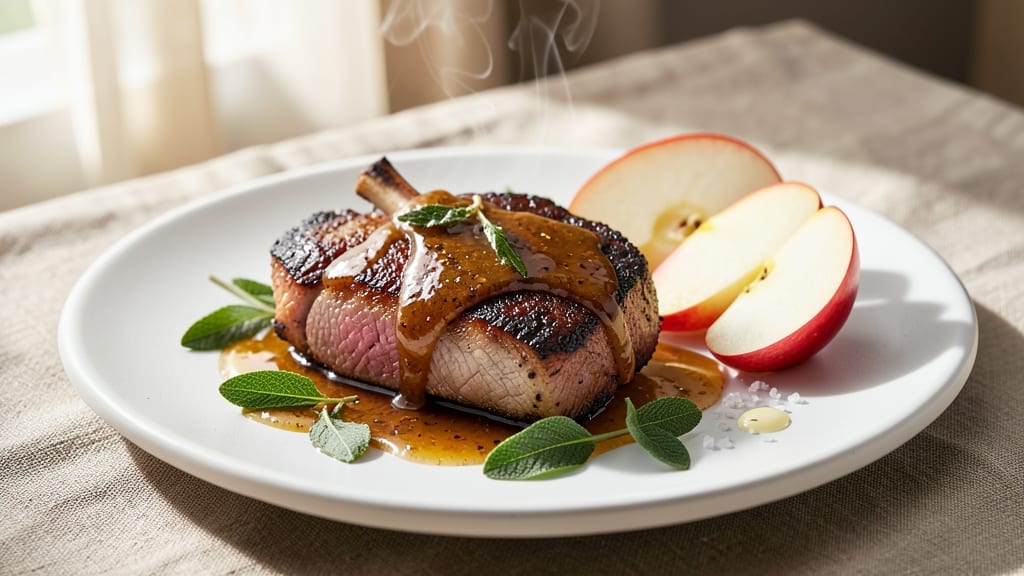
This apple sage pork chop recipe transforms a simple weeknight dinner into a restaurant-worthy meal with minimal effort. 🔥 The secret lies in pan-searing bone-in chops until golden, then finishing them with caramelized apples and fresh sage—a technique I perfected after years of working with heritage pork.
The combination of sweet apples and earthy sage creates a perfect balance that elevates the natural richness of the meat.
What makes this recipe stand out is the foolproof method for achieving crispy edges and tender centers without overcooking. The apples aren't just a side—they're integrated into the cooking process, adding natural sweetness that complements the savory pork.
Fresh sage leaves, lightly toasted in the pan, release their aromatic oils, infusing every bite with a fragrant, herby depth. This dish comes together in under 45 minutes, making it ideal for weeknights while still feeling special enough for guests.
The result is a dish that's visually stunning and deeply satisfying: perfectly seared pork chops with glossy caramelized apples clinging to the edges, garnished with crisp sage leaves.
The apples add a touch of elegance while keeping the meal approachable, and the sage ensures every bite is aromatic and flavorful. Serve with roasted potatoes or a simple green salad to round out the plate—this recipe delivers restaurant-quality results with home-cook simplicity.
Whether you're cooking for a date night or a family dinner, this apple sage pork chop recipe delivers bold flavors and professional presentation without requiring advanced techniques.
The key is confidence in the pan, patience with the apples, and a willingness to let the herbs shine. Let's get cooking—your taste buds will thank you.
Ingredients for apple sage pork chop
Heritage pork, fresh herbs, and caramelized apples create this restaurant-worthy weeknight masterpiece.
| Ingredient | Amount | Notes |
|---|---|---|
| Bone-In Pork Chops 🥩 | 4 whole | Heritage pork, 1-inch thick |
| Honeycrisp Apples 🍎 | 2 medium | Peeled, cored, sliced thin |
| Fresh Sage Leaves 🌿 | ½ cup | Whole leaves, stems removed |
| Unsalted Butter 🧈 | 4 tbsp | European-style preferred |
| Extra-Virgin Olive Oil 🫒 | 1 tbsp | For searing |
| Diamond Crystal Kosher Salt 🧂 | 1 ½ tsp | Fine grain preferred |
| Freshly Ground Black Pepper 🌶️ | ½ tsp | Coarse grind |
| Granulated Garlic 🧄 | 1 tsp | Freshly minced preferred |
| Apple Cider Vinegar 🍶 | 1 tbsp | For caramelization |
| Brown Sugar 🍚 | 1 tbsp | Light or dark |
| Fresh Thyme Leaves 🌿 | ¼ tsp | Dried at 1/4 amount |
| Russet Potatoes 🥔 | 2 medium | For serving, cubed |
| Baby Spinach 🌱 | 2 cups | For garnish |
The pork chops make all the difference here—heritage pork has more flavor and fat content, but any bone-in chop will work. Local butchers or specialty grocers like Whole Foods or Wegmans carry high-quality cuts. Look for chops with good marbling and even thickness (about 1-inch). If you can't find heritage pork, Yorkshire or Duroc are excellent alternatives. The apples should be firm with a crisp bite—Honeycrisp or Fuji are ideal, but Granny Smith adds tang. Slice them thinly before cooking for even caramelization.
No fresh sage? Dried sage at one-third the amount works in a pinch, but fresh releases more aroma. The apple cider vinegar can be swapped for lemon juice, though it won't caramelize as nicely. Running short on butter? Olive oil or ghee maintains the sear, though butter adds richness. For the potatoes, Yukon Golds hold their shape better than Russets when roasted. Prefer a different herb? Rosemary or thyme pair beautifully—just adjust the amount to taste. The key is balancing sweetness (apples, brown sugar) with savory (pork, herbs).
Store fresh herbs in damp paper towels for up to 5 days—sage stays vibrant longer this way. Pork chops can be prepped a day ahead (pat dry and season), but sear them the same day for best texture. The apples release more flavor after sitting, so caramelize them 10 minutes before serving. Leftover chops reheat beautifully in a skillet with a splash of broth. Portion the potatoes separately—they're best served hot and crispy, not soggy.
Why You'll Love This Recipe
- One-Pan Magic: I swear by this—just toss the pork chops, sliced apples, and sage on one sheet, roast it, and walk away. No chopping boards, no extra pots, just that golden, sticky mess that’s almost too easy to resist.
- Caramelized Crunch: That crispy apple skin and sage-infused butter? It’s like autumn in your mouth. The pork stays juicy, the apples turn sweet-tart, and the butter? It’s the secret weapon—don’t skip it.
- Weeknight or Weekend: Dinner for two or a dinner party? Same recipe. Serve it with mashed potatoes for a cozy night in or over crusty bread for guests. Honestly, it’s the kind of dish that works everywhere.
- Budget-Friendly Luxury: Bone-in pork chops stretch further than you’d think, and Honeycrisp apples add that fancy touch without breaking the bank. Plus, leftovers reheat like a dream—just slap them in the oven with a splash of water.
Step-by-step instructions for herb-infused pan-seared pork chops
Master this technique and you'll achieve perfectly seared pork chops with caramelized apples every time.
🔥 Step 1: Sear the Pork Chops to Golden Perfection
Pat the 4 whole Bone-In Pork Chops completely dry with paper towels—this is critical for achieving that perfect crust. Heat a large skillet over medium-high heat until it's smoking hot, then add 1 tablespoon Extra-Virgin Olive Oil. Let it shimmer for 30 seconds before adding the pork chops.
Place the pork chops in the skillet and let them sear undisturbed for 3-4 minutes until they develop a deep golden-brown crust on each side. I press down gently on the chops during the first minute—this prevents them from curling and ensures even contact with the pan. Flip carefully using a pair of tongs, then continue cooking for another 3-4 minutes until the internal temperature reaches 145°F.
🍳 Step 2: Create the Apple Sage Pan Sauce
Remove the pork chops from the skillet and set them aside on a warm plate. Reduce the heat to medium and add 2 tablespoons Unsalted Butter to the same skillet. Let it melt completely, then add the 2 medium Honeycrisp Apples sliced thin and the 0.5 cup Fresh Sage Leaves. Cook for 3-4 minutes until the apples begin to soften and release their juices.
Add 1 tablespoon Apple Cider Vinegar, 1 tablespoon Brown Sugar, 1 teaspoon Granulated Garlic, 1.5 teaspoons Diamond Crystal Kosher Salt, and 0.5 teaspoon Freshly Ground Black Pepper. Stir well and let the mixture simmer for 2-3 minutes until the apples are tender and the sauce has thickened slightly. The aroma should be rich and aromatic—this is where the magic happens.
🥘 Step 3: Finish the Pork Chops with Herb Butter
Return the pork chops to the skillet and spoon the apple sage sauce generously over them. Add the remaining 2 tablespoons Unsalted Butter and 0.25 teaspoon Fresh Thyme Leaves, then tilt the skillet to baste the chops with the sauce. Let them cook for an additional 1-2 minutes to absorb the flavors.
Here's the thing—don't overcrowd the pan. If you're cooking all four chops at once, work in batches if needed. The goal is to maintain that beautiful sear while finishing the sauce. Once the chops are fully coated and the sauce has thickened to your liking, transfer them to a serving platter.
🍽️ Step 4: Prepare and Serve with Sides
While the pork chops rest for 5 minutes (critical for juiciness), prepare the sides. Peel and cube the 2 medium Russet Potatoes, tossing them with 1 tablespoon Extra-Virgin Olive Oil, 0.5 teaspoon Diamond Crystal Kosher Salt, and 0.25 teaspoon Freshly Ground Black Pepper. Roast at 400°F for 25-30 minutes until golden and crispy.
Wilt the 2 cups Baby Spinach in the same skillet used for the pork chops, adding a splash of water if needed to create a quick pan sauce. Plate the pork chops alongside the roasted potatoes and spinach, spooning the apple sage sauce over the top. Garnish with additional fresh sage leaves for a touch of elegance.
Pro Tips For Making Apple Sage Pork Chop
- SEAR THE CHOPS FIRST: I learned this the hard way—skipping the initial sear means your pork will steam instead of develop that rich crust. Hit the bone-in chops with a hot pan and olive oil for 3-4 minutes per side before adding anything else. The butter and apples can mingle later, but that first golden crust is non-negotiable.
- CORE THE APPLES THINLY: Honeycrisp apples are juicy, and thick slices will turn to mush while the pork cooks. Use a small spoon or melon baller to hollow out the center and leave a ¼-inch-thick shell—this keeps their shape and texture. (Yes, it looks weird, but it works every time.)
- DON’T OVERCROWD THE PAN: I used to toss everything in at once, and the pork ended up swimming in its own juices instead of browning. Cook the chops first in batches if needed, then add the apples and sage once they’re halfway done—this guarantees a proper sear and prevents soggy herbs.
- USE A SPLASH OF WATER: This isn’t the prettiest method, but it’s the tastiest. After searing the chops and apples, add 2 tablespoons of water to the pan. The steam will tenderize the pork and apples while the butter and sage infuse the sauce—no need for extra liquid or heavy cream. (Your future self will thank you.)
Storing and reheating this apple sage pork chop
Refrigerator Storage
Store leftover apple sage pork chops in an airtight container for up to 3 days at 40°F or below. I always let the chops cool to room temperature for 10 minutes before refrigerating to prevent condensation.
The caramelized apples and sage sauce cling beautifully to the meat when stored properly, so I recommend keeping them in the same container if you plan to reheat together. 🥩
Freezer Preparation
For longer storage, freeze the pork chops and sauce separately. Place the chops in a single layer on a tray before transferring to a freezer bag—this prevents them from sticking. The sauce freezes well in an ice cube tray for portion control.
Label everything with the date and freeze for up to 3 months. I find the texture holds best when reheated from frozen in a skillet. ❄️
Reheating Methods
For best results, reheat pork chops in a skillet over medium heat for 3-4 minutes per side until reaching 165°F internal temperature. Add a splash of apple cider or water to the pan to prevent drying.
The sauce reheats beautifully—simmer it separately for 2 minutes if you froze it in portions. Never microwave these chops—they lose their crispy texture and sauce consistency. 🔥
Reviving Sides
Roasted potatoes reheat best in a 400°F oven for 10-15 minutes until crispy again. For spinach, simply wilt fresh leaves in a dry pan for 1 minute.
I always keep the sides separate when storing to maintain their individual textures. The spinach stays vibrant when stored in a paper towel-lined container with minimal air. 🥔
Garnish Refresh
Before serving reheated chops, add fresh sage leaves and a drizzle of honey to revive the presentation. The fresh herbs brighten the flavors, making reheated chops taste almost as good as fresh.
I also keep a small jar of apple cider vinegar on hand to quickly deglaze the pan if needed. This simple touch makes all the difference. 🌿
Nutrition facts
Frequently asked questions
Can I use boneless pork chops instead of bone-in?
Yes, but the cooking time will be slightly shorter—boneless chops typically cook about 1-2 minutes faster per side. The key is to use a meat thermometer to check for 145°F internal temperature regardless of bone status. Boneless chops also benefit from a quick sear on both sides before finishing with the apple sage sauce.
What if I don't have fresh sage?
Use 1/3 teaspoon dried sage instead, but toast it in the pan first for 30 seconds to release its aroma. For extra depth, add 1/4 teaspoon dried thyme or 1/2 teaspoon rosemary to complement the apples. The flavor won't be identical, but it'll still taste delicious.
How do I prevent the pork chops from drying out?
Never skip the 5-minute rest after cooking—the meat continues cooking off the heat. Also, use a meat thermometer to avoid overcooking (aim for 145°F). For extra moisture, baste the chops with their own juices or the apple sauce during the final 1-2 minutes of cooking.
Can I make this recipe in a slow cooker?
Not ideal for pork chops—they need that crispy sear for texture. However, you could sear them first, then transfer to a 300°F oven with the apple sage sauce for 15-20 minutes to finish gently. The slow cooker works better for pulled pork or braised dishes.
What's the best way to caramelize the apples?
Slice them thinly and evenly (about 1/8-inch thick) for consistent cooking. Use medium heat and don't stir constantly—let them brown for 2-3 minutes before adding the vinegar and sugar. The apples should be tender but still hold their shape when done.