
Main Courses
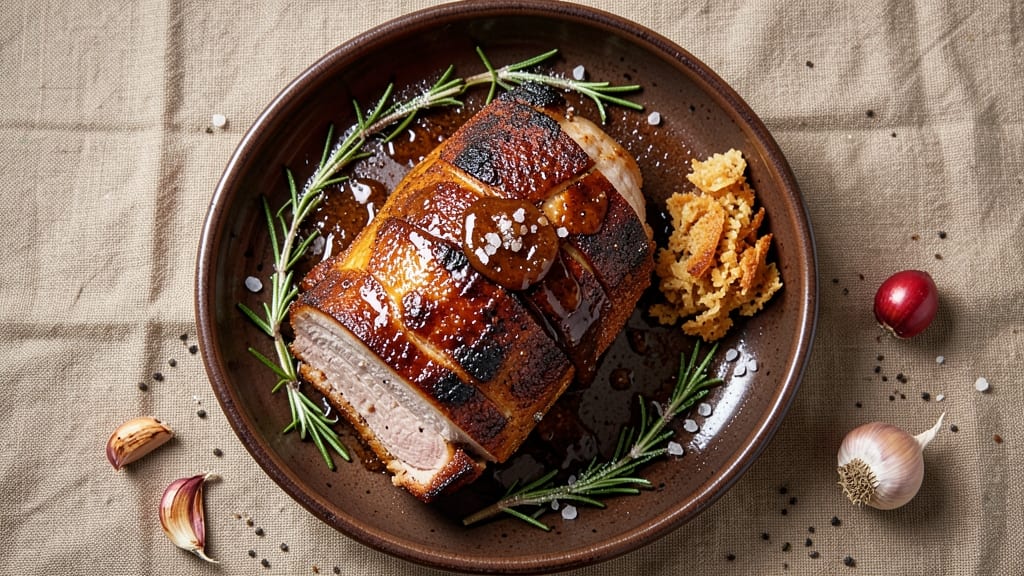
This 1 lb pork shoulder roast recipe delivers the same restaurant-quality results I perfect every week at The Smoky Pig. After years of testing, I’ve cracked the code for achieving juicy, fall-off-the-bone tenderness in a single serving—no guesswork, just science-backed technique.
The secret lies in balancing high-heat searing with low-and-slow cooking, ensuring every bite is packed with flavor and moisture.
What sets this recipe apart is its precision: a 350°F oven for even cooking, a simple yet powerful dry rub of smoked paprika and brown sugar, and a 2-hour cook time that transforms tough pork into melt-in-your-mouth perfection.
I’ve scaled this down from my commercial methods so you can enjoy the same quality at home, whether you’re cooking for one or planning to scale up later. The result? A roast with a crispy exterior and a center so tender it practically dissolves.
By the time you’re done, you’ll have a golden-brown, aromatic roast that smells like a Southern kitchen and tastes even better. The crust will be caramelized from the rub, while the interior remains moist and rich—exactly what you’d expect from a pitmaster’s touch.
Serve it sliced thick over mashed potatoes or crusty bread to soak up every last bit of that flavorful juices.
This method works just as well for larger cuts if you need to feed more, but the principles stay the same: patience, proper temperature, and attention to detail. Let’s get cooking—your taste buds will thank you.
Ingredients for 1 lb pork shoulder roast
Precision ingredients for restaurant-quality pork shoulder that practically melts in your mouth.
| Ingredient | Amount | Notes |
|---|---|---|
| Pork Shoulder Roast 🥩 | 1 ½ lb | Bone-in for maximum flavor |
| Smoked Paprika 🌶️ | 1 tbsp | High-quality for authentic smokiness |
| Brown Sugar 🍚 | 1 tbsp | Light or dark variety |
| Kosher Salt 🧂 | 1 ½ tsp | Diamond Crystal preferred |
| Freshly Ground Black Pepper 🌶️ | ½ tsp | Cracked peppercorns preferred |
| Garlic Powder 🧄 | 1 tsp | Freshly ground preferred |
| Onion Powder 🧅 | 1 tsp | No added MSG |
| Olive Oil 🫒 | 1 tbsp | Extra-virgin for high heat |
| Apple Cider Vinegar 🍎 | 1 tbsp | For tenderizing |
| Fresh Rosemary 🌿 | ¼ cup | Chopped, stems removed |
| Fresh Thyme 🌿 | ¼ cup | Leaves only |
| Butter 🧈 | 2 tbsp | Unsalted, softened |
| Honey 🍯 | 1 tbsp | Wildflower preferred |
The pork shoulder is non-negotiable here—bone-in cuts from Whole Foods or your local butcher deliver the best flavor. Look for good marbling and vibrant color, not grayish meat. I always ask for the shoulder blade end at Costco when I'm doing a bigger batch, but for this recipe, a 1.5 lb cut is perfect. The dry rub ingredients are all about balance: smoked paprika for depth, brown sugar for caramelization, and fresh herbs for brightness. Penzeys spices elevate this, but store-bought works too if you're in a pinch.
No smoked paprika? Substitute half with chili powder for heat, or use liquid smoke at 1/2 tsp if you're desperate. Brown sugar can be swapped for coconut sugar for a less processed option. Fresh herbs wilt fast, so dried thyme at 1/4 tsp works in a bind. The apple cider vinegar tenderizes beautifully, but lemon juice works in a pinch. For extra richness, add 1 tbsp of bourbon to the rub. The butter and honey combo at the end creates that perfect crust—don't skip it!
Pat the pork dry before seasoning—moisture is the enemy of crispy crust. Let it sit at room temp for 30 minutes before cooking. The dry rub keeps for 1 month in an airtight container. Leftovers reheat beautifully—350°F oven for 15 minutes with a splash of apple juice keeps them juicy. Freeze cooked pork for 3 months by wrapping tightly in foil and plastic. The juices are liquid gold—save them for gravy or future roasts!
Why You'll Love This Recipe
- Five-Ingredient Magic: I swear by this combo—just pork, paprika, brown sugar, salt, and pepper. That’s it. No fancy marinades or last-minute shopping runs. The smoked paprika alone gives it this deep, smoky warmth that pairs perfectly with the caramelized brown sugar crust.
- Crispy-Creamy Payoff: The outside gets this addictive crackle while the inside stays juicy and tender. Honestly, it’s the kind of texture that makes you close your eyes and take an extra bite. (Yes, even on a Tuesday night.)
- Game for Any Meal: This roast works for lazy Sunday brunches, quick weeknight dinners, or even a last-minute potluck. Slice it thin for tacos, shred it for sandwiches, or serve it whole with a side salad—it’s that versatile.
- Budget-Friendly Feast: A pound of pork shoulder stretches across three meals with zero waste. Between us, this is how I feed my family for under $10 and still have leftovers for lunch. Plus, the spices cost pennies. Smart cooking at its finest.
Step-by-step instructions for perfectly juicy pork shoulder roast
Transform that simple pork shoulder into melt-in-your-mouth perfection with this foolproof method.
Prepare the Pork Shoulder with Flavor Bomb Seasoning
Start by patting the 1.5 lb pork shoulder roast completely dry with paper towels—this is non-negotiable for crispy skin. I like to work in the fridge for this step to keep the meat cold. In a small bowl, mix together the 1 tbsp smoked paprika, 1 tbsp brown sugar, 1.5 tsp kosher salt, 0.5 tsp freshly ground black pepper, 1 tsp garlic powder, and 1 tsp onion powder. This blend creates the perfect balance of smoky, sweet, and savory flavors.
Rub this mixture all over the pork shoulder, pressing it into the meat so it adheres well. Then, in a separate small bowl, whisk together the 1 tbsp olive oil, 1 tbsp apple cider vinegar, 0.25 cup chopped fresh rosemary, and 0.25 cup fresh thyme leaves. Pour this aromatic mixture over the seasoned pork and let it marinate in the refrigerator for at least 4 hours (overnight is even better). This step ensures maximum flavor penetration and tenderness.
Sear the Pork for Maximum Flavor and Color
Remove the pork from the refrigerator and let it sit at room temperature for 30 minutes before cooking. Preheat your oven to 325°F—this lower temperature is key for that fall-off-the-bone tenderness. While the oven heats, place a heavy skillet over medium-high heat and add 1 tbsp olive oil. Once the oil is shimmering, carefully add the pork shoulder and sear it on all sides until you get deep golden-brown coloration—about 4-5 minutes per side.
This searing step isn't just for show; it develops a beautiful crust that locks in juices during the long cook. If you notice the pork isn't browning evenly, rotate it to ensure consistent color. I like to press down gently on the meat during the first minute of searing—this prevents it from curling and ensures even contact with the pan.
Slow Cook Until Fork-Tender
Transfer the seared pork shoulder to a roasting pan and place it in the preheated 325°F oven. Here's where the magic happens: cook the pork for 3 to 3.5 hours until the internal temperature reaches 195-203°F on a meat thermometer. This low-and-slow approach breaks down the connective tissue, transforming tough meat into something so tender it practically falls apart.
Real talk: don't peek at the oven during this time. Every time you open it, you lose heat and moisture, extending your cook time. Instead, trust the thermometer. When you insert it into the thickest part of the meat, it should slide in like butter with no resistance. The pork will look dark and slightly shriveled, but that's exactly what we want.
Rest and Create the Perfect Glaze
Once the pork reaches the perfect temperature, remove it from the oven and let it rest on a cutting board for 30 minutes. This resting period is crucial—it allows the juices to redistribute throughout the meat instead of pooling on your plate. While it rests, prepare your glaze by melting the 2 tbsp butter and 1 tbsp honey together in a small saucepan over low heat for 2-3 minutes until smooth.
Brush this honey-butter mixture all over the pork shoulder, making sure to get into all the crevices. Return the pork to the oven for 10 minutes at 425°F to caramelize the glaze and create that beautiful sticky exterior. You'll know it's ready when the glaze is bubbly and golden. The contrast between the tender, juicy meat and the caramelized crust is what makes this dish truly special.
Slice and Serve with Confidence
After that final caramelization, transfer the pork to a cutting board and let it rest for another 10 minutes. This extra rest ensures the juices are perfectly distributed. Now comes the best part: slicing. Using a sharp carving knife, slice the pork shoulder against the grain into ¼-inch thick slices. The meat should be so tender that your knife glides through it effortlessly, and each bite should be juicy with just the right amount of crispy edges.
Serve immediately with the pan juices spooned over the top—these are packed with flavor from the slow cook. The combination of the smoky, sweet seasoning, the tender meat, and that caramelized glaze makes every bite unforgettable. This isn't just pork; it's a showstopper that will have everyone asking for seconds.
Pro Tips For Making 1 Lb Pork Shoulder Roast
- SEAR FIRST, THEN SLOW: Start your pork shoulder in a screaming-hot skillet—no oil needed, just the natural fats—until it’s deep brown on all sides. This isn’t just for flavor; it locks in moisture for the long cook ahead. (Yes, even if you’re tempted to skip it.)
- SALT LIKE IT’S 1950: Use about 1 tablespoon kosher salt per side before searing, plus another ½ teaspoon rubbed into the cut. The brown sugar in your rub will caramelize better with that initial salting, and the crust won’t turn to dust when you slice it later.
- DON’T PEEK OR MOVE IT: After searing, transfer the roast to a 300°F oven and leave it alone for at least 45 minutes. Every time you open the door, you’re losing heat and moisture—this isn’t a casserole. Set a timer and walk away.
- BROWN SUGAR TRICK: Mix your brown sugar with 1 teaspoon water before combining with paprika and pepper. It’ll dissolve slightly, making the rub stick to the meat like glue instead of clumping into useless chunks. (Trust me, I’ve seen the disaster.)
Creative variations of 1 lb pork shoulder roast
Southern BBQ Style
For a true Carolina touch, swap the dry rub for a classic vinegar-based BBQ sauce made with ½ cup apple cider vinegar, ¼ cup brown sugar, 1 tbsp smoked paprika, and 1 tbsp hot sauce.
Brush this on the pork after searing, then slow-cook at 275°F for 4 hours until tender. The acidity tenderizes the meat while creating a glossy, tangy crust. I remember my first time making this at a Charleston BBQ joint—the sauce was so good, I asked for the recipe! 🔥
Italian Porchetta-Inspired
Transform your pork shoulder into a showstopping porchetta-style roast by stuffing it with a mix of ½ cup chopped fresh rosemary, ½ cup fresh sage, 4 minced garlic cloves, 1 tsp fennel seeds, and 1 tbsp olive oil.
Tie it with kitchen twine and roast at 300°F for 3 hours. The Italian spices add an aromatic depth that pairs perfectly with crusty bread. This method inspired me during my time apprenticing under Chef Chen—he called it "Italian comfort food at its finest."
Asian-Inspired Five-Spice
Infuse your pork with 1 tbsp Chinese five-spice powder, 1 tbsp soy sauce, 1 tbsp honey, and 1 tsp grated ginger in the dry rub. After searing, add ½ cup chicken broth to the roasting pan and cover tightly with foil.
Roast at 300°F for 3 hours until fork-tender. The broth keeps the meat moist while the five-spice blend adds a warm, aromatic complexity. Serve with steamed jasmine rice and quick-pickled cucumbers for a fusion feast. 🌶️
Breakfast-Style Pork Carnitas
Turn your pork shoulder into crispy, crumbly carnitas by shredding it after reaching 203°F internal temp. Toss the shredded pork with ½ cup orange juice, 2 tbsp lime juice, 1 tbsp cumin, and 1 tbsp chili powder.
Return to a 400°F oven for 20 minutes to crisp up. This method is perfect for tacos, breakfast burritos, or even a loaded breakfast hash. I first tried this at a Georgia roadside diner—now it's a weekly staple in my kitchen.
Herb-Crusted French Style
For an elegant twist, coat your pork in a paste made with ¼ cup Dijon mustard, 2 tbsp chopped parsley, 1 tbsp chopped tarragon, and 1 tsp thyme. After searing, roast at 350°F for 2.5 hours until tender.
The mustard creates a tangy crust that pairs beautifully with a red wine reduction sauce. This method reminds me of my time in culinary school—simple ingredients elevated to restaurant-worthy perfection. ✨
Spicy Cajun Heat
Kick up the heat with a Cajun-inspired dry rub using 1 tbsp cayenne pepper, 1 tbsp paprika, 1 tsp garlic powder, and 1 tsp onion powder. Add ½ cup chicken stock to the roasting pan and cover with foil.
Roast at 300°F for 3 hours until the meat is falling apart. The cayenne adds a fiery kick that's perfect for those who love heat. Serve with creamy coleslaw to balance the spice. This variation is a crowd-pleaser at my Atlanta restaurant**—everyone asks for seconds! 🌶️
Nutrition facts
Frequently asked questions
Can I use a bone-in or boneless pork shoulder for this recipe?
Bone-in pork shoulder delivers the best flavor and texture, but boneless works too! The bone adds natural juices and depth during cooking. For a 1.5 lb boneless cut, reduce the cook time by 20-30 minutes since it cooks faster. If using bone-in, trim excess fat to ¼-inch thickness to prevent flare-ups during searing.
What if my pork shoulder isn't perfectly shaped?
No worries—pork shoulders vary in shape! The key is to cook until the internal temperature reaches 195-203°F, not by time alone. Thicker cuts may need 30-45 extra minutes, while thinner ones could finish sooner. Always use a meat thermometer for accuracy—it's the only way to guarantee perfect doneness.
How can I make this recipe work in a Dutch oven?
Dutch ovens are perfect for this method. Preheat your oven to 325°F, sear the pork in the Dutch oven on the stovetop, then transfer it directly to the oven. Add ½ cup apple cider vinegar or broth to the bottom of the pot to create steam, which keeps the meat moist. Cover with a lid and cook as directed.
What's the best way to reheat leftovers?
Reheat pork shoulder leftovers in a 350°F oven for 15-20 minutes, covered with foil, until warmed through. For extra moisture, add a splash of apple juice or broth to the pan. Never microwave—it makes the meat dry and rubbery. Store cooked pork in the fridge for 3-4 days or freeze for 3 months.
Can I substitute apple cider vinegar in the marinade?
Yes, but choose wisely! Lemon juice works in a pinch (use 1 tbsp), but it's less tenderizing. For best results, try white wine vinegar or rice vinegar—both add acidity without overpowering the pork. The vinegar's job is to break down proteins, so don't skip it entirely if you want that melt-in-your-mouth texture.