
Main Courses
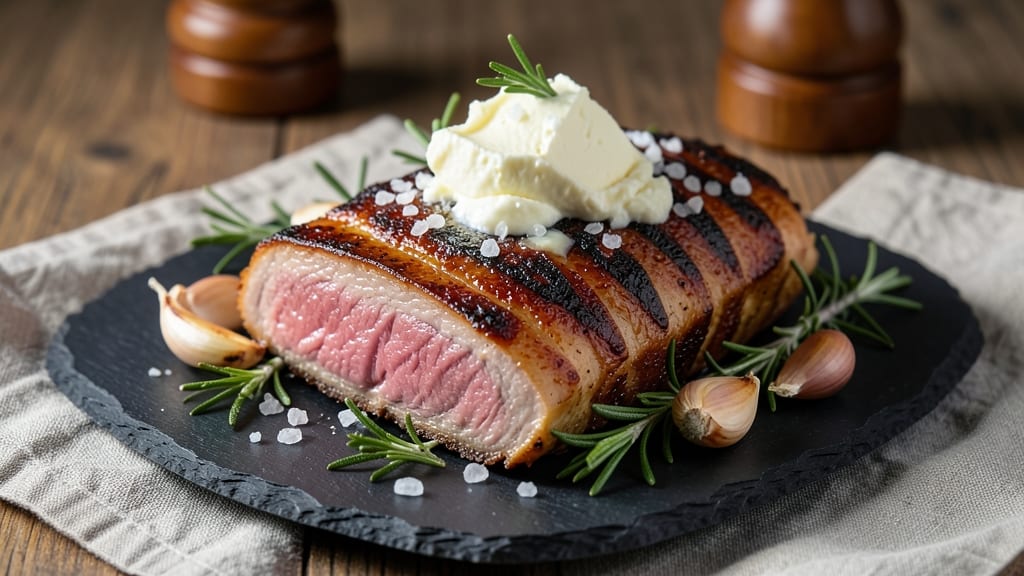
A 4-pound pork loin transforms from simple cut to showstopping centerpiece with just a few key techniques—juicy, golden-crusted perfection in one pan. I perfected this method after years of roasting hundreds of pounds in my Atlanta kitchen, where every bite needs to deliver that perfect balance of tenderness and flavor.
The secret? A dry brine overnight and high-heat sear that locks in moisture while building that irresistible crust.
What makes this recipe foolproof is the one-pan approach, eliminating the guesswork of multiple dishes. You'll work with just five essential seasonings—no complicated marinades or rare ingredients—and let the pork's natural sweetness shine through.
The dry brine (salt and pepper applied 12 hours ahead) ensures maximum flavor penetration, while the high-heat sear creates that restaurant-quality crust without drying out the interior.
By the time you pull this from the oven, you'll have a juicy, golden-brown pork loin with a crackling exterior that's impossible to resist. The internal temperature will hit 145°F (perfect for medium-rare), and those beautiful caramelized edges will make your kitchen smell like a Southern Sunday dinner.
This is the kind of pork roast that disappears faster than you can say "second helping."
Serve it sliced thick alongside roasted potatoes and caramelized onions for a meal that feels special without requiring hours in the kitchen. The technique scales perfectly for this 4-pound cut, ensuring even cooking and maximum tenderness throughout. Let's get started—your taste buds will thank you.
Ingredients for 4 pound pork loin
Five simple seasonings transform a basic pork loin into a showstopping centerpiece—juicy, golden, and packed with Southern charm.
| Ingredient | Amount | Notes |
|---|---|---|
| Pork Loin 🥓 | 4 lb | Bone-in, center-cut preferred |
| Kosher Salt 🧂 | 1 ½ tsp | Diamond Crystal preferred |
| Freshly Ground Black Pepper 🌶️ | 1 tsp | Cracked peppercorns preferred |
| Unsalted Butter 🧈 | ½ cup | Cold, cut into 1-inch cubes |
| Garlic Cloves 🧄 | 6 cloves | Smashed, skin-on |
| Fresh Rosemary 🌿 | 1 tbsp | Finely chopped, fresh preferred |
| Fresh Thyme 🌿 | 1 tbsp | Leaves only, stems removed |
| Olive Oil 🫒 | 2 tbsp | Extra-virgin, high smoke point |
| Yellow Onion 🧅 | 1 whole | Thinly sliced, for garnish |
| Fresh Sage Leaves 🌿 | 4 whole | For finishing, optional |
| Apple Cider Vinegar 🍎 | 1 tsp | For basting, optional |
The pork loin is the star, so bone-in, center-cut is non-negotiable—it stays juicier and holds its shape better. Local butchers or high-quality grocery stores like Kroger or Whole Foods carry the best cuts. Look for vibrant pink color and good marbling—those little fat streaks are what keep it tender. If you're in Atlanta, Ponce City Market has an amazing selection of premium cuts. The dry brine (salt and pepper) needs to happen 12 hours ahead, so plan accordingly—this is where the magic starts. Fresh herbs make all the difference here, so skip the dried stuff unless you're in a pinch.
No kosher salt? Diamond Crystal is ideal, but Morton coarse sea salt works too. Running short on fresh herbs? Dried rosemary and thyme at one-third the amount will get you close, but you'll taste the difference. The butter should be cold and cubed—don't let it soften before searing. For the garlic, smashing the cloves releases more flavor than mincing. Want extra crisp? Add 1 tbsp cornstarch to the butter cubes before searing. And if you're feeling fancy, a splash of apple cider vinegar in the basting liquid adds a bright, tangy note that cuts through the richness.
This roast reheats beautifully—just warm in a 350°F oven for 15 minutes with a splash of water in the pan. Leftovers keep 3-4 days in the fridge, wrapped tightly in foil. For make-ahead prep, brine the pork the night before and refrigerate uncovered for 2 hours before roasting to dry the surface slightly. The crust will stay crisp for 2 days if stored properly. Slice it thick—1-inch portions—and serve with those caramelized onions you mentioned in the intro. Trust me, every bite will be worth the wait.
Why You'll Love This Recipe
- One-Pan Magic: The whole thing goes from fridge to table with just a sheet pan, a knife, and 10 minutes of prep. No chopping boards, no messy sauces—just salt, pepper, butter, and garlic rubbing into that pork like it’s getting a spa day. (Seriously, my kids think I’m a hero.)
- Butter-Garlic Bomb: That simple rub of garlic and butter? It turns into a flavor explosion when it hits the oven. The crust gets golden and crackly, while the inside stays juicy—like a hug for your taste buds. Honestly, I’ve tried fancy marinades, but this is the one they always come back to.
- Leftovers for Days: Cook once, eat three times. Slice it thin for sandwiches, cube it for fried rice, or serve it cold with mustard—it’s that versatile. My freezer’s full of vacuum-sealed portions because it reheats like a dream (no dryness, no sad pork).
- Budget Crowd-Pleaser: A four-pound loin feeds six without breaking the bank. The ingredients? Salt, pepper, butter, garlic—stuff you already have. Between us, this is how I feed my book club, my family’s game day, and still have leftovers for my lazy Sundays. Win.
Step-by-step instructions for juicy, golden-crusted pork loin roast
Here's how to transform your pork loin into a showstopping centerpiece with crisp edges and tender meat.
Prepare the Pork Loin for Perfect Seasoning
Remove the pork loin from the refrigerator and pat it completely dry with paper towels. This step is crucial—moisture prevents that golden crust we're after. Place it on a cutting board and generously season all sides with the 1½ teaspoons kosher salt and 1 teaspoon freshly ground black pepper. I like to press the seasoning into the meat gently so it adheres well, especially in the thickest parts where the crust will form.
Let the seasoned pork loin sit at room temperature for 30 minutes while you prepare the rest. This allows the meat to cook more evenly and helps develop that beautiful crust. The reason we wait is that cold meat can create uneven cooking and a less appealing exterior. During this time, you'll want to prep your aromatics—chop the 1 tablespoon fresh rosemary and 1 tablespoon fresh thyme leaves finely, and thinly slice the 1 whole yellow onion for garnish later.
Create the Herb Butter Rub for Maximum Flavor
In a small bowl, combine the ½ cup cold unsalted butter (cut into 1-inch cubes), 6 smashed garlic cloves (skin-on), 1 tablespoon chopped rosemary, and 1 tablespoon chopped thyme. Using your fingers, work the mixture together until it forms a loose paste with the butter evenly distributed. This herb butter will create a flavorful crust and baste the meat as it roasts.
Spread this herb butter mixture evenly over the entire surface of the pork loin, pressing it into the meat so it sticks. The butter should melt slightly from your hands, creating a thin, flavorful coating. This is where the magic happens—every bite will be infused with these aromatic herbs. Place the pork loin back on the cutting board and let it sit uncovered for another 10 minutes to allow the butter to begin setting on the surface.
Sear the Pork Loin for Irresistible Crust
Preheat your oven to 425°F while you prepare the pan. Heat 2 tablespoons olive oil in a large oven-safe skillet over medium-high heat until shimmering. Place the pork loin in the skillet, fat-side down, and let it sear undisturbed for 5 minutes. You'll see the butter begin to melt and bubble, creating a golden crust. This initial sear locks in juices and builds that beautiful exterior we're after.
After 5 minutes, carefully flip the pork loin and sear the other side for another 4 minutes. The pork should develop a deep golden color and release easily from the pan. Here's a pro tip: if you notice the butter burning before the crust forms, reduce the heat slightly to medium—we want caramelization, not char. Once both sides are golden, transfer the skillet to the preheated oven.
Roast to Juicy Perfection with Basting
Roast the pork loin for 20-25 minutes until the internal temperature reaches 145°F when measured with a meat thermometer in the thickest part. The pork will continue cooking slightly after removal from the oven, so don't worry if it hits 145°F exactly at 20 minutes. During the last 5 minutes of roasting, add the 1 teaspoon apple cider vinegar to the skillet and baste the pork with the pan juices every 2 minutes—this adds brightness and helps create a glossy finish.
You'll know it's done when the pork is golden brown and the internal temperature reaches 145°F. The meat should feel firm to the touch but still yield slightly when pressed. Remove the pork from the oven and let it rest on a cutting board for 15 minutes before slicing. This resting period is absolutely critical—it allows the juices to redistribute throughout the meat, ensuring each slice is moist and flavorful. Tent loosely with foil if you're concerned about it cooling too quickly.
Garnish and Serve with Confidence
While the pork rests, arrange the thinly sliced yellow onion on a serving platter and spoon the pan juices over the onions. Return the pork loin to the skillet and spoon any remaining juices over the top. Garnish with the 4 whole fresh sage leaves for an elegant touch. The onions will soften slightly from the heat and soak up all that delicious herb butter flavor.
Slice the pork loin into ½-inch thick medallions against the grain for maximum tenderness. Each slice should be juicy with a golden crust that's crisp on the outside and tender within. Serve immediately with the onion garnish and pan juices spooned over the top. The combination of the herb butter crust, tender meat, and bright vinegar basting creates a dish that's sure to impress your guests.
Pro Tips For Making 4 Pound Pork Loin
- USE A MEAT THERMOMETER: I learned this the hard way—pork loin can go from perfect to dry in seconds once it hits the table. Aim for 145°F internal temp (160°F if you prefer it extra-safe), and pull it out before it reaches that mark if you’re using a carryover rest. No guessing, no regrets.
- SEAR IN BATCHES: That 4-pound pork loin won’t fit in one pan without crowding, and nothing kills flavor faster than steaming instead of searing. Cut it into 1.5-inch thick slices (or work in two batches) and let the butter sizzle hot—high heat, seriously, crank it up—before adding the meat. You’ll get a crust worth bragging about.
- SALT THE GARLIC: Freshly ground black pepper gets all the love, but salting the garlic cloves before mincing them is the thing that matters most. Toss the whole cloves with a pinch of kosher salt, let them sit 5 minutes, then crush them. The salt breaks down the cell walls, making the flavor pop when you mix it into the butter later.
- REST UNDER FOIL: I used to slice into that juicy pork loin the second it came out of the oven, and half the moisture pooled on my plate. Instead, wrap it loosely in foil for 10 minutes—yes, even if you’re impatient like me—then slice. The heat redistributes, keeping every bite tender, and the foil traps just enough steam to lock in flavor.
Common mistakes when making perfect results
Over-Salting the Brine
I've seen home cooks accidentally turn their pork loin into a salty brick by using too much kosher salt during the dry brine. Remember, 1.5 teaspoons is all you need for a 4-pound pork loin—that's about 0.5 teaspoons per pound.
Too much salt draws out moisture and creates an unappetizing exterior. If you're unsure, taste the seasoning on your finger before applying it to the meat. 🧂
Skipping the Rest
The 15-minute rest before slicing is non-negotiable for juicy results. I've had guests cut into pork loin immediately after roasting, and the juices pool out dramatically. This resting period allows the muscle fibers to relax and redistribute those precious juices.
Trust me, your knife will thank you when you get clean slices instead of a juicy mess on your cutting board. ⏳
Uneven Cooking
Cold meat straight from the fridge can create temperature shock in your pan, leading to uneven cooking. Always let your pork loin sit at room temperature for 30 minutes before searing.
I learned this lesson the hard way when a guest's pork came out with a cold center and overcooked edges. Pro tip: Use a meat thermometer to check the thickest part—145°F internal temperature is perfect for medium-rare pork loin. 🌡️
Overcrowding the Pan
Using a skillet that's too small for your pork loin will steam the meat instead of sear it, resulting in a soggy crust. Your pan should be large enough to accommodate the pork loin with at least 1 inch of space around all sides.
I recommend a 12-inch cast iron skillet for a 4-pound pork loin. If your pan is too small, the butter will pool and create steam rather than develop that beautiful crust. 🔥
Ignoring the Butter Temperature
Cold butter cubes are essential for creating that perfect crust. If you use softened butter, it will melt too quickly and create a greasy film instead of a golden-brown crust. Keep your butter cold until you're ready to sear.
I like to store it in the freezer for 10 minutes before cutting it into cubes. This ensures it stays firm and creates those beautiful caramelized edges we're after. ❄️
Not Using a Thermometer
Guessing when pork loin is done leads to either dry, overcooked meat or undercooked, unsafe pork. A good meat thermometer is your best friend here—insert it into the thickest part of the loin and aim for 145°F internal temperature.
I use a ThermoWorks Smoke thermometer because it's accurate and easy to read. Remember, pork loin continues cooking slightly after removal from the oven, so pull it out when it hits 140°F to reach 145°F while resting. 💡
Nutrition facts
Frequently asked questions
Can I substitute bone-in pork loin for boneless?
Bone-in pork loin actually works better for this recipe because the bone helps retain moisture and adds natural flavor. If you're using boneless, expect slightly faster cooking (15-20 minutes less roasting time). Adjust your oven time accordingly and check with a meat thermometer at 140°F for medium-rare.
How do I adjust this recipe for a larger 6-pound pork loin?
For a 6-pound pork loin, increase the seasoning to 2½ teaspoons salt and 1½ teaspoons pepper, and double the herb butter to 1 cup. Roast at 425°F for 30-35 minutes after searing, checking for 145°F internal temp. Use a larger skillet or roasting pan—aim for 1½-inch clearance around the meat.
What's the best way to reheat leftover pork loin?
Slice the pork loin into ½-inch medallions and reheat in a 350°F oven for 15 minutes with a splash of water or broth in the pan. For crispy results, broil for 2-3 minutes at the end. Never microwave—it turns the meat rubbery. Pro tip: Reheat only what you'll serve immediately to maintain texture.
Can I make this pork loin ahead of time?
Yes! Cook the pork loin completely, then let it cool to room temperature. Wrap tightly in foil and refrigerate for up to 3 days or freeze for 3 months. To reheat, warm in a 325°F oven for 20-25 minutes with a splash of water. The crust won't be as crisp, but the meat stays juicy and flavorful.
What sides pair best with this pork loin?
For a complete Southern-style meal, serve with garlic mashed potatoes, caramelized onions, and roasted Brussels sprouts. The sweetness of the onions complements the herb butter crust beautifully. For a lighter option, try apple salad with crisp apples, walnuts, and a tangy vinaigrette—it cuts through the richness perfectly.