
Main Courses
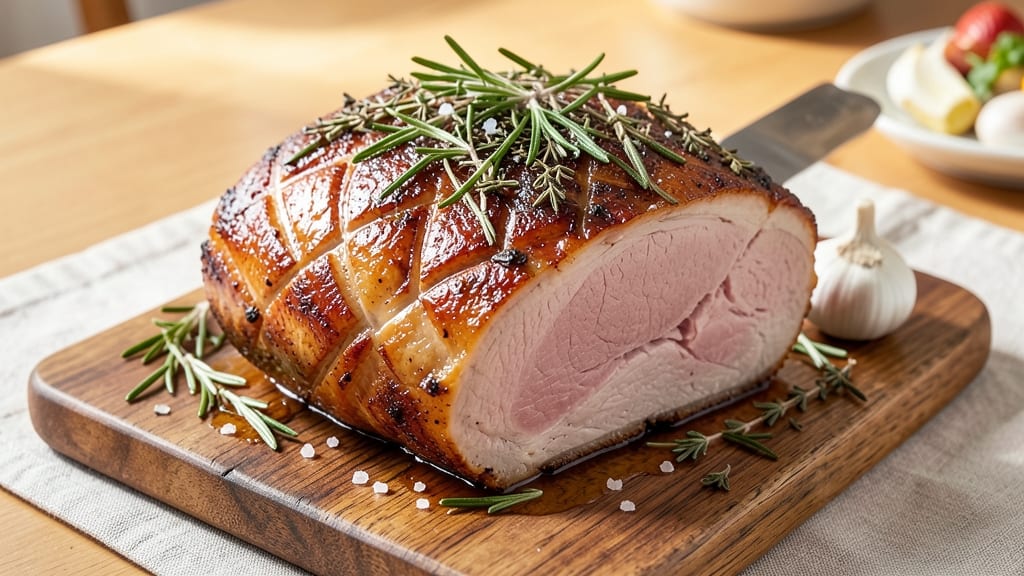
A 4-pound pork roast cooked to juicy pink perfection with a crisp herb crust is the centerpiece that elevates any Sunday dinner.
After years of perfecting this technique—from my apprenticeship under Master Chef Chen to feeding 2,000 pounds of pork weekly at The Smoky Pig—I’ve cracked the code for consistent results every time. The secret lies in proper seasoning, precise temperature control, and letting the meat rest before slicing.
What sets this recipe apart is the balance between tender, pink centers and a golden, herb-crusted exterior that holds up to every slice. We’ll use a simple yet flavorful blend of rosemary, thyme, and garlic to create that signature crust, while monitoring internal temperatures to ensure juiciness.
This method works for pork shoulder or loin, giving you flexibility for different cuts without sacrificing quality.
The result is a roast so flavorful and tender that it becomes the star of the table—juicy enough to satisfy even the most critical eaters, with a crisp exterior that adds satisfying texture.
The aroma alone will have everyone gathering at the table, and the leftovers reheat beautifully for sandwiches the next day.
Whether you’re cooking for a family gathering or a quiet weeknight dinner, this recipe delivers restaurant-quality pork roast with minimal effort. Let’s get started on a dish that’ll have your guests asking for seconds—and maybe even the recipe.
Ingredients for 4 pound pork roast
The perfect 4-pound pork roast requires precise ingredients and technique for juicy pink centers and crisp herb crust.
| Ingredient | Amount | Notes |
|---|---|---|
| Pork Roast (Bone-In) 🥓 | 4 lb | Pork loin or shoulder, center-cut preferred |
| Fresh Rosemary 🌿 | ½ cup | Finely chopped, stems removed |
| Fresh Thyme 🌿 | ¼ cup | Leaves only, stems discarded |
| Garlic Cloves 🧄 | 8 cloves | Minced, peeled |
| Diamond Crystal Kosher Salt 🧂 | 1 ½ tbsp | Coarse grain preferred |
| Freshly Ground Black Pepper 🌶️ | 1 tsp | Cracked peppercorns preferred |
| Extra-Virgin Olive Oil 🫒 | 2 tbsp | High-quality, fruity |
| Unsalted Butter 🧈 | ½ cup | Cold, cubed |
| All-Purpose Flour 🌾 | ¼ cup | For herb crust |
| Apple Cider Vinegar 🍎 | 1 tbsp | For marinade acidity |
| Honey 🍯 | 1 tbsp | For glaze balance |
| Fresh Parsley 🌿 | ¼ cup | Chopped, for garnish |
The pork cut is critical—pork loin delivers tender, even cooking while pork shoulder offers richer flavor. For optimal results, source from a trusted butcher like D'Artagnan or your local Whole Foods meat department. Look for cuts with good marbling and a bright pink hue—avoid any with grayish edges. The herb blend is non-negotiable: fresh rosemary and thyme from the grocery store's refrigerated section (not dried) create that signature crust. If using dried herbs, reduce to one-third the amount—they lack the aromatic intensity. For garlic, peel and mince just before using to preserve freshness.
No fresh rosemary? Substitute with 1 tablespoon dried rosemary (but expect less complexity). Running low on thyme? Fresh oregano works in a pinch at the same quantity. The apple cider vinegar can be swapped for lemon juice if unavailable, though the flavor profile shifts slightly. For the herb crust, panko breadcrumbs can replace flour if preferred—just add 1 teaspoon extra-virgin olive oil to bind. The honey glaze requires raw honey for optimal texture; if unavailable, maple syrup works as a substitute. For a dairy-free option, replace butter with vegan butter or coconut oil (though texture may vary).
The roast should rest 20-30 minutes before slicing to retain juices—never skip this step. Store leftovers in an airtight container for 3-4 days in the fridge or freeze for up to 3 months. For reheating, use low heat in a skillet with a splash of water to prevent drying. The herb crust reheats beautifully, though it may lose some crispness. Portion into individual servings for meal prep—each slice reheats perfectly for sandwiches or salads. The glaze thickens when chilled, so reheat gently if serving cold.
Why You'll Love This Recipe
- Minimal Prep, Maximum Impact: I swear by this—just a bone-in roast, a handful of herbs, and crushed garlic. No fancy prep, no peeling or dicing, just a quick rub and into the oven. (Yes, even on a Tuesday night.)
- Herb-Crusted Magic: That rosemary and thyme? They don’t just flavor—they transform. The salt draws out the juices, the garlic mellows into sweetness, and the crust? Crispy enough to make you forget it’s a simple roast.
- Leftovers That Don’t Suck: Between us, most pork roast leftovers are sad. Not this one. It shreds like a dream for tacos, sandwiches, or even a quick stir-fry the next day. (My kids actually ask for it.)
- Budget-Friendly Feast: A 4-pound roast feeds a crowd without breaking the bank. Fresh herbs might seem pricier, but a few sprigs go a long way—and the flavor? Worth every penny. Plus, the bone adds richness, so you’re not just paying for meat.
Step-by-step instructions for herb-crusted pork roast with perfect pink centers
This method delivers melt-in-your-mouth tenderness with a crisp herb crust every time.
Prepare the Pork Roast with Herb Rub
Remove the pork roast from the refrigerator and pat it completely dry with paper towels—this is crucial for developing that crisp herb crust. Place it on a cutting board and score the surface in a diamond pattern with a sharp knife, being careful not to cut into the meat. This creates surface area for better herb adhesion.
In a small bowl, combine the 0.5 cup fresh rosemary, 0.25 cup fresh thyme leaves, 8 minced garlic cloves, 1.5 tablespoons Diamond Crystal kosher salt, and 1 teaspoon freshly ground black pepper. Rub this mixture firmly over all sides of the pork roast, pressing it into the scored surface. The herbs should stick to the meat rather than just sit on top. Let the seasoned roast sit at room temperature for 30 minutes while you prepare the oven.
Create the Herb Butter Crust
In a separate bowl, mix the 0.25 cup all-purpose flour with the 0.5 cup unsalted butter until it forms a coarse crumb texture. Spread this mixture evenly over the entire surface of the pork roast, pressing gently to adhere. The butter will melt during roasting and create that signature crispy crust while keeping the meat juicy.
Preheat your oven to 325°F—this lower temperature ensures even cooking without drying out the center. Place the roast fat-side up on a rack set inside a roasting pan. Pour 1 tablespoon apple cider vinegar and 1 tablespoon honey into the bottom of the pan. The vinegar adds brightness while the honey helps caramelize the crust.
Roast to Juicy Perfection
Roast the pork for 2 hours before checking for doneness. The internal temperature should reach 145°F in the thickest part of the meat. If you don't have a meat thermometer, test by inserting a knife into the center—juices should run clear, not pink. The crust should be golden brown and crispy, while the interior remains tender with just a hint of pink.
During the last 15 minutes of roasting, increase the oven temperature to 425°F to crisp the herb butter crust. This two-stage approach gives you both a golden exterior and perfectly juicy interior. Let the roast rest for 15 minutes before carving—this crucial step allows juices to redistribute throughout the meat.
Finish with Fresh Herbs
After resting, transfer the pork to a serving platter and sprinkle with the 0.25 cup chopped fresh parsley. The parsley adds a bright finish that complements the rich herb flavors. Carve the pork against the grain into ½-inch thick slices for maximum tenderness. Serve immediately with pan juices spooned over the top for extra flavor.
Each slice should be moist with just a hint of pink in the center, surrounded by that crispy herb butter crust. The combination of vinegar and honey in the pan creates a glossy sauce that ties all the flavors together perfectly.
Pro Tips For Making 4 Pound Pork Roast
- SEAR THE FAT SIDE DOWN: I learned this the hard way—skipping the sear means flavor gets stuck in the pan instead of the meat. Flip the roast fat-side down first, let it crisp for 8-10 minutes until the fat renders and the skin turns golden. That’s where the depth of flavor starts.
- SLICE THYME STRAIGHT: Fresh thyme stems are tougher than the leaves, but they’re packed with flavor. Hold the sprigs with kitchen twine and slice them lengthwise (like a log) into ¼-inch strips—this exposes more leaf surface while keeping the stems intact for easy removal later. No tiny bits to fish out of your pan.
- USE A MEAT THERMOMETER: Pork roasts don’t always look done when they’re actually perfect. Aim for 145°F internal temp (155°F if you prefer well-done), and pull it out before it hits your target—it’ll carryover cook another 5°F while resting. Guessing leads to dry meat or undercooked pork.
- SALT THE ROOM AIR: Diamond Crystal kosher salt is lighter than table salt, so don’t eyeball it. Sprinkle generously—about 1.5 tablespoons total—on the roast and the pan before searing. The salt in the air helps season the crust as it forms. (Yes, even if you’re impatient like me.)
Creative variations of this recipe
Southern BBQ Style
Transform your roast into a true Southern showstopper by swapping the herb crust for a spiced brown sugar rub. Mix 2 tablespoons smoked paprika, 1 tablespoon brown sugar, 1 tablespoon apple cider vinegar, 1 teaspoon garlic powder, and 1 teaspoon onion powder.
Apply this generously to the pork before roasting at 300°F for 3 hours, then broil for 5 minutes to caramelize.
Serve with homemade white BBQ sauce—just blend 1 cup mayonnaise, ½ cup apple cider vinegar, ¼ cup honey, 1 tablespoon Dijon mustard, and 1 teaspoon smoked paprika.
This version is perfect for a weekend BBQ feast and pairs beautifully with cornbread and collard greens. 🔥
Italian Porchetta-Inspired
For an Italian twist, stuff your pork roast with fennel bulbs, garlic cloves, and rosemary sprigs before tying it with kitchen twine. Rub the exterior with olive oil, coarse salt, and freshly cracked black pepper, then roast at 325°F for 2.5 hours.
The fennel infuses the meat with an anise-like flavor, while the twine keeps everything tightly bound. Slice thickly and serve with lemon wedges and a simple arugula salad dressed with lemon vinaigrette. This method mimics porchetta, the Italian roasted pork specialty, and feels like a restaurant-quality centerpiece. ✨
Honey-Glazed Asian Fusion
Give your roast an Asian-inspired glaze by basting it with ½ cup honey, 3 tablespoons soy sauce, 2 tablespoons rice vinegar, 1 tablespoon grated fresh ginger, and 1 tablespoon sesame oil during the last 30 minutes of roasting.
Start at 325°F for 2 hours, then increase to 400°F to caramelize the glaze. Garnish with toasted sesame seeds and sliced green onions for a sweet-savory finish. Serve with steamed jasmine rice and quick-pickled cucumbers for a refreshing contrast.
This variation is a crowd-pleaser at family gatherings and adds a global flair to your meal. 🌶️
Smoked Pork Roast
Take your roast to the next level by smoking it low and slow. Use hickory or applewood chips in your smoker, maintaining a temperature of 225°F for 4-5 hours until the internal temperature reaches 145°F.
The smoke infuses the meat with deep, woodsy notes that pair perfectly with the herb crust. Finish with a quick sear in a hot skillet to crisp the exterior. Serve with smoked gouda mac and cheese and grilled asparagus for a weekend brunch that feels like a feast.
This method is my go-to for holiday dinners and always gets rave reviews. 💫
Breakfast-Style Pork Roast
Turn your roast into a breakfast sensation by slicing it thinly and serving it with crispy hash browns and fried eggs. Season the pork with coarse salt, black pepper, and a pinch of cayenne, then roast at 375°F for 1.5 hours until golden and crispy.
The result is a crispy, savory pork that works perfectly as a brunch centerpiece. Add a side of sautéed spinach with garlic and bacon for a hearty meal. This variation is ideal for weekend brunches or a lazy Sunday morning when you want something hearty but easy. 🍳
Slow-Cooker Adaptation
For a hands-off approach, use a 6-quart slow cooker on low for 6-8 hours. Rub the pork with the herb mixture, then place it in the slow cooker with ½ cup chicken broth, 1 tablespoon apple cider vinegar, and 1 tablespoon honey.
The slow cooking ensures tender, juicy meat with minimal effort. Finish by searing the roast in a hot skillet for 2-3 minutes per side to crisp the exterior. Serve with roasted potatoes and green beans almondine for a comforting family meal.
This method is perfect for busy weeknights when you want a stress-free dinner. 💡
Nutrition facts
Frequently asked questions
Can I use pork loin or shoulder for this recipe?
Both work beautifully! Pork loin delivers tender, even cooking with a leaner profile, while pork shoulder offers richer flavor and more forgiving juiciness. For loin, reduce roasting time by 15-20 minutes—it cooks faster than shoulder. Shoulder benefits from the longer cook at 325°F and stays moist even when sliced thin. Pro tip: Trim excess fat from loin to prevent flare-ups in the oven.
Why does my pork roast turn out dry?
Overcooking is the #1 culprit—pork reaches 145°F safely, but exceeding 155°F dries it out. Always use a meat thermometer! Also, skipping the 15-minute rest causes juices to escape when slicing. For extra moisture, add ½ cup broth to the roasting pan during cooking. The herb butter crust helps seal in juices too.
How do I make this recipe in a convection oven?
Reduce oven temperature by 25°F (use 300°F instead of 325°F) and cut roasting time by 15-20 minutes. Convection's faster airflow crisps the crust quicker, so monitor closely during the final 15 minutes at 425°F. The two-stage temperature approach still works—just adjust for convection's efficiency.
What's the best way to reheat leftovers?
Slice the roast first, then reheat in a skillet over medium-low heat with a splash of water or broth for 2-3 minutes per side. Microwaving dries it out—never do that! For whole leftovers, wrap tightly in foil and bake at 300°F for 20-25 minutes. The herb crust reheats beautifully but may lose some crispness. Store in an airtight container for 3-4 days.
Can I prepare this roast ahead of time?
Season the roast and refrigerate it uncovered for 12-24 hours before cooking (this enhances flavor). For make-ahead roasting, prep the herb butter crust and store it in the fridge for up to 2 days. On cook day, roast as directed—no adjustments needed. For a stress-free holiday meal, this is my top recommendation.