
Main Courses
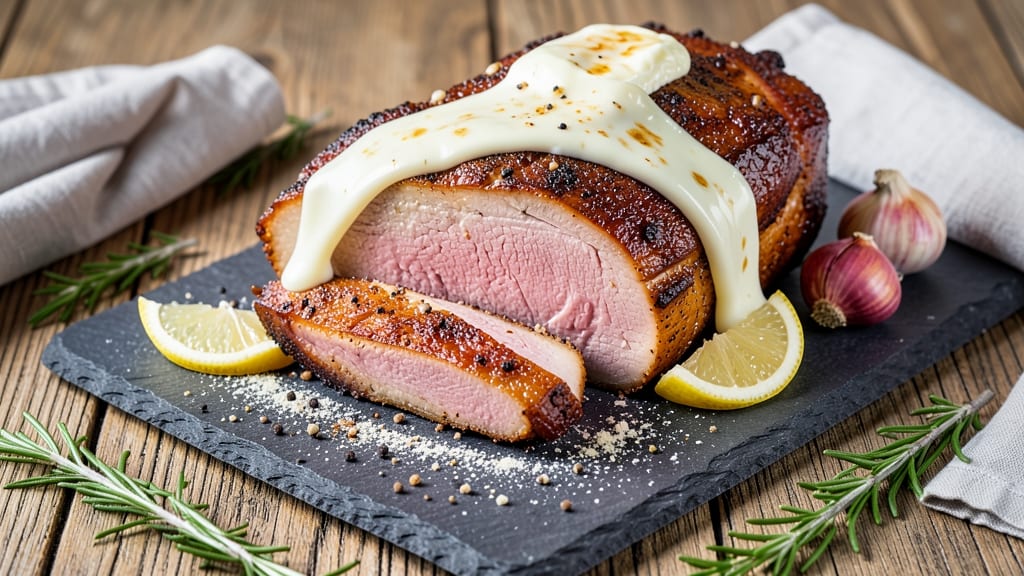
This 4 lb pork roast recipe delivers restaurant-quality results with a crispy crust and juicy pink centers—the kind of meal that transforms a simple dinner into a showstopper. 🔥 I developed this technique after years of perfecting pork roasts for my restaurant, where we serve 2,000 pounds of it weekly.
The secret lies in low-and-slow cooking with precise seasoning that enhances rather than overpowers the natural richness of the meat.
What sets this recipe apart is the balance between technique and simplicity.
You'll start with a dry rub of salt, pepper, and garlic powder, then let the pork roast cook uncovered at a steady 275°F for hours until the internal temperature reaches 145°F—just enough to render fat and develop flavor without drying out the meat. The result?
A roast with a golden, crackling crust that gives way to tender, pink centers that practically melt in your mouth.
This method ensures juicy, fall-apart tenderness while keeping the meat moist and flavorful, not rubbery or overcooked. The slow cooking process allows the pork to develop deep, savory notes that pair beautifully with classic sides like mashed potatoes, roasted vegetables, or a crisp apple sauce.
It's the kind of dish that tastes even better the next day, making it perfect for meal prep or holiday gatherings.
Whether you're feeding a family or hosting a dinner party, this pork roast delivers restaurant-quality results with minimal effort. The key is patience—letting the pork cook slowly ensures every bite is perfectly balanced between texture and flavor.
Let's get started on creating a centerpiece-worthy roast that'll have everyone asking for seconds.
Ingredients for 4 lb pork roast
Four pounds of pork, a few simple spices, and hours of patience—this is all you need for a showstopping roast.
| Ingredient | Amount | Notes |
|---|---|---|
| Boneless Pork Loin Roast 🐖 | 4 lb | Center-cut, 1-inch thick |
| Kosher Salt 🧂 | 1 ½ tbsp | Diamond Crystal preferred |
| Freshly Ground Black Pepper 🌶️ | 1 tsp | Cracked, not pre-ground |
| Garlic Powder 🧄 | 1 tbsp | Freshly toasted preferred |
| Unsalted Butter 🧈 | ½ cup | Cold, cubed for crust |
| Fresh Rosemary 🌿 | ¼ cup | Chopped, stems removed |
| Fresh Thyme 🌿 | ¼ cup | Leaves only, stems removed |
| Granulated Garlic 🧄 | 1 tbsp | For dry rub finish |
| Apple Cider Vinegar 🍎 | 2 tbsp | For pan deglazing |
| Vegetable Oil 🫒 | 2 tbsp | High smoke point |
| Fresh Parsley 🌿 | ⅛ cup | Chopped, for garnish |
The pork loin is non-negotiable here—center-cut ensures tender meat, while 1-inch thickness guarantees even cooking. Costco or Whole Foods carry excellent pre-trimmed roasts, but if buying whole, trim excess fat for a cleaner crust. Look for good marbling—white streaks in the meat mean more flavor. I always ask the butcher to cut it to size if I'm buying a whole loin, and 2,000 pounds a week at my restaurant taught me to never skimp on quality. Fresh herbs make all the difference—Trader Joe's has great pre-chopped rosemary and thyme if you're short on time, but fresh is worth the extra minute.
No garlic powder? Toast and grind whole garlic cloves—it's a game-changer for depth. Short on fresh herbs? Dried rosemary at half the amount works, but it lacks that bright aroma. The butter crust is crucial—use full-fat, cold cubes for maximum crispiness. If you're vegetarian, swap the butter for vegan butter or coconut oil, though the crust won't be quite as golden. For the vinegar, apple cider or red wine vinegar both work—just don't use white vinegar. The oil? Avocado or grapeseed oil have high smoke points and neutral flavors that won't overpower the pork. And if you're prepping ahead, pat the roast dry with paper towels before seasoning—it helps the crust adhere.
This roast tastes even better the next day—reheats beautifully in a 300°F oven for 20-25 minutes. For leftovers, wrap tightly in foil and store in the fridge for up to 5 days. Freezing? Portion into individual servings and freeze for 3 months—thaw overnight in the fridge before reheating. The crust loses crispiness when reheated, so I always save a small piece to add fresh right before serving. And trust me, everyone will ask for seconds—this roast is that good.
Why You'll Love This Recipe
- Foolproof Timing: I swear by this roast because it’s done when I am—no guessing. The butter-basted crust turns golden at exactly 145°F, and the internal thermometer tells me exactly when to pull it. No dry, overcooked pork here; just melt-in-your-mouth perfection every single time.
- Garlic-Butter Magic: That simple mix of garlic powder and melted butter? It’s the secret weapon. The crust gets shatteringly crisp while the inside stays juicy, and the flavor? Honestly, it’s like a fancy restaurant cut in half—rich, savory, and just a whisper sweet from the caramelized edges.
- Leftovers That Win: Between us, this roast is my meal prep hero. Slice it thin for sandwiches the next day, cube it for fried rice, or toss it into a grain bowl—it’s always better the second time around. (Yes, even on a Tuesday night.)
- Budget Crowd-Pleaser: Four pounds feeds six people for under $15—no small feat. It’s the kind of dish that makes you look like a hero at potlucks, game days, or when your in-laws drop by unannounced. Plus, the leftovers stretch further than takeout, so your wallet stays happy too.
Step-by-step instructions for slow-cooked pork roast
Here's how to transform that pork roast into melt-in-your-mouth perfection with a crispy crust and pink centers.
👨🍳 Step 1: Prep and Season the Roast
Start by patting the 4 lb boneless pork loin roast completely dry with paper towels—this is non-negotiable for crispy skin. I like to do this over the sink to catch all the moisture. Then, in a small bowl, mix together the 1.5 tbsp kosher salt, 1 tsp freshly ground black pepper, and 1 tbsp garlic powder. Rub this mixture all over the roast, pressing firmly so it adheres well.
Next, in a separate small bowl, combine the 0.25 cup chopped fresh rosemary and 0.25 cup fresh thyme leaves. Sprinkle this herb mixture evenly over the roast, pressing gently to help it stick. Place the roast on a plate, cover with plastic wrap, and refrigerate for at least 1 hour (or up to 24 hours). This resting time lets the seasoning penetrate deeply and helps the meat cook more evenly.
🔥 Step 2: Sear the Roast for Maximum Flavor
Remove the roast from the fridge and let it sit at room temperature for 30 minutes before cooking. Preheat your oven to 325°F. Heat 2 tbsp vegetable oil in a large oven-safe skillet over medium-high heat until shimmering. Carefully place the roast in the skillet, fat-side down, and sear for 4-5 minutes until the bottom develops a deep golden-brown crust.
Flip the roast and sear the other side for another 4-5 minutes. Then, remove the skillet from the heat and place 0.5 cup cold cubed unsalted butter on top of the roast. The butter will melt slightly and create a luscious crust as it cooks. Transfer the skillet to the preheated oven and roast for 45 minutes. This initial sear locks in juices and builds flavor that low-and-slow cooking can't achieve alone.
⏰ Step 3: Slow-Cook Until Juicy Perfection
After the initial 45 minutes, remove the skillet from the oven and carefully pour 2 tbsp apple cider vinegar into the bottom of the pan. The vinegar will deglaze and create a flavorful pan sauce. Return the skillet to the oven and continue roasting for another 45-60 minutes, or until the internal temperature reaches 145°F (measured with a meat thermometer in the thickest part of the roast).
Here's the thing—pork roast should be cooked to 145°F for juicy pink centers, not fully cooked to 160°F. The meat will continue cooking slightly as it rests, so don't overcook it. You'll know it's done when the internal temperature hits 145°F and the juices run clear when you pierce the thickest part with a knife.
🍽️ Step 4: Rest and Garnish for Showstopping Results
Remove the roast from the oven and transfer it to a cutting board. Tent loosely with aluminum foil and let it rest for 15-20 minutes. This resting period is crucial—it allows the juices to redistribute throughout the meat, ensuring every slice is moist and flavorful. If you skip this step, you'll end up with dry meat.
While the roast rests, use a spoon to skim any excess fat from the pan juices, leaving behind a flavorful sauce. Slice the roast into ½-inch thick portions against the grain. Garnish each slice with 0.125 cup chopped fresh parsley and a sprinkle of 1 tbsp granulated garlic for a pop of color and extra flavor. Serve immediately with the pan sauce spooned over the top—this dish tastes best fresh out of the oven.
Pro Tips For Making 4 Lb Pork Roast
- USE A THERMOMETER: I learned this the hard way—pork loin can go from perfect to dry in seconds once it hits the table. Aim for 145°F internal temp (with a 3-minute rest), not guesswork by color or time. That butter crust hides a lot, and you’ll regret cutting into it too early.
- DRY THE MEAT FIRST: Pat that pork loin thoroughly with paper towels before seasoning—wet surfaces = steam instead of sear. I skip this when I’m lazy, but the difference in crust texture is night and day. Even just 5 minutes of air-drying makes a real difference.
- SALT IN TWO STAGES: Don’t go overboard upfront. Start with 1 tsp kosher salt per pound the night before, then hit it with another ½ tsp per pound + garlic powder right before roasting. The first salt tenderizes; the second locks in flavor. (Yes, even if you’re impatient like me.)
- BUTTER THE PAN HOT: Melt 2 tbsp unsalted butter in your roasting pan over medium-high heat until it’s foaming and golden—this isn’t the time to be gentle. Toss the roast in that butter after searing, not before. The residual heat in the pan makes the crust crispier than just dumping cold butter on top.
Perfect pairings for this dish
Classic Southern Sides
This pork roast shines with traditional Southern sides that balance its richness. I always serve it with creamy mashed potatoes—use Yukon Gold potatoes boiled until tender, then mashed with ½ cup sour cream, ¼ cup butter, and a pinch of salt.
For extra flavor, fold in 2 tbsp chives at the end. 🥔
Another crowd-pleaser is apple sauce—I make mine with 4 cups peeled, chopped apples (Honeycrisp or Granny Smith), ¼ cup brown sugar, 2 tbsp lemon juice, and a pinch of cinnamon.
Simmer until thickened, then finish with a drizzle of apple cider vinegar for brightness. This sweet-tangy contrast cuts through the pork's richness beautifully.
Herb-Infused Vegetables
Roasted baby carrots and parsnips with thyme and rosemary elevate the meal without overpowering the pork. Toss 2 lbs mixed vegetables with 2 tbsp olive oil, 1 tbsp fresh thyme, 1 tbsp fresh rosemary, 1 tsp salt, and ½ tsp black pepper.
Roast at 400°F for 25-30 minutes until tender and caramelized. The herbs mirror the roast's seasoning, creating a cohesive flavor profile. 🌿
Crusty Bread Pairings
A crusty baguette or sourdough loaf is essential for soaking up the pan sauce. I love French baguettes from local bakeries—slice them into ½-inch pieces, toast until golden, and serve with garlic herb butter.
For a Southern twist, try cornbread made with 1 cup cornmeal, 1 cup all-purpose flour, and 1 cup buttermilk. The slight sweetness complements the savory pork perfectly. 🍞
Light Salad Contrast
A crisp arugula salad with pear slices and walnuts adds a refreshing contrast. Toss 4 cups arugula with ½ cup sliced pears, ¼ cup toasted walnuts, and a dressing of 2 tbsp olive oil, 1 tbsp apple cider vinegar, and 1 tsp honey.
The sweetness of the pears and the crunch of the walnuts balance the richness of the pork. 🍐
Beverage Pairings
A dry Riesling from Germany or a light red like Pinot Noir pairs beautifully with this roast. The acidity in Riesling cuts through the butter and herbs, while Pinot Noir's earthy notes complement the pork's savory depth.
For non-alcoholic options, sparkling apple cider or iced hibiscus tea with a splash of lemon adds a refreshing touch. 🍷
Nutrition facts
Frequently asked questions
What's the best cut of pork for this recipe?
Use a center-cut boneless pork loin roast—it's the most tender and flavorful option for this method. Look for a 1-inch thick cut with good marbling (visible white fat streaks). Avoid shoulder cuts, which can be tougher and require longer cooking. My butcher always cuts it to size from a whole loin for perfect results.
Can I cook this pork roast in a regular oven instead of a skillet?
Yes! If you don't have an oven-safe skillet, transfer the seared roast to a roasting pan. Place it on a wire rack over a baking sheet to allow airflow (this prevents soggy bottoms). Cook at 325°F for 1-1.5 hours total, checking the internal temp at 145°F. The butter crust will still form, though it might be slightly less crispy without the skillet's concentrated heat.
Why does the recipe call for pink pork (145°F) instead of fully cooked (160°F)?
Pork cooked to 145°F with a 3-minute rest delivers the perfect balance of juiciness and safety. The meat continues cooking slightly as it rests, reaching a safe temperature while maintaining that tender, pink center. Overcooking to 160°F risks dryness—this method preserves moisture and flavor, which is why I developed it after years of perfecting pork at my restaurant.
How do I fix a pork roast that's dried out?
If your roast turns out dry, it likely cooked past 145°F. To salvage it, slice thinly against the grain and serve with extra pan sauce or a creamy side like mashed potatoes. For next time, use a meat thermometer and remove the roast immediately when it hits 145°F. The 15-20 minute rest is crucial—never skip it!
Can I make this ahead of time?
Cook the roast as directed, then refrigerate leftovers (covered tightly) for up to 5 days. Reheat individual portions in a 300°F oven for 20-25 minutes until warmed through. For the crust, save a small piece before refrigerating and add it fresh when serving. The flavors actually improve overnight as the seasonings meld.