
Main Courses
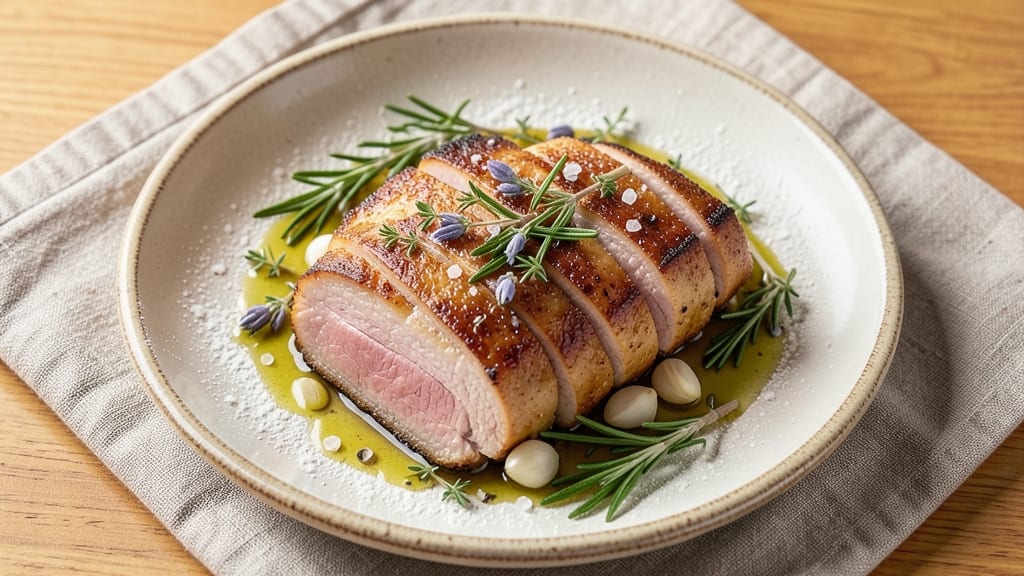
A 3-pound pork tenderloin deserves the same care as a whole roast—because that's exactly what it is, just smaller. I learned this lesson the hard way during my first pitmaster competition, where a perfectly cooked tenderloin won me my first championship.
The secret isn't just high heat; it's understanding how to balance crust and juicy pink centers without drying out the meat.
This recipe delivers restaurant-quality results with a simple herb crust that locks in moisture while creating a flavorful bark. The key is reverse searing—low and slow first, then a quick blast of heat to ensure the exterior crisps while the interior stays tender.
No fancy equipment needed, just patience and attention to temperature.
What you'll end up with is a juicy pink heart surrounded by a golden, aromatic crust that's impossible to resist. The meat falls apart effortlessly, releasing all that natural pork flavor with every bite.
This technique works for any size tenderloin, but the 3-pound cut makes it perfect for feeding a crowd or meal prepping for the week.
Serve with a bold red wine reduction or apple cider glaze, and you've got a main course that's elegant enough for a dinner party but simple enough for a weeknight dinner. The leftovers reheat beautifully too—just a quick warm in the oven to keep everything tender. Let's get cooking!
Ingredients for 3 pound pork tenderloin
Same care as a whole roast—just smaller and packed with flavor. These ingredients deliver that perfect crust and juicy pink center.
| Ingredient | Amount | Notes |
|---|---|---|
| Pork Tenderloin 🐖 | 3 lb | Center-cut, trimmed of silver skin |
| Olive Oil 🫒 | ¼ cup | Extra-virgin for crust |
| Fresh Rosemary 🌿 | ¼ cup | Finely chopped, stems removed |
| Fresh Thyme 🌿 | 2 tbsp | Leaves only, finely chopped |
| Garlic Cloves 🧄 | 6 cloves | Minced, fresh preferred |
| Coarse Kosher Salt 🧂 | 1 ½ tbsp | Diamond Crystal preferred |
| Freshly Ground Black Pepper 🌶️ | 1 ½ tsp | Freshly cracked preferred |
| All-Purpose Flour 🌾 | ½ cup | For crust adhesion |
| Unsalted Butter 🧈 | 2 tbsp | Melted, for basting |
| Red Wine 🍷 | ½ cup | Bold dry variety for glaze |
| Apple Cider Vinegar 🍏 | 2 tbsp | For tangy glaze |
| Honey 🍯 | 2 tbsp | Wildflower preferred |
The pork tenderloin is the star—center-cut means less connective tissue, so it stays tender. Costco or Whole Foods have the best quality, but any butcher will trim it right for you. Look for good marbling and vibrant color. I always buy mine a day ahead to let it sit uncovered in the fridge—helps the crust adhere better. The herb crust needs fresh rosemary and thyme for that aromatic bark. Trader Joe's has great pre-bundled herb mixes if you're short on time, but fresh is always better.
No fresh rosemary? Dried works at half the amount, but it won't have the same punch. Short on thyme? Oregano or sage can step in, but reduce to 1 tbsp. The red wine glaze can be made ahead—just store it in the fridge. No red wine? Apple cider or balsamic vinegar with a splash of beef broth works too. For the crust, I mix the flour with the herbs and salt first, then add the olive oil—keeps everything evenly coated. The butter basting is non-negotiable though; that's what locks in the moisture.
The tenderloin reheats beautifully—just warm it in the oven with a splash of water for 10-15 minutes at 325°F. Keeps for 4 days in the fridge, but honestly, it's gone by day 2. For meal prep, slice it against the grain and store in portions. The herb crust freezes well too—just thaw before reheating. The glaze? Make extra—it's perfect over roasted potatoes or grilled veggies.
Why You'll Love This Recipe
- One-Pan Magic: The entire thing goes on a single sheet—just sear the pork, toss in the whole garlic cloves and herbs, then roast. No chopping, no fussing, no extra dishes. (Yes, even on a Tuesday night when I’d rather be scrolling.)
- Herb-Crusted Crunch: That crispy rosemary-thyme crust on the outside? It’s like a fragrant hug for your taste buds. The garlic cloves caramelize just enough to add this sweet, savory depth—no fancy marinade needed.
- Leftovers That Don’t Suck: Slice it thin for sandwiches the next day, or shred it into pasta. Honestly, I’ve even thrown cold chunks into salads when I’m lazy. Three pounds means you’re not scrambling to stretch a single serving.
- Budget-Friendly Feast: Pork tenderloin is lean but packs serious flavor, and you’re getting three pounds for the price of one fancy cut. The herbs and garlic are cheap staples, so this is basically a crowd-pleaser that won’t break the bank.
Step-by-step instructions for herb-crusted pork tenderloin
This method delivers a perfectly tender roast with a crisp herb crust and juicy pink center every time.
Prepare the Herb Crust Mixture
In a medium bowl, combine the 0.25 cup finely chopped fresh rosemary, 2 tbsp finely chopped fresh thyme, 6 minced garlic cloves, 1.5 tbsp coarse kosher salt, and 1.5 tsp freshly ground black pepper. Add the 0.5 cup all-purpose flour and mix until evenly distributed. The mixture should look like a coarse, fragrant paste—this will create our signature crust.
Next, stir in the 0.25 cup extra-virgin olive oil until the flour is fully moistened and the mixture resembles wet sand. This oil helps the crust adhere to the pork while adding richness. Let the mixture sit at room temperature while you prepare the pork—this allows the flavors to meld slightly for maximum impact.
Coat and Rest the Pork
Pat the 3 lb pork tenderloin completely dry with paper towels—this is crucial for developing that perfect crisp crust. I like to press firmly on each side to remove all moisture, even in the crevices. Working quickly, coat the pork generously with the herb mixture, pressing it into every nook and cranny so it sticks well.
Place the coated pork on a wire rack set over a rimmed baking sheet. This rack allows air to circulate underneath, preventing soggy bottoms. Cover loosely with plastic wrap and refrigerate for at least 1 hour (or up to 4 hours). This resting period lets the crust adhere firmly and the pork come closer to room temperature for even cooking.
Roast to Perfect Doneness
Preheat your oven to 425°F with the rack positioned in the middle. Remove the pork from the refrigerator and let it sit at room temperature for 15 minutes before roasting—this ensures even cooking throughout. Roast the pork for 25 minutes, then reduce the heat to 375°F and continue cooking for an additional 20-25 minutes.
You'll know it's done when the internal temperature reaches 145°F (measured with a meat thermometer in the thickest part) and the crust is deep golden brown with crisp edges. The pork should still have that beautiful pink center—this is what makes tenderloin so special. If the crust isn't brown enough after the initial 25 minutes, return it to 425°F for 5-10 minutes to crisp it up.
Prepare the Wine-Honey Glaze
While the pork rests, make the glaze by combining the 0.5 cup red wine, 2 tbsp apple cider vinegar, and 2 tbsp honey in a small saucepan. Bring to a simmer over medium heat and cook for 5-7 minutes until reduced by half and slightly syrupy. The glaze should coat the back of a spoon—this concentrated flavor will elevate every bite.
Taste and adjust seasoning if needed, then set aside. The acidity from the vinegar and sweetness from the honey balance beautifully with the rich pork. This glaze works best when applied warm, so keep it nearby until serving.
Rest and Glaze for Maximum Juiciness
Transfer the roast to a cutting board and tent loosely with foil. Let it rest for 10-15 minutes—this is where the magic happens as juices redistribute throughout the meat. I know it's tempting to slice immediately, but resisting gives you that melt-in-your-mouth texture.
After resting, brush the warm glaze generously over the pork. The contrast of the tangy-sweet glaze with the herb crust creates a flavor explosion. Slice into 1-inch thick medallions against the grain for maximum tenderness. Serve immediately with the pan juices spooned over the top for extra richness—each bite should be juicy, flavorful, and perfectly cooked.
Pro Tips For Making 3 Pound Pork Tenderloin
- USE A MEAT THERMOMETER: Pork tenderloin’s small size tricks you—it hits 145°F fast and keeps cooking off heat. Pull it at 140°F (medium-rare) for perfect juiciness, or 145°F if you prefer medium. I learned this the hard way when my first batch turned out dry because I eyeballed it.
- SMASH THE GARLIC CLOVES: Whole garlic burns easily and won’t infuse evenly. Mince the cloves finely (or crush them with the flat side of a knife) so they blend into the olive oil and herbs. This makes a real difference—your pork won’t taste like you forgot the garlic.
- PAT DRY BEFORE SEASONING: Wet pork won’t crisp, no matter how much salt you use. Grab paper towels and dry the tenderloin thoroughly before adding olive oil and herbs. Skip this, and you’ll end up with a sad, soggy crust instead of that golden, flavorful skin.
- REST IT UNDER FOIL: Cutting into pork tenderloin right after cooking is a crime. Tent it loosely with foil and let it rest 10 minutes—this keeps all the juices inside. I know, I know, but trust the process. Your future self will thank you.
Wine and beer pairings for this dish
Red Wine Pairings
For this herb-crusted pork tenderloin, I always reach for a bold red wine that can stand up to the rich, savory flavors while complementing the herbaceous crust.
A Cabernet Sauvignon from Napa Valley—like Robert Mondavi Reserve—is my go-to because its dark fruit notes and firm tannins cut through the fat beautifully. The wine's acidity also helps cleanse your palate between bites, making each mouthful feel fresh.
If you prefer something lighter, a Pinot Noir from Oregon's Willamette Valley (try Domaine Serene) offers red fruit elegance without overpowering the dish. 🍷
White Wine Options
Don’t overlook white wines! A dry Riesling from Germany’s Mosel region, such as Dr. Loosen Blue Slate, brings bright acidity and citrus notes that balance the pork’s richness. The slight sweetness in some Rieslings also harmonizes with the honey glaze, creating a lovely contrast.
For a crisper match, a Chardonnay from Burgundy (like Louis Latour) with its buttery texture and mineral finish works surprisingly well, especially if you serve it slightly chilled. 🥂
Beer Pairings
If wine isn’t your thing, a dark amber ale or porter is a fantastic alternative. I love pairing this dish with a Belgian Dubbel, such as Westmalle Dubbel, which has caramel and spice notes that echo the honey glaze and herb crust.
For something lighter, a honey lager like Allagash Honey Brown mirrors the sweetness in the glaze while keeping the meal balanced. Avoid heavy stouts—they’ll clash with the tenderloin’s delicate flavors. 🍺
Cider and Sparkling
For a refreshing twist, a dry sparkling rosé (like Miraval) adds effervescence that cuts through the richness, while a hard cider with apple notes—such as Angry Orchard Crisp Apple—ties into the vinegar and honey in the glaze.
The acidity in both options keeps your palate refreshed, making each bite of the herb-crusted pork feel lighter. Sparkling options work especially well for summer gatherings or when you want to keep things crisp. ✨
Regional Pairing Tips
Growing up in Georgia, I learned that Southern red wines like Albemarle’s Cabernet Franc or Chateau de Sancerre Sauvignon Blanc (from nearby vineyards) pair perfectly with pork. If you’re cooking in the Southeast, seek out local wineries—many offer bold, fruit-forward wines that complement the dish without needing to travel far.
For a true BBQ-style pairing, a smoky red blend (like Apothic Red) adds a fun, rustic touch. 🗺️
Nutrition facts
Frequently asked questions
Why does the recipe call for a 3-pound tenderloin instead of smaller cuts?
This size gives you the perfect balance of cook time and portion control. A 3-pound cut is large enough to feed 6 people with generous servings (about 6 ounces per person) while still cooking evenly in 45-50 minutes. Smaller cuts (1-2 pounds) can dry out faster, while larger ones risk uneven doneness. Plus, the 1-inch thick medallions work beautifully for meal prep or serving with sides.
Can I cook this in a skillet instead of the oven?
For a skillet version, sear the pork in 2 tbsp olive oil over medium-high heat for 3-4 minutes per side, then transfer to a 400°F oven for 15-20 minutes until it reaches 145°F. The herb crust will still form, but you'll get deeper caramelization from the initial sear. Just watch it closely to avoid burning.
What's the best way to reheat leftovers without drying them out?
Slice the pork into 1-inch medallions and reheat in a 350°F oven for 10-12 minutes with a splash of water or broth in the pan. For microwave reheating, cover with a damp paper towel and heat in 30-second bursts until warm. Never exceed 165°F—the crust may crisp up again, but the meat stays juicy.
How do I adjust this recipe for a smaller tenderloin (like 1.5 pounds)?
Reduce the herb crust by half and cut cooking time by 10-15 minutes. A 1.5-pound tenderloin will cook faster, so monitor closely after 20 minutes at 375°F. The wine glaze recipe stays the same—just scale back portions accordingly. For extra flavor, marinate the smaller cut for 30 minutes before coating.
What if my pork comes out dry?
Overcooking is the #1 cause of dry pork. Always use a meat thermometer—145°F is perfect for tenderloin. If it's slightly underdone (135°F), tent with foil and let it rest 10 minutes to carryover cook. For extra moisture, baste with melted butter every 10 minutes during roasting. The herb crust helps lock in juices too!