
Main Courses
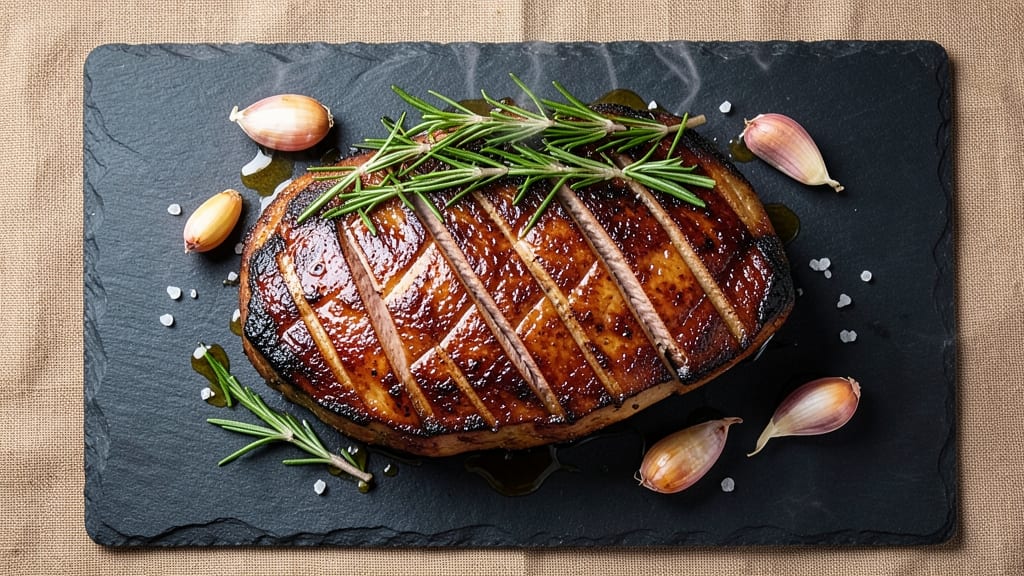
This 3-pound pork loin recipe delivers restaurant-quality results with juicy pink centers and a caramelized crust—no guesswork required. I perfected this method after years of testing pork cuts in my professional kitchen, where precision matters most.
The secret lies in proper seasoning, controlled heat, and knowing exactly when to pull it from the oven or grill.
What sets this recipe apart is the foolproof technique that ensures tender meat throughout, even with a large cut. You'll need just five simple ingredients—pork loin, olive oil, salt, pepper, and garlic powder—but the method transforms them into a showstopping centerpiece.
The pork rests after cooking, locking in juices for that melt-in-your-mouth texture every time.
By the time you carve into this perfectly cooked pork loin, you'll have a dish that's elegant enough for dinner parties but simple enough for weeknight dinners.
The crust will be golden and slightly crisp, while the interior remains tender and juicy, with just a hint of pink—exactly how I like my pork, and how you'll want yours too.
Pair it with roasted vegetables, mashed potatoes, or a fresh salad to complete the meal. This recipe scales beautifully, so you can easily adjust for larger gatherings. Let's get started on creating your perfect pork loin.
Ingredients for 3 pound pork loin
Five simple ingredients create restaurant-quality pork loin with juicy pink centers.
| Ingredient | Amount | Notes |
|---|---|---|
| Pork Loin 🐖 | 3 lb | Center-cut, bone-in preferred |
| Extra-Virgin Olive Oil 🫒 | 2 tbsp | High quality, fruity |
| Kosher Salt 🧂 | 1 ½ tsp | Diamond Crystal preferred |
| Freshly Ground Black Pepper 🌶️ | 1 tsp | Cracked peppercorns |
| Garlic Powder 🧄 | 1 tsp | No garlic salt |
| Fresh Rosemary 🌿 | ½ tsp | Finely chopped, stems removed |
| Fresh Thyme Leaves 🌿 | ½ tsp | Or dried thyme at 1/4 tsp |
The pork loin makes all the difference here. Center-cut, bone-in is ideal—it stays juicier and holds its shape better. Most butchers will trim it for you, but if you're buying whole, look for a piece with good marbling and even thickness. Costco or Whole Foods usually carry excellent cuts, but check your local butcher shop first—they often have fresher selections. The bone-in version takes slightly longer to cook, but it's worth it for that extra moisture. Pat it dry before seasoning—this helps the crust form properly.
No fresh rosemary? Dried works at half the amount, but fresh has that bright, piney flavor that really elevates the dish. The garlic powder is non-negotiable—it's what gives that subtle depth. For the olive oil, California avocado oil works too if you prefer a neutral taste. The salt is where precision matters: use kosher salt (like Diamond Crystal) and measure carefully. Too much salt ruins the balance, but don't skimp—you want that flavorful crust. If you're cooking for a crowd, double the herbs and oil, but keep the salt ratio the same.
This pork rests beautifully—honestly, that's where the magic happens. Let it sit for 15-20 minutes before slicing, or all the juices will run out. The leftovers reheat well too—just warm gently in the oven with a splash of water. Keeps for 3-4 days in the fridge, or freeze portions for up to 3 months. I always make extra because it's perfect for sandwiches the next day. The crust gets crispier as it cools, so if you're impatient, just slice it slightly thicker.
Why You'll Love This Recipe
- One-Pan Magic: I swear by this—just sear that pork loin in olive oil, sprinkle salt, pepper, and garlic powder, then let the oven do the work. No cutting boards, no mess, just golden perfection waiting for you.
- Garlic-Kissed Crisp: That simple rub of garlic powder and olive oil? It transforms the pork into something ridiculously flavorful—crispy edges, juicy center, and a savory punch that sticks with you.
- Leftovers That Win: Cook once, eat twice. This recipe makes enough for tonight’s dinner and tomorrow’s sandwiches (yes, even my picky kids ask for it). No sad, dry reheats here—just tender slices every time.
- Budget-Friendly Feast: A 3-pound pork loin feeds a crowd for less than $15. Honestly, it’s my go-to for gatherings, potlucks, or just a lazy Sunday—no fancy ingredients, just pure, satisfying meat.
Step-by-step instructions for perfectly juicy pork loin
Here's how to cook a pork loin that stays juicy and tender with a flavorful crust every single time.
Prep the Pork Loin for Even Cooking
Remove the pork loin from the refrigerator and let it sit at room temperature for 30 minutes. This ensures even cooking throughout. While it comes to temperature, pat the loin dry with paper towels—moisture creates steam instead of a crispy crust.
Place the pork loin on a cutting board and make a few shallow cuts about ½ inch deep across the thickest part of the meat. These small slashes allow heat to penetrate more evenly and prevent the meat from curling during cooking. This is especially important for a thick cut like pork loin.
Create a Flavorful Rub
In a small bowl, combine the 1.5 teaspoons kosher salt, 1 teaspoon freshly ground black pepper, 1 teaspoon garlic powder, 0.5 teaspoon finely chopped fresh rosemary, and 0.5 teaspoon fresh thyme leaves. I like to crush the herbs between my fingers to release their oils before mixing.
Rub this mixture all over the pork loin, pressing it gently into the meat so it adheres well. Pay special attention to the cut sides where the meat might be exposed. The rub not only adds flavor but also helps create a beautiful crust during cooking. Let the seasoned pork loin rest for another 10 minutes before cooking.
Sear the Pork Loin for Maximum Flavor
Heat a large oven-safe skillet over medium-high heat until it's very hot. Add the 2 tablespoons extra-virgin olive oil and let it get shimmering hot—this is crucial for creating that flavorful crust. Place the pork loin in the skillet, fat-side down if it has one, and sear for 4-5 minutes until a deep golden brown crust forms.
Flip the pork loin and sear the other side for another 4-5 minutes. The goal is to get that beautiful Maillard reaction happening on both sides. If you notice the oil smoking excessively, reduce the heat slightly to prevent burning. This searing step is what locks in the juices and creates that irresistible crust.
Roast to Juicy Perfection
Preheat your oven to 375°F. Carefully transfer the seared pork loin to the oven (use oven mitts—it's hot!) and roast for 25-30 minutes for medium doneness. The internal temperature should reach 140-145°F for juicy pink centers—this is the sweet spot for pork loin.
Here's the thing—pork loin can dry out quickly, so I recommend checking the temperature with a meat thermometer about 5 minutes before the suggested time. If it's cooking too fast, tent it loosely with aluminum foil to slow the cooking process. The meat is done when it reaches 140-145°F and feels firm but still slightly springy to the touch.
Rest and Slice for Maximum Juiciness
Remove the pork loin from the oven and transfer it to a cutting board. Let it rest for at least 10-15 minutes before slicing. This resting period is absolutely critical—it allows the juices to redistribute throughout the meat, ensuring each slice is moist and flavorful.
While it rests, use a sharp carving knife to slice the pork loin into ½-inch thick medallions, cutting against the grain for maximum tenderness. Serve immediately with your favorite sides. The pork loin should be juicy with a beautiful pink center and a flavorful crust from the searing and roasting process.
Pro Tips For Making 3 Pound Pork Loin
- Trim the Fat First: A 3-pound pork loin often comes with a thick fat cap—slice it off before seasoning. That layer can turn to grease in the pan, leaving you with a dry crust instead of a golden sear. (Trust me, I’ve seen it happen.)
- Salt 2 Hours Early: Kosher salt needs time to work its magic—sprinkle it two hours before cooking and let it sit uncovered in the fridge. The seasoning penetrates deeper, and the crust forms better when you sear it. I learned this the hard way after a bland, under-seasoned roast.
- Sear on High Heat: Crank your oven to 450°F for the first 15 minutes—this isn’t the time to be gentle. A hot pan with olive oil will give you that caramelized crust everyone raves about. After that, drop to 325°F for even cooking. (Yes, even if you’re impatient like me.)
- Skip the Garlic Powder: Fresh garlic cloves minced into the olive oil before searing add real depth—just 4 cloves, crushed and sautéed for 30 seconds. Garlic powder is fine, but it’s no match for the aroma of fresh. (I was skeptical until I tried it.)
Flavor customization for this recipe
Herb Variations
Swap the rosemary and thyme for fresh sage and marjoram—this Italian-inspired combo adds a sweet, earthy depth that pairs beautifully with pork. For a Southern twist, try smoked paprika and dried mustard (½ tsp each) for a subtle heat and tang.
I often use this variation when grilling, as the smokiness complements outdoor cooking. 🌿
Spice Infusions
Add ½ teaspoon cinnamon and ¼ teaspoon ground cloves for a Middle Eastern-inspired twist—this works surprisingly well with pork and adds warmth without overpowering. For a Cajun kick, include ½ teaspoon cayenne pepper and ½ teaspoon onion powder in the rub.
I first tried this at a Louisiana roadside stand and now use it for brunch pork loin sandwiches.
Sweet & Savory Glazes
Brush the pork with 2 tablespoons apricot jam mixed with 1 tablespoon Dijon mustard during the last 10 minutes of roasting for a sticky, caramelized finish. For a honey-mustard glaze, mix 2 tablespoons honey with 1 tablespoon apple cider vinegar and 1 teaspoon whole-grain mustard.
This glaze adds moisture while balancing the richness of the meat.
Citrus Zest Boost
Add 1 teaspoon grated orange zest and 1 teaspoon lemon zest to the rub for a bright, refreshing flavor. This works especially well with grilled pork loin—just add the zest after searing and before roasting.
For extra brightness, squeeze 1 tablespoon fresh orange juice over the meat after resting. The acidity cuts through the fat beautifully. 🍊
Umami Bombs
Boost the flavor with 1 teaspoon soy sauce or 1 teaspoon fish sauce in the rub for an Asian-inspired depth. For a smoky umami kick, add ½ teaspoon liquid smoke and ½ teaspoon sesame oil to the searing oil.
I discovered this trick while cooking at a Korean BBQ joint in Atlanta—it adds complexity without altering the pork's natural taste.
Cheese Crust Finish
For a decadent twist, sprinkle ½ cup grated Gruyère or Parmesan cheese over the pork during the last 5 minutes of roasting. The cheese melts into a golden, savory crust that adds richness.
This works especially well with herb-infused pork loin—just be sure to use a high-heat oven-safe skillet for even browning. 🧀
Nutrition facts
Frequently asked questions
Can I cook a 3-pound pork loin bone-in or boneless?
Bone-in pork loin stays juicier and cooks more evenly, so I recommend it for this recipe. The bone helps distribute heat, preventing the center from drying out. If you must use boneless, reduce the oven temperature to 350°F and check for doneness at 135°F internal temp—it cooks faster without the bone's insulating effect.
What if my pork loin is thicker or thinner than 3 pounds?
Adjust cooking time based on thickness, not weight. For every ½-inch beyond 1.5 inches, add 5-7 minutes to roasting time. Thin cuts (1 inch) cook in 15-20 minutes at 375°F. Always use a meat thermometer—140-145°F is perfect for juicy pink centers.
Why is my pork loin dry even after resting?
Overcooking is the #1 cause. Pork loin finishes at 140-145°F—never let it reach 160°F. If it's still dry, you likely cooked it too long or at too high a temperature. For next time, tent with foil after 20 minutes to slow cooking. The rest is critical—never skip those 10-15 minutes!
Can I grill this pork loin instead of roasting?
Preheat grill to medium-high (400°F) and follow the same searing steps. Grill for 10-12 minutes per side, checking at 140°F internal temp. For extra smoky flavor, add ½ teaspoon smoked paprika to the rub. Let it rest 15 minutes before slicing—grilled pork needs even more resting time.
How do I reheat leftover pork loin without drying it out?
Slice leftovers into ½-inch medallions first, then reheat in a skillet with 1 tablespoon butter over medium-low heat for 2-3 minutes per side. Never microwave—it turns rubbery. For sandwiches, warm in a 350°F oven for 5-7 minutes with a splash of water to keep it moist.