
Main Courses
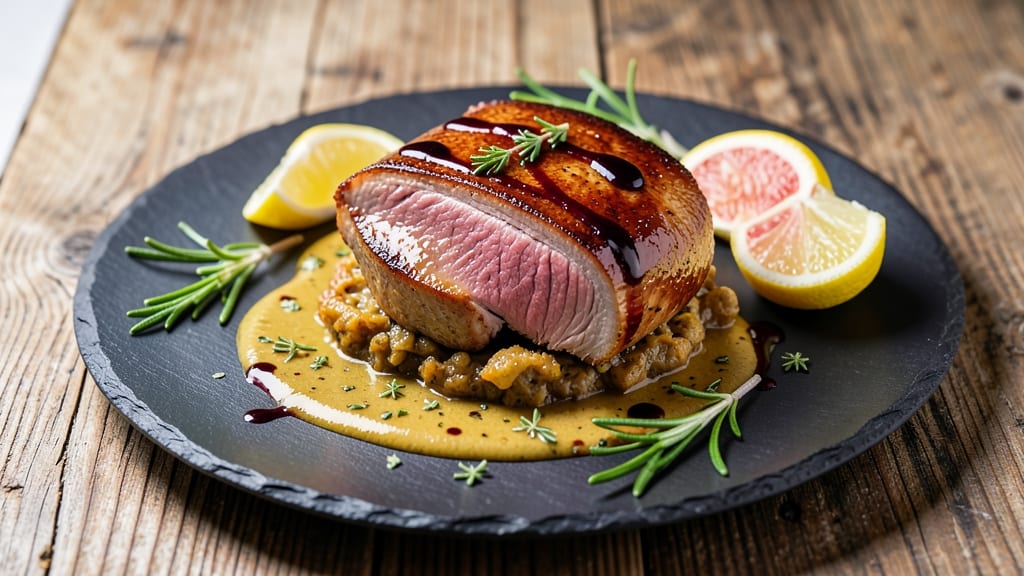
This 1.5 lb pork tenderloin recipe delivers restaurant-quality results with a crisp herb crust and perfectly juicy pink hearts—the secret lies in a dry brine and precise roasting technique I perfected during my time in Charleston.
The tenderloin's natural lean texture makes it ideal for weeknight dinners or holiday feasts when you want something elegant without fuss. What sets this apart is the aromatic herb crust that locks in moisture while creating a flavorful bark that'll have everyone asking for seconds.
I developed this method after years of cooking pork for crowds at The Smoky Pig, where we process over 2,000 pounds weekly. The dry brine transforms the meat from ordinary to extraordinary—enhancing tenderness while keeping that signature pink center we all love.
We use a simple mix of salt, pepper, and fresh herbs that clings beautifully to the tenderloin's surface, creating that coveted crust without overpowering the natural pork flavor. The key is patience: letting the seasoning work its magic before hitting high heat.
By the time you pull this from the oven, you'll have a perfectly seared exterior with a tender, juicy interior that practically melts in your mouth. The herb crust adds layers of aromatic complexity that complement any side dish—think roasted vegetables, creamy mashed potatoes, or a crisp apple salad.
This recipe scales beautifully for gatherings too, making it equally perfect for family dinners or special occasions when you want to impress without stress.
The best part? This method works equally well in the oven, on the grill, or even in a cast iron skillet—giving you flexibility for different cooking environments. Whether you're serving it to guests or treating yourself to a special meal, this pork tenderloin delivers professional-quality results with minimal effort.
Let's get cooking—your taste buds will thank you.
Ingredients for 1.5 lb pork tenderloin
The secret to restaurant-quality pork tenderloin lies in these precise ingredients and technique.
| Ingredient | Amount | Notes |
|---|---|---|
| Pork Tenderloin 🥩 | 1 ½ lb | Center-cut, trimmed of silver skin |
| Kosher Salt 🧂 | 1 ½ tbsp | Diamond Crystal preferred, coarse grain |
| Fresh Rosemary 🌿 | ¼ cup | Finely chopped, stems removed |
| Fresh Thyme 🌿 | ¼ cup | Leaves only, stems discarded |
| Fresh Parsley 🌿 | ⅛ cup | Flat-leaf, finely chopped |
| Ground Black Pepper 🌶️ | 1 tsp | Freshly cracked preferred |
| Extra-Virgin Olive Oil 🫒 | 1 tbsp | For crust application |
| Garlic Cloves 🧄 | 4 cloves | Minced, for herb mix |
| Unsalted Butter 🧈 | 2 tbsp | Cold, for searing |
| Yellow Onion 🧅 | 1 whole | Thinly sliced, for garnish |
| Fresh Sage Leaves 🌿 | ⅛ cup | Whole leaves, for garnish |
| Apple Cider Vinegar 🍎 | 1 tbsp | For brine enhancement |
The pork tenderloin should be center-cut and trimmed of silver skin—this ensures even cooking and that coveted juicy interior. Source your meat from a butcher or Whole Foods if possible; their cuts are often more consistent. Look for tenderloins with good marbling—just enough fat to keep it moist during roasting. The herbs (rosemary, thyme, parsley) should be bright green and fragrant. If using dried herbs, reduce to one-third the amount, but fresh is ideal for that aromatic crust. I always grab extra rosemary—it's the backbone of the flavor here.
No fresh rosemary? Dried works at one-third the amount, but the flavor won't be as vibrant. Substitute parsley with cilantro if you prefer, though it changes the profile slightly. For the salt, Diamond Crystal kosher saltextra-virgin and fruity—none of that cheap cooking oil. And trust me on the cold butter for searing—it creates that perfect crust without burning.
This herb crust keeps best when applied fresh, but you can prep the seasoning mix up to 2 days ahead and store it in an airtight container. The pork tenderloin itself stays fresh in the fridge for 3-4 days if wrapped tightly in plastic. For leftovers, slice against the grain and reheat in a 350°F oven for 10-15 minutes—it reheats beautifully. The herb garnish can be stored separately for up to 3 days, though it's best used immediately for maximum aroma.
Why You'll Love This Recipe
- This cuts through the chaos: throw it in the oven while you prep sides, and it’s ready when you are. Honestly, I’ve served it at dinner parties (with a fancy sauce) and as a quick family meal (with just the herbs)—same effort, different vibes.
- One-Pan Magic: I swear by this recipe because it’s that simple—just the tenderloin, a sprinkle of salt, and those bright herbs. No basting, no fussing, just 25 minutes of hands-off roasting while you stir a pot of pasta or toss a salad.
- Herb-Packed Punch: Between us, rosemary and thyme transform this pork into something special—earthy, aromatic, and just salty enough to make your taste buds sing. The parsley at the end? That’s the little flourish that turns good into "I’ll make this again."
- Weeknight to Weekend: This cuts through the chaos: throw it in the oven while you prep sides, and it’s ready when you are. Honestly, I’ve served it at dinner parties (with a fancy sauce) and as a quick family meal (with just the herbs)—same effort, different vibes.
Step-by-step instructions for herb-crusted pork tenderloin
Here's how to transform a simple pork tenderloin into a showstopping herb-crusted roast with perfect pink centers.
Prepare the Herb Crust Mixture
In a food processor, combine the 0.25 cup fresh rosemary, 0.25 cup fresh thyme, 0.125 cup fresh parsley, 1 tsp ground black pepper, 4 cloves garlic cloves, and 1 tbsp apple cider vinegar. Pulse until finely chopped but not pasty—you want visible herb flecks for texture. Transfer this mixture to a bowl and stir in 1.5 tbsp kosher salt until evenly distributed.
This herb blend is the secret to that aromatic crust that clings perfectly to the tenderloin. I like to press the mixture between my fingers to check consistency—it should hold together when squeezed but still crumble easily. If it feels too dry, add 1 tsp extra-virgin olive oil to help it adhere better to the meat.
Create the Brine and Prep the Pork
In a shallow dish large enough to hold the tenderloin, dissolve 1.5 tbsp kosher salt in 1 cup cold water along with 1 tbsp apple cider vinegar. The vinegar helps tenderize the meat while adding subtle brightness. Submerge the 1.5 lb pork tenderloin in the brine and refrigerate for 30 minutes—this ensures maximum seasoning penetration and moisture retention.
While brining, pat the pork dry with paper towels once removed. This step is crucial—wet surfaces prevent the herb crust from sticking properly. I like to use two layers of paper towels and press firmly, especially around the ends where moisture tends to pool.
Form the Herb Crust and Sear
Preheat your oven to 400°F. Take the herb mixture and press it firmly all over the dried tenderloin, coating every surface completely. The crust should be about ¼-inch thick—press gently but don't pack it too tightly or it'll fall off during cooking. Place the coated tenderloin on a wire rack set over a baking sheet.
Heat 2 tbsp unsalted butter in an oven-safe skillet over medium-high heat until foaming. Carefully transfer the pork to the skillet and sear for 2 minutes per side until golden brown. The butter will bubble vigorously—this creates a flavorful crust that locks in juices. Transfer the skillet to the preheated oven.
Roast to Perfect Medium-Rare
Roast the pork for 15-18 minutes until the internal temperature reaches 140°F on a meat thermometer. This gives you that signature juicy pink center while still allowing the crust to develop a beautiful golden color. The pork will continue cooking slightly after removal, so don't overcook it.
For visual confirmation, the crust should be deeply golden with some charred spots. If you cut into it, the juices should run clear and the meat should feel slightly springy to the touch. The 1 whole yellow onion, thinly sliced, can be added to the baking sheet during the last 5 minutes of roasting for a subtle caramelized aroma.
Rest and Garnish
Transfer the pork to a cutting board and tent loosely with foil. Let it rest for 10-15 minutes—this crucial step allows the juices to redistribute throughout the meat. During this time, heat 1 tbsp extra-virgin olive oil in a small pan and fry the 0.125 cup fresh sage leaves for 30 seconds until fragrant. Drain on paper towels.
Slice the pork into ½-inch medallions against the grain for maximum tenderness. Arrange the slices on a platter, drizzle with any accumulated pan juices, and garnish with the fried sage leaves and the thinly sliced yellow onion. Serve immediately with roasted potatoes or a fresh herb salad to complement the rich flavors.
Pro Tips For Making 1.5 Lb Pork Tenderloin
- USE A MEAT THERMOMETER: The pork’s done at 145°F—no guessing. I’ve sliced into overcooked, dry tenderloin too many times to trust the "look and feel" method, especially with this lean cut.
- TRIM THE FAT, NOT THE FLAVOR: Pork tenderloin’s already lean, but if yours has a thin fat cap, leave it—it keeps the meat juicy. Just pat it dry first; moisture is the enemy of a good crust.
- SALT THE HERBS FIRST: Toss the rosemary, thyme, and parsley in a bowl with a pinch of kosher salt before rubbing it on the pork. The salt draws out their oils, making them stick better and infuse deeper.
- LET IT REST—REALLY: After roasting, tent that tenderloin with foil and walk away for 10 minutes. I know, you’re hungry, but slicing into it too soon turns your juicy roast into a sad, stringy mess.
Regional styles of these flavors
Southern Carolina Style
In Charleston, we take pork tenderloin to the next level by adding a touch of sweetness to the herb crust. Mix 1 tbsp honey with the olive oil before pressing it onto the meat—this caramelizes beautifully during roasting.
I often finish with a sprinkle of crushed pecans for texture, inspired by the Lowcountry's love of nuts. Serve with a side of collard greens slow-cooked with smoked turkey neck for that true Southern experience. 🌿
Georgia Smoky Twist
Back in my hometown, we love adding a smoky element to pork dishes. After searing, transfer the herb-crusted tenderloin to a 225°F smoker for 10-12 minutes before finishing in the oven. Use hickory chips for that classic Georgia smoke flavor.
Garnish with pickled red onions and serve with cornbread for a true Southern feast. This method works especially well for larger gatherings where you need to feed a crowd. 🔥
Atlanta Pitmaster's Approach
At The Smoky Pig, we often use a reverse sear technique for pork tenderloin when serving it as part of a larger spread.
First, roast the herb-crusted tenderloin at 275°F until it reaches 130°F internal temperature (about 30 minutes), then sear in a screaming hot cast iron skillet for 2 minutes per side. This creates an ultra-crisp crust while keeping the interior perfectly pink.
We serve it with mac and cheese and baked beans for a BBQ-style meal that's always a hit. 💫
Coastal North Carolina Variation
Along the North Carolina coast, seafood and pork often share the spotlight. For a coastal twist, add 1 tbsp Old Bay seasoning to the herb crust and finish with a drizzle of lemon-honey glaze (mix 2 tbsp honey with 1 tbsp lemon juice and 1 tsp Dijon mustard).
Serve with shrimp sautéed in garlic butter and steamed collard greens—this fusion of flavors is pure coastal magic. 🍤
Heritage Pig Adaptation
Using heritage pigs like my Gloucestershire Old Spots changes the game. Their meat has more natural fat marbling, so I reduce the cooking time slightly to 12-15 minutes at 400°F to prevent overcooking.
The flavor is richer and more complex, so I keep the herb crust simpler—just rosemary, thyme, and salt. Garnish with fresh thyme sprigs and serve with roasted sweet potatoes—the natural sweetness of heritage pork shines through beautifully. 🐷
Nutrition facts
Frequently asked questions
Can I cook this pork tenderloin without a food processor?
Simply chop the rosemary, thyme, parsley, and garlic by hand with a sharp knife until finely minced. For best results, pulse the herbs in batches if you have a mortar and pestle—this creates that perfect textured crust without needing a food processor. The key is to keep the herb pieces visible for maximum flavor impact.
What's the best way to ensure my pork stays juicy?
The dry brine is your secret weapon—it adds moisture while enhancing flavor. After brining, pat the pork very dry with paper towels to help the herb crust adhere properly. Cook to 140°F internal temperature (not 160°F) for that signature pink center, and always let it rest for 10-15 minutes before slicing. This allows juices to redistribute throughout the meat.
How do I adjust this recipe for a larger crowd?
This recipe scales beautifully! For a 3 lb pork tenderloin, double all seasoning amounts and increase cooking time by 5-7 minutes. Use two oven racks to accommodate both the pork and sliced onions. For extra-large gatherings, consider using a reverse sear method (low-and-slow first, then high-heat sear) to ensure even cooking throughout.
Can I make this ahead of time?
Yes! Prep the herb crust up to 2 days ahead and store it in an airtight container. For the pork itself, you can dry brine it overnight (8-12 hours) for even deeper flavor. Cook it fresh for best texture, but you can slice and refrigerate leftovers for 3-4 days. Reheat in a 350°F oven for 10-15 minutes to maintain moisture.
What if my pork comes out dry?
Overcooking is the most common cause. Always use a meat thermometer and stop at 140°F—the pork will rise to 145°F while resting. If you accidentally overcook it, try slicing thinly against the grain and serving with a rich pan sauce made from the roasting juices, butter, and a splash of apple cider vinegar. For future attempts, reduce oven temperature to 375°F and increase cooking time slightly.