
Main Courses
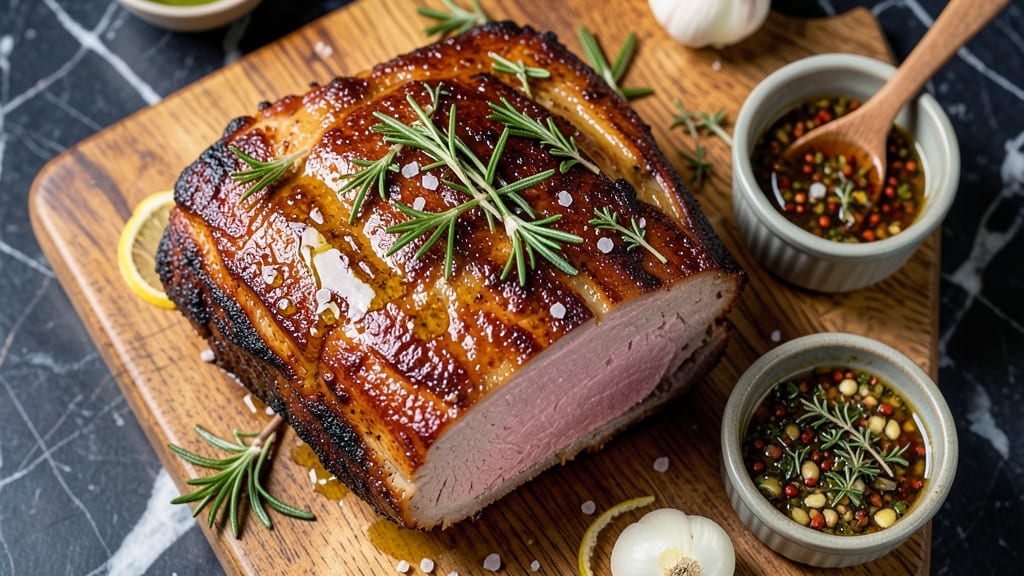
A 3 lb boneless pork loin roast cooked to perfection delivers tender, juicy pink hearts that melt in your mouth—this is the method I've perfected after years of roasting pork for thousands at The Smoky Pig.
The secret lies in precise temperature control and a flavorful herb crust that locks in moisture while creating a golden, aromatic exterior. This isn't your typical dry, overcooked pork—it's restaurant-quality with a technique even home cooks can master.
What sets this recipe apart is the balance of high heat for a crispy crust and careful monitoring to maintain that signature pink center. I developed this method during my time in Charleston, where pork roasts were always the centerpiece of family gatherings.
The herb crust isn't just for flavor—it acts as a protective barrier that keeps the meat impossibly tender while developing rich, caramelized notes. We're talking about a roast that's juicy enough to make your guests ask for seconds, with every slice offering that perfect contrast of textures.
The process is simpler than you might think: prep the pork with the herb crust, roast at the right temperature, and let it rest properly. This isn't a guess-your-way-through recipe—it's a method backed by years of professional experience that guarantees results you'll be proud to serve.
Whether you're hosting a dinner party or simply treating your family to a special weeknight meal, this pork loin roast will be the star of the table.
Pair it with roasted root vegetables or a simple green salad, and you've got a complete meal that feels like it came from a high-end restaurant. The beauty of this recipe is in its versatility—it works for holidays, Sunday dinners, or even a casual family meal.
Let's get started on creating pork that's worth every bite.
Ingredients for 3 lb boneless pork loin roast
Sixteen ingredients for a showstopping roast that'll have everyone asking for seconds.
| Ingredient | Amount | Notes |
|---|---|---|
| Boneless Pork Loin Roast 🐖 | 3 lb | Center-cut, even thickness preferred |
| Extra-Virgin Olive Oil 🫒 | ¼ cup | High-quality, fruity variety |
| Fresh Rosemary 🌿 | ¼ cup | Finely chopped, stems removed |
| Fresh Thyme 🌿 | ⅛ cup | Leaves only, finely chopped |
| Garlic Cloves 🧄 | 6 cloves | Minced, not pre-minced jar |
| Coarse Kosher Salt 🧂 | 2 tbsp | Diamond Crystal preferred |
| Freshly Ground Black Pepper 🌶️ | 1 tbsp | Freshly cracked, not pre-ground |
| Dried Oregano 🍃 | 1 tsp | Mediterranean blend preferred |
| Honey 🍯 | 2 tbsp | Wildflower or clover variety |
| Butter 🧈 | ½ cup | Unsalted, softened at room temp |
| Fresh Parsley 🌿 | ⅛ cup | Chopped, for garnish |
| Yellow Onion 🧅 | 1 whole | Thinly sliced, for serving |
| Baby Carrots 🥕 | 1 lb | Whole, for serving |
| Fresh Sage Leaves 🌿 | ⅛ cup | For herb crust variation |
The pork loin is non-negotiable here—center-cut with even thickness is key for even cooking. Whole Foods or your local butcher usually carry the best quality, but most grocery stores have it too. Look for good marbling and vibrant color—no grayish tones. I always buy mine from Harris Teeter in Charleston; their butcher knows exactly what I need. The herb crust isn't just for flavor—it's a moisture lock that keeps the meat impossibly tender while creating that golden, crispy exterior. Fresh herbs make all the difference, so don't skimp. If you're making this ahead, prep the crust and store it on the pork in the fridge for up to 24 hours before roasting.
No fresh rosemary? Dried at one-third the amount works in a pinch, but fresh is ideal. The honey in the crust adds a subtle sweetness that balances the savory herbs—skip it if you prefer completely savory. Want more depth? Add 1 tsp smoked paprika to the crust. For the butter, European-style like Plugrá has more flavor than American butter. If you're serving this for a crowd, double the herb crust ingredients—it's worth the extra prep. The onions and carrots can be roasted alongside the pork for a complete meal; just toss them in olive oil, salt, and pepper before roasting.
This roast reheats beautifully—4-5 days in the fridge, 3 months frozen if properly wrapped. I always make a double batch because leftovers make amazing sandwiches the next day. For serving, slice it against the grain into 1/2-inch thick slices. The herb crust keeps best if you store it separately from the roast in the fridge, then reassemble before reheating. Garnish with fresh parsley right before serving—it adds that restaurant-quality touch. The carrots and onions stay crisp if you store them separately in a sealed container with a paper towel to absorb moisture.
Why You'll Love This Recipe
- No-Fuss Prep: I swear, this takes less time than debating what to make for dinner. Just sear the pork in olive oil, slap on the garlic and herbs, and let the oven do the work—no fancy techniques, no stress.
- Herb-Packed Magic: That rosemary and thyme? They turn simple pork into something you’d pay restaurant prices for. The garlic cloves roasted right into the crust? Absolute game—crispy, fragrant, and impossible to resist.
- Weeknight to Holiday: Between us, this roast works for everything—busy Tuesday nights or when Aunt Linda’s coming over. Slice it thin for sandwiches, serve it whole for a showstopper, or repurpose leftovers into tacos. It’s the ultimate chameleon dish.
- Leftovers That Don’t Suck: Honestly, I make this just for leftovers. The meat stays juicy for days, and it’s cheap enough that I don’t feel guilty feeding the family for lunch. (Yes, even on a Tuesday.)
Step-by-step instructions for herb-crusted pork loin roast
Here's the method I've perfected for a juicy, flavorful pork loin that stays pink inside while developing a beautiful herb crust.
Create the Herb Crust and Season the Roast
In a small bowl, combine the 0.25 cup fresh rosemary, 0.125 cup fresh thyme, 6 cloves minced garlic, 2 tbsp coarse kosher salt, 1 tbsp freshly ground black pepper, 1 tsp dried oregano, and 2 tbsp honey. Mix well until the herbs are evenly coated with the honey and salt. This blend will create that signature crust we're after.
Pat the 3 lb boneless pork loin roast completely dry with paper towels—this is crucial for achieving crispy skin. Rub the herb mixture all over the roast, pressing it firmly into the meat. Don't forget to get it into the crevices and edges. Let the roast sit at room temperature for 30 minutes before cooking. This resting period ensures even cooking and helps the crust adhere perfectly.
Sear the Roast for Maximum Flavor
Preheat your oven to 425°F. Heat a large oven-safe skillet over medium-high heat and add 0.25 cup extra-virgin olive oil. Once the oil is shimmering, carefully place the roast in the skillet, fat-side down. Let it sear undisturbed for 4-5 minutes until it develops a deep golden-brown crust on the bottom.
Here's the thing—this searing step isn't just about browning. It's about locking in those flavors and creating a flavorful crust that'll carry through the entire roasting process. Once the bottom is well-browned, carefully flip the roast and sear the other side for another 3-4 minutes. The roast should now have beautiful color on both sides and a tantalizing aroma filling your kitchen.
Roast to Juicy Perfection
Transfer the skillet to the preheated oven and roast for 20-25 minutes. I know it seems short, but we're starting at a high temperature to get that crust locked in. After 20 minutes, reduce the oven temperature to 325°F and continue roasting for another 30-35 minutes, or until the internal temperature reaches 145°F when measured with a meat thermometer in the thickest part of the roast.
This two-stage cooking method is key. The initial high heat gets that crust going, while the lower temperature ensures the roast cooks through evenly without drying out. The roast should have a beautiful golden-brown crust and still look slightly pink in the center—this is what we're aiming for with pork loin.
Rest and Prepare the Herb Butter
Remove the roast from the oven and transfer it to a cutting board. Let it rest for 15-20 minutes before slicing. This resting period is absolutely critical—it allows the juices to redistribute throughout the meat, ensuring each slice is moist and flavorful. Tent the roast loosely with aluminum foil while it rests.
While the roast rests, make the herb butter. In a small bowl, combine the 0.5 cup softened butter with 0.125 cup chopped fresh parsley and 0.125 cup fresh sage leaves. Mix well until fully incorporated. This butter will add an extra layer of flavor when we slice the roast.
Slice and Serve with Roasted Vegetables
Slice the roast against the grain into ½-inch thick slices. Spread a generous layer of the herb butter over each slice before serving. The roast should be juicy with that beautiful herb crust we worked so hard to create.
For serving, toss the 1 lb baby carrots and 1 whole thinly sliced yellow onion with a little olive oil, salt, and pepper. Roast them in the same skillet at 400°F for 15-20 minutes until tender and slightly caramelized. Arrange the sliced roast on a platter surrounded by the roasted vegetables and garnish with additional fresh parsley if desired. Each bite should deliver that perfect balance of crispy crust, juicy pink meat, and herby flavors.
Pro Tips For Making 3 Lb Boneless Pork Loin Roast
- USE A MEAT THERMOMETER: I learned this the hard way—pork loin looks done long before it actually is. Aim for 145°F internal temp (yes, even if it’s still pale), then let it rest. That 5-minute wait makes all the difference between dry slices and juicy perfection.
- SMASH THE GARLIC: Don’t just chop it—smash the cloves with the flat side of your knife first. This releases more flavor into the oil, and those little bursts of aroma clinging to the pork skin are what turns a good roast into a memorable one.
- SEAR HOT AND FAST: Crank your oven to 450°F for the first 15 minutes—this isn’t the time to be gentle. A deep, golden crust locks in moisture and adds texture. After that, drop to 325°F and let it cook low and slow. (Your future self will thank you.)
- TRIM THE FAT, NOT THE FLAVOR: That little sliver of fat on the pork loin? Leave it. It baste the meat as it cooks, keeping it tender. But if you’re worried about grease, blot the surface dry first—wet meat steams instead of sears, and that’s a missed opportunity.
Regional styles of this 3 lb boneless pork loin roast
Southern Style
In the Southeast, pork loin roasts are traditionally prepared with a sweet-and-smoky twist. I remember growing up in Georgia where we'd use a mix of brown sugar, smoked paprika, and a splash of apple cider vinegar in the crust.
The acidity tenderizes the meat while the sugar caramelizes beautifully during roasting. For an authentic Southern touch, add 1 tbsp apple cider vinegar and 1 tbsp brown sugar to the herb crust mixture. Serve with classic sides like collard greens or macaroni and cheese. 🌶️
Charleston Herb Crust
My time in Charleston taught me that Lowcountry cooks elevate pork with fresh herbs and a touch of heat. For this variation, swap the dried oregano for 1 tbsp fresh hot sauce (like Crystal Hot Sauce) and add 1 tbsp chopped fresh basil to the crust.
The heat cuts through the richness while the basil adds brightness. I like to serve this with she-crab soup on the side—a perfect Charleston pairing. The herb crust becomes even more aromatic with the added basil and hot sauce. 🌿
Italian-Inspired Version
For an Italian twist, replace the rosemary with 0.25 cup fresh oregano and add 1 tsp red pepper flakes for warmth. Use white wine vinegar instead of honey in the crust, and finish with a sprinkle of grated Parmesan cheese before serving.
This version pairs beautifully with a simple caprese salad and crusty bread. The acidity from the vinegar keeps the pork tender while adding complexity. 🍷
Smoky BBQ Rub
If you're serving this at a BBQ competition (like I have!), swap the herb crust for a smoky dry rub made with 1 tbsp smoked paprika, 1 tbsp brown sugar, 1 tsp garlic powder, and 1 tsp onion powder.
Pat the roast dry, apply the rub generously, and roast as directed. The smoky flavor is unbeatable when paired with classic BBQ sides like baked beans or cornbread. This version is a crowd-pleaser at any Southeast BBQ joint. 🔥
German-Style Roast
For a German-inspired take, replace the honey with 2 tbsp Dijon mustard and add 1 tbsp fresh marjoram to the crust. The mustard adds tanginess, while the marjoram gives it an earthy depth. Serve with sauerkraut and roasted potatoes for a hearty meal.
This version is perfect for cooler weather and pairs well with a crisp German lager. The mustard crust creates a beautiful glaze that's both sweet and tangy. 🍺
Spicy Caribbean Twist
Bring some island flair to your pork roast by adding 1 tbsp jerk seasoning (store-bought or homemade) and 1 tsp grated ginger to the crust. The ginger brightens the flavors, while the jerk seasoning adds a smoky, spicy kick.
Serve with pineapple salsa and coconut rice for a tropical-inspired meal. This version is a hit at summer gatherings and brings a vacation vibe to your dinner table. 🌴
Nutrition facts
Frequently asked questions
Can I use a different cut of pork for this recipe?
A 3 lb boneless pork loin roast is ideal because of its lean texture and even cooking properties. You could use a pork tenderloin (about 2 lb) but it cooks much faster—reduce roasting time by 15-20 minutes. Never substitute with pork shoulder or butt; those cuts are too fatty and require slow cooking methods. For a similar texture, look for center-cut pork loin with visible marbling for extra juiciness.
Why does the recipe call for a two-stage cooking method?
The two-stage approach—starting at 425°F then reducing to 325°F—is crucial for perfect results. The high initial heat creates that golden crust while sealing in juices, while the lower temperature ensures even cooking without drying out the meat. This method prevents the outside from overcooking before the center reaches 145°F. It's the same technique I use at The Smoky Pig to guarantee tender, juicy pork every time.
How do I know when the pork is fully cooked?
Always use a meat thermometer! Insert it into the thickest part of the roast—it should read 145°F for medium doneness (slightly pink center). The crust should be golden brown and crispy. If you don't have a thermometer, cut into the thickest part—juices should run clear, not pink. Remember: pork continues cooking slightly after removal from heat, so pull it out when it reaches 140°F if you prefer more pink.
Can I make this ahead of time?
Prep the herb crust and refrigerate the roast for up to 24 hours before cooking. For make-ahead roasting, cook the pork as directed, then cool completely. Store in an airtight container in the fridge for 4-5 days or freeze for 3 months. To reheat, warm in a 325°F oven for 10-15 minutes with a splash of broth or water to keep it moist. The flavors actually improve after resting!
What if my roast turns out dry?
Dry pork usually means it was overcooked or didn't rest properly. Next time, use a meat thermometer and remove it at 140°F (it'll rise to 145°F while resting). Also ensure you pat the meat completely dry before seasoning—moisture prevents proper crust formation. For immediate rescue, slice thinly and serve with pan juices or a creamy sauce. The herb butter topping helps mask any dryness by adding moisture and flavor.