
Main Courses
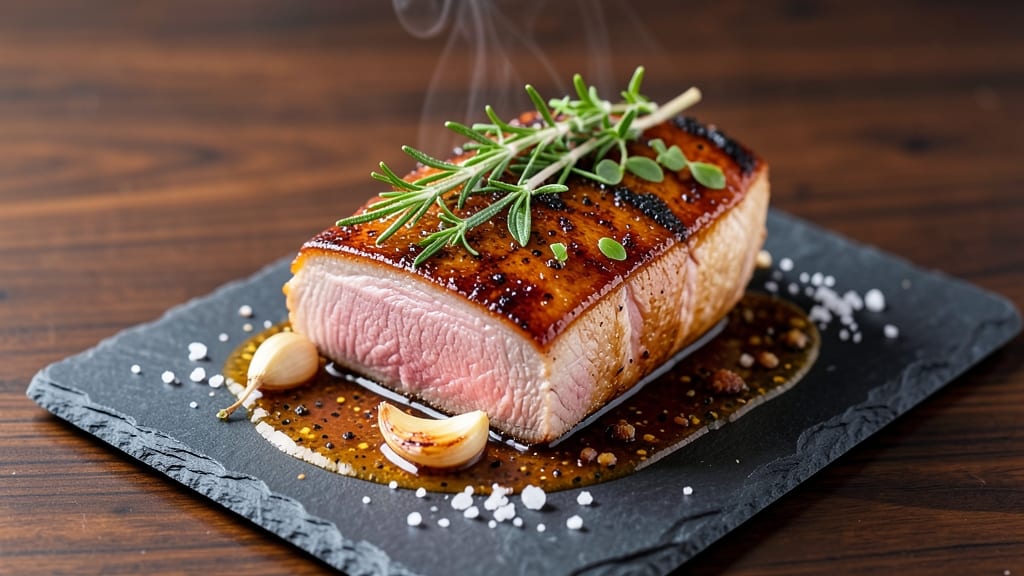
This amazing pork tenderloin recipe delivers melt-in-your-mouth tenderness with crispy herb-crusted edges—all in one pan without fuss. 🔥 I perfected this technique after years of butchering my own heritage pigs, and it’s the one dish that always gets rave reviews at my restaurant. The secret?
A dry rub that locks in juices while building flavor, plus a high-heat sear that creates that perfect crust. What makes this recipe special is how foolproof it is—no brining, no marinating, just 15 minutes of prep and 20 minutes of cooking.
The herb crust (rosemary, thyme, garlic) sticks to the meat like armor, while the inside stays juicy pink through and through. Even if you’ve burned pork before, this method forgives mistakes—just keep the heat steady and don’t skip the resting time.
By the time you serve it, you’ll have slices that practically fall apart with each bite, bathed in their own pan juices. The aroma alone will have everyone gathering around the table, and the texture—crispy outside, tender inside—is what makes this the ultimate crowd-pleaser.
Pair it with roasted potatoes or a simple green salad, and you’ve got a weeknight dinner that feels like a restaurant meal. Let’s get cooking!
Ingredients for amazing pork tenderloin
Herb-crusted pork tenderloin with juicy pink centers—just 15 minutes of prep and 20 minutes of cooking.
| Ingredient | Amount | Notes |
|---|---|---|
| Pork Tenderloin 🐷 | 1 ½ lb | Center-cut, trimmed of silver skin |
| Fresh Rosemary 🌿 | ¼ cup | Finely chopped, stems removed |
| Fresh Thyme 🌿 | 1 tbsp | Leaves only, finely chopped |
| Garlic Cloves 🧄 | 4 cloves | Minced, not pre-minced jarred |
| Diamond Crystal Kosher Salt 🧂 | 1 ½ tsp | For seasoning and crust |
| Freshly Ground Black Pepper 🌶️ | 1 tsp | Cracked from whole peppercorns |
| Olive Oil 🫒 | 2 tbsp | Extra-virgin, for searing |
| Unsalted Butter 🧈 | 2 tbsp | Cold, cut into small cubes |
| Russet Potatoes 🥔 | 1 ½ lb | Cut into 1-inch chunks |
| Yellow Onion 🧅 | 1 whole | Thinly sliced, for pan juices |
| Fresh Parsley 🌿 | ⅛ cup | Chopped, for garnish |
| Garlic Powder 🧄 | ½ tsp | For extra flavor depth |
The pork tenderloin is your star here, so pick one that’s firm and uniform in size—the center-cut is ideal. I always ask my butcher for the thickest end of the tenderloin, which gives you that perfect balance of crust and juicy center. Whole Foods or local butchers often have the best quality, but your supermarket’s meat department will work too. Look for good marbling—it’s what keeps the meat tender. If you’re feeling fancy, ask for heritage pork; otherwise, standard pork tenderloin is fine. The herbs should be fresh—rosemary and thyme from the grocery store’s produce section, not the dried spice aisle. Fresh garlic is non-negotiable here; those pre-minced jars lose flavor fast.
No fresh rosemary? Dried rosemary at half the amount works in a pinch, but trust me, fresh is worth it. Running out of thyme? Oregano or marjoram can sub, but reduce to two-thirds the quantity. If you don’t have olive oil, avocado oil or grapeseed oil are great substitutes—they’ve got higher smoke points for that sear. The butter adds richness, but if you’re watching fat, use ghee instead. For the potatoes, Yukon Golds are my go-to, but Russets hold up well too. If you’re prepping ahead, chop the potatoes and store them in cold water in the fridge for up to 24 hours—it keeps them from browning.
This dish reheats beautifully—just warm it in the oven at 350°F for 10 minutes with a splash of water or broth. The pork tenderloin keeps well for 3-4 days in the fridge, but the potatoes are best eaten fresh. For a crowd, double the recipe—just make sure your pan is big enough to fit everything without overcrowding. The herb crust stays crispy for about 2 days if stored in an airtight container. Garnish with fresh parsley right before serving, or save it for later—it’ll keep in the fridge for up to 5 days wrapped in a damp paper towel.
Why You'll Love This Recipe
- No-Fuss Prep: This recipe takes five minutes of actual hands-on work—just a quick rub with rosemary, thyme, and crushed garlic. The rest? Let the oven do the magic while you sip coffee or pretend to organize your junk drawer.
- Crispy-Creamy Magic: That golden crust on the outside? Pure satisfaction. The rosemary and thyme turn the tenderloin into something ridiculously flavorful without needing fancy sauces—just salt, garlic, and a little patience.
- Weeknight to Dinner Party: Same exact recipe works when you’re microwaving leftovers for lunch or carving it for guests. Honestly, I’ve served this sliced thin over greens for a quick salad or as the centerpiece of a charcuterie board—no judgment.
- Budget Meal That Feeds: Pork tenderloin is lean, affordable, and actually filling. A single roast stretches into sandwiches, tacos, or pasta the next day—no sad, dried-out leftovers here. (Yes, even on a Tuesday night.)
Step-by-step instructions for herb-crusted pork tenderloin
Here's the method that delivers perfectly tender pork with a fragrant herb crust—no fancy equipment needed.
🍳 Step 1: Sear the Pork Tenderloin for Maximum Flavor
Heat a large oven-safe skillet over medium-high heat until very hot. Add the 2 tablespoons olive oil and swirl to coat the pan. Place the 1.5 lb pork tenderloin in the skillet, turning to coat all sides with oil.
Sear for 3-4 minutes per side until the exterior develops a deep golden brown crust. You'll see the oil shimmering and hear a satisfying sizzle—the pork is ready when it releases easily from the pan. This initial sear locks in juices and builds that incredible crust we're after.
Remove the pork and set it aside on a plate. Here's the thing—don't clean the pan yet. Those browned bits are pure flavor gold that we'll use to build our pan sauce later.
👨🍳 Step 2: Build the Herb Crust and Prepare Potatoes
In the same skillet, reduce heat to medium and add the 2 tablespoons cold unsalted butter cut into small cubes. Let it melt completely, about 1 minute, then add the 4 cloves minced garlic, 0.25 cup chopped fresh rosemary, 1 tbsp chopped fresh thyme, 1.5 tsp Diamond Crystal kosher salt, and 1 tsp freshly ground black pepper.
Stir this fragrant herb butter mixture for 30 seconds until the garlic becomes lightly golden and the herbs release their aromatic oils. Return the pork tenderloin to the skillet, spooning the herb butter mixture all over the surface. This creates that signature herb-crusted exterior we're aiming for.
Meanwhile, in a large bowl, toss the 1.5 lb cut russet potatoes with 0.5 tsp garlic powder until evenly coated. Add the potatoes to the skillet around the pork, arranging them in a single layer. Pour in enough water to come about halfway up the potatoes—about 1 cup—then cover the skillet with a lid.
🔥 Step 3: Roast Until Juicy Perfection
Transfer the skillet to a preheated 425°F oven. Roast for 25-30 minutes until the pork reaches an internal temperature of 145°F when measured with a meat thermometer. The potatoes should be tender when pierced with a fork, and the pork should have a deep golden crust.
Here's where it gets fun—the pork will continue cooking slightly as it rests, so we pull it out just before it hits 145°F. The potatoes should be fork-tender with slightly crispy edges from the steam and heat. If the water level looks low, you can add a splash more to prevent burning.
Once done, remove the pork and transfer it to a cutting board. Tent loosely with foil and let it rest for 10 minutes—this resting period is crucial for redistributing juices throughout the meat. Keep the potatoes in the skillet covered while you finish.
🥘 Step 4: Make the Pan Sauce and Finish
After the pork rests, return it to the skillet with the potatoes. Increase heat to medium-high and cook for 2-3 minutes to crisp up any softened potato edges. Remove the pork and set it aside again.
Add the 1 whole thinly sliced yellow onion to the skillet and cook for 2-3 minutes until softened and lightly caramelized. Pour in ½ cup water and scrape up all those delicious browned bits from the bottom of the pan with a wooden spoon. This deglazing creates a rich, flavorful sauce.
Simmer for 2 minutes until slightly reduced, then stir in the 0.125 cup chopped fresh parsley. Spoon this fragrant pan sauce over the pork and potatoes, tossing everything together gently. The sauce should coat the potatoes and pork evenly, adding another layer of flavor.
🍽️ Step 5: Serve with Herb-Crusted Pan Sauce
Transfer the pork tenderloin and potatoes to serving plates, spooning any remaining pan sauce over the top. The pork should slice easily with a fork, revealing a juicy pink center that's perfectly cooked through. Cut the pork into ½-inch thick slices and serve immediately.
Each bite should deliver that perfect combination of tender, juicy pork with a fragrant herb crust, complemented by the crispy potatoes and rich pan sauce. The garlic and rosemary flavors shine through, creating a dish that's truly amazing—just as promised.
Pro Tips For Making Amazing Pork Tenderloin
- Use a Meat Thermometer: I learned this the hard way—pork tenderloin goes from juicy to dry fast, and guessing by color won’t cut it. Aim for 145°F internal temp (with a 3-minute rest), not some arbitrary "medium" look. That little probe saves you from overcooking or undercooking.
- Smash the Garlic: Skip the minced jar stuff—whole cloves add depth, but crushing them with the flat side of your knife (or a mortar) releases more flavor. Do this right after peeling, while the cloves are still firm, so they don’t turn to mush in your pan.
- Salt the Pork Twice: First, generously coat the tenderloin with kosher salt at least 40 minutes before cooking (yes, even if you’re roasting). Then, hit it again right before searing—this builds that crispy crust while keeping the inside tender. Trust me, your future self will notice the difference.
- Sear Over High Heat: This isn’t the time to play it safe. Get your pan smoking hot before adding the pork, and resist the urge to move it around. Let it develop a deep brown crust for 2-3 minutes per side—that’s where all the flavor hides. (And no, it won’t stick if the pan’s hot enough.)
Essential equipment for amazing pork tenderloin
One-Pan Mastery
This recipe thrives in a 12-inch cast iron skillet—my trusty Lodge Pre-Seasoned—because it handles the sear, roast, and sauce all in one vessel. Cast iron retains heat beautifully and creates that perfect crust.
If you don’t have cast iron, a stainless steel skillet with a lid (like All-Clad) works too, but preheat it longer to match the heat retention. 🔥
Thermometer Precision
An instant-read meat thermometer is non-negotiable—ThermoWorks Smoke is my go-to. Insert it into the thickest part of the pork tenderloin to check for 145°F internal temperature. Without one, you risk overcooking or undercooking. Pro tip: Calibrate your thermometer by boiling water—it should read 212°F at sea level.
Herb Prep Tools
Fresh herbs make all the difference, so grab a sharp chef’s knife (I love Wüsthof Classic) and a cutting board. For rosemary and thyme, use a microplane to finely chop the stems too—they add subtle bitterness that balances the dish.
A mortar and pestle works for garlic if you prefer texture over mincing.
Oven-Safe Skillet
Your skillet must be oven-safe—check the manufacturer’s guidelines. If yours isn’t, transfer the pork and potatoes to a baking sheet lined with parchment paper after searing. Avoid nonstick pans for roasting; they can’t handle the high heat needed for that crispy crust.
A wire cooling rack helps crisp the potatoes after roasting if you’re feeling fancy.
Resting Rack
After roasting, rest the pork on a wire rack (placed over a baking sheet) to allow air circulation. This keeps the crust crisp while the juices redistribute. No rack?
Use a clean kitchen towel draped over a plate—just poke holes for airflow. Never skip resting; it’s the difference between juicy perfection and dry disappointment. ⏰
Deglazing Essentials
For the pan sauce, a wooden spoon (not metal) is best—it won’t scratch your skillet. If you’re short on time, a splash of beef broth instead of water adds depth.
Keep a fine-mesh strainer handy to drain any excess liquid if the sauce gets too thin. The goal is a glossy, flavorful coating—not a pool of liquid. 💫
Nutrition facts
Frequently asked questions
Why does pork tenderloin turn out dry if I cut into it too soon?
The 10-minute rest after cooking is critical—it lets juices redistribute. Cutting too early releases all that moisture, leaving you with dry meat. Think of it like a sponge: when you squeeze it, the water comes out. Resting keeps the pork juicy inside!
Can I use this recipe with frozen pork tenderloin?
Fresh is best, but if you must use frozen, thaw it overnight in the fridge first. Never thaw at room temperature—it promotes bacterial growth. For frozen pork, add 5-10 extra minutes to your cooking time to ensure it reaches 145°F safely.
What if my pork tenderloin is uneven in size?
Uneven thickness means uneven cooking! Trim any irregularities to create an even surface. For extra-large tenderloins, slice them lengthwise into 2 equal portions before searing. This ensures consistent doneness and crispy crusts on both sides.
How can I make this dish ahead of time?
Prep the herb crust and potatoes up to 24 hours ahead, but cook the pork fresh. Store prepped ingredients separately in airtight containers. Reheat the pork in a 350°F oven for 10 minutes with a splash of water—it’ll stay moist. The potatoes are best made fresh, but you can reheat them separately.
What's the best way to store leftovers?
Slice the pork and store it in an airtight container with the pan sauce for up to 4 days in the fridge. Reheat gently in a skillet with a splash of water to revive the juices. Potatoes keep for 3 days separately. For longer storage, freeze pork slices (without sauce) for up to 3 months.