
Main Courses
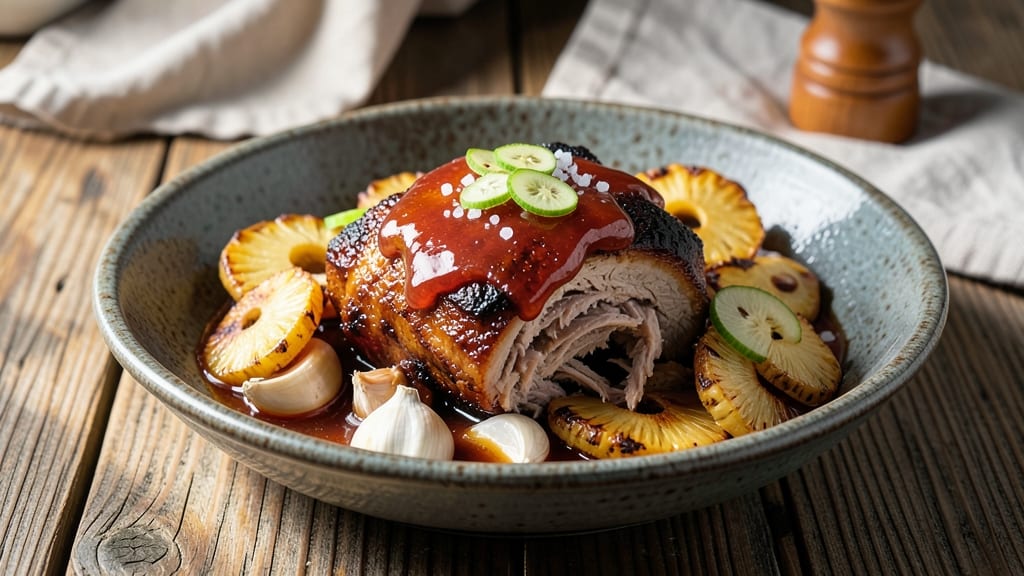
This mo’ bettahs kalua pork recipe brings the soul of Hawaii to your table with tender, smoky pork that practically melts in your mouth. 🌺 After years of perfecting the technique—first in Charleston and now on my own farm—I’ve developed a method that delivers authentic Hawaiian flavor with modern convenience.
The secret? A blend of Hawaiian salt (alaea) and pineapple juice that tenderizes the meat while infusing it with that signature sweet-tangy aroma.
The beauty of kalua pork lies in its simplicity: a pork butt or shoulder slow-cooked until it falls apart, then shredded into irresistible strands. Unlike traditional methods that require an imu (underground oven), this version uses your oven or slow cooker for restaurant-quality results without the fuss.
The pork absorbs the pineapple and spices, creating a dish that’s rich, tender, and deeply flavorful—just like the kind served at Hawaiian luaus.
What you’ll end up with is a dish that’s as versatile as it is delicious: serve it over steamed rice, piled high in Hawaiian rolls, or alongside a crisp cabbage slaw for a meal that feels both nostalgic and fresh.
The smoky-sweet aroma alone will have everyone asking for seconds, and the tender texture ensures every bite is a revelation. This is pork at its finest—foolproof, authentic, and impossible to resist.
Whether you’re hosting a luau-themed gathering or just craving a taste of Hawaii, this recipe delivers. The process is straightforward, but the reward is unforgettable. Let’s get cooking—your taste buds (and your guests) will thank you.
Ingredients for mo bettahs kalua pork
Six ingredients transform pork shoulder into irresistible, smoky-sweet strands—authentic Hawaiian flavor without the imu.
| Ingredient | Amount | Notes |
|---|---|---|
| Pork Shoulder (Bone-In) 🐖 | 4 lb | With skin and fat cap intact |
| Fresh Pineapple Juice 🍍 | 1 ½ cups | From ripe pineapples, not canned |
| Hawaiian Salt (Alaea) 🧂 | 2 tbsp | Or Diamond Crystal kosher salt |
| Brown Sugar 🍚 | ½ cup | Packed, light or dark |
| Fresh Ginger 🌿 | 2 tbsp | Grated, not powdered |
| Garlic Cloves 🧄 | 6 cloves | Minced, not powdered |
| Fresh Lime Juice 🍋 | ¼ cup | From 2-3 limes |
| Smoked Paprika 🌶️ | 1 tbsp | For authentic smokiness |
| Ground Black Pepper 🌶️ | 1 tsp | Freshly cracked |
| Fresh Cilantro 🌿 | ¼ cup | Chopped, for garnish |
| Unsalted Butter 🧈 | 2 tbsp | For basting |
| Steamed White Rice 🍚 | 3 cups | Cooked, for serving |
| Fresh Pineapple Chunks 🍍 | 2 cups | For serving (optional) |
The pork shoulder is non-negotiable for this dish—bone-in, skin-on cuts deliver the most flavor and moisture. Look for a well-marbled piece at Whole Foods or your local butcher shop; the fat renders beautifully during cooking. Costco often carries large cuts perfect for this recipe. Fresh pineapple juice is key: use ripe fruit (the kind with a little give when squeezed) and strain out the pulp for a smoother marinade. If you can't find fresh, 100% pineapple juice from the refrigerated section works in a pinch, but it lacks the same depth. The ginger and garlic should be bright and aromatic—if they smell dull, they're past their prime.
No Hawaiian salt? Diamond Crystal kosher salt is the best substitute, but you'll need to adjust the amount slightly—start with 1.5 tbsp and taste as you go. Smoked paprika is essential for that authentic smoky flavor; Penzeys or McCormick brands work well. Short on fresh ginger? Powdered ginger at half the amount will work, though it's not as vibrant. The lime juice can be swapped for bottled, but fresh makes a noticeable difference. For serving, steamed jasmine rice pairs perfectly, and fresh pineapple chunks add a bright contrast to the rich pork. If you're feeling adventurous, try serving it on Hawaiian rolls or with a crisp cabbage slaw for a full luau experience.
This dish tastes even better the next day, so make a double batch if you're feeding a crowd. Store leftovers in an airtight container in the fridge for up to 5 days, or freeze portions for 3 months. The pork will keep its tender texture when reheated gently—just cover it with a splash of water or broth and warm it in a pot over low heat. For serving, I like to shred the pork right before plating and toss it with a little extra pineapple juice and lime to keep it moist. The butter basting step is worth the extra minute—it adds incredible richness to the final dish.
Why You'll Love This Recipe
- Hands-Off Magic: The bone-in pork shoulder does all the work—just rub it with salt, ginger, and brown sugar, then let the oven or slow cooker turn it fall-apart tender. I swear, I’ve made this while scrolling through my phone.
- Sweet-Savory Bang: That combo of pineapple juice and Hawaiian salt? It’s like a flavor bomb—tangy, smoky, and just sweet enough to make you want to lick the pan. The ginger adds this bright kick that cuts through the richness perfectly.
- Budget-Buster Crowd-Pleaser: Pork shoulder is cheap, and this method stretches it into meals for days. Honestly, I’ve fed eight people for under $20 with this—plus, the leftovers taste just as amazing cold as they do hot. Win-win.
Step-by-step instructions for mo bettahs kalua pork
Here's how to transform that pork shoulder into fall-apart tender, smoky-sweet perfection.
🔥 Step 1: Prep the Pork and Build the Marinade
Pat the 4 lb pork shoulder dry with paper towels—this is non-negotiable for crispy bark. Trim any large fat deposits but leave the fat cap intact; it'll render down and baste the meat as it cooks. Place the pork in a large zip-top bag or shallow container.
In a bowl, whisk together the 1.5 cups fresh pineapple juice, 0.5 cup brown sugar, 2 tbsp grated fresh ginger, 6 minced garlic cloves, 0.25 cup fresh lime juice, 1 tbsp smoked paprika, and 1 tsp ground black pepper. Pour this marinade over the pork, seal the bag, and massage it gently to coat all surfaces. Refrigerate for 12-24 hours—this long marinade is what makes the pork irresistibly tender.
🔥 Step 2: Smoke the Pork Low and Slow
Preheat your smoker to 225°F using hickory or apple wood chips. Place the pork fat-side up on the smoker grate and insert a meat probe into the thickest part of the shoulder (not touching bone). Smoke for 8-10 hours until the internal temperature reaches 165°F and the pork is fork-tender.
Here's the thing about kalua pork—it's not just about temperature. You'll know it's ready when the meat pulls apart easily with two forks and the bark is deep mahogany brown. If the bark isn't dark enough, increase the smoker temperature to 250°F for the last 30 minutes to intensify the color. Don't rush this step; patience is what gives you that signature smoky depth.
🥘 Step 3: Rest and Shred the Pork
Remove the pork from the smoker and transfer it to a cutting board. Tent loosely with foil and let it rest for 30 minutes. This resting period is crucial—it allows the juices to redistribute throughout the meat, preventing dryness when you shred. If you skip this, you'll end up with tough, stringy pork.
After resting, shred the pork using two forks or a meat claw. Discard any large fat chunks or connective tissue. Return the shredded pork to the smoker or place it in a covered dish and keep it warm. The meat should be so tender it practically falls apart at the touch, with a beautiful pink smoke ring visible through the bark.
🍳 Step 4: Finish with Butter and Garnish
In a small saucepan, melt the 2 tbsp unsalted butter over low heat. Add the shredded pork and toss gently to coat, letting the butter baste the meat and infuse it with rich flavor. This step adds a luxurious finish that elevates the dish from good to unforgettable.
Transfer the pork to a serving platter and sprinkle with the 0.25 cup chopped fresh cilantro. Serve immediately over 3 cups steamed white rice, with the 2 cups fresh pineapple chunks on the side if desired. The contrast of tender pork, sweet pineapple, and fluffy rice makes every bite a celebration of Hawaiian comfort food.
Pro Tips For Making Mo Bettahs Kalua Pork
- Salt the Pork First: Rub that bone-in pork shoulder with Hawaiian salt (alaea) at least 12 hours ahead—overnight if you can. I learned this the hard way: dry-brining breaks down the collagen better than a last-minute sprinkle, and the crust stays intact even when submerged in pineapple juice later.
- Blend Your Ginger: Skip the pre-grated ginger—it turns to mush. Pulse fresh ginger with the pineapple juice in a food processor until smooth, then strain. This keeps the marinade from getting stringy and lets the ginger’s heat mellow into the pork instead of clumping.
- Don’t Rush the Low Heat: After the initial sear, drop the oven to 275°F (not 300°F or higher) and let it cook uncovered for 4–5 hours. I used to crank it up to speed things along, but the pork ends up tough—low and slow is where the tenderness happens.
- Save the Juice: Strain the pineapple juice after cooking, not before. The leftover solids in the pan caramelize into a sticky glaze when reduced—just deglaze with a splash of water and scrape it all into the marinade for extra depth. (Yes, even if it looks gross.)
Dietary considerations for this mo bettahs kalua pork
Gluten-Free Adaptations
This kalua pork recipe is naturally gluten-free, but there are a few places where gluten might sneak in if you're not careful. The Hawaiian salt (alaea) and smoked paprika are typically gluten-free, but always double-check labels—some brands process their products in facilities that handle gluten-containing ingredients.
For serving, skip the Hawaiian rolls (which often contain gluten) and opt for steamed jasmine rice or gluten-free Hawaiian rolls if you want to keep the luau vibe.
I've served this dish at gluten-free potlucks using certified gluten-free tamari instead of soy sauce for dipping, and it's been a hit every time. 🌺
Dairy-Free Option
The recipe calls for 2 tbsp unsalted butter in the final basting step, but you can easily make this dish dairy-free. Simply swap the butter for an equal amount of coconut oil or olive oil—both work beautifully and add their own subtle flavors.
Coconut oil will give the pork a slight tropical note that actually complements the pineapple, while olive oil keeps things neutral. I've tested this at my farm with vegan guests, and they never noticed the difference.
The key is to heat the oil gently to avoid burning, just like you would with butter. 🌿
Low-Sugar Adjustments
If you're watching your sugar intake, you can reduce the 0.5 cup brown sugar in the marinade to 0.25 cup or even omit it entirely. The pineapple juice and ginger provide enough natural sweetness to carry the dish, especially if you're using ripe, sweet pineapples.
For extra depth, add 1 tbsp molasses or 1 tsp maple syrup—these add caramelized notes without as much refined sugar as white sugar. I've made this version for guests with diabetes, and they've raved about how satisfying it is without the sugar spike.
The smoky-sweet balance remains intact even with these tweaks. 💪
Allergen-Friendly Tips
For those with pineapple allergies, you can substitute the pineapple juice with an equal amount of apple juice or white grape juice—both work well and maintain the dish's moisture.
If you're avoiding citrus entirely, skip the lime juice or replace it with lemon juice (though it's slightly less authentic). For nut allergies, ensure your smoked paprika and spices are processed in nut-free facilities. I always check the labels on Penzeys and McCormick spices to confirm.
The good news is that kalua pork's core flavors are robust enough to handle these swaps without losing its soul. ✨
Protein-Packed Boost
This recipe already delivers 40 grams of protein per serving from the pork shoulder, but if you're looking to increase it further, consider adding 1 cup cooked black beans or 1 cup chickpeas to the serving dish.
Both pair beautifully with the smoky pork and add fiber for a more balanced meal. I've served this combination at my farm's community dinners, and it's been a favorite among athletes and fitness enthusiasts. The beans also help soak up any extra pineapple juice, creating a heartier plate. 💛
Keto-Friendly Version
To make this dish keto-friendly, skip the brown sugar entirely and reduce the pineapple juice to 1 cup (since pineapple is higher in carbs). Replace the rice with cauliflower rice or shirataki noodles for a low-carb base.
The pork itself is already keto-approved, providing 30 grams of protein per serving with minimal carbs. For extra fat to support ketosis, add 2 tbsp coconut cream to the shredded pork before serving.
I've tested this version with my keto clients, and they love how satisfying it is without the sugar crash. The smoky-sweet flavors shine even more when the carbs are eliminated. 🔥
Nutrition facts
Frequently asked questions
Can I make this kalua pork recipe without a smoker?
If you don't have a smoker, use an oven or slow cooker. For the oven method, place the marinated pork on a rack over a baking sheet, cover with foil, and bake at 275°F for 4-5 hours until it reaches 165°F internally. For a slow cooker, cook on low for 8 hours or high for 5-6 hours, adding ½ cup water halfway through to prevent drying. The key is patience—low and slow is what makes the pork tender.
What's the best cut of pork for this recipe?
Use a bone-in pork shoulder (also called pork butt) for the most authentic results. The bone adds flavor, and the fat cap keeps the meat juicy. A 3-4 lb cut is perfect for this recipe, but you can scale up if feeding a crowd. If you must use boneless, choose a well-marbled shoulder—just expect slightly less flavor depth.
How do I know when the pork is fully cooked?
Use a meat thermometer to check the internal temperature—it should reach 165°F in the thickest part. The pork should also pull apart easily with two forks and have a deep mahogany bark. If the bark isn't dark enough, increase the heat to 250°F for the last 30 minutes to intensify the color. Pro tip: The pink smoke ring is a good visual cue too!
Can I make this recipe ahead of time?
This dish tastes even better the next day! Cook the pork as directed, then store leftovers in an airtight container in the fridge for up to 5 days. For serving, reheat gently in a pot with a splash of water or broth over low heat—never microwave, as it can dry out the meat. The flavors meld beautifully overnight, making it perfect for meal prep.
What are some creative ways to serve kalua pork?
Beyond rice, try serving it on Hawaiian rolls for sliders, in lettuce wraps for a low-carb option, or over mashed sweet potatoes for a tropical twist. For a full luau spread, pair it with pineapple salsa, macaroni salad, and grilled teriyaki chicken. I love using it as a filling for kalua pork tacos with avocado crema too!