
Main Courses
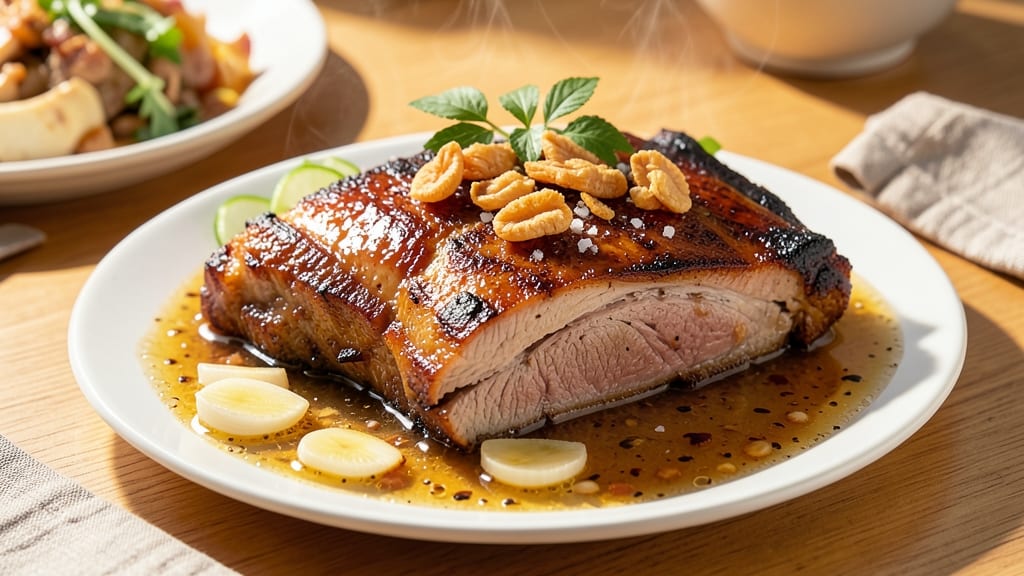
Filipino pork barbecue with pineapple juice transforms tough cuts into tender, caramelized perfection—where sweet-tangy glaze meets smoky grill magic. 🔥 After years of perfecting this dish, I’ve cracked the code for restaurant-quality results at home, using pineapple’s natural enzymes to tenderize while its acidity creates that signature glossy crust. The key? A long marinade and patient basting that builds layers of flavor.
This recipe starts with pork shoulder or pork belly, marinated overnight in a blend of pineapple juice, soy sauce, and aromatic spices that infuse every bite.
The real transformation happens on the grill or in a cast-iron skillet, where the marinade caramelizes into a sticky, amber glaze that clings to the meat. What makes this dish special is how the pineapple’s acidity tenderizes while its sweetness balances the savory depth of the pork.
By the time you’re done, you’ll have fork-tender pork with edges that are crispy and caramelized, all coated in that irresistible sweet-tangy glaze. The aroma alone will have everyone gathering around the table, and the texture—juicy inside, slightly charred outside—is what makes this a crowd-pleaser.
Serve it over steamed rice or with grilled vegetables to complete the meal.
This dish is more than just a recipe—it’s a celebration of Filipino flavors, where simple ingredients come together to create something extraordinary. Whether you’re feeding a family or hosting guests, this pork barbecue will be the star of your meal. Let’s get started!
Ingredients for filipino pork barbecue recipe with pineapple juice
Sweet-tangy pineapple juice and aromatic spices transform tough pork into restaurant-quality barbecue magic.
| Ingredient | Amount | Notes |
|---|---|---|
| Pork Shoulder 🍖 | 3 lb | Bone-in, skin-on preferred |
| Fresh Pineapple Juice 🍍 | 1 ½ cups | From 1 medium pineapple |
| Soy Sauce 🥫 | ½ cup | Kikkoman preferred for balance |
| Brown Sugar 🍚 | ½ cup | Packed, no substitutes |
| Garlic Cloves 🧄 | 8 cloves | Minced, for marinade depth |
| Fresh Ginger 🌿 | 2 tbsp | Grated, aromatic punch |
| Black Peppercorns 🌶️ | 1 tsp | Freshly cracked for heat |
| Bay Leaves 🍃 | 2 whole | For subtle earthiness |
| Olive Oil 🫒 | 2 tbsp | Extra-virgin for richness |
| White Vinegar 💧 | 1 tbsp | Brightens the glaze |
| Salt 🧂 | 1 ½ tsp | Kosher salt, to taste |
| Long-Grain White Rice 🍚 | 2 cups | Uncooked, for serving |
| Green Onions 🧅 | 4 whole | Sliced, for garnish |
The pork shoulder is the star—bone-in, skin-on cuts stay juicier, and the skin crisps beautifully. Grab a 3-pound cut from the butcher section (ask for pork butt if they don’t carry shoulder). For the pineapple juice, fresh is non-negotiable—canned juice lacks the enzymes that tenderize the meat. If you can’t find fresh pineapple, blend a whole one and strain—the extra fiber adds texture to the glaze. The garlic and ginger should be freshly grated or minced (pre-minced jars lack punch). For the soy sauce, Kikkoman is my go-to—it’s balanced and widely available, but any good-quality brand works.
No fresh pineapple? Use 1 cup bottled pineapple juice plus 1 tbsp lemon juice—it won’t tenderize as well, but it’ll still taste great. Substituting brown sugar? Coconut sugar works 1:1, but white sugar loses that caramel depth. Running low on ginger? Double the garlic for a similar aromatic kick. The bay leaves add subtle earthiness—skip them if you’re sensitive to strong flavors. For extra smokiness, add 1 tsp smoked paprika to the marinade. And if you’re short on time, marinate for at least 4 hours (overnight is ideal).
Marinate the pork in a ziplock bag for easy tossing—it keeps everything sealed tight. The glaze thickens as it cooks, so baste frequently for that glossy finish. Leftovers? Store in an airtight container for 3-4 days—the flavors deepen overnight. For meal prep, cook extra pork and freeze portions (they reheat beautifully). Serve over steamed jasmine rice or with grilled vegetables for a complete Filipino feast. The glaze freezes well too—portion it into ice cube trays for easy reheating.
Why You'll Love This Recipe
- No Fuss, Big Flavor: I swear by this one—just slice the pork, toss it in a bowl, and let the garlic, soy, and pineapple juice work their magic while you sip coffee. Honestly, the hardest part is waiting for it to caramelize.
- Sweet-Savory Magic: That balance of sticky brown sugar and tangy pineapple juice? It’s what makes this dish ridiculously good. The pork ends up tender with just the right crispy edges—no dry bites here.
- Leftover Hero: Between us, this recipe actually tastes better the next day. I make a double batch on Sundays, and by Wednesday, it’s still the star of my lunch. Just reheat with a splash of water, and boom—dinner’s saved.
- Budget Crowd-Pleaser: Pork shoulder is cheap, and this recipe stretches to feed four (or more if you’re feeding hungry teens). Plus, the pineapple juice cuts through the richness, so you won’t need fancy sides—just rice and you’re golden.
Step-by-step instructions for Filipino pork barbecue
Here's how to transform tough pork shoulder into melt-in-your-mouth barbecue with a caramelized, sweet-tangy glaze.
🍳 Step 1: Marinate the Pork Shoulder for Maximum Flavor
In a large mixing bowl, combine the 1.5 cups fresh pineapple juice, 0.5 cup soy sauce, 0.5 cup brown sugar, 2 tbsp grated fresh ginger, 1 tbsp white vinegar, 1.5 tsp salt, and 1 tsp freshly cracked black peppercorns. Stir until the brown sugar dissolves completely, creating a smooth marinade base.
Add the 8 minced garlic cloves and 2 whole bay leaves to the marinade. Place the 3 lb pork shoulder in a large resealable plastic bag and pour the marinade over it. Squeeze out as much air as possible, seal tightly, and massage the bag to ensure the pork is fully coated. Refrigerate for at least 4 hours (overnight is even better) to let the flavors penetrate deeply.
Here's the thing—pineapple juice contains enzymes that break down tough muscle fibers, making the pork incredibly tender. The acidity also helps tenderize while the sugar begins caramelizing on the surface. Don't skip this step, even if you're eager to cook!
🔥 Step 2: Sear the Pork for Maximum Flavor Development
Remove the pork from the refrigerator and let it sit at room temperature for 30 minutes before cooking. Preheat your oven to 300°F. Heat a large Dutch oven or heavy pot over medium-high heat and add the 2 tbsp olive oil. Place the pork shoulder fat-side down in the pot and sear for 8-10 minutes until the fat begins to render and the skin turns golden brown.
Flip the pork and sear the other side for another 5-7 minutes. The goal here is to create a deep, flavorful crust that will caramelize beautifully during the braising process. If the marinade starts to smoke or bubble vigorously, reduce the heat slightly to prevent burning. This searing step builds layers of flavor that the long cook won't achieve alone.
🥘 Step 3: Braise Until Fork-Tender with Pineapple Glaze
Carefully transfer the seared pork to a plate and pour any accumulated juices from the pot back into the Dutch oven. Return the pork to the pot fat-side up. Cover tightly with a lid and transfer to the preheated 300°F oven. Braise for 3 hours, then carefully flip the pork and braise for another 3 hours.
After 4 hours of cooking, check the internal temperature with a meat thermometer—it should read 195-200°F and the pork should be fork-tender. If it's not quite there yet, continue cooking in 30-minute increments until it reaches the perfect tenderness. The long, slow cook breaks down collagen and connective tissue, transforming tough pork into melt-in-your-mouth perfection.
Here's where the magic happens: the pineapple juice and sugar combine with the rendered pork fat to create a beautiful, caramelized glaze that coats every inch of the meat. If you notice the liquid level dropping significantly, add ¼ cup water to the pot to maintain moisture and prevent burning.
⏰ Step 4: Rest and Slice for Juicy Perfection
Once the pork reaches the perfect tenderness, remove it from the oven and transfer to a cutting board. Tent loosely with aluminum foil and let it rest for 30 minutes. This resting period allows the juices to redistribute throughout the meat, ensuring every slice is moist and flavorful.
While the pork rests, skim any excess fat from the braising liquid and reduce it on the stovetop over medium heat until it thickens slightly into a glossy sauce. Slice the pork shoulder against the grain into ¼-inch thick pieces and arrange on a serving platter. Drizzle the reduced sauce over the top and garnish with 4 sliced green onions for freshness.
Serve the Filipino pork barbecue immediately over steamed 2 cups long-grain white rice. The contrast of the tender, caramelized pork with the fluffy rice creates a perfect balance. The sweet-tangy glaze should coat every bite, offering a perfect harmony of flavors that makes this dish truly special.
Pro Tips For Making Filipino Pork Barbecue Recipe With Pineapple Juice
- Sear the Pork First: Get that pan screaming hot—cast iron or stainless steel—and sear the pork shoulder in batches for 3-4 minutes per side before adding anything else. I learned this the hard way: skipping the sear means the sauce just steams the meat instead of building flavor. That crust locks in juices and turns the dish from good to unforgettable.
- Strain That Juice: Fresh pineapple juice is non-negotiable, but don’t pour in the pulp—strain it through a fine-mesh sieve first. The fiber clogs your sauce and makes it watery. (Yes, even if you’re lazy like me and want to skip prep—this is the one step that actually changes the outcome.)
- Don’t Rush the Braise: Low and slow is your friend here—cover the pot and simmer for at least 2 hours (or until the pork falls apart with a fork). I used to cut it short, and the meat ended up dry and chewy. Trust the process; the sauce will thicken as it works its magic.
- Balance the Sweet-Savory: Taste the sauce early and adjust the brown sugar to soy sauce ratio—aim for roughly 1:1 after the pineapple juice cuts through. Too much sugar? The pork gets sticky and cloying. Too little? The sauce tastes flat. (Pro move: Add a splash of vinegar at the end to brighten it up.)
Flavor customization for this recipe
Sweet Heat Boost
For a spicier kick, add 1 tbsp sriracha or 1 tsp chili flakes to the marinade. I like to balance it with 1 extra tbsp brown sugar to keep the sweetness intact.
If you love heat, try 1-2 slices of fresh chili (like bird’s eye) blended into the pineapple juice before marinating. This adds a smoky, fruity heat that’s uniquely Filipino. 🌶️
Smoky BBQ Twist
Transform this into a Filipino-American fusion by adding 1 tbsp smoked paprika and ½ tsp liquid smoke to the marinade. For extra depth, grill the pork over hickory or applewood chips instead of just oil.
The smoky aroma pairs perfectly with the pineapple’s tang. I’ve even seen some versions use ½ cup BBQ sauce in the final glaze for a sticky, smoky-sweet finish.
Creamy Coconut Version
Swap out half the pineapple juice for ½ cup coconut milk to create a richer, creamier glaze. Add 1 tsp turmeric for color and warmth, plus ½ tsp ground coriander for brightness.
This version works beautifully with pork belly instead of shoulder—it stays extra tender and develops a golden, caramelized crust. The coconut adds a tropical twist that’s perfect for summer meals.
Ginger-Lime Zing
Boost the brightness by adding 1 tbsp lime juice and 1 extra tbsp grated ginger to the marinade. The lime cuts through the richness while keeping the pineapple’s sweetness front and center.
For a garnish that pops, serve with thinly sliced lime wheels and a sprinkle of toasted sesame seeds. This version feels lighter but still packs serious flavor.
Spiced Rum Glaze
For a boozy twist, replace ¼ cup of pineapple juice with ¼ cup dark rum (like Kahlúa or spiced rum). Simmer the marinade for 5 minutes to cook off the alcohol before using it.
The rum adds depth and a subtle warmth that pairs beautifully with the caramelized edges. Just be sure to use it in moderation—this version is best for special occasions. 🍹
Vegetable-Packed Fusion
Turn this into a Filipino stir-fry by adding 1 cup chopped bell peppers and 1 cup sliced mushrooms to the braising liquid in the final hour. The vegetables soak up the sweet-tangy glaze while adding texture.
For extra umami, toss in 2 tbsp soy sauce with the veggies. This version is quicker (only 2 hours of cooking) and perfect for a weeknight dinner with less cleanup.
Nutrition facts
Frequently asked questions
Why does this recipe use pineapple juice instead of regular juice?
The pineapple juice is key for two reasons: its natural enzymes tenderize the tough pork fibers, while its acidity helps create that signature glossy, caramelized glaze. The sweetness also balances the savory soy and umami flavors perfectly. For best results, always use fresh pineapple juice—canned versions lack the tenderizing enzymes.
Can I make this with pork belly instead of pork shoulder?
Pork belly works beautifully—it stays extra tender and develops a crispy, golden crust. For belly, reduce the cooking time to 2.5-3 hours total (flip halfway) and watch for browning. The fat content makes it richer, so you might want to reduce the oil slightly. Just don't skip the resting time—it's crucial for juicy slices.
What if I don't have a Dutch oven?
No problem! Use a heavy oven-safe skillet or even a deep baking dish. For best results, cover tightly with foil to trap moisture. If using a skillet, add ¼ cup water every hour to prevent drying. The key is maintaining that low-and-slow environment—just monitor the liquid levels more closely.
How do I know when the pork is done?
Use a meat thermometer to check for 195-200°F internal temperature. The pork should be fork-tender and pull apart easily. If it's not quite there after 6 hours, add 30 minutes and check again. The glaze will continue caramelizing as it rests, so don't worry if it looks underdone—it'll finish cooking during that time.
Can I make this on the grill instead of oven?
Yes! Sear the pork first, then move to indirect heat on your grill. Cover with foil and cook for 2-2.5 hours, flipping occasionally and basting with marinade. For extra smokiness, add applewood chips to the grill. The grill gives beautiful char marks, but you'll need to monitor it more closely than oven cooking.