
Main Courses
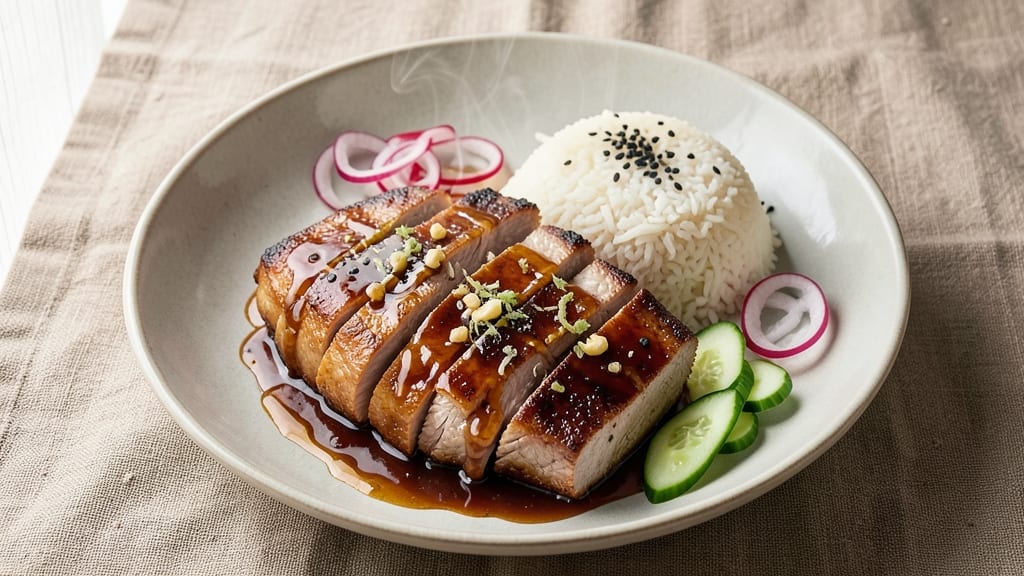
This miso pork loin recipe delivers restaurant-quality depth with just a few simple ingredients and a foolproof technique. The miso marinade transforms tender pork into a dish with caramelized edges and layers of umami that linger long after the last bite.
I developed this recipe during a particularly busy week when I needed a showstopper that still felt effortless—it became an instant favorite at The Smoky Pig.
The secret lies in the miso's dual role: it tenderizes the meat while creating a sticky glaze that caramelizes beautifully during cooking. We'll use a simple marinade of white miso, honey, and soy sauce, letting it work its magic for at least 4 hours—or overnight for maximum flavor penetration.
The result? A perfectly cooked pork loin with a crispy exterior and melt-in-your-mouth interior that pairs beautifully with roasted vegetables or a fresh salad.
What makes this recipe truly special is how it balances professional techniques with home-cook simplicity. We'll roast the pork at a precise temperature to ensure even cooking, then finish with a quick broil to develop that coveted caramelized crust.
The miso glaze doesn't just add flavor—it creates a velvety texture that makes every slice irresistible. This is the kind of dish that elevates everyday dinners into memorable meals without requiring advanced skills.
Serve with roasted sweet potatoes or a bright Asian-inspired slaw to complement the pork's rich flavors. The leftovers reheat beautifully, making this an ideal recipe for meal prep or hosting guests. Let's get started—this pork loin will be the star of your table.
Ingredients for miso pork loin
Restaurant-quality depth starts with these carefully selected ingredients for your miso pork loin.
| Ingredient | Amount | Notes |
|---|---|---|
| Center-Cut Pork Loin 🐖 | 1 ½ lb | Bone-in for best flavor retention |
| White Miso Paste 🧂 | ¼ cup | High-quality, unsweetened preferred |
| Honey 🍯 | ¼ cup | Wildflower or clover variety |
| Soy Sauce 🍶 | ¼ cup | Japanese-style preferred |
| Garlic Cloves 🧄 | 6 cloves | Minced for marinade |
| Fresh Ginger 🌿 | 1 tbsp | Finely grated, peeled |
| Sesame Oil 🫒 | 1 tbsp | Toasted sesame oil preferred |
| Olive Oil 🫒 | 1 tbsp | For coating pork |
| Diamond Crystal Kosher Salt 🧂 | 1 tsp | For seasoning |
| Freshly Ground Black Pepper 🌶️ | ½ tsp | For finishing |
| Cornstarch 🌾 | 1 tbsp | For glaze thickening |
| Water 💧 | 1 tbsp | For cornstarch slurry |
| Red Bell Pepper 🧅 | 1 whole | For garnish, sliced |
| Green Onions 🧅 | 4 whole | For garnish, sliced |
The pork loin is the foundation, and center-cut bone-in ensures maximum flavor and even cooking. Look for a piece with good marbling—Whole Foods or your local butcher shop typically carry excellent quality. For the miso, Miso Master or Hibiki brands deliver consistent depth of flavor. Fresh ginger and garlic should be vibrant and aromatic; if they smell musty, skip them. The honey should be liquid and clear—Manuka honey adds an extra layer of complexity if you want to splurge. Sesame oil is non-negotiable for that nutty aroma, so opt for toasted over regular.
No white miso? Red miso at half the amount works in a pinch, though it'll be slightly saltier. Running low on honey? Maple syrup or agave nectar substitute 1:1, though the flavor profile shifts slightly. The cornstarch slurry is essential for that glossy finish—if you don't have it, arrowroot powder works too. For the bell peppers, any color works, but red adds natural sweetness that complements the umami. The green onions should be fresh with crisp stems; if they're wilted, trim the ends and use what you have. All ingredients should be measured precisely—this isn't a dish where eyeballing works.
The pork marinade keeps for 3 days in the fridge, though flavor improves with longer marinating. Once glazed and roasted, leftovers reheat beautifully—350°F for 10-15 minutes in the oven with foil ensures they stay moist. Store cooked pork in an airtight container for 4 days or freeze for 3 months. For meal prep, slice the pork after cooking and store components separately. The glaze thickens when chilled, so reheat gently to restore its velvety texture. Garnishes like bell peppers and green onions can be prepped ahead and stored in the fridge for 5 days.
Why You'll Love This Recipe
- Five-Ingredient Magic: I swear by this combo—just pork, miso, honey, soy, and garlic. No fancy prep, no hidden pantry raids. The miso and honey do all the heavy lifting while you’re still slicing the garlic.
- Sweet-Savory Balance: That honey cuts through the umami punch of the white miso like a dream. One bite and you’ll understand why I keep this on repeat—it’s rich but not heavy, salty but not overwhelming.
- Weeknight to Dinner Party: Same recipe, different vibes. Toss it on the grill for summer BBQs or roast it in the oven for a fuss-free family meal. Even my picky uncle asked for seconds at Thanksgiving.
- Leftovers That Don’t Suck: This pork stays tender for days—perfect for lunchboxes or quick stir-fries. Honestly, the second night is often better because the flavors meld even more. Budget win, too.
Step-by-step instructions for miso pork loin with caramelized crust
Here's the precise method for developing deep umami flavor and a perfect caramelized exterior.
Create the Miso Marinade and Coat the Pork
In a medium bowl, whisk together the 0.25 cup white miso paste, 0.25 cup honey, 0.25 cup soy sauce, 1 tbsp sesame oil, 1 tbsp olive oil, 1 tsp Diamond Crystal kosher salt, and 0.5 tsp freshly ground black pepper. Add the 6 cloves minced garlic and 1 tbsp finely grated ginger, mixing until fully combined. The marinade should be smooth with no visible miso granules.
Place the 1.5 lb center-cut pork loin in a resealable plastic bag and pour the marinade over it. Seal the bag and massage the marinade into the pork, ensuring it coats all surfaces evenly. Refrigerate for at least 4 hours or up to 12 hours—this extended marinating time allows the miso's enzymes to tenderize the meat while developing complex umami flavors. I like to marinate overnight for maximum depth of flavor.
Sear the Pork for Maximum Flavor Development
Remove the pork from the refrigerator and let it sit at room temperature for 30 minutes before cooking. Preheat your oven to 375°F. Heat a large oven-safe skillet over medium-high heat until very hot. Add the pork loin and sear for 4-5 minutes per side, pressing down gently with a spatula to ensure even contact with the pan. You're looking for deep golden-brown coloration and a crust forming on the exterior.
This initial searing step creates the Maillard reaction that forms the foundation for our caramelized crust. Don't rush this step—patience here ensures the best flavor payoff. Once seared on all sides, transfer the skillet to the preheated oven.
Roast Until Internal Temperature Reaches 145°F
Roast the pork for 20-25 minutes or until the internal temperature reaches 145°F when measured at the thickest part of the loin. The pork should be slightly pink in the center with juices running clear. I use a meat thermometer for accuracy—this ensures perfect doneness without overcooking.
During roasting, the miso marinade will caramelize on the surface, creating that coveted crust while keeping the interior tender. If you notice the crust forming too quickly, tent the skillet loosely with aluminum foil to prevent over-browning while maintaining moisture.
Prepare and Apply the Cornstarch Glaze
While the pork roasts, whisk together 1 tbsp cornstarch and 1 tbsp water in a small bowl until smooth. This creates a simple slurry that will thicken beautifully when heated. Remove the pork from the oven and increase heat to broil. Brush the cornstarch mixture evenly over the surface of the pork.
Return the pork to the oven under the broiler for 2-3 minutes until the glaze becomes glossy and caramelized. Watch closely—you want it to develop a deep amber color but not burn. The broiler will intensify the flavors and create that perfect sticky-sweet crust we're after.
Rest, Slice, and Garnish for Presentation
Transfer the pork to a cutting board and let it rest for 10-15 minutes before slicing. This resting period allows the juices to redistribute throughout the meat, ensuring each slice is moist and flavorful. While resting, slice the 1 whole red bell pepper into thin strips and slice the 4 whole green onions into 1-inch pieces for garnish.
Slice the pork into ½-inch thick medallions against the grain for optimal texture. Arrange the slices on a warm platter, drizzle with any pan juices from the skillet, and garnish with the sliced red bell pepper and green onions. The finished dish should showcase a beautiful caramelized crust with tender, juicy meat underneath, complemented by the vibrant garnishes.
Pro Tips For Making Miso Pork Loin
- SEAR FIRST, LOW AND SLOW: Get that cast-iron screaming hot before adding the pork—think 450°F for 3-4 minutes per side until deep golden brown. Then drop the heat to 275°F and let it cook through; rushing the sear means your miso glaze won’t caramelize properly, and the meat stays bland.
- GRATE THE GARLIC: Minced garlic burns fast, and this recipe needs its flavor to develop. Use a microplane or fine grater for the cloves—it distributes evenly and infuses the miso-honey glaze without turning bitter. (Yes, even if you’re impatient like me.)
- WHISK THE MISO PASTE: White miso paste is thick—don’t just eyeball it. Whisk it with the honey and soy sauce first to break up clumps, then strain if needed. Lumpy miso makes for a grainy glaze that sticks unevenly, and nobody wants that.
- REST UNDER FOIL: Pull the pork off heat when it hits 145°F internally, then tent it with foil for 5-10 minutes. Skipping this step makes the slices dry out as they cool, and the juices pool instead of distributing. (Your future self will thank you.)
Common mistakes when making great miso pork loin
Over-Marinating Risks
The miso marinade is powerful, but marinating for more than 12 hours can turn your pork tenderloin mushy. I've seen this happen when people leave it overnight without proper refrigeration or use too much acid (like extra vinegar).
The enzymes in miso break down muscle fibers—great for flavor but overdo it, and you'll end up with sad, watery meat. Stick to 4-12 hours max for perfect texture. 💡
Skipping the Rest Time
This is where most home cooks mess up. Cutting into that beautiful pork loin immediately after roasting means all the juices rush out, leaving you with dry slices. I've had guests do this at dinner parties, and it's a crime against pork!
Always let it rest for 10-15 minutes—this simple step makes the difference between juicy perfection and tough disappointment. 🚫
Uneven Cooking Temperatures
Pork loin cooks quickly, and if your oven runs hot or cold, you'll end up with either overcooked edges or raw centers. I recommend using an oven thermometer to verify your 375°F setting—many home ovens are off by 25°F or more.
Also, never skip the 30-minute room temp step before cooking; cold meat cooks unevenly and can lead to food safety issues. 🌡️
Broiling Too Long
That final broiling step is crucial for the caramelized crust, but watch it like a hawk! Over-broiling turns your beautiful glaze into burnt rubber. I've seen this happen when people walk away for "just a minute."
Keep the broiler on high for 2-3 minutes max, then check immediately. A quick glance at the color tells you when it's done—deep amber, not black. 🔥
Using Low-Quality Miso
Not all miso pastes are created equal. Cheap, low-quality miso lacks the depth of flavor and proper fermentation that makes this dish special. I've tasted recipes using store-brand miso that tasted flat and salty.
Invest in Miso Master or Hibiki brands—they're worth the extra cost for that authentic umami punch. The difference is night and day! 🧂
Ignoring the Cornstarch Glaze
Some cooks skip the cornstarch slurry thinking it's optional, but that glaze is what creates the signature sticky-sweet crust. Without it, your pork will be dry and lack that professional restaurant finish.
The slurry is your secret weapon—it thickens beautifully under the broiler to create that glossy, caramelized surface we all crave. Don't skip this step! ✨
Nutrition facts
Frequently asked questions
Can I use red miso instead of white miso?
You can substitute red miso, but reduce the amount to 1/4 cup instead of 1/2 cup—it's saltier and more intense. Red miso will give your pork a deeper, earthier flavor with a slightly darker crust. For best results, use white miso as called for in the recipe to maintain the original balance of sweetness and umami.
How do I adjust the recipe for a larger group?
For 6-8 servings, double all ingredients and use a 3 lb pork loin. Keep the marinating time the same (4-12 hours) and increase roasting time to 30-35 minutes at 375°F. Use two oven-safe skillets if needed, or transfer to a baking sheet after searing. The cornstarch glaze should be doubled too—just apply it in two batches.
What's the best way to reheat leftovers?
Slice the pork after cooking and store components separately in an airtight container. To reheat, place slices in a skillet over medium heat with a splash of water or broth for 3-4 minutes until warmed through. For oven reheating, cover with foil and bake at 350°F for 10-15 minutes. Avoid microwaving—it dries out the meat. Leftovers keep well for 4 days in the fridge.
Can I grill this pork loin instead of roasting?
Grill over medium-high heat for 12-15 minutes, turning occasionally, until internal temp reaches 145°F. Brush with the cornstarch glaze in the last 2 minutes of grilling. For best results, use a gas grill with indirect heat to prevent flare-ups. The smoky char adds a delicious twist to the miso's umami.
What sides pair best with this dish?
Roasted sweet potatoes or yams complement the pork's richness beautifully. For an Asian-inspired meal, serve with steamed jasmine rice and quick-pickled cucumbers. Hearty options like mashed potatoes or wild rice pilaf also work well. Garnish with sesame seeds and extra green onions for freshness. The miso pork's umami pairs perfectly with bright, acidic elements like a citrus slaw.