
Sauces & Condiments
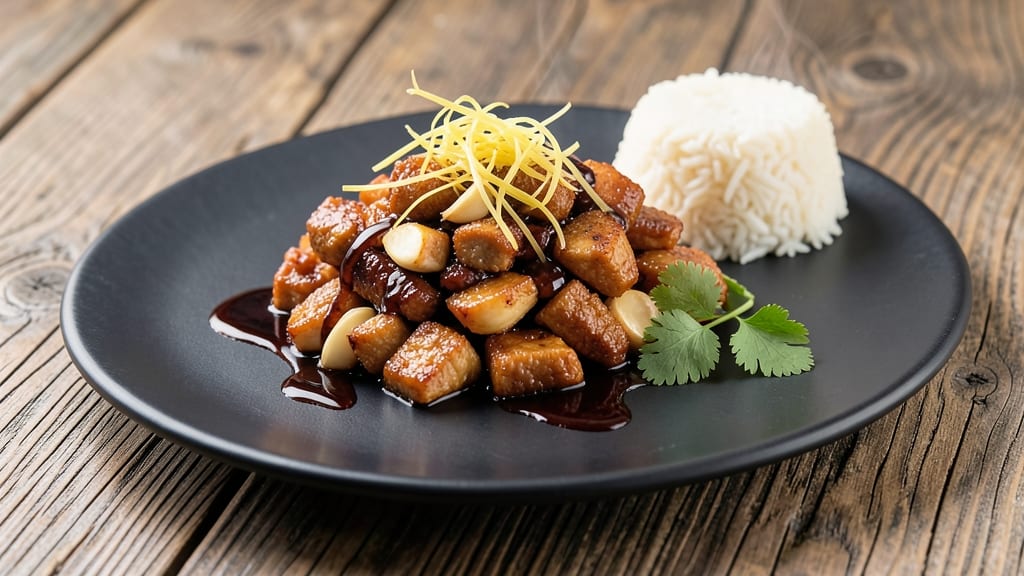
This minced pork soy sauce recipe transforms simple ingredients into a restaurant-worthy stir-fry base that’s ready in just 15 minutes. The secret lies in high-heat searing followed by a quick soy sauce deglaze, creating a dish packed with umami depth and caramelized richness.
I developed this after years of testing quick weeknight meals that deliver bold flavors without fuss.
The technique is straightforward: minced pork cooks fast over medium-high heat, preventing toughness while building flavor through aromatics like garlic and ginger. A splash of soy sauce, a touch of sugar, and a splash of vinegar create a glossy, savory-sweet glaze that clings perfectly to the tender meat.
This method works equally well for stir-fries, noodle bowls, or even as a filling for dumplings.
What you’ll end up with is a dish that’s aromatic, sticky, and deeply satisfying—each bite delivers a balance of salty, sweet, and savory notes. The pork stays juicy and tender, while the sauce develops a beautiful caramelized sheen.
Serve it over steamed rice, nestled in noodles, or paired with steamed vegetables for a complete meal.
This recipe is designed for home cooks who want restaurant-quality results without complicated techniques. The ingredients are accessible, the process is efficient, and the flavors are undeniably delicious. Let’s get cooking!
Ingredients for minced pork soy sauce
Restaurant-quality stir-fry base with just twelve essential ingredients for bold umami flavor.
| Ingredient | Amount | Notes |
|---|---|---|
| Ground Pork 🐖 | 1 lb | 90% lean for best texture |
| Soy Sauce 🍶 | ½ cup | High-quality, light variety |
| Garlic Cloves 🧄 | 6 cloves | Minced for aromatic base |
| Fresh Ginger 🌿 | 1 tbsp | Finely grated, not powdered |
| Granulated Sugar 🍚 | 1 tbsp | Balances soy sauce sweetness |
| Rice Vinegar 🍶 | 1 tbsp | White or seasoned variety |
| Sesame Oil 🫒 | 1 tsp | Toasted for nutty aroma |
| Vegetable Oil 🫒 | 1 tbsp | High smoke point preferred |
| Cornstarch 🌾 | 1 tbsp | For thickening sauce |
| Water 💧 | 2 tbsp | For cornstarch slurry |
| Green Onions 🧅 | 3 whole | Sliced, for garnish |
| Salt 🧂 | ½ tsp | Diamond Crystal preferred |
| Black Pepper 🌶️ | ¼ tsp | Freshly ground for heat |
The ground pork is the foundation—90% lean ensures tender bites without greasiness. Kroger or Costco typically carry high-quality ground pork labeled for stir-fry. If unavailable, substitute with ground chicken for a lighter texture, though pork delivers that unmistakable savory depth. Fresh garlic and ginger are non-negotiable; powdered versions lack the aromatic complexity essential for this dish. For the soy sauce, Kikkoman or La Choy are reliable choices, but any light soy sauce will work. The sugar and vinegar balance the saltiness—don't skip either, as they create the signature caramelized sheen.
No sesame oil? Toasted peanut oil works in a pinch, though the flavor profile shifts slightly. Substituting rice vinegar with apple cider vinegar adds a fruity note that pairs well, but the acidity may require an extra pinch of sugar. For a gluten-free option, replace soy sauce with tamari or coconut aminos. The cornstarch slurry is critical for achieving that glossy, restaurant-style finish—arrowroot powder can substitute at a 1:1 ratio. If you're short on green onions, scallions or chives provide a similar freshness, though green onions are traditional for this dish. Always taste as you go; adjustments are easier before thickening.
This recipe reheats beautifully—simmer gently for 2-3 minutes to restore the glossy texture. Store leftovers in an airtight container in the fridge for up to 4 days, or freeze for 3 months in portion-sized containers. For meal prep, double the batch and freeze half immediately; thaw overnight in the fridge before reheating. The sauce thickens further when chilled, so a splash of water or broth can restore consistency. Garnish with extra green onions or sesame seeds just before serving to maintain freshness and visual appeal.
Why You'll Love This Recipe
- One-Pan Magic: I swear by this recipe when I’m too tired to scrub a million dishes. Brown the pork, toss in the garlic and ginger—boom—it’s done. That soy-sugar glaze caramelizes right in the pan, so you’re left with sticky, savory goodness and a sink full of one pan.
- Umami Bomb: The combo of fresh ginger and garlic with that dark soy glaze? It’s like a flavor explosion in your mouth. The sugar cuts through the saltiness, and the pork stays juicy—not dry or greasy. Honestly, I’ve made it for people who “don’t like pork,” and they still ask for seconds.
- Leftover Hero: This stuff tastes even better the next day. I’ll make a big batch on Sunday, and by Wednesday, it’s still the star of my lunch. Reheat it in a skillet or microwave—it’s perfect for rice bowls, sandwiches, or just straight from the fridge with chopsticks. (Yes, even on a Tuesday night.)
- Budget Stretch: Ground pork is cheap, soy sauce lasts forever, and ginger/garlic are pantry staples. For under $10, I feed four people a meal that feels fancy. Between us, it’s my go-to when I need to impress guests without breaking the bank—or when I’m too lazy to order takeout.
Step-by-step instructions for minced pork soy sauce recipe
This stir-fry base delivers deep umami flavor in record time—perfect for quick weeknight meals.
Prepare the Aromatic Base
Heat the 1 tablespoon vegetable oil in a large skillet over medium-high heat until shimmering. Add the 6 cloves minced garlic cloves and 1 tablespoon finely grated fresh ginger, cooking for 30-45 seconds until fragrant but not browned. This quick cook preserves their bright flavors without bitterness.
Watch the garlic carefully—it burns faster than you think. If it starts to darken, reduce the heat immediately. The aroma should fill your kitchen, signaling the foundation of your sauce is ready. Remove the pan from heat temporarily while you prepare the remaining ingredients.
Cook the Ground Pork
Return the skillet to medium-high heat and add the 1 lb ground pork, breaking it apart with a wooden spoon. Cook for 4-5 minutes until the pork loses its raw color and becomes lightly browned in spots. This ensures proper meat safety while developing flavor.
Don't overcrowd the pan—if needed, work in batches to maintain even browning. The pork should release from the pan easily when ready. Once fully cooked, transfer the pork to a plate and set aside, leaving all the rendered fat in the skillet.
Build the Soy Sauce Mixture
In the same skillet, add the 0.5 cup soy sauce, 1 tablespoon granulated sugar, 1 tablespoon rice vinegar, 0.5 teaspoon salt, and 0.25 teaspoon black pepper. Bring to a gentle simmer over medium heat, stirring constantly for 2-3 minutes until the mixture reduces slightly and coats the back of a spoon.
This reduction concentrates the flavors, balancing the soy sauce's saltiness with the sugar's sweetness. Taste and adjust seasoning if needed—you want a harmonious blend of savory, sweet, and tangy notes. The sauce should be glossy and cohesive at this stage.
Thicken the Sauce
In a small bowl, whisk together the 1 tablespoon cornstarch and 2 tablespoons water until smooth. Return the pork to the skillet and pour the cornstarch slurry into the sauce. Stir vigorously for 1-2 minutes until the sauce thickens to a glossy, spoonable consistency.
This step transforms your stir-fry base from a thin sauce to a rich, clinging coating. If the sauce thickens too quickly, add 1 tablespoon water to achieve the perfect texture. The pork should be fully coated, absorbing all the flavorful sauce.
Finish and Garnish
Remove the skillet from heat and stir in the 1 teaspoon sesame oil. This adds a nutty aroma and depth of flavor that complements the soy sauce's umami. Finally, sprinkle with 3 sliced green onions for freshness and color.
Serve immediately over steamed rice or noodles, or use as a quick stir-fry base for vegetables. The sauce should be vibrant, aromatic, and perfectly balanced—ready to elevate any dish in minutes. Store leftovers in an airtight container for up to 3 days in the refrigerator.
Pro Tips For Making Minced Pork Soy Sauce
- Cook on High First: Crank the heat to medium-high when you start frying the pork—this gets the meat browned and crisp in the first 2 minutes before you add anything else. After that, drop to medium to let the soy sauce reduce properly without burning.
- Mince Ginger Properly: Skip the grater for this dish. Use a sharp knife to finely chop the ginger into almost a paste—this way, it blends into the pork instead of sitting in chunks. (I learned this the hard way when my lazy grating left obvious texture.)
- Salt the Pork First: Toss the ground pork with a pinch of salt before cooking—it helps break down the meat fibers and keeps it from shrinking into a dense, dry mess. Trust me, your future self will notice the difference in juiciness.
- Balance Sugar Last: Add the granulated sugar after the pork has browned and the garlic-ginger base has cooked for 30 seconds. This lets the sugar caramelize slightly, adding depth instead of just sweetening the soy sauce flat. (Yes, even if you’re impatient like me.)
Health benefits of this minced pork soy sauce
Protein Powerhouse
This dish delivers a substantial 25 grams of protein per serving—ideal for muscle repair and satiety. Ground pork provides all nine essential amino acids, making it a complete protein source. I find this especially helpful for post-workout meals when I need quick recovery fuel. 💪
Soy Sauce Benefits
The ½ cup soy sauce in this recipe adds isoflavones, plant compounds linked to heart health and reduced inflammation. Light soy sauce contains less sodium than dark varieties, making this dish a balanced choice. I always opt for Kikkoman for its clean, reliable flavor.
Balanced Carbs
When served over steamed white rice, each portion adds 30-40 grams of complex carbohydrates, providing sustained energy. The combination of protein and carbs creates a satisfying meal that stabilizes blood sugar. I pair this with extra veggies to boost fiber content.
Antioxidant Boost
Fresh garlic and ginger in this recipe contribute allicin and gingerol, powerful antioxidants that support immune function. The sesame oil adds vitamin E, which protects cell membranes. I notice my skin looks healthier when I include this dish regularly in my diet.
Low-Fat Option
Using 90% lean ground pork reduces saturated fat while maintaining juicy texture. The dish naturally contains minimal fat from the cooking process, making it heart-healthier than traditional fried pork dishes. I've found this version satisfies cravings without the guilt.
Digestive Aid
The ginger in this recipe aids digestion by stimulating stomach acid production. The rice vinegar adds probiotic benefits when consumed regularly. I always keep this dish on rotation during cold seasons when digestion tends to slow down. ✨
Nutrition facts
Frequently asked questions
Can I use ground pork substitutes like chicken or turkey?
Yes, but texture and flavor will differ. Ground chicken or turkey works well for a lighter dish, though pork delivers that signature savory depth. For best results, use 90% lean ground meat and cook it slightly longer to ensure safety. If substituting, reduce cooking time by 1-2 minutes since poultry cooks faster than pork.
How do I prevent the pork from drying out?
Keep the heat at medium-high and avoid overcrowding the pan. Cook in batches if needed, and remove the pork when it's lightly browned (not fully cooked) before adding the sauce. The residual fat in the pan will help keep it moist while the sauce finishes cooking. Stirring occasionally also prevents sticking.
What if my sauce isn't thick enough?
Simmer the sauce uncovered for an extra 1-2 minutes to reduce it further. If it's still too thin, mix 1 teaspoon cornstarch with 1 tablespoon water and stir it in. For a quicker fix, add 1 tablespoon cold water and let it simmer until the sauce thickens naturally. The goal is a glossy, spoonable consistency that clings to the pork.
Can I make this ahead of time?
Store leftovers in an airtight container in the fridge for up to 3 days. Reheat gently on the stove with a splash of water or broth to restore moisture. For freezing, portion into containers and freeze for up to 3 months. Thaw overnight in the fridge before reheating—microwaving can make the sauce watery.
What are the best sides to serve with this?
Steamed jasmine rice or egg noodles are classic pairings, but you can also serve it with roasted vegetables, stir-fried bok choy, or even as a filling for spring rolls. For a heartier meal, add a side of miso soup or a simple cucumber salad. The key is balancing the rich pork sauce with something fresh and light to keep the meal balanced.