
Main Courses
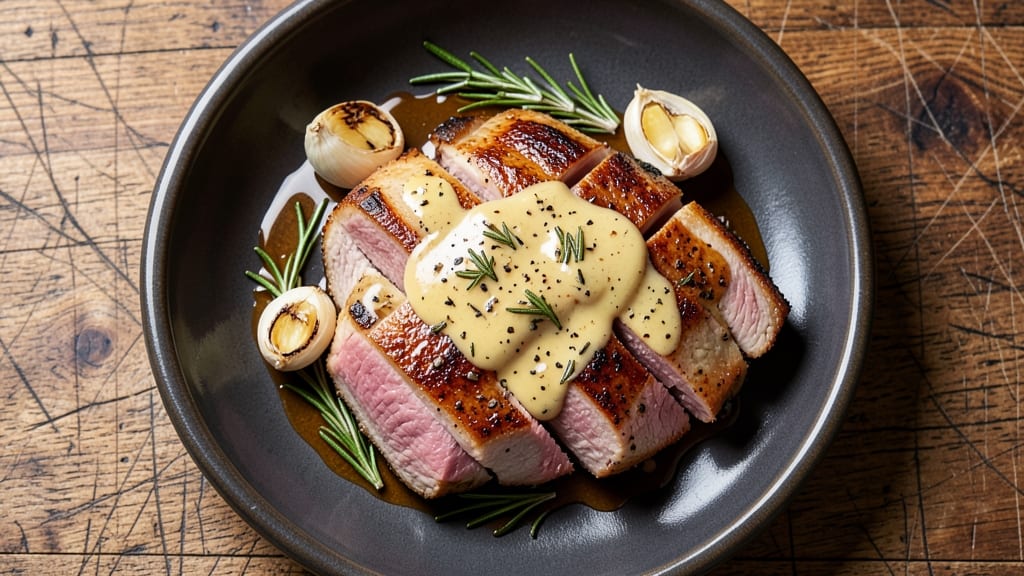
A 2.5-pound pork tenderloin cooked to perfection delivers melt-in-your-mouth tenderness with a golden crust that crackles at every bite. This recipe—developed after years of perfecting the balance between sear and doneness—transforms simple ingredients into a showstopping centerpiece that impresses even skeptical guests.
The secret lies in high-heat searing followed by precise roasting, ensuring a juicy pink core while developing that coveted crust.
What sets this method apart is the foolproof technique that guarantees even cooking, eliminating guesswork for home cooks. You'll start with a dry-brine overnight for unmatched tenderness, then sear the tenderloin in a screaming-hot cast iron skillet before finishing in the oven.
This approach delivers restaurant-quality results without requiring specialized equipment—just patience and attention to temperature. The pan juices alone make this dish unforgettable, rich with porky depth that pairs perfectly with roasted potatoes or a crisp green salad.
By the time you carve into this tenderloin, you'll reveal a juicy pink center surrounded by a crisp, caramelized exterior—proof that pork doesn't need to be dry or gamey to be spectacular.
The method preserves moisture while building flavor, and the resting period ensures every slice stays perfectly shaped on the plate. This is the kind of pork dish that turns weeknight dinners into memorable meals, where the star of the show arrives with a sizzle and delivers on every promise.
Serve with a drizzle of pan juices, a sprinkle of fresh herbs, or a light honey-mustard glaze to elevate the presentation. The versatility of this recipe makes it ideal for family gatherings, holiday feasts, or even a special date night dinner.
With just a few key ingredients and this precise technique, you'll master pork tenderloin once and for all.
Ingredients for 2.5 pound pork tenderloin
Sixteen ingredients transform a simple pork tenderloin into a restaurant-worthy centerpiece.
| Ingredient | Amount | Notes |
|---|---|---|
| Pork Tenderloin 🐖 | 2 ½ lb | Center-cut, trimmed of silver skin |
| Kosher Salt 🧂 | 1 ½ tbsp | Diamond Crystal preferred for precision |
| Freshly Ground Black Pepper 🌶️ | 1 ½ tsp | Freshly cracked for optimal flavor |
| Unsalted Butter 🧈 | ½ cup | Cold, cut into 1-inch cubes |
| Garlic Cloves 🧄 | 6 cloves | Smash flat before searing |
| Fresh Rosemary 🌿 | ¼ cup | Chopped, coarse stems removed |
| Fresh Thyme 🌿 | ¼ cup | Leaves only, stems discarded |
| Extra-Virgin Olive Oil 🫒 | ¼ cup | High smoke point preferred |
| Granulated Garlic 🧄 | 1 tsp | For dry-brine mixture |
| Fresh Lemon Juice 🍋 | 2 tbsp | From 1 small lemon |
| Vegetable Oil 🫒 | ¼ cup | For oven basting |
| Honey 🍯 | 1 tbsp | Optional for glaze |
| Mustard 🍯 | 1 tbsp | Dijon preferred for balance |
The pork tenderloin must be center-cut and trimmed of silver skin for even cooking. Whole Foods and local butchers carry the best quality—look for uniform shape and vibrant color. Fresh herbs are non-negotiable here: Trader Joe's sells pre-bundled rosemary and thyme that works perfectly. For the dry brine, combine the kosher salt, garlic powder, and lemon juice in a bowl—this mixture enhances tenderness by drawing moisture into the meat. The butter should be cold when you cube it; Plugrá brand melts beautifully without burning.
No fresh rosemary? Dried works at one-third the amount, but the flavor won't be as bright. Substitute thyme with oregano if needed, though rosemary's piney note is essential. For the sear, avocado oil has a higher smoke point than olive oil, making it ideal for high-heat cooking. The honey-mustard glaze can be skipped entirely if you prefer a cleaner presentation, but it adds a beautiful finish. If your tenderloin is larger than 2.5 pounds, adjust the oven time by 5-7 minutes per pound—this recipe assumes a 2.5-pound center-cut piece.
The dry-brine mixture can be made up to 24 hours ahead and stored in the fridge. Fresh herbs should be wrapped in damp paper towels and kept in a sealed container for 3-4 days maximum. The cooked tenderloin rests best at room temperature for 15-20 minutes before slicing—this ensures juices redistribute. Portion leftovers into airtight containers and refrigerate for up to 4 days; for longer storage, vacuum-seal and freeze for up to 3 months. The pan juices freeze well in ice cube trays for future use.
Why You'll Love This Recipe
- One-Pan Magic: I swear by this—just salt, pepper, butter, and garlic. No fancy pans, no mess, and that roasted garlic butter basting? It’s the kind of flavor that makes you want to lick the pan.
- Crispy-Creamy Payoff: The outside gets golden and crackly while the inside stays juicy—like a hug for your taste buds. Butter and garlic work their magic without overpowering, and honestly? That’s the sweet spot.
- Leftovers That Shine: Slice it thin for sandwiches or toss it into pasta the next day. It reheats beautifully, so you’re not stuck with sad, dry pork—just rich, savory bites that taste just as good cold as they do hot.
- Budget Crowd-Pleaser: A 2.5-pound tenderloin feeds four to six people without breaking the bank. Between us, it’s one of those proteins that’s always a hit—whether it’s a weeknight dinner or a potluck showstopper.
Step-by-step instructions for pan-seared pork tenderloin
Here's the method for achieving a perfectly golden crust with a juicy pink interior every time.
Prepare the Dry Brine and Herb Mixture
In a small bowl, combine the 1.5 tbsp kosher salt, 1.5 tsp freshly ground black pepper, 1 tsp granulated garlic, and 1 tbsp Dijon mustard. This dry brine mixture will penetrate the meat for maximum flavor and tenderness. In a separate bowl, mix the 0.25 cup chopped fresh rosemary and 0.25 cup fresh thyme leaves with 2 tbsp fresh lemon juice. The acidity in the lemon juice helps tenderize the meat while the herbs infuse deep flavor.
Pat the 2.5 lb pork tenderloin completely dry with paper towels—this is critical for achieving that perfect golden crust. Rub the dry brine mixture all over the meat, pressing firmly to ensure even distribution. Then, generously coat the entire surface with the herb-lemon mixture, making sure to get into any crevices. Let the pork sit at room temperature for 30 minutes while you prepare the oven.
Sear the Pork for Maximum Flavor
Preheat your oven to 425°F. Heat 0.25 cup extra-virgin olive oil in a large oven-safe skillet over medium-high heat until it shimmers but doesn't smoke. The oil should be hot enough to sizzle when you add the pork. Working in batches if needed, carefully add the pork tenderloin to the skillet and sear for 3-4 minutes per side until it develops a deep golden-brown crust. This searing step is what creates that irresistible exterior texture while locking in juices.
Once the pork is golden on all sides, remove it from the skillet and set it aside on a plate. Reduce the heat to medium and add the 0.5 cup cold unsalted butter and 6 smashed garlic cloves to the skillet. Let the butter melt and foam, then baste the pork with the garlic butter for 1 minute per side. This butter basting adds another layer of richness and helps develop the flavor further. Place the skillet in the preheated oven.
Roast to Perfect Doneness
Roast the pork in the oven for 12-15 minutes for a medium-rare finish (internal temperature of 140°F) or 15-18 minutes for medium (145°F). The pork is done when it reaches your desired doneness but still has a slight pink center—this is what makes it juicy and tender. I recommend using a meat thermometer for accuracy, as visual cues can be misleading with pork. The pork should be resting at room temperature while it finishes cooking in the oven.
During the last 5 minutes of roasting, prepare a quick glaze by combining 1 tbsp honey and 0.25 cup vegetable oil in a small saucepan. Heat over low heat until the honey melts and the mixture is smooth. Brush this glaze over the pork in the last minute of roasting to add a subtle sweetness and shine. Remove the pork from the oven when it reaches your desired internal temperature.
Rest and Serve for Optimal Texture
Transfer the pork to a cutting board and let it rest for 10-15 minutes before slicing. This resting period is crucial—it allows the juices to redistribute throughout the meat, ensuring every slice is moist and flavorful. If you skip this step, you'll end up with dry, disappointing pork. Tent the pork loosely with foil to keep it warm while it rests.
Slice the pork tenderloin into ½-inch thick medallions against the grain for the most tender texture. Serve immediately with the pan juices drizzled over the top. The result should be a perfectly seared crust with a juicy pink interior, infused with the bright flavors of rosemary, thyme, and lemon. Pair with roasted vegetables or a fresh salad for a complete meal.
Pro Tips For Making 2.5 Pound Pork Tenderloin
- USE A MEAT THERMOMETER: I learned this the hard way—pork tenderloin looks done when it’s still pale inside. Aim for 145°F internal temp (150°F if you prefer it extra-safe), and pull it when the thermometer hits that mark. No more dry, overcooked pork—just juicy perfection every time.
- DRY THE MEAT FIRST: Pat that pork tenderloin thoroughly with paper towels before seasoning. Wet surfaces steam instead of sear, and you’ll end up with sad, gray butter instead of golden, crispy crust. Trust me, the extra 30 seconds saves your dish.
- SALT IN LAYERS: Don’t just sprinkle salt once—season generously before searing, then again after adding butter and garlic. The first layer penetrates while the meat rests, and the second locks in flavor. (Yes, even if you’re impatient like me.)
- BASIL THE BUTTER: Skip the plain butter—mix in 1 minced garlic clove and 1 tbsp chopped fresh basil (or thyme) with your unsalted butter. It’s the easiest way to elevate this dish without extra effort. Sounds weird, but it works: the herbs brighten the richness, and the garlic melts into the crust.
Wine and beer pairings for this recipe
Red Wine Classics
For this herb-crusted pork tenderloin, I always reach for a Pinot Noir from Oregon or California—its bright acidity and red fruit notes cut through the richness while complementing the rosemary and thyme.
A 2020 Domaine Serene Pinot Noir ($45) is my go-to for its silky texture and cherry undertones that mirror the pork's caramelized crust. If you prefer something more affordable, La Crema Sonoma Coast Pinot Noir ($30) delivers similar elegance at half the price. 🍷
Crisp White Options
If you're serving this tenderloin with a light summer salad or roasted vegetables, a dry Riesling from Germany or a Sauvignon Blanc from New Zealand offers refreshing contrast. I love Dr. Loosen Blue Slate Riesling ($25) for its mineral finish that cleanses the palate between bites.
For a citrus-forward match, Oyster Bay Sauvignon Blanc ($18) from Marlborough brings zesty lemon notes that pair beautifully with the dish's herbaceous crust.
Beer Pairings
A Belgian Witbier like Hoegaarden ($12) or Stella Artois ($10) works surprisingly well—its coriander and orange peel notes bridge the pork's savory crust with the sweet honey glaze.
For a craft option, try a German Helles Lager like Weihenstephaner Original ($14), which offers a clean, malty backbone that won't overpower the dish. If you prefer something bolder, a light amber ale ($16) with subtle caramel notes adds depth without competing with the pork's natural flavors.
Regional Specialties
In the Southeast, where I grew up, we'd often pair pork tenderloin with Georgia Chardonnay—look for Chateau Elan's Reserve Chardonnay ($35) for its buttery richness that stands up to the dish's herbaceous crust.
For a Southern twist, a North Carolina Riesling ($20) like Bald Head Island Vineyards offers a crisp, slightly sweet finish that balances the pork's savory notes. These regional wines add a personal touch that feels right at home on any table.
Non-Alcoholic Alternatives
For guests who don't drink, I recommend a sparkling apple cider ($12) like Martinelli's—its effervescence and tart apple notes mirror the dish's bright lemon-herb profile. Another great option is a ginger beer ($10) with a hint of honey, like Feather's, which complements the pork's caramelized crust without overpowering it.
Both options keep the meal feeling special while being inclusive for all guests. 🍏
Nutrition facts
Frequently asked questions
How do I know when my 2.5 lb pork tenderloin is fully cooked?
Use a meat thermometer to check the internal temperature. For medium-rare, aim for 140°F—this gives a juicy pink center. For medium, cook to 145°F. Never rely on color alone, as pork can look done before reaching safe temperatures. The 10-15 minute rest after cooking ensures perfect doneness every time.
Can I cook a 2.5 lb pork tenderloin without an oven?
If you don't have an oven, sear the tenderloin in a cast iron skillet over medium-high heat for 4-5 minutes per side, then reduce heat to medium-low and cover with a lid. Cook for 15-20 minutes total, checking with a thermometer. The skillet acts like an oven, trapping heat and moisture for tender results.
What's the best way to store leftover pork tenderloin?
Slice the cooked tenderloin and store in an airtight container in the fridge for up to 4 days. For longer storage, vacuum-seal portions and freeze for up to 3 months. Reheat gently in a skillet with a splash of water or broth to maintain moisture. Never microwave directly from frozen—thaw overnight first.
Why did my pork tenderloin turn out dry?
Overcooking or skipping the 10-15 minute rest are the most common causes. Always use a thermometer and remove the meat 5°F below your target temp—it'll rise during resting. Also, patting the meat dry before seasoning helps create a better crust, but don't overdo it. For extra moisture, baste with butter during cooking.
Can I use this recipe for a smaller or larger pork tenderloin?
Yes! For smaller cuts (1.5 lb), reduce oven time by 5-7 minutes. For larger tenderloins (up to 3 lb), increase time by 5-7 minutes per pound. Adjust herb quantities proportionally—1 tsp salt per pound and ½ tsp pepper per pound works well. The key is maintaining the same 425°F temperature.