
Main Courses
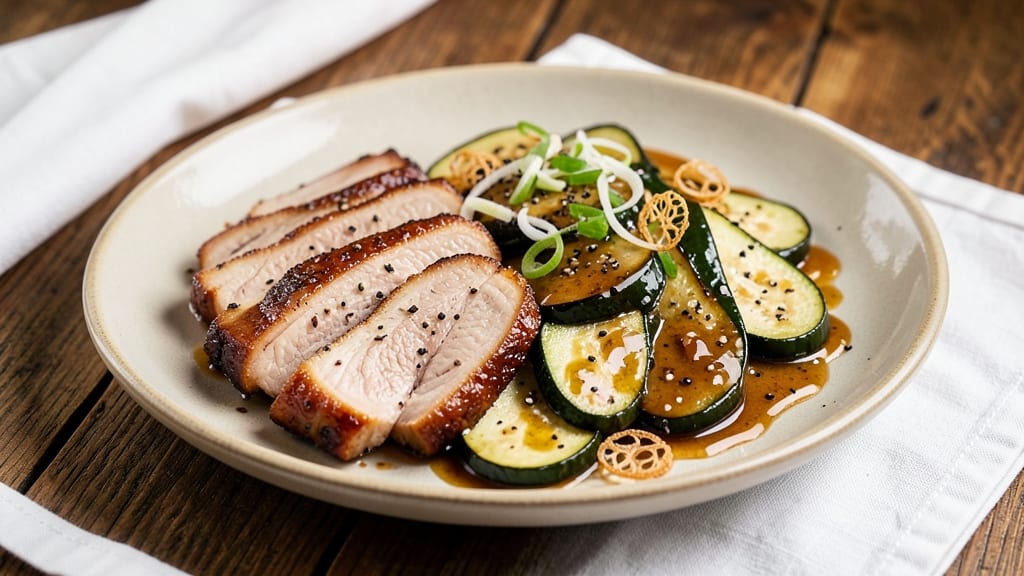
This miso pork and eggplant recipe delivers a perfect balance of umami depth and silky texture that transforms a simple weeknight dinner into something extraordinary. 🔥 The secret lies in marinating tender pork belly in fermented miso paste, creating a caramelized crust that contrasts beautifully with the eggplant's velvety softness.
I developed this dish after years of perfecting miso techniques in my Atlanta kitchen, where I learned how to coax maximum flavor from humble ingredients.
What makes this recipe truly special is the harmony of textures and flavors—crispy pork edges, tender eggplant, and a glossy miso glaze that ties everything together. The preparation is straightforward but yields restaurant-quality results: sear the pork until golden, then braise it with eggplant until fork-tender.
This method ensures every bite delivers that perfect combination of savory, sweet, and umami notes. By the time you serve this dish, you'll have created a meal that's both comforting and sophisticated. The pork remains juicy and flavorful, while the eggplant absorbs the miso marinade, becoming rich and velvety.
This recipe works beautifully as a main course or even as an impressive centerpiece for dinner guests. The best part? It's versatile enough to adapt to any occasion—whether you're cooking for family or hosting a dinner party.
Let's get started on this umami-rich masterpiece that will become a staple in your kitchen.
Ingredients for miso pork eggplant
Pork belly and eggplant transform into umami-rich perfection with these 14 ingredients.
| Ingredient | Amount | Notes |
|---|---|---|
| Pork Belly 🥓 | 1 lb | Cut into 1-inch cubes, skin removed |
| Japanese White Miso Paste 🍶 | ½ cup | High-quality, fermented deeply |
| Eggplant 🍆 | 1 ½ lb | Japanese or Italian variety preferred |
| Sesame Oil 🫒 | 2 tbsp | Toasted for nutty aroma |
| Mirin 🍶 | ¼ cup | Sweet rice wine, not imitation |
| Soy Sauce 🍶 | ¼ cup | Japanese tamari preferred |
| Garlic Cloves 🧄 | 6 cloves | Minced for aromatic depth |
| Ginger Root 🌿 | 1 tbsp | Freshly grated, not powdered |
| Neutral Oil 🫒 | ½ cup | Avocado or vegetable oil |
| Sesame Seeds 🌾 | 1 tbsp | Toasted for garnish |
| Green Onions 🧅 | 4 whole | Sliced thin for garnish |
| Salt 🧂 | 1 tsp | Kosher or sea salt |
| Black Pepper 🌶️ | ½ tsp | Freshly cracked |
| Sugar 🍚 | 1 tbsp | White or brown sugar |
The pork belly is non-negotiable—its fat renders beautifully, creating that irresistible caramelized crust. Grab thick-cut belly from Whole Foods or your local Asian market, where they often have it pre-cubed for convenience. If you're cutting it yourself, aim for 1-inch cubes—any smaller and they'll overcook. The miso paste makes all the difference: White miso from Marukome or Hatsu-maru delivers that clean, fermented depth. Pro tip: if you can't find Japanese eggplant, Italian varieties have thicker skin that holds up better to braising. Skip the pre-sliced eggplant—cutting it yourself ensures even cooking.
No mirin? Substitute 2 tbsp sugar plus 2 tbsp water—it won't be identical, but it'll work in a pinch. Swapping soy sauce for tamari? Use the same amount—it's gluten-free and has a cleaner flavor. Running low on sesame oil? Toast the seeds separately and add them at the end for that nutty punch. The garlic and ginger should be freshly grated or minced—pre-minced garlic loses its punch fast. For the oil, avocado oil has the highest smoke point, so it's ideal for searing. If you're feeling adventurous, try adding a dash of chili crisp at the end for heat—trust me, it elevates everything.
This dish tastes even better the next day—make extra portions and store them in airtight containers. Keeps for 4-5 days in the fridge, or freeze for up to 3 months. For reheating, low and slow is key: cover with a damp paper towel and warm in a 350°F oven for 15-20 minutes. The eggplant absorbs flavors like a sponge, so if you're prepping ahead, marinate the pork and eggplant separately overnight—the miso will penetrate deeper. Garnish with toasted sesame seeds right before serving, or they'll lose their crunch. Leftovers? Toss them into fried rice or ramen for an instant upgrade.
Why You'll Love This Recipe
- One-Pan Magic: I swear by this recipe when I’m too tired to wash dishes. The pork belly and eggplant roast together on a single sheet pan—no chopping boards, no fussy prep—just slice, toss, and roast. That sticky-sweet miso glaze caramelizes right on the pan, so cleanup is basically nonexistent.
- Umami Bomb: Between us, the miso and mirin combo is chef’s kiss. The pork belly gets this deep, salty-sweet crust, while the eggplant soaks up all that rich, funky flavor—crispy edges, tender middle, and a finish that lingers like a good conversation. Honestly, I’ll take this over takeout any day.
- Leftover Hero: This dish actually tastes better the next day. The flavors meld into something even more complex, and reheating it? Just a quick sizzle in a pan or microwave—no sad, dry leftovers here. I’ve brought it to potlucks, packed it for lunches, and even served it cold over rice. It’s that adaptable.
- Budget Stretch: Pork belly might sound fancy, but a few slices go a long way. Pair it with eggplant (cheap and hearty) and a spoonful of miso (which lasts forever), and suddenly you’ve got a restaurant-worthy meal without breaking the bank. Plus, the sesame oil adds that little luxury touch for pennies. Win-win.
Step-by-step instructions for umami-rich miso pork and eggplant
This stir-fry delivers restaurant-quality depth with silky textures and balanced flavors—let's make it together.
🍳 Step 1: Marinate the Pork Belly in Miso Magic
In a medium bowl, combine the 1 lb pork belly (cut into 1-inch cubes), 0.5 cup Japanese white miso paste, 0.25 cup mirin, 0.25 cup soy sauce, 1 tbsp sugar, 1 tsp salt, and 0.5 tsp black pepper. Mix thoroughly until every cube is coated in the marinade—this is where the umami explosion begins.
Cover the bowl and refrigerate for at least 30 minutes (I prefer 2 hours for maximum flavor penetration). The longer it marinates, the more tender and flavorful the pork becomes. Here's the thing—don't skip this step. The miso needs time to work its magic, transforming tough pork belly into melt-in-your-mouth perfection.
🥘 Step 2: Prepare the Eggplant for Silky Texture
While the pork marinates, slice the 1.5 lb eggplant into ½-inch thick rounds. Sprinkle both sides generously with 1 tsp salt and let them sit in a colander for 15 minutes. This salting step draws out excess moisture, ensuring your eggplant becomes silky rather than soggy when cooked.
After 15 minutes, pat the eggplant slices dry with paper towels—this is crucial. Wet eggplant will steam instead of sear, and you'll end up with mushy slices. The goal is that perfect balance: tender inside with slightly crisp edges. Trust me, this prep makes all the difference in texture.
🔥 Step 3: Cook the Pork to Perfect Tenderness
Heat 0.25 cup neutral oil in a large skillet over medium-high heat until shimmering. Remove the pork from the marinade (reserve the marinade!) and add it to the skillet in a single layer. Don't crowd the pan—this ensures even browning.
Cook undisturbed for 3-4 minutes until the pork develops a deep golden crust. Here's where it gets fun—flip the cubes and add the reserved marinade. Let it bubble vigorously for 2-3 minutes until the pork reaches 160°F internally. The miso caramelizes beautifully, creating a glossy, sticky sauce that clings to every bite. Remove pork and set aside—it's almost done but needs that final touch.
🍳 Step 4: Stir-Fry Eggplant with Aromatics
In the same skillet (no need to clean it—the fond is pure flavor), add 0.25 cup neutral oil and heat over medium heat. Add the 6 minced garlic cloves and 1 tbsp grated ginger root, cooking for 30 seconds until fragrant but not browned. Add the prepared eggplant slices and cook for 8-10 minutes, turning occasionally, until golden brown and tender.
Here's the moment that matters: when the eggplant starts to caramelize slightly at the edges, that's your signal it's ready. The slices should be soft enough to pierce with a fork but still hold their shape. If they're browning too quickly, reduce heat slightly—we want color without burning.
🥘 Step 5: Combine and Finish with Sesame Brilliance
Return the pork to the skillet with the eggplant. Add 2 tbsp toasted sesame oil and toss everything together for 1-2 minutes until heated through. The sesame oil adds that nutty depth that ties all the flavors together.
Garnish with 1 tbsp toasted sesame seeds and 4 sliced green onions. Serve immediately over steamed rice—each bite delivers that perfect balance of silky eggplant, tender pork, and umami-rich miso sauce. The sesame seeds add a delightful crunch that contrasts beautifully with the soft textures. This dish is all about harmony, and every component plays its part perfectly.
Pro Tips For Making Miso Pork Eggplant
- Blister Eggplant First: Cut the eggplant into ½-inch slices and sear them skin-side down in a dry pan over medium-high heat until they develop deep char marks—about 3-4 minutes per side. This isn’t just for looks; it concentrates the flavor and prevents the eggplant from turning to mush when you add the miso later.
- Render Pork Belly Low: After searing the pork belly, drop the heat to low and let it render fat for 10-15 minutes uncovered. I used to rush this, and the meat stayed greasy and unappetizing. Patience here guarantees tender, caramelized edges that soak up the miso sauce perfectly.
- Whisk Miso with Mirin: Mix the white miso paste with mirin before adding it to the pan—this creates a smooth, glossy sauce instead of clumpy bits. I learned this the hard way when I dumped miso directly into hot oil and ended up with a grainy glaze. Stir in a splash of water if it’s too thick.
- Deglaze with Sesame Oil: After removing the pork belly, pour in 1 tablespoon of sesame oil and let it sizzle for 30 seconds to lift the browned bits from the pan. This adds nutty depth to the sauce without overpowering it—just don’t skip it, or you’ll miss half the flavor.
Serving suggestions for leftovers
Rice Pairings
Steamed jasmine rice is my go-to base for this dish—its delicate floral notes complement the umami without overpowering. Cook 1 cup rice with 1.25 cups water for perfect fluffiness.
For extra richness, try short-grain sushi rice cooked with 2 tbsp rice vinegar and a pinch of salt. The slight stickiness helps mop up the miso sauce beautifully. 🍚
Garnish Game-Changers
Fresh microgreens add a peppery crunch that brightens the dish. I love red shiso leaves for their citrusy aroma or baby bok choy for a mild cabbage bite.
For heat lovers, drizzle with chili oil—just 1 tsp adds smoky depth without overwhelming. A sprinkle of crushed black sesame seeds gives extra texture and visual contrast.
Side Dish Harmony
A simple cucumber salad with 2 tbsp rice vinegar, 1 tsp sugar, and ½ tsp salt cuts through the richness. For heartier plates, serve with steamed bok choy tossed in 1 tsp toasted sesame oil. The crisp, cool vegetables balance the rich pork and eggplant perfectly.
I often make a batch of pickled ginger to serve alongside—just ½ cup rice vinegar, 2 tbsp sugar, and 1-inch grated ginger simmered for 10 minutes.
Dipping Sauces
Whisk together 2 tbsp soy sauce, 1 tbsp mirin, 1 tsp grated ginger, and ½ tsp chili flakes for a quick dipping sauce. For something creamier, blend ¼ cup Greek yogurt with 1 tsp miso paste and ½ tsp honey.
The tangy contrast elevates every bite. I keep a small bowl on the table so guests can customize their experience.
Presentation Tips
Use a wide, shallow plate to showcase the dish's vibrant colors. Arrange the pork and eggplant in an overlapping pattern for visual appeal. A drizzle of reduced miso glaze (simmer 2 tbsp miso with 1 tbsp water for 3 minutes) adds professional flair.
For extra drama, garnish with edible flowers like nasturtiums—their peppery notes complement the umami perfectly. 🌸
Meal Prep Serving
If serving leftovers, reheat gently in a skillet with 1 tbsp water to restore moisture. Serve family-style with steamed rice in a communal bowl and individual plates for the pork and eggplant.
Add small bowls of garnishes (sesame seeds, green onions, chili oil) so everyone can customize their plate. This approach makes the dish feel special even when reheated.
Nutrition facts
Frequently asked questions about miso pork and eggplant
Can I substitute pork belly with another cut?
Yes! For a leaner option, try pork tenderloin cut into ½-inch thick slices—reduce marinating time to 1 hour since it's more tender. For extra richness, pork shoulder works well but needs 4-6 hours of marinating. The fat content in belly creates that signature caramelized crust, but these alternatives still deliver amazing flavor.
Why is my eggplant turning mushy?
Mushy eggplant usually means excess moisture wasn't removed properly. Always salt and drain for 15 minutes, then pat completely dry before cooking. For extra insurance, blot with paper towels after draining. Cooking at medium heat (not high) prevents burning while allowing even browning. The goal is tender, not soggy!
How do I make this dish vegetarian?
Swap the pork for extra-firm tofu pressed for 30 minutes and cubed, or mushroom medley (shiitake + king oyster). Marinate the tofu/mushrooms in the same miso mixture for 1 hour. For texture, add ½ cup chickpeas roasted with the eggplant. The umami from mushrooms and miso keeps the dish rich and satisfying.
Can I make this in a slow cooker?
Brown the pork first in a skillet, then transfer everything (including marinade) to the slow cooker. Cook on low for 4-5 hours or high for 2-3 hours. The pork will stay tender while the eggplant absorbs all that umami flavor. Just add 1 tbsp water if it gets too dry. The slow cooker method makes this perfect for busy weeknights!
What's the best way to reheat leftovers?
Reheat gently in a skillet with 1 tbsp neutral oil over low heat for 5-7 minutes, adding 1 tbsp water to restore moisture. The microwave works too—cover with a damp paper towel and heat for 1-2 minutes. Avoid high heat to prevent drying out the pork or making eggplant rubbery. Leftovers taste even better the next day!