
Main Courses
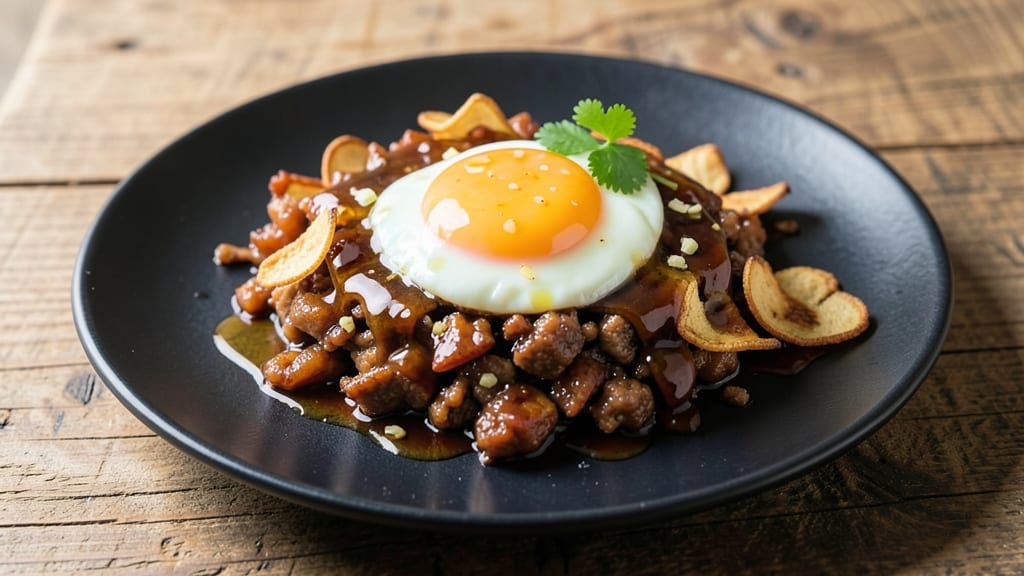
This minced pork steamed egg recipe delivers the perfect balance of silky egg custard and savory pork filling in one elegant dish. 💛 Born from traditional Chinese cuisine, this recipe transforms simple ingredients into a restaurant-worthy meal that's surprisingly easy to master at home.
The secret lies in the tender pork filling—marinated in aromatic soy sauce and ginger—while the egg custard steams to golden perfection, creating a delicate yet satisfying bite.
The beauty of this dish is in its simplicity: just a handful of ingredients come together to create something truly special. Minced pork is seasoned with garlic, ginger, and a touch of sugar, then bound with beaten eggs that steam into a silky, custard-like texture.
The result is a harmonious blend of textures—soft, jiggly egg custard with pockets of flavorful pork—all steamed to tender perfection in just 20 minutes.
What makes this recipe stand out is its versatility. Serve it as a light lunch or dinner, accompanied by steamed rice and a side of pickled vegetables for a complete meal. The subtle flavors of the pork filling contrast beautifully with the delicate egg custard, making each bite a delight.
Whether you're cooking for family or treating yourself, this dish is sure to impress.
Ready to try this classic Chinese recipe? Let's get started with the step-by-step instructions to create a dish that's both comforting and elegant. The process is straightforward, but the result is anything but ordinary—perfect for those who appreciate the art of simple, well-seasoned cooking.
Ingredients for minced pork steamed egg
Nine simple ingredients transform into restaurant-quality minced pork steamed eggs.
| Ingredient | Amount | Notes |
|---|---|---|
| Minced Pork 🐖 | 1 lb | Ground fine, not pre-seasoned |
| Large Eggs 🥚 | 6 whole | Room temperature preferred |
| Light Soy Sauce 🥢 | 2 tbsp | Kikkoman preferred |
| Dark Soy Sauce 🥢 | 1 tbsp | For deeper color |
| Fresh Ginger 🧅 | 1 tbsp | Finely minced |
| Garlic Cloves 🧄 | 3 cloves | Minced into paste |
| Granulated Sugar 🍚 | 1 tbsp | White or brown |
| Sesame Oil 🫒 | 1 tsp | Toasted, not flavored |
| Vegetable Oil 🫒 | 1 tbsp | For wok |
| Shaoxing Wine 🍷 | 1 tbsp | Substitute dry sherry |
| Cornstarch 🌾 | 1 tsp | For thickening |
| Salt 🧂 | ½ tsp | Adjust to taste |
| White Pepper 🌶️ | ¼ tsp | Freshly ground |
The pork is everything here. Look for 80/20 ground pork—the fat keeps it tender. Costco or Trader Joe's usually carry the best quality, but any supermarket ground pork works if it's fresh. The ginger and garlic should be minced into a paste—no chunks allowed. Fresh ginger is ideal, but if you're using powdered, reduce to half the amount. Shaoxing wine isn't always easy to find, but dry sherry or mirin work perfectly fine. For the eggs, room temperature makes all the difference—they'll blend smoother and steam more evenly.
No soy sauces on hand? Coconut aminos in a pinch, though the flavor won't be identical. The sesame oil is non-negotiable—toasted, not flavored. If you can't find it, toast regular sesame oil in a dry pan for 30 seconds first. The cornstarch is just for thickening the egg mixture slightly—skip it if you prefer your eggs extra-silky. For the sugar, brown sugar adds depth, but white works too. The pork filling can be prepped ahead and refrigerated for up to 24 hours—just let it sit at room temperature 15 minutes before cooking.
This dish reheats beautifully—steam it again for 3-4 minutes to restore that silky texture. Keeps 3-4 days in the fridge, covered tightly. For leftovers, portion into small containers—the egg custard dries out if exposed to air. Freezes for 1 month, though texture may change slightly. Serve with steamed jasmine rice and a side of quick-pickled cucumbers for the full experience.
Why You'll Love This Recipe
- Here’s what sold me: this reheats like a dream. Cold or warm, it’s still delicious—pack it for lunch, freeze portions, or serve it at dinner the next night. My kids actually ask for leftovers, and that’s saying something.
- No-Chop Nightmare: I swear, this is the only minced pork dish where I don’t even think about chopping ginger—I just grate a thumb-sized piece and call it done. The pork’s already pre-minced, the eggs are whole, and the soy sauces do all the flavor work while I steam it. That’s called winning.
- Umami Bomb: Between us, the combo of light and dark soy sauce in this recipe is chef’s kiss—sweet, salty, and just a little funky. The ginger adds that bright zing that cuts through the richness, while the eggs steam into fluffy, custardy perfection. It’s the kind of dish that makes you go, “Wait, this is why I cook.”
- Leftover Goldmine: Here’s what sold me: this reheats like a dream. Cold or warm, it’s still delicious—pack it for lunch, freeze portions, or serve it at dinner the next night. My kids actually ask for leftovers, and that’s saying something.
Step-by-step instructions for silky egg custard with savory pork filling
Master this classic Chinese dish with perfectly balanced textures and flavors.
🍳 Step 1: Prepare the Pork Filling
Heat the 1 tablespoon vegetable oil in a wok over medium-high heat until shimmering. Add the 1 lb minced pork and stir-fry for 3-4 minutes until the pork loses its raw color and begins to brown. This is where the meat develops its rich, savory depth.
Add the 3 cloves garlic cloves (minced into paste) and 1 tablespoon fresh ginger (finely minced), cooking for 30 seconds until fragrant. Pour in the 1 tablespoon Shaoxing wine and let it evaporate completely—this removes the alcohol's sharpness. The pork should be tender but still slightly firm to maintain texture in the final dish.
Stir in the 2 tablespoons light soy sauce, 1 tablespoon dark soy sauce, 1 tablespoon granulated sugar, 0.5 teaspoon salt, and 0.25 teaspoon white pepper. Cook for another 2 minutes until the mixture thickens slightly and the flavors meld. Remove from heat and let cool for 5 minutes—this prevents the eggs from scrambling when combined.
👨🍳 Step 2: Beat Eggs to Perfect Consistency
In a large bowl, crack the 6 whole large eggs and whisk vigorously for 2-3 minutes until the yolks and whites are fully combined and the mixture is pale yellow. The eggs should be thick enough to hold their shape when poured, but still flow smoothly—this creates that signature silky texture.
Add the 1 teaspoon cornstarch and whisk for another 30 seconds to distribute evenly. This creates a delicate network that helps the custard set beautifully during steaming. The cornstarch is crucial—it prevents the eggs from becoming watery while maintaining their silky quality.
Real talk: If you see any streaks of white, keep whisking. The eggs need to be completely uniform for that perfect cloud-like finish. I like to dip my whisk in warm water every few strokes to maintain a consistent temperature.
🥘 Step 3: Combine Filling and Eggs
Gently fold the cooled pork mixture into the egg mixture using a silicone spatula, being careful not to create too many air bubbles. This step is all about delicate integration—you want the pork evenly distributed without overmixing, which could break down the egg's delicate structure.
Add the 1 teaspoon sesame oil and mix just until combined. The sesame oil adds that nutty aroma that's essential to the dish's character. Here's where it gets fun—taste the mixture and adjust seasoning if needed. You might want to add a pinch more salt or a splash of soy sauce to balance the flavors.
Let the mixture rest for 5 minutes at room temperature. This allows the flavors to meld further and ensures the eggs maintain their perfect consistency when steamed. If the mixture looks too thick, add 1 tablespoon water to loosen it slightly.
⏰ Step 4: Steam to Silky Perfection
Pour the egg mixture into a 4-inch round steamer (or similar mold) that's been lightly oiled with vegetable oil to prevent sticking. Place the steamer in a heatproof bowl and bring 2 inches of water to a gentle simmer in a steamer or large pot.
Cover with a tight-fitting lid and steam over medium-low heat for 12-15 minutes. The key here is patience—the eggs need to cook gently to achieve that signature custard-like texture. You'll know it's done when the top is just set but still slightly jiggly in the center, with a delicate, cloud-like appearance.
Don't lift the lid early to check—steam escapes with every peek, which can cause the eggs to deflate. If you're unsure, err on the side of slightly undercooking. The eggs will continue to set as they cool, and they'll be easier to unmold.
🍽️ Step 5: Serve Warm with Confidence
Remove the steamer from the heat and let it rest for 2-3 minutes before carefully unmolding onto a serving plate. The custard should release cleanly if properly oiled and steamed. If it sticks slightly, run a thin knife around the edges to help release it.
Slice into wedges and serve immediately while still warm. Each bite should deliver a perfect balance of silky egg custard and savory, well-seasoned pork filling. The contrast between the delicate egg and hearty pork is what makes this dish so special.
For best results, serve with steamed rice and a side of pickled vegetables. The acidity of the pickles cuts through the richness of the eggs and pork, creating a harmonious meal. And remember—this dish tastes even better the next day, so make extra if you can!
Pro Tips For Making Minced Pork Steamed Egg
- STIR THE PORK FAST: Get that minced pork sizzling hot on high heat before adding anything—ginger, soy, or eggs. I learned this the hard way: cold pork just sits there while your egg gets rubbery. Two minutes of aggressive stirring builds flavor and texture before you even think about the egg.
- JULIENNE THE GINGER: Skip the grated ginger—thinly slice it into matchsticks instead. It cooks faster, releases aroma without turning to mush, and actually melts into the pork instead of sinking to the bottom. (Yes, even if you’re impatient like me.)
- DON’T OVERMIX THE EGG: Whisk the egg just until no streaks remain, then stop. Overbeating makes the egg tough and pale. A quick, firm whisk—about 15 seconds—gives you a silky, custardy center that steams perfectly without curdling.
- USE DARK SOY LAST: Add dark soy sauce only in the final 30 seconds of cooking. It’s not just for color—it caramelizes instantly, giving the edges that glossy, restaurant-style sheen. (Your future self will thank you for not ruining the pork’s texture with early exposure.)
Regional styles of these flavors
Cantonese Classic
This dish originated in Guangdong province and is a staple in Cantonese cuisine, where it's often called "chun yung yung" (春盈盈). The original version uses pork belly instead of minced pork for extra richness, but ground pork works beautifully for home cooks.
In Cantonese restaurants, you'll often see it served in small, round molds with a glossy top, achieved by brushing with egg wash before steaming. 🌟
Shanghai Twist
Shanghai chefs add a sweet and savory glaze using 1 tablespoon hoisin sauce mixed into the pork filling before combining with eggs. They also incorporate 1 teaspoon fermented black beans (chopped) for an umami depth.
The Shanghai version often includes dried shrimp (½ cup) in the pork mixture for added texture. This variation is especially popular during the Lunar New Year when families gather for festive meals.
Hong Kong Street Food
In Hong Kong, street vendors serve a simpler, quicker version using pre-cooked pork floss instead of minced pork. The eggs are steamed in smaller portions (about 2-3 eggs per serving) and sold from portable steamers.
Vendors often add 1 teaspoon chili oil on top for heat lovers. This version is perfect for quick lunches and is a favorite among office workers in Hong Kong's bustling districts.
Taiwanese Home Style
Taiwanese households often make this dish with less soy sauce (just 1 tablespoon light soy sauce) to highlight the natural pork flavor. They add 1 tablespoon chopped scallions to the egg mixture before steaming, creating a bright green swirl in the custard.
Taiwanese cooks also use less cornstarch (just ½ teaspoon) for a more delicate texture. This version is commonly served with pickled mustard greens for a tangy contrast.
Modern Fusion Adaptations
Chefs today are putting creative spins on this classic. Some add 1 teaspoon gochujang (Korean chili paste) to the pork filling for a spicy-sweet kick, while others incorporate 1 tablespoon finely chopped mushrooms for an earthy note.
For a vegetarian version, replace pork with shitake mushrooms or tofu, using the same seasoning technique. The key is maintaining the silky egg texture—no matter the filling, the eggs should always be the star. 💡
Nutrition facts
Frequently asked questions
Can I use chicken instead of pork in this recipe?
You can substitute ground chicken, but the texture will be slightly different. Chicken has less fat, so add 1 extra teaspoon oil when cooking to prevent dryness. The flavor will be milder, so consider adding ½ teaspoon five-spice powder to the filling for depth. For best results, use 80/20 ground chicken to maintain moisture.
Why did my egg custard turn out rubbery instead of silky? Rubbery eggs usually mean overcooking or improper whisking.
How do I make this recipe vegetarian?
Replace the pork with 1 lb finely chopped shiitake mushrooms or crumbled tofu (pressed to remove excess water). Use the same seasoning ratios but reduce soy sauce to 1 tablespoon light soy sauce since vegetarian versions need less salt. For umami depth, add 1 teaspoon vegetarian oyster sauce or ½ teaspoon MSG (optional). The texture will be slightly different but still delicious!
Can I make this ahead of time?
Yes! Assemble the filling and egg mixture up to 1 day ahead and refrigerate. Steam it fresh when ready to serve. For leftovers, reheat by steaming for 3-4 minutes—this restores the silky texture. Store in an airtight container for up to 2 days. Freezing isn't recommended as it alters the custard's delicate texture.
What's the secret to getting the perfect golden top?
Brush the steamed egg custard with a light egg wash (1 egg yolk + 1 tsp water) before the final 2 minutes of steaming. For extra shine, add ½ teaspoon sesame oil** to the egg wash. The golden color comes from the dark soy sauce in the filling and proper steaming time—don't peek at the lid! The steam should be gentle and even.