
Main Courses
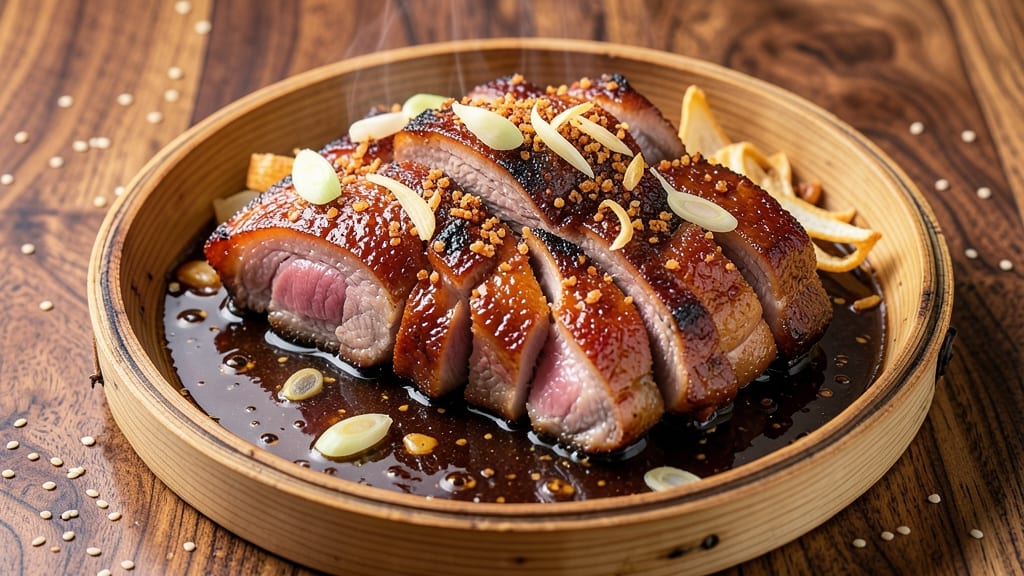
This Chinese fried pork belly recipe delivers the perfect balance of crispy bark and silky fat bites—a dish that transforms humble ingredients into a restaurant-worthy centerpiece.
The secret lies in the double-frying technique, where pork belly first cooks gently to render fat, then crisps to golden perfection in hot oil. Traditional seasonings like five-spice powder, soy sauce, and a touch of sugar create that signature savory-sweet flavor profile that makes every bite irresistible.
The process begins with marinating the pork belly in a blend of soy sauce, sugar, and spices, allowing the flavors to penetrate deeply.
After the initial fry, the pork rests briefly to stabilize before the final crisping—this step ensures the exterior stays shatteringly crisp while the interior remains tender and juicy. The result? A dish that’s rich, aromatic, and impossible to resist, with a texture that’s both satisfying and elegant.
What sets this recipe apart is the attention to detail—using lard for frying (if available) enhances the authentic flavor, while proper timing ensures the pork belly doesn’t lose its crispiness.
Served with steamed jasmine rice, pickled vegetables, or a simple cucumber salad, this dish becomes a complete meal that feels both comforting and celebratory. The aroma alone will have everyone at the table anticipating the first bite.
Whether you're preparing for a special occasion or simply craving a taste of China, this fried pork belly recipe delivers restaurant-quality results at home. The key is patience—letting the pork belly cook slowly and crisp perfectly ensures every slice is worth the effort.
Once mastered, this dish will become a staple in your repertoire, proving that crispy, flavorful pork belly is well within reach for any home cook.
Ingredients for fried pork belly recipe chinese
Authentic Chinese flavors meet crispy perfection with these carefully selected ingredients.
| Ingredient | Amount | Notes |
|---|---|---|
| Pork Belly 🥓 | 2 lb | Skin-on, thick-cut preferred |
| Soy Sauce 🍶 | ½ cup | Light or dark, to taste |
| Brown Sugar 🍯 | ¼ cup | Packed, for marinade |
| Five-Spice Powder 🌶️ | 1 ½ tbsp | Authentic Chinese blend |
| Garlic Cloves 🧄 | 6 cloves | Minced, for marinade |
| Ginger Root 🌿 | 1 tbsp | Freshly grated, for marinade |
| Sesame Oil 🫒 | 1 tbsp | Toasted, for aroma |
| Lard or Vegetable Oil 🫒 | 2 cups | Lard preferred for authenticity |
| Neutral Oil 🫒 | 1 cup | For final frying, high smoke point |
| Cornstarch 🌾 | ¼ cup | For crisping, light coating |
| Salt 🧂 | 1 tsp | Kosher or sea salt |
| Black Pepper 🌶️ | ½ tsp | Freshly ground |
| Scallions 🧅 | 3 whole | Thinly sliced, for garnish |
| Jasmine Rice 🍚 | 1 ½ cups | Uncooked, for serving |
The pork belly is the star—look for thick-cut pieces with good marbling for that signature silky texture. Whole Foods Market or Asian specialty stores like H Mart typically carry premium cuts. If using lard for frying, opt for leaf lard which has a cleaner flavor. The five-spice powder should be a blend of star anise, cloves, fennel, cinnamon, and Sichuan peppercorns—Penzeys Spices carries an excellent version. For the soy sauce, Lee Kum Kee light soy sauce provides that authentic umami depth without overpowering the dish.
No five-spice powder? Substitute 1 tsp cinnamon, 0.5 tsp cloves, and 0.5 tsp fennel seeds for a similar warmth. Running short on lard? Vegetable shortening or high-smoke-point oil works, though the flavor won't be identical. The cornstarch is crucial for that restaurant-quality crunch—don't skip it. For the jasmine rice, Thai Kitchen brand is widely available and delivers consistent results. Fresh ginger is ideal, but if using powdered, reduce to half the amount. The scallions add brightness, but green onions or chives work in a pinch.
Marinated pork belly keeps 24 hours in the fridge, though longer marinating enhances flavor. The fried pork belly stays crispy for 2-3 days if stored properly—keep it in an airtight container with a paper towel to absorb moisture. For reheating, use the oven at 350°F for 10-15 minutes to restore crispiness. The jasmine rice reheats beautifully in a steamer basket over boiling water for 5 minutes. Portion the pork belly into individual servings before freezing for up to 3 months—this preserves the texture remarkably well.
Why You'll Love This Recipe
- One-Pan Magic: I swear by this—just the pork belly, a sheet pan, and 20 minutes later, you’ve got golden, crackling perfection. No chopping boards, no mess, no stress.
- Sweet-Savory Crunch: That balance of sticky brown sugar and deep soy caramel? It’s the kind of flavor that makes you pause mid-bite. The five-spice powder adds warmth, and the garlic? Oh, it hits—in the best way.
- Leftover Goldmine: Between us, this dish tastes even better the second day. I’ll reheat slices straight from the fridge, and suddenly, it’s a crispy, savory snack or a quick lunch. No sad leftovers here.
- Budget-Friendly Feast: Pork belly might sound fancy, but it stretches farther than you’d think. A few slices feed a crowd, and the spices? You’re probably already stocked. My wallet and my family thank me every time.
Step-by-step instructions for Chinese fried pork belly
This method delivers restaurant-quality pork belly with a shatteringly crisp exterior and tender, silky interior.
👨🍳 Step 1: Prepare the Pork Belly and Marinade
Pat the 2 lb pork belly dry with paper towels, removing all moisture from the skin and fat cap. This drying step is critical—it prevents steam from forming during frying, which would soften your crust. Using a sharp boning knife, score the fat cap in a diamond pattern, cutting about ¼-inch deep without piercing the meat below. This creates channels for the marinade to penetrate.
In a mixing bowl, combine the 0.5 cup soy sauce, 0.25 cup packed brown sugar, 1.5 tbsp five-spice powder, 6 minced garlic cloves, 1 tbsp freshly grated ginger root, and 1 tbsp toasted sesame oil. Mix until the brown sugar dissolves completely. Pour this marinade over the pork belly, ensuring it coats all surfaces. Cover and refrigerate for at least 12 hours, preferably 24 hours, allowing the flavors to deeply penetrate the meat.
🍳 Step 2: Render the Fat and Par-Cook the Pork Belly
Remove the pork belly from the marinade and let it sit at room temperature for 30 minutes before cooking. Heat 2 cups lard or vegetable oil in a heavy-bottomed pot over medium-low heat. Submerge the pork belly fat-side down and cook for 1 hour, maintaining the oil temperature between 300-325°F. You're not frying yet—this slow render allows the fat to render out gently, keeping the meat moist while developing flavor.
After 1 hour, carefully flip the pork belly and cook for another 30 minutes on the meat side. The internal temperature should reach 160°F at this point. Remove the pork belly and let it rest on a wire rack for 10 minutes. The rendered fat in the pot will be golden and fragrant—save this for future cooking or discard if you prefer a cleaner finish.
🥘 Step 3: Create the Crispy Cornstarch Coating
While the pork belly rests, prepare the cornstarch coating. In a shallow dish, combine 0.25 cup cornstarch, 1 tsp salt, and 0.5 tsp black pepper. Lightly dust the pork belly with this mixture, focusing on the meat side. Press the coating gently but firmly so it adheres well. The cornstarch will create that signature crispy bark when fried.
For the frying oil, combine 1 cup neutral oil with the 2 cups rendered pork fat from earlier. Heat this mixture in a deep pot over medium-high heat until it reaches 350°F. Use a candy or deep-fry thermometer to monitor the temperature—this precision is key to achieving the perfect crisp without burning.
🔥 Step 4: Fry to Crispy Perfection
Carefully lower the pork belly into the hot oil, fat-side down first. Fry for 8-10 minutes until the fat side is deep golden brown and the cornstarch coating has crisped into a shatteringly thin layer. You'll see small bubbles forming around the edges—this is your signal that the crust is developing properly. Use tongs to gently press down on the pork belly during the first 2 minutes of frying to prevent curling.
Flip the pork belly and fry for another 6-8 minutes on the meat side until it reaches an internal temperature of 195-200°F. The meat should be fork-tender, and the crust should be so crisp it sounds like crumpling cellophane when you tap it. Remove the pork belly and drain on a wire rack for 5 minutes to allow excess oil to drip away.
🍽️ Step 5: Rest and Serve with Jasmine Rice
Let the pork belly rest for 10 minutes before slicing. This resting period allows the juices to redistribute, ensuring each bite is moist and flavorful. Using a sharp carving knife, slice the pork belly against the grain into ¼-inch thick slices. The contrast between the crispy exterior and silky interior is what makes this dish exceptional.
Serve immediately with 1.5 cups cooked jasmine rice and garnish with 3 thinly sliced whole scallions. The pork belly should be hot from the fryer, with a glossy sheen from the rendered fat. Each slice should hold its shape yet be tender enough to pull apart with a gentle tug. For extra authenticity, drizzle with any remaining marinade reduced by half for a glossy glaze.
Pro Tips For Making Fried Pork Belly Recipe Chinese
- CRISP THE BELLY FIRST: I used to fry the pork belly straight from the fridge, and it always came out greasy instead of crispy. Cut the belly into 1-inch cubes, pat them thoroughly dry with paper towels, then sear them in a screaming-hot wok or skillet for 3-4 minutes until they release fat and turn golden. Only then add the garlic and five-spice—this builds the crust that holds up during the sauce stage.
- SALT THE SOY SAUCE: My first attempts tasted flat because I treated soy sauce like a seasoning afterthought. Mix your soy sauce with brown sugar and five-spice before adding it to the pork—this lets the salt penetrate the meat and caramelize properly. Use about 2 tablespoons soy sauce per pound of pork, plus 1 teaspoon sugar per tablespoon of sauce. (Yes, even if the recipe says "to taste.")
- DON’T RUSH THE GARLIC: I learned this the hard way—burnt garlic ruins everything. When you add minced garlic to the pan after browning the pork, keep the heat medium-low and stir constantly. If you see it darken in 10 seconds, you’re cooking too fast. The goal is fragrant, not charred. A splash of water or a quick toss with the pork belly can reset the heat if needed.
- REST THE PORK BEFORE SLICING: Cutting into pork belly right after frying turns it into a greasy mess. Let the cooked slices rest on a wire rack (or even a clean towel) for 5 minutes—this lets the fat render out of the meat instead of pooling on your plate. If you’re impatient, tent loosely with foil, but don’t skip this. Trust me, your knife will thank you.
Flavor customization for this fried pork belly recipe chinese
Sweet-Savory Balance
Adjust the sugar-to-soy ratio in your marinade to suit your taste. For a more pronounced sweetness, increase the brown sugar to 0.35 cup while keeping the soy sauce at 0.5 cup.
If you prefer a deeper umami flavor, reduce the sugar to 0.2 cup and add 1 tbsp hoisin sauce to the marinade.
I find 0.25 cup sugar and 0.5 cup soy sauce strike the perfect harmony—sweet enough to caramelize beautifully during frying, but balanced by the savory depth of the pork. 🍯
Spice Level Control
The five-spice powder is where you can play with heat. For a milder version, reduce it to 1 tbsp and add ½ tsp cinnamon for warmth instead.
If you crave more spice, boost the five-spice to 2 tbsp and add ½ tsp chili flakes or 1 tsp Sichuan peppercorns (lightly toasted) to the cornstarch coating.
I love the contrast of crispy pork with a subtle kick—just ½ tsp chili flakes on the plate elevates the dish without overwhelming it. 🌶️
Umami Boosters
Enhance the savory depth by adding 1 tbsp fermented black beans (mashed) or 1 tsp fish sauce to the marinade. These ingredients add complexity without altering the dish's core flavors. For extra richness, stir 1 tbsp oyster sauce into the reduced marinade you drizzle over the finished pork.
Pro tip: If using fish sauce, start with ½ tsp—it’s potent! The umami from these additions makes every bite even more satisfying. 🍜
Texture Variations
Want extra crunch? Toss the cornstarch-coated pork belly with 1 tbsp crushed peanuts or 1 tbsp sesame seeds before the final fry. For a softer texture, reduce the cornstarch to 0.2 cup and add 1 tbsp potato starch—it creates a lighter, almost "fluffy" crust.
I prefer the classic cornstarch method, but these tweaks work beautifully for different occasions. The key is pressing the coating firmly so it adheres during frying. 🥜
Regional Twists
For a Cantonese-style version, add 1 tbsp Shaoxing wine to the marinade and serve with pickled mustard greens. A Sichuan-inspired take calls for 1 tbsp doubanjiang (chili bean paste) mixed into the cornstarch coating and a sprinkle of scallions with ½ tsp Sichuan peppercorns on top.
Each regional variation keeps the crispy-silky texture but adds distinct layers of flavor. 🗺️
Gluten-Free Adaptation
Replace the soy sauce with 0.5 cup tamari (gluten-free soy sauce) and use 0.25 cup coconut aminos for extra umami. The cornstarch coating remains the same, but if you're avoiding all starches, coat the pork belly with 1 tbsp arrowroot powder mixed with 1 tsp oil instead.
The texture will be slightly different but still crispy. This adaptation works surprisingly well—just monitor the frying time closely. 🌱
Nutrition facts
Frequently asked questions about Chinese fried pork belly
Why does my Chinese fried pork belly turn out soggy instead of crispy?
The most common cause is moisture in the pork belly or insufficient drying before frying. Always pat the meat thoroughly with paper towels and let it sit at room temperature for 30 minutes before cooking. Another issue is improper oil temperature—use a thermometer to maintain 350°F during the final fry. Also, don't skip the 10-minute rest after the first cook—this stabilizes the meat before crisping.
Can I make this recipe without lard? What's the best substitute?
While lard adds authentic flavor, use vegetable shortening or high-smoke-point oil like canola or peanut oil. For the first render, shortening works best as it stays stable at lower temperatures. In the final fry, use 100% neutral oil (like avocado oil) to achieve that perfect crisp. The texture will be slightly different but still delicious.
How long can I store fried pork belly, and how do I reheat it?
Store in an airtight container with a paper towel to absorb moisture for 2-3 days at room temperature or 1 month in the fridge. For reheating, wrap slices in foil and bake at 350°F for 10-15 minutes to restore crispiness. For a quicker method, use an air fryer at 375°F for 3-4 minutes. Never microwave—it makes the pork rubbery.
What's the difference between this recipe and char siu pork belly?
While both are delicious, char siu is typically roasted with a sweet, sticky glaze (often containing honey or hoisin), giving it a caramelized exterior. This fried pork belly focuses on the crispy bark achieved through double-frying, with a savory-sweet marinade. Char siu is usually served sliced thinly, while fried pork belly holds its shape better for plating.
Can I use pork belly with the skin removed for this recipe?
Not ideal! The skin is what creates that signature crispy bark. If you must use skinless pork belly, score the fat cap extra deeply (½-inch cuts) and press the cornstarch coating more firmly. For best results, always use skin-on pork belly—it's the secret to that irresistible texture.