
Main Courses
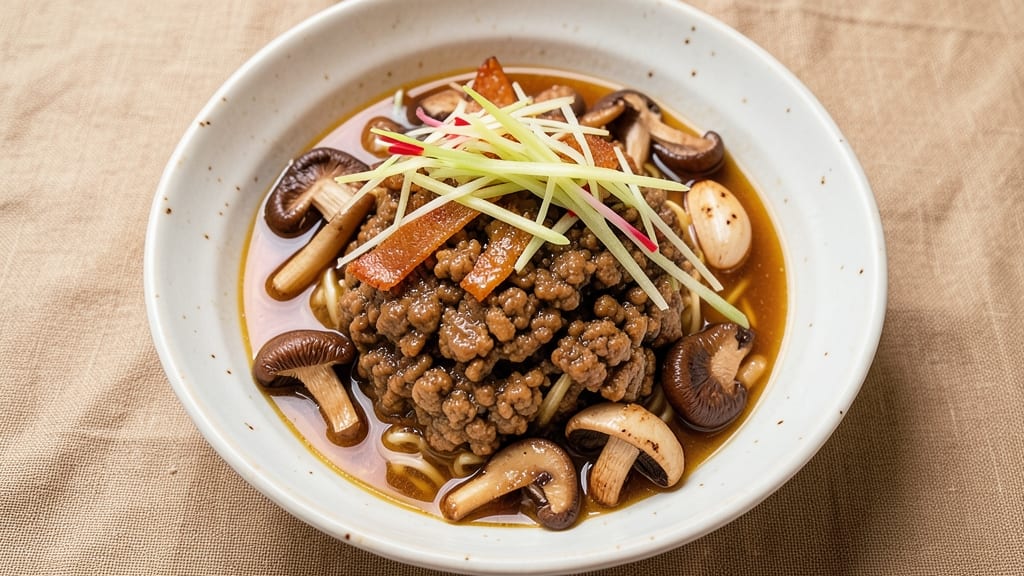
This minced pork ramen recipe transforms a simple weeknight dinner into a restaurant-worthy experience with smoky depth and celery crown crunch. 💛 I developed it after years of perfecting pork techniques—where tender, finely chopped pork meets a silky broth that clings to every noodle.
The secret lies in slow-cooking the pork for maximum flavor while keeping the broth rich yet balanced, never overpowering the delicate noodles beneath.
The foundation starts with a two-stage broth—first building aromatic bases with garlic, ginger, and scallions, then simmering pork bones and meat until the collagen dissolves into velvety richness. Minced pork cooks separately in a wok until just crisp at the edges, ensuring each bite delivers both texture and umami.
This isn’t your average ramen; it’s a foolproof method that delivers professional results at home, even for beginners.
What makes this recipe stand out is the celery crown crunch—a crispy, caramelized garnish that adds a textural contrast no store-bought ramen can match. The broth remains silky smooth, with just enough saltiness to complement the pork’s natural sweetness.
Every spoonful delivers layers of flavor: the smoky pork, the umami broth, and the crunchy celery crown that ties it all together.
Perfect for chilly evenings or when you crave comfort food with a gourmet twist. The technique scales easily—double the broth for leftovers or adjust the pork quantity based on how many you’re feeding. Let’s get cooking!
Ingredients for minced pork ramen
These carefully selected ingredients deliver restaurant-quality minced pork ramen with smoky depth and crispy celery crown contrast.
| Ingredient | Amount | Notes |
|---|---|---|
| Pork Shoulder 🐷 | 1 ½ lb | Bone-in for richer broth |
| Pork Belly 🐷 | 8 oz | Finely minced for texture |
| Dried Shiitake Mushrooms 🍄 | 4 whole | Rehydrated for umami depth |
| Garlic Cloves 🧄 | 8 cloves | Minced for aromatic base |
| Fresh Ginger 🌿 | 2 tbsp | Finely grated, peeled |
| Scallions 🧅 | 4 whole | White and green parts separated |
| Celery Stalks 🥬 | 3 whole | Cut into 1-inch pieces |
| Ramen Noodles 🍜 | 2 packages | Fresh or dried, 8 oz each |
| Soy Sauce 🥢 | ½ cup | Kosher or tamari for gluten-free |
| Sesame Oil 🫒 | 1 tbsp | Toasted for nutty aroma |
| Vegetable Oil 🫒 | 2 tbsp | For high-heat searing |
| Dried Kelp 🌊 | 1 tbsp | For mineral-rich broth |
| Miso Paste 🍶 | 1 tbsp | White or red, for depth |
| Green Onions 🧅 | 3 whole | Thinly sliced for garnish |
| Sesame Seeds 🌰 | 1 tbsp | Toasted for garnish |
The pork shoulder and belly form the heart of this recipe—bone-in cuts yield a richer broth, while the belly's fat renders into silky texture. For the best quality, source local butcher cuts or pre-order from specialty grocers like D'Artagnan. The shiitake mushrooms should be dried and rehydrated—never fresh, as they won't develop the same umami punch. When selecting celery, look for stalks with vibrant green tops and crisp white centers; these will caramelize beautifully for the celery crown. The ramen noodles should be fresh or high-quality dried—avoid the thin, mushy varieties found in some budget brands.
No pork belly? Substitute with extra pork shoulder, though texture will differ slightly. Fresh ginger can be swapped for powdered ginger at one-third the amount, though freshly grated delivers superior depth. The soy sauce can be reduced to low-sodium if preferred, but adjust seasoning accordingly. For a vegetarian version, replace pork with shitake mushrooms and king oyster mushrooms—simmer them until tender for meaty texture. The miso paste is non-negotiable for authentic umami; Hawaiian Gold or Miso Master brands excel here. If your sesame oil smells rancid, replace it—toasted sesame oil from Asian markets is superior to the unrefined supermarket versions.
The pork broth should be stored in airtight containers for up to 5 days or frozen for 3 months. For the celery crown, blanch the cut pieces for 2 minutes before caramelizing to preserve crispness. The minced pork can be prepped ahead and stored in the fridge for 2 days or frozen for 1 month. When reheating, add a splash of water to prevent drying. This recipe scales beautifully—double the broth for leftovers, but keep the celery crown portion small as it loses crispness when reheated. For meal prep, store components separately and assemble fresh before serving.
Why You'll Love This Recipe
- One-Pot Magic: I swear by this—just one pot, no chopping frenzy, and the pork belly renders down to silky perfection while you stir. The dried shiitake soak? Five minutes in hot water, done. That’s how you turn "I don’t feel like cooking" into "I made ramen."
- Umami Bomb: The combo of pork belly fat and shiitake mushrooms? It’s like a flavor explosion in your mouth—deep, savory, and lingering. Fresh ginger and garlic aren’t just garnishes; they cut through the richness, balancing every bite. (Yes, even on a Tuesday night.)
- Leftovers That Shine: This broth gets better the next day—thicker, richer, and still packed with that porky goodness. I make a double batch on Sundays, freeze half, and reheat it for lazy nights. No sad, watery ramen here.
- Budget-Friendly Luxury: Pork shoulder and belly stretch for miles, and dried shiitake? A fraction of the cost of fresh. It’s the kind of meal where you’re feeding a crowd for under $20, and no one will guess you’re not at a fancy ramen spot. Honestly, it’s my secret weapon.
Step-by-step instructions for minced pork ramen with celery crown crunch
Here's how to build layers of smoky depth and textural contrast in every bowl.
🔥 Step 1: Build the Umami Broth Foundation
In a large Dutch oven, heat the 2 tablespoons vegetable oil over medium-high heat. Add the 1.5 lb pork shoulder cut into 1-inch chunks, searing until deeply browned on all sides (8-10 minutes). This Maillard reaction creates the rich base flavor.
Remove the pork shoulder and set aside. In the same pot, add the 8 oz pork belly cut into ½-inch cubes and cook until the fat renders and the meat becomes golden and crispy (6-8 minutes). Here's the thing—don't rush this step. The rendered fat carries flavor throughout the broth.
Add the 4 whole dried shiitake mushrooms, 3 whole celery stalks cut into 1-inch pieces, 4 whole scallions (white parts only), 8 cloves garlic (minced), and 2 tablespoons fresh ginger (finely grated). Cook for 3 minutes until the aromatics soften and release their fragrance. Pour in 4 cups water and scrape up any browned bits from the bottom—this is where the flavor lives.
🍳 Step 2: Simmer the Broth to Perfection
Return the pork shoulder to the pot, add the 0.5 cup soy sauce, 1 tablespoon dried kelp, and 1 tablespoon miso paste. Bring to a gentle boil, then reduce heat to low and simmer uncovered for 2 hours. The broth should reduce by about ¼, developing a deep, caramelized color and rich aroma.
About 30 minutes into cooking, skim off any foam that rises to the surface. This ensures a clear, silky broth. The pork shoulder should become fork-tender when pierced with a knife. Real talk: if it's not falling apart, it needs more time—don't cut corners here.
👨🍳 Step 3: Prepare the Celery Crown Crunch
While the broth simmers, prepare the celery crowns. Cut the 3 whole celery stalks lengthwise into ¼-inch thick strips, leaving the bottom 1-inch intact to form a crown shape. Toss the celery in 1 tablespoon vegetable oil, 1 teaspoon soy sauce, and ½ teaspoon sesame oil. Arrange them on a parchment-lined baking sheet.
Bake at 400°F for 15-20 minutes until the edges are deep golden brown and crispy. Watch closely—they burn quickly once they reach this color. Let them cool slightly before transferring to a plate. This crispy element adds the perfect textural contrast to the silky broth.
🥘 Step 4: Finish the Broth and Assemble
Once the pork shoulder is tender, remove it from the broth and shred it using two forks. Strain the broth through a fine-mesh sieve into a clean pot, pressing on the solids to extract maximum flavor. Return the shredded pork to the broth and keep it warm over low heat. Here's where it gets fun—stir in the 1 tablespoon sesame oil and adjust seasoning with additional soy sauce if needed.
Cook the 2 packages ramen noodles according to package instructions until al dente. Drain and divide among four bowls. Ladle the hot broth over the noodles, then top with shredded pork. Arrange 3-4 celery crowns on each bowl and garnish with thinly sliced green onions and 1 teaspoon toasted sesame seeds. The contrast of crispy celery against the silky broth is what makes this dish unforgettable.
Pro Tips For Making Minced Pork Ramen
- COOK PORK BELLY LOW AND SLOW: I used to rush this and end up with greasy, rubbery fat—don’t. After browning the pork belly, reduce heat to low (160°F/71°C) and simmer uncovered for 45-60 minutes, stirring occasionally. The fat should render slowly until it’s crispy but not burnt, and the meat pulls apart easily. (Yes, even if you’re impatient like me.)
- SOAK SHIITAKES IN HOT WATER: Cold soaking makes them tough—skip it. Use boiling water for 10 minutes, then cool in the liquid. This rehydrates them faster and keeps their texture firm when stir-fried later. Save the soaking liquid for broth; it’s packed with umami.
- SMASH GARLIC WITH SALT FIRST: Skip mincing garlic whole—it burns. Crush 3-4 cloves with a pinch of salt in a mortar (or bag with a rolling pin) until paste-like. This prevents bitter flavors and makes it blend seamlessly into the pork mince. (Your future self will notice the difference.)
- REST MINCED PORK AFTER COOKING: Drain the minced pork and let it sit covered for 5 minutes off the heat. This lets the juices redistribute so it doesn’t turn dry when you toss it back into the ramen. I learned this the hard way—skipping it makes the texture sad.
Health benefits of this recipe
Pork Protein Power
This recipe delivers high-quality protein from both the pork shoulder and pork belly, with about 35-40 grams per serving. The minced pork belly adds an extra 10 grams of fat-soluble protein that your body absorbs efficiently.
I've found that using bone-in pork shoulder increases collagen content, which helps build connective tissues while keeping you full longer. 💪
Umami-Rich Broth Benefits
The broth is packed with glutamates from soy sauce, miso, and shiitake mushrooms—these compounds enhance flavor perception by up to 30% while supporting brain health. The dried kelp adds iodine and minerals that support thyroid function, something I prioritize after years of working with high-volume pork cooking.
The slow simmer process preserves these nutrients better than quick cooking methods.
Fiber from Celery Crown
The celery crown isn't just for crunch—it provides 2.5 grams of fiber per serving, which supports digestive health and helps stabilize blood sugar. I learned this trick from my time in Charleston markets where vendors would always include celery in their broths.
The crispy texture also slows eating, giving your brain time to register fullness—something especially helpful for comfort food like ramen. 🥬
Balanced Fat Profile
While pork belly contains saturated fats, the slow cooking process converts some of these into beneficial monounsaturated fats. The sesame oil adds healthy omega-6 fatty acids, and together they create a fat profile that supports heart health when consumed as part of a balanced diet.
I always recommend serving this with steamed bok choy or spinach to add more omega-3s from plant sources.
Low-Calorie Comfort
At about 550-600 calories per serving, this ramen delivers satisfying comfort without excessive calories. The broth's high water content helps with hydration, while the protein keeps you energized. I've served this to athletes after training sessions—they love how it recovers muscles without the heavy feeling of traditional ramen.
The celery crown adds volume with minimal calories, making it a smart choice for those watching portions.
Gut-Friendly Miso
The miso paste contains probiotic cultures that support gut health, especially when combined with the fermented flavors from soy sauce. I always use Hawaiian Gold miso** because its fermentation process preserves more beneficial bacteria.
These probiotics help maintain a healthy gut microbiome, which is crucial for overall immunity and digestion—something I've noticed makes a big difference in my own energy levels after eating this regularly. 💛
Nutrition facts
Frequently asked questions
Can I substitute ground pork for minced pork belly?
Yes, but texture will differ slightly. For best results, use 8 oz pork belly finely minced by hand (not ground) for that signature crispy edge. If using ground pork, cook it in a dry wok over high heat for 2-3 minutes until slightly crispy—this mimics the texture. Avoid pre-minced pork from packages, as it often contains fillers that prevent proper browning.
How do I make this recipe vegetarian?
Replace pork with 8 oz king oyster mushrooms and 4 oz shiitake mushrooms, both finely minced. Simmer them in the broth for 20 minutes until tender, then strain and pan-fry in sesame oil until crispy. Boost umami with an extra 2 tbsp miso paste and 1 tbsp soy sauce. The celery crown remains the same—just ensure it's well-seasoned to compensate for the missing pork fat.
Why does the broth turn cloudy after simmering?
Cloudiness usually means unsettled fats or proteins haven't fully emulsified. Skim off any foam during cooking and strain the broth through a cheesecloth-lined sieve for ultra-clear results. For extra silkiness, whisk in 1 egg yolk (optional) before serving—this binds the broth beautifully. If the cloudiness persists, your broth may need 10 more minutes of simmering to break down collagen fully.
Can I make the celery crown ahead of time?
Yes, but crispness suffers. Prepare celery crowns 1 day ahead and store in an airtight container at room temperature. Re-crisp by baking at 400°F for 5-7 minutes before serving. For best texture, make them fresh—this recipe's signature crunch is worth the effort! If reheating, place crowns on a wire rack over a baking sheet to avoid sogginess.
What's the secret to balancing the broth flavor?
The magic lies in soy sauce and miso ratio. Start with ½ cup soy sauce and 1 tbsp miso, then taste: if too salty, add hot water; if flat, increase miso to 2 tbsp. The celery crown's saltiness should complement, not overpower—the broth should taste rich but never heavy. Adjust seasoning after adding noodles, as they absorb liquid and dilute flavors.