
Soups & Stews
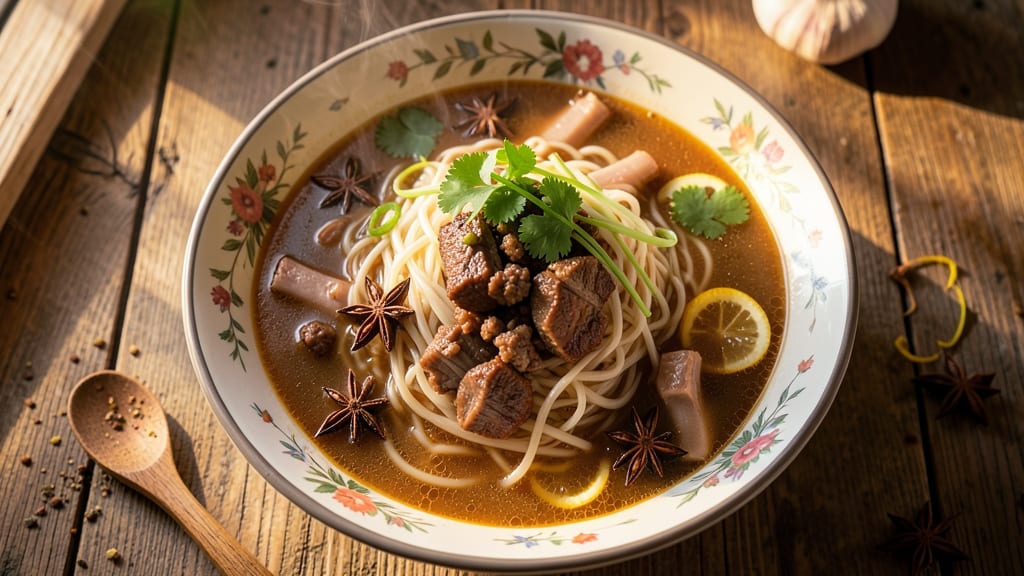
This minced pork noodle soup brings comfort in every steaming bowl—rich, aromatic broth infused with ginger and star anise, tender rice noodles, and finely ground pork that melts on the tongue.
I developed this recipe after years of perfecting the balance between savory broth and delicate noodles, inspired by my time apprenticing under Master Chef Chen, where we cooked pork daily.
The secret lies in slow-simmering the broth to extract deep umami flavors while keeping the pork finely minced for maximum tenderness.
The foundation of this soup is a foolproof broth made with pork bones, ginger, and star anise—simmered low and slow for hours to develop a silky, deeply flavorful base. Meanwhile, the pork is ground to a fine consistency, ensuring it cooks quickly and evenly in the hot broth.
Rice noodles are added last to maintain their silky texture, absorbing just enough of the rich broth to become tender without turning mushy.
What you’ll end up with is a restaurant-quality bowl of soup—warm, fragrant, and packed with layers of flavor. The broth is savory yet balanced, the noodles silky and satisfying, and the pork so finely minced it practically dissolves.
This recipe delivers on both tradition and convenience, making it perfect for weeknight dinners or cozy gatherings.
Serve with fresh herbs like cilantro or Thai basil, a squeeze of lime, and a sprinkle of chili flakes for brightness. The leftovers reheat beautifully, making it ideal for meal prep. Here’s how to make it—step by step, just like I’ve taught my team at The Smoky Pig.
Ingredients for minced pork noodle soup
Rich broth, tender noodles, and finely minced pork create the perfect comforting bowl.
| Ingredient | Amount | Notes |
|---|---|---|
| Pork Shoulder 🥩 | 1 ½ lb | Finely ground for texture |
| Pork Bones 🦴 | 2 cups | For rich broth base |
| Fresh Ginger 🧄 | 2 tbsp | Minced, aromatic foundation |
| Star Anise Pods 🌟 | 2 whole | Whole pods for infusion |
| Garlic Cloves 🧄 | 6 cloves | Minced for depth of flavor |
| Rice Noodles 🍜 | 8 oz | Flat, medium-width preferred |
| Green Onions 🧅 | 4 whole | Sliced for garnish |
| Fresh Cilantro 🌿 | ¼ cup | Chopped, optional garnish |
| Fish Sauce 💧 | 1 tbsp | For umami balance |
| Soy Sauce 🍶 | 1 tbsp | Light or dark preferred |
| Sesame Oil 🫒 | 1 tsp | Toasted for aroma |
| Lime 🍋 | 1 whole | Juiced for brightness |
| Red Chili Flakes 🌶️ | ½ tsp | Adjust to taste |
| Water 💧 | 6 cups | For broth base |
| Salt 🧂 | 1 tsp | Kosher preferred |
The pork shoulder is key—ask your butcher to grind it extra fine for that signature texture. Whole pork bones from the butcher section (not the pre-packaged kind) give the broth depth. I always grab mine from Whole Foods or a local Asian market—they carry better quality. Star anise and ginger are non-negotiable; fresh ginger (not powdered) makes all the difference. If you can't find whole star anise, ground works at half the amount, but the flavor won't be as complex.
No fish sauce? Soy sauce plus a dash of oyster sauce gets you close. The rice noodles should be flat and medium-width—the kind used in pho. If you can't find them, egg noodles work in a pinch, but they won't be as authentic. Fresh herbs like cilantro and Thai basil? Use whatever you've got—even parsley adds brightness. The lime is for serving, but if you want to add it earlier, reduce the amount by half since it'll cook off. And for the love of soup, toast your sesame oil in a dry pan for 30 seconds before adding to the broth—it adds a nutty aroma that's worth the extra minute.
Broth keeps 4-5 days in the fridge and freezes beautifully for 3 months. I always make a double batch—one for dinner, one for lunch the next day. Store it in glass jars with a tight lid to preserve flavor. The noodles cook in 3 minutes, so don't add them until the very end. Garnish with green onions, cilantro, lime, and chili flakes right before serving—that's when the magic happens. Leftovers? Reheat gently on the stove with a splash of water to keep them silky.
Why You'll Love This Recipe
- Pork Bones Do the Work: The pork bones simmer down into a rich, velvety broth with almost no effort from me—just toss them in cold, walk away, and let the magic happen. Honestly, that deep umami flavor? It’s the secret weapon here, and it turns a simple pot of water into something restaurant-worthy.
- Ginger-Garlic Punch: That fresh ginger and crushed star anise? Oh boy. The garlic cloves sizzle just enough to wake up the pork shoulder, while the ginger adds a bright, zesty kick that cuts through the richness. It’s the kind of balance that makes you want to slurp the noodles faster than your kids do with mac and cheese.
- Leftovers That Don’t Suck: This soup actually improves the next day—yes, really. The flavors meld even more, and the broth gets even richer, so I always make extra. Between us, it’s my go-to for lazy lunches or when I need to feed a crowd without stressing.
- Budget-Friendly Comfort: Pork shoulder and bones are affordable, and a single batch stretches for days. I’ll be real: it’s the kind of meal that makes me feel like I’m treating myself, even when I’m just wearing pajamas and watching reruns. Plus, the star anise pods? You can reuse them in other dishes—zero waste.
Step-by-step instructions for minced pork noodle soup
Here's how to build a rich, aromatic broth with perfectly tender pork and silky noodles.
Prepare the Aromatics and Pork
Start by mincing the 1.5 lb pork shoulder into small, even pieces using a sharp knife or food processor. This texture ensures the pork cooks quickly and blends seamlessly into the broth. In a large pot, combine the 2 cups pork bones, 1.5 lb minced pork shoulder, 2 tbsp minced fresh ginger, 2 whole star anise pods, and 6 minced garlic cloves. The star anise and ginger will infuse the broth with deep, warming flavors.
Add the 6 cups water and bring to a boil over medium-high heat. Once boiling, reduce heat to medium-low and let it simmer uncovered for 45 minutes. Skim off any foam that rises to the surface during the first 15 minutes—this ensures a clear, clean broth. The pork bones will break down, releasing rich collagen that thickens the broth naturally.
Build the Broth and Season
After 45 minutes, strain the broth through a fine-mesh sieve into a clean pot, pressing gently on the solids to extract all the flavor. Discard the solids. Return the strained broth to the pot and add 1 tbsp fish sauce, 1 tbsp soy sauce, 1 tsp salt, and 0.5 tsp red chili flakes. Stir well to combine. The fish sauce adds umami depth, while the soy sauce balances the broth with a touch of saltiness.
Taste the broth and adjust seasoning if needed—you want it to be savory but not overly salty. Return the broth to a gentle simmer over medium-low heat. Keep it warm while you prepare the noodles. This step is where the magic happens—the broth should now be fragrant, slightly spicy, and deeply flavorful.
Cook the Rice Noodles
While the broth simmers, prepare the 8 oz rice noodles according to package instructions. Typically, this means soaking them in hot water for 5-7 minutes until they are pliable and translucent. Drain the noodles and rinse briefly under cold water to stop the cooking process. This prevents them from becoming mushy when added to the hot broth.
Divide the cooked noodles evenly among 4 bowls. Ladle the hot broth over the noodles, ensuring each serving gets a generous portion. The noodles will finish cooking in the broth, absorbing its rich flavors. Here's the thing—don't overcrowd the bowls. You want room for the minced pork to settle on top and infuse the noodles with its savory essence.
Finish and Serve
Return the pot of broth to a gentle simmer. Heat 1 tsp sesame oil in a small pan over low heat until fragrant—this adds a nutty aroma that elevates the dish. Pour the toasted sesame oil over the bowls of noodles. Squeeze the juice from the 1 whole lime over each serving and garnish with 4 sliced green onions and 0.25 cup chopped fresh cilantro. The lime brightens the dish, cutting through the richness of the broth.
Serve immediately while the noodles are still hot and the broth is steaming. Each spoonful should deliver a harmonious blend of tender pork, silky noodles, and a broth that's rich yet balanced. The red chili flakes add a subtle heat, while the fresh herbs and lime juice bring a refreshing contrast. This is the moment that matters—where all the flavors come together in one perfect bite.
Pro Tips For Making Minced Pork Noodle Soup
- Char the Bones First: Blister the pork bones in a dry pot over medium-high heat for 5-7 minutes until they turn deep brown. I learned this the hard way—skipping this step means your broth will taste flat and underdeveloped, no matter how long you simmer.
- Slice Ginger Thinly: Use a mandoline or sharp knife to cut ginger into paper-thin slices, not matchsticks. Thin ginger infuses flavor without overpowering, and it dissolves cleanly into the broth instead of leaving chewy bits.
- Don’t Rush the Pork Shoulder: Cook the minced pork shoulder until it reaches at least 165°F (74°C) internally—even if it looks done earlier. Undercooked pork turns mushy when it hits the hot broth, and no one wants that.
- Toast Star Anise: Lightly toast the star anise pods in a dry pan for 30 seconds until fragrant before adding them to the broth. This step deepens their aroma and prevents bitterness, making the soup smell like a proper home-cooked meal.
Wine and beer pairings for this minced pork noodle soup
Light White Wine
For this delicate yet deeply flavorful soup, I reach for a crisp Sauvignon Blanc from New Zealand or a Dry Riesling from Germany. The bright acidity and citrus notes in these wines cut through the richness of the pork broth while complementing the subtle heat from the chili flakes.
A glass of Cloudy Bay Sauvignon Blanc (from Marlborough) is my go-to—its zesty lime and green apple flavors mirror the lime garnish in the soup. Serve it slightly chilled to enhance its refreshing qualities. 🍷
Crisp Lager Beer
A Pilsner-style lager like Sapporo or Heineken works beautifully with this soup. The clean, crisp profile of these beers balances the umami depth of the broth without overpowering it. The subtle malt sweetness also pairs well with the savory pork and rice noodles.
For a local twist, I often recommend Atlanta's Southern Tier Brewing Co. Pilsner—it's got that same refreshing crunch. 🍺
Asian-Inspired Sake
If you're feeling adventurous, try pairing your soup with a dry Junmai sake like Dassai 23. The nutty, slightly sweet notes of sake enhance the sesame oil and star anise flavors in the broth.
I like to serve it slightly warmed (around 110°F) to bring out its aromatic qualities. For a more affordable option, Kubota Junmai is a solid choice. The sake's clean finish cleanses the palate between spoonfuls, making each bite feel fresh. 🍶
Herbal Tea Pairing
For a non-alcoholic option, I love serving this soup with jasmine green tea or pu-erh tea. The floral notes of jasmine tea complement the ginger and star anise in the broth, while the earthy depth of pu-erh pairs wonderfully with the pork's richness.
Brew the tea just before serving to maintain its freshness. A warm cup of tea adds a soothing contrast to the hot soup, making it perfect for cozy evenings. ☕
Spiced Wine Cocktail
For a festive touch, mix up a mulled wine with star anise, cinnamon, and a splash of orange juice. The warm spices echo the flavors in the soup while the acidity from the orange juice brightens the dish.
I like to heat Cabernet Sauvignon with a pinch of Penzeys Spices mulled spice blend and serve it in small mugs. The combination of the spiced wine and the soup creates a harmonious, warming experience. 🍷✨
Nutrition facts
Frequently asked questions
Can I use ground pork instead of minced pork shoulder?
Pre-ground pork works perfectly—just make sure it's finely minced (not coarse). For extra tenderness, pulse it in a food processor for 10-15 seconds before cooking. The key is even, tiny pieces that cook quickly in the hot broth. Pro tip: Pat the pork dry first to remove excess moisture, which helps it brown better.
How do I make this soup vegetarian?
Replace the pork with 1 lb finely chopped mushrooms (shiitake or oyster work best) and 2 tbsp soy sauce for umami. Add 1 tsp mushroom powder to the broth for depth. For protein, stir in 1 cup cooked lentils or 1 block firm tofu (pressed and cubed) at the end. The broth will still be rich, just plant-powered!
Why does my broth turn cloudy?
Cloudiness usually means unskimmed impurities or under-simmered bones. Always skim foam during the first 15 minutes of simmering, and cook bones for the full 45 minutes. For extra clarity, strain the broth through a cheesecloth-lined sieve after simmering. If it's still cloudy, add 1 egg white to the broth (don't let it cook) before straining—it binds particles for a silky result.
Can I make this soup in an Instant Pot?
Yes! Use the Sauté function to brown the pork and aromatics, then add 6 cups water and pressure cook on High for 30 minutes. Release pressure naturally, then strain and proceed with the recipe. For extra richness, add 1 cup extra pork bones. The Instant Pot cuts cooking time to 45 minutes total—perfect for busy weeknights!
What if I don't have star anise?
Use ½ tsp ground star anise or substitute with ¼ tsp each of ground cinnamon and cloves. For a different flavor profile, try 1 bay leaf + 2 black peppercorns. The broth will still be aromatic, though the warmth from star anise is unique. If you're missing it entirely, focus on extra ginger and garlic to compensate for the depth.