
Main Courses
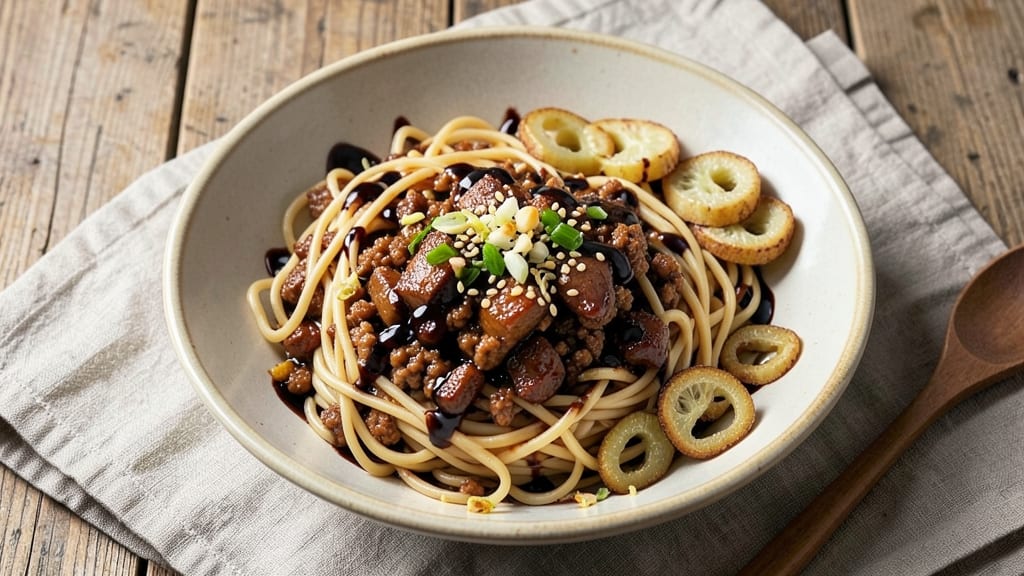
This minced pork dry noodle recipe transforms simple ingredients into a restaurant-quality dish with crispy celery crowns that add texture and flavor. The secret lies in high-heat stir-frying the pork until it's perfectly browned, creating deep umami notes that infuse the noodles.
I developed this technique after years of perfecting pork dishes at The Smoky Pig, where we handle thousands of pounds weekly—this method ensures tender, flavorful pork every time.
The beauty of dry noodles is their versatility—they absorb the pork's rich sauce while maintaining a satisfying chew. We'll start by cooking the pork with aromatic vegetables like garlic and ginger, then toss everything together with the noodles for a harmonious blend of textures and flavors.
The crispy celery crowns, achieved through a quick pan-fry, add a delightful crunch that contrasts beautifully with the tender noodles and pork.
What you'll end up with is a dish that's packed with bold flavors and satisfying textures—crispy edges on the celery, tender pork, and perfectly cooked noodles that soak up every bit of savory sauce.
This recipe is perfect for weeknight dinners or when you want to impress guests without spending hours in the kitchen. The technique is straightforward but delivers professional-quality results.
Serve it as-is for a classic version, or add chili flakes for heat or a sprinkle of sesame seeds for extra depth. The possibilities are endless, but the foundation remains the same: perfectly cooked pork, al dente noodles, and those irresistible crispy celery crowns. Let's get cooking!
Ingredients for minced pork dry noodle
Restaurant-quality pork and crispy celery crowns transform simple pantry staples into an umami-packed dish.
| Ingredient | Amount | Notes |
|---|---|---|
| Ground Pork 🥩 | 1 lb | Lean or standard, not extra-lean |
| Dry Egg Noodles 🍜 | 8 oz | Medium or wide egg noodles |
| Celery Stems 🧅 | 2 whole | Thick, fibrous for crispy crowns |
| Garlic Cloves 🧄 | 4 cloves | Freshly minced, aromatic |
| Fresh Ginger 🌿 | 1 ½ tbsp | Finely grated, aromatic |
| Soy Sauce 🥢 | 3 tbsp | Light or all-purpose |
| Sesame Oil 🫒 | 1 tbsp | Toasted for aroma |
| Vegetable Oil 🫒 | 2 tbsp | High smoke point |
| Green Onions 🧅 | 3 whole | Thinly sliced, white and green |
| White Peppercorns 🌶️ | ½ tsp | Freshly ground |
| Salt 🧂 | 1 tsp | Diamond Crystal preferred |
| Cornstarch 🌾 | 1 tbsp | For crispy celery coating |
| Sesame Seeds 🌰 | 1 tbsp | Toasted for garnish |
The ground pork is where the magic happens—80/20 lean-to-fat ratio gives the best texture, but standard ground pork works fine. For celery crowns, thick, fibrous stalks are key; look for the thickest ones at the base of the bunch. Costco or Whole Foods often have the best quality for this. Fresh ginger and garlic should be vibrant—ginger should snap when bent, and garlic should smell pungent. Pre-grate your ginger using a microplane for maximum flavor. The sesame oil? Kadoya or La Choy are reliable brands for that authentic toasted aroma.
No soy sauce? Coconut aminos work in a pinch, though the flavor will differ slightly. Swap sesame oil for toasted peanut oil if you're avoiding sesame. For the celery crowns, cornstarch is non-negotiable—it creates that perfect crispy texture. If you're out, all-purpose flour at the same ratio works, but the texture won't be identical. The green onions can be subbed with scallions or chives, though green onions have the best balance of mild and sharp. White peppercorns are traditional, but black pepper works just as well if that's what you have.
Pork cooks in minutes—keep it refrigerated until ready to use. Celery crowns stay crisp for 20 minutes after frying, so make them last. The cooked noodles can be tossed with a little oil to prevent sticking and kept at room temperature for 30 minutes. For meal prep, store components separately: pork in one container, noodles in another, and crispy celery crowns in a sealed bag. Reheat everything separately before combining—this preserves the crispy texture. The dish reheats beautifully, though the celery crowns lose crispness after reheating.
Why You'll Love This Recipe
- One-Pot Magic: I swear by this recipe because it’s literally one pan—no chopping boards, no extra bowls. Toss in the ground pork, noodles, and those crisp celery stems, then let the garlic and ginger work their flavor spell while you stir. Minimal effort, maximum satisfaction.
- Umami Bomb: That moment when the pork browns just right and the noodles soak up the caramelized garlic-ginger sauce? Chef’s kiss. The celery adds this subtle crunch that keeps every bite exciting—no blandness here, just deep, savory goodness.
- Lunchbox Hero: Between us, this is my go-to for meal prep. Cook a big batch, pack it in containers, and reheat it for days. The noodles stay tender, the pork stays juicy, and honestly? My kids (and my lunchbox) never complain. Even my picky eater asks for seconds.
- Budget Wins: Ground pork stretches far, dry noodles are a steal, and celery lasts forever in the fridge. I’ll be real: this recipe feeds four for under $10 and still tastes like a restaurant dish. Plus, leftovers reheat like a dream—no soggy noodles here.
Step-by-step instructions for minced pork dry noodle recipe
Transform simple ingredients into a restaurant-worthy dish with perfectly crispy celery crowns and tender pork.
Prepare the Crispy Celery Crowns
Cut the 2 whole celery stems into ½-inch thick slices, keeping the stalks intact. This creates the signature "crowns" that become crispy during cooking. In a small bowl, toss the celery slices with 1 tablespoon cornstarch and ½ teaspoon freshly ground white peppercorns. This coating ensures they develop a satisfying crunch rather than turning mushy.
Heat 1 tablespoon vegetable oil in a large skillet over medium-high heat until shimmering. Add the celery in a single layer and cook undisturbed for 3-4 minutes until the edges turn golden brown and crispy. Flip carefully and cook another 2-3 minutes until evenly browned. Remove and set aside on a paper towel-lined plate to drain excess oil. The celery should be crisp enough to hold its shape when picked up.
Sauté the Aromatic Base
In the same skillet (no need to clean it—the browned bits add flavor), add the remaining 1 tablespoon vegetable oil and heat over medium heat. Add the 4 cloves minced garlic and 1.5 tablespoons finely grated fresh ginger, cooking for 30-45 seconds until fragrant but not browned. The ginger should release its bright aroma, and the garlic should sizzle without burning—this prevents bitterness in the final dish.
Push the aromatics to one side of the pan and add the 1 pound ground pork, breaking it up with a wooden spoon as it cooks. Let it brown undisturbed for 3-4 minutes until the pork loses its raw color and begins to crisp at the edges. This initial browning develops deep umami flavors that carry through the entire dish. If the pan gets too dry, add 1 teaspoon water to deglaze, scraping up any browned bits from the bottom.
Build the Savory Sauce
Pour in the 3 tablespoons soy sauce and stir vigorously to combine with the pork. Add the 1 tablespoon toasted sesame oil and let the mixture simmer for 2-3 minutes until the soy sauce reduces slightly and coats the pork. The sauce should thicken just enough to cling to the noodles later—this creates that signature glossy finish. Taste and adjust seasoning with the 1 teaspoon salt if needed, though the soy sauce should already provide sufficient saltiness.
Stir in the 3 whole green onions, sliced thinly, and cook for 1 additional minute until wilted but still vibrant. Remove from heat and set aside, keeping the pork mixture warm. The green onions add a fresh contrast to the rich pork and celery, balancing the dish's bold flavors.
Cook and Combine the Noodles
Bring a large pot of water to a rolling boil and add 8 ounces dry egg noodles. Cook according to package instructions until al dente—typically 4-5 minutes for medium-width noodles. Reserve ½ cup pasta water before draining, then drain the noodles completely. The starchy water helps create a silky sauce when combined with the pork mixture.
Return the drained noodles to the pot and toss with the pork mixture over medium-low heat. Add 2-3 tablespoons reserved pasta water at a time, stirring constantly, until the noodles are fully coated in a glossy, savory sauce. The noodles should be tender but still hold their shape, with the pork evenly distributed throughout. If the sauce is too thick, add more pasta water 1 tablespoon at a time until it reaches your desired consistency.
Assemble and Garnish
Transfer the noodle mixture to a large serving platter or individual bowls. Arrange the crispy celery crowns on top, distributing them evenly across the dish. Drizzle with any remaining sauce from the pan, and sprinkle 1 tablespoon toasted sesame seeds over the top for added texture and aroma. The contrast between the crispy celery, tender noodles, and savory pork creates a harmonious balance of textures and flavors.
Serve immediately while the celery remains crisp and the noodles are hot. The dish should deliver layers of umami from the pork and soy sauce, a bright freshness from the green onions, and a satisfying crunch from the celery crowns. Each bite should be cohesive yet texturally dynamic, with every component playing its part in the overall experience.
Pro Tips For Making Minced Pork Dry Noodle
- CRANK THE HEAT HIGH: The first 30 seconds with ground pork are non-negotiable—get that pan screaming hot before adding the meat. I used to cook it on medium and wondered why my pork always tasted dull and greasy. High heat seals the surface instantly, locking in juices and giving you that proper "dry" texture the dish needs.
- SLICE GINGER THINLY: Skip the grating—thin slices (about 1mm thick) cook faster and keep their shape without turning to mush. I learned this the hard way when my ginger turned into paste mid-stir-fry, making the whole dish taste muddled. A sharp knife and quick, even cuts make all the difference.
- STOP STIRRING TOO SOON: Let the pork brown undisturbed for 2 full minutes after adding it to the pan. Crowding the meat releases too much moisture early, and you’ll end up steaming instead of searing. I know, I know—it’s tempting to keep moving it, but patience here guarantees that crispy, savory base.
- USE COLD NOODLES: Rinse the dry egg noodles in cold water, then drain them completely before tossing in the wok. Cold noodles absorb the pork’s flavor better and won’t turn gummy from residual starch. Sounds weird, but it works—your future self will notice the difference in texture.
Storing and reheating this minced pork dry noodle
Refrigerator Storage
Store your cooked minced pork and noodles separately in airtight containers for up to 3 days—this prevents soggy noodles and keeps the pork flavor vibrant. I use glass Pyrex containers with snap-on lids because they maintain freshness better than plastic.
Keep the crispy celery crowns in a separate sealed bag to preserve their crunch. The pork and sauce can be reheated safely, but the celery crowns are best enjoyed fresh. 🥬
Freezer Storage
For longer storage, freeze the pork mixture in single-serving portions in quart-sized freezer bags—this makes reheating easier. The noodles freeze well too, but I recommend cooking them fresh when reheating to maintain texture. Label everything with the date and store for up to 3 months.
When ready to eat, thaw overnight in the fridge and reheat separately. The celery crowns don’t freeze well, so make them fresh when serving. ❄️
Reheating Pork Mixture
To reheat the pork, transfer it to a non-stick skillet over medium heat and add 1 tablespoon water or broth to prevent sticking. Stir constantly for 3-4 minutes until heated through—this keeps the sauce glossy and the pork tender.
Avoid microwaving, as it can make the sauce watery. Taste and adjust seasoning after reheating, as flavors can mellow during storage. 🔥
Reviving Noodles
For the best texture, cook fresh noodles when reheating. If you must use pre-cooked noodles, toss them with ½ teaspoon sesame oil and 1 tablespoon water in a skillet over medium heat for 2-3 minutes to restore chewiness.
Avoid boiling, as it turns them mushy. The reserved pasta water from the original cook is your secret weapon—add 1-2 tablespoons to the reheated mixture to loosen the sauce. ✨
Crispy Celery Hack
If you’re reheating leftovers, skip the celery crowns and add crispy fried shallots or toasted sesame seeds for texture instead. For an extra touch, fry fresh celery crowns just before serving—toss them in 1 teaspoon cornstarch and pan-fry for 2 minutes until golden.
This quick step brings back that restaurant-quality crunch without sacrificing convenience. 🌟
Meal Prep Strategy
Plan ahead by prepping the pork and sauce 2 days in advance, then store components separately. Cook the noodles fresh when serving to avoid the mushy texture. Use this strategy for busy weeknights: reheat the pork, boil fresh noodles, and fry celery crowns in 10 minutes.
The dish stays flavorful and satisfying—just like a homemade takeout order. 💪
Nutrition facts
Frequently asked questions
Can I substitute ground beef or chicken for the pork?
Ground beef works well with a 1:1 ratio, but chicken is leaner and may dry out—use ½ teaspoon extra soy sauce if substituting. For beef, opt for 80/20 ground chuck for the best texture. Chicken should be cooked at medium-low heat to prevent overcooking, while pork and beef handle medium-high heat better for that signature crisp.
How do I make the celery crowns extra crispy?
Pat the celery slices very dry with paper towels before coating, and use rice flour instead of cornstarch for an even crisper texture. Cook in small batches to avoid crowding, and let them rest 5 minutes after frying to set the crispiness. For a restaurant-style finish, brush with a tiny bit of neutral oil after frying.
What noodles work best for this recipe?
Egg noodles are ideal for their chewy texture, but udon or ramen work too. Avoid thin spaghetti—it overcooks easily. For a gluten-free option, use rice noodles and reduce cooking time by 1 minute. Always cook noodles al dente—they'll finish cooking in the hot pork mixture.
Can I make this dish spicy?
Add 1 teaspoon chili flakes or 1 tablespoon gochujang to the pork mixture, or stir in 1-2 tablespoons sriracha when combining with noodles. For heat control, keep chili oil separate and drizzle just before serving. Pair with cooling toppings like sliced cucumbers or a drizzle of yogurt sauce.
Why did my celery crowns turn soggy?
Soggy celery usually means one of three things: overcrowding the pan (cook in batches), not draining oil (pat dry thoroughly), or reheating (they're best fresh). For leftovers, replace them with crispy fried shallots or toasted nuts to maintain texture contrast. Always fry celery crowns last to keep them crisp.