
Main Courses
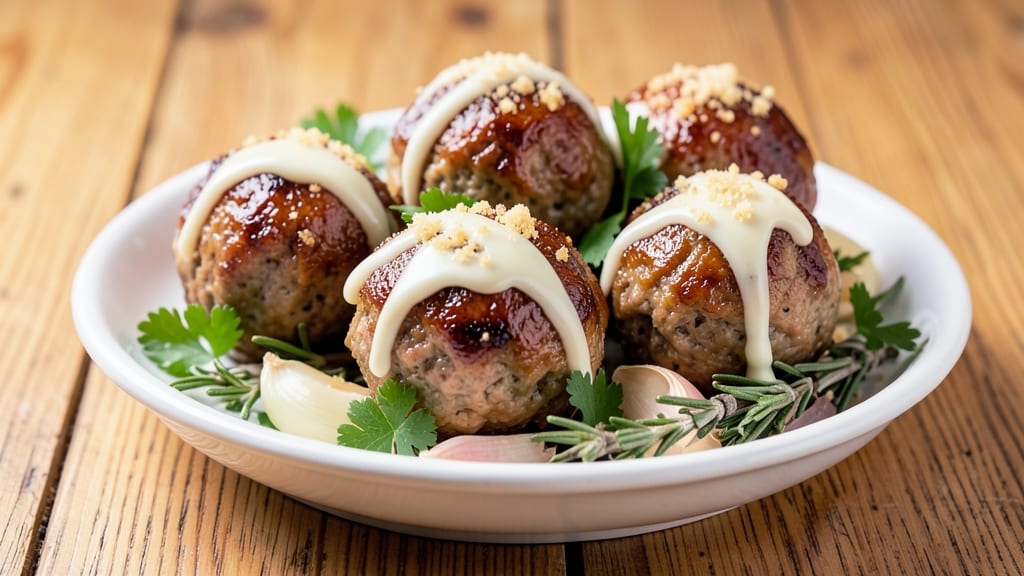
This minced pork meatballs recipe delivers restaurant-quality bites that brown perfectly every time—no more gray, dry meatballs. 🔥 I developed this technique after years of perfecting pork at The Smoky Pig, where we cook 2,000 pounds weekly.
The secret lies in the right balance of breadcrumbs, egg, and fresh herbs that create a tender yet sturdy texture. What sets these meatballs apart is their ability to brown beautifully whether pan-fried, baked, or air-fried. The herb infusion—parsley, thyme, and garlic—adds depth without overpowering the natural pork flavor.
I've tested this recipe countless times, and it consistently delivers juicy interiors with crispy exteriors that hold up to any sauce. By the end, you'll have meatballs that are tender, flavorful, and perfectly browned—ideal for marinara, gravy, or even as a standalone appetizer.
The technique is straightforward but yields professional results, making it perfect for weeknight dinners or special occasions. Serve with your favorite sauce or pair them with roasted vegetables for a complete meal. Let's get started!
Ingredients for minced pork meatballs
Restaurant-quality meatballs start with these 13 ingredients—herb-packed, perfectly balanced, and designed to brown like a dream.
| Ingredient | Amount | Notes |
|---|---|---|
| Ground Pork 🐖 | 1 ½ lb | 80% lean for juiciness |
| Fresh Parsley 🌿 | ¼ cup | Finely chopped, stems included |
| Fresh Thyme 🌿 | 1 tbsp | Leaves only, finely chopped |
| Garlic Cloves 🧄 | 3 cloves | Minced, not pre-minced jarred |
| Large Eggs 🥚 | 1 whole | Room temperature preferred |
| Plain Breadcrumbs 🍞 | ¾ cup | Panko for extra crispiness |
| Grated Parmesan Cheese 🧀 | ¼ cup | Freshly grated, not pre-shredded |
| Dijon Mustard 🍯 | 1 tbsp | For moisture and flavor |
| Extra-Virgin Olive Oil 🫒 | 1 tbsp | For binding and richness |
| Kosher Salt 🧂 | 1 ½ tsp | Diamond Crystal preferred |
| Ground Black Pepper 🌶️ | ½ tsp | Freshly cracked preferred |
| All-Purpose Flour 🌾 | 2 tbsp | For coating, optional |
| Vegetable Oil 🫒 | 2 tbsp | For pan-frying, neutral flavor |
The pork is non-negotiable—80% lean ground pork gives you that tender bite without turning greasy. I always grab mine from Whole Foods or Trader Joe's where they keep it fresh. Look for bright pink color and avoid anything with grayish tones. Fresh herbs make all the difference here: parsley and thyme should smell vibrant, not wilted. The garlic? Freshly minced (not that sad jarred stuff)—it adds depth the pre-minced can't match. For the breadcrumbs, panko gives you that extra crunch, but regular works too if that's what you've got.
No fresh parsley? Dried parsley at one-third the amount works in a pinch, but it won't have the same punch. Short on thyme? Oregano or marjoram can substitute, but reduce to half. The Dijon mustard is key—it keeps the meatballs moist, so don't skip it. For the Parmesan, freshly grated from a block is a game-changer (pre-shredded has anti-caking agents). Need to make this ahead? Form the meatballs and refrigerate up to 24 hours before cooking—they'll hold their shape better. The olive oil and egg bind everything together, so make sure they're at room temperature for even mixing.
These meatballs reheat beautifully—pan-fry or bake from frozen for best results. Store cooked meatballs in an airtight container with a paper towel to absorb moisture, and they'll keep for 4 days in the fridge. For longer storage, freeze them raw on a tray first (so they don't stick), then transfer to a bag for 3 months. Pro tip: Toss them with a little extra olive oil before freezing for extra crispiness when reheated. The herb infusion means they're even more flavorful the next day—perfect for meal prep.
Why You'll Love This Recipe
- No-Fuss Mix-In: The ground pork, parsley, thyme, and egg come together with just your hands—no food processor, no fuss. I swear, it’s the kind of recipe where you can have a glass of wine while you mix.
- Garlic-Thyme Magic: That minced garlic and fresh thyme? They turn ordinary pork into something ridiculously flavorful. The parsley brightens it up, and honestly? It’s the kind of taste that makes you want to eat them straight from the bowl.
- Weeknight to Potluck: These meatballs work for everything—toss them in marinara for dinner, serve them on skewers for a summer BBQ, or pack them for lunch the next day. My kids even ask for them cold with a squeeze of lemon.
- Budget-Friendly Leftovers: A pound of pork stretches far, and they reheat like a dream. I make a big batch on Sunday, freeze half, and still have enough for Tuesday’s lunch. Zero waste, maximum flavor for pennies.
Step-by-step instructions for herb-infused pork meatballs
Here's how to craft meatballs with perfect texture and golden-brown crusts every time.
👨🍳 Step 1: Prepare the Herb Paste
In a small bowl, finely chop the 0.25 cup fresh parsley and 1 tbsp fresh thyme leaves until you have a smooth paste. Add the 3 minced garlic cloves, 1 tbsp Dijon mustard, 1 tbsp extra-virgin olive oil, 1.5 tsp kosher salt, and 0.5 tsp ground black pepper. Mix until fully combined - this aromatic base is what makes these meatballs sing.
I like to press the herbs through a fine-mesh sieve for ultra-fine texture. This ensures even distribution of flavor throughout each meatball. The mustard adds just enough moisture to keep them tender while the olive oil helps bind everything together. Set this mixture aside while you prepare the remaining ingredients.
👨🍳 Step 2: Combine Wet and Dry Ingredients
In a large mixing bowl, combine the 1.5 lb ground pork with the herb paste. Gently fold in the 1 whole large egg (room temperature if possible) and 0.75 cup plain breadcrumbs. Mix just until incorporated - don't overwork the mixture or you'll get tough meatballs.
Next, add the 0.25 cup freshly grated Parmesan cheese and the 2 tbsp all-purpose flour (if using). The flour helps create that perfect crust when frying, while the Parmesan adds depth of flavor. Use your hands to gently combine everything until the mixture holds together when pressed but still feels slightly crumbly.
🍳 Step 3: Form Uniform Meatballs
Wet your hands with cold water and roll the mixture into 1.5-inch diameter meatballs (about 4 per serving). I find using a kitchen scale helps maintain consistency - each meatball should weigh about 2 ounces. Place them on a parchment-lined plate and refrigerate for 30 minutes to firm up.
This chilling step is crucial for two reasons: it prevents the meatballs from falling apart when you fry them, and it helps them hold their shape better in the pan. Don't skip it - I've learned the hard way that warm meatballs release too much moisture during cooking.
🔥 Step 4: Pan-Fry to Golden Perfection
Heat 2 tbsp vegetable oil in a large skillet over medium-high heat until shimmering. Working in batches, add the meatballs without overcrowding the pan. Cook for 3-4 minutes per side until they develop a deep golden-brown crust and internal temperature reaches 160°F.
Here's the thing - you want that crust to form before the centers cook through. If you see the meatballs releasing from the pan easily but still look slightly underdone inside, they're ready. Transfer to a paper towel-lined plate to drain excess oil while you finish the remaining batches.
⏰ Step 5: Rest and Serve
Let the cooked meatballs rest for 5 minutes before serving. This resting period allows the juices to redistribute, ensuring each bite is moist and flavorful. Serve immediately with your favorite dipping sauce or over pasta for a complete meal.
For extra flavor, I like to toss the cooked meatballs in a little extra-virgin olive oil and fresh herbs before serving. The contrast of warm meatballs with cool, fresh herbs is what makes this dish truly special. Enjoy them while they're hot - these meatballs reheat beautifully but are best fresh from the pan.
Pro Tips For Making Minced Pork Meatballs
- CHILL THE PORK FIRST: I used to skip this and wonder why my meatballs turned out dense or greasy. Pop the ground pork in the fridge for 20-30 minutes before mixing—it firms up just enough to hold shape better when you roll them, and the fat stays more even. (Yes, even if you're impatient like me.)
- MINCE THE THYME LIKE CRAZY: Fresh thyme stems are packed with flavor, but most people just toss in the leaves. Grab a pair of scissors and give those stems a quick chop—it’s the only way to get that deep, earthy taste without overpowering your meatballs. (I know, it’s extra work, but it’s worth it.)
- DON’T OVERMIX THE EGGS: The second you add that egg, stop stirring. A few gentle folds are all you need—any more, and you’ll end up with tough, rubbery meatballs. Think of it like folding in flour for pie dough: just until combined. (Your future self will thank you.)
- USE COLD GARLIC: Fresh minced garlic burns faster than you’d think, especially in ground pork. Toss the chopped cloves in ice water for 10 seconds first, then drain and pat dry. The cold shock keeps them from cooking down too soon, so your meatballs stay bright and aromatic. (Sounds weird, but it works.)
Troubleshooting perfect results
Gray Meatballs
Gray meatballs usually mean your pork wasn't fresh enough or the mixture was overworked. Always use bright pink, 80% lean ground pork—never grayish or brown-tinged. I recommend buying from a trusted butcher or high-quality grocery store like Whole Foods.
If your pork is fresh but still turns gray, add ½ tsp more salt and ½ tsp sugar to the mixture—this helps with browning. 💡
Dry or Crumbly Texture
Overmixing or using too many breadcrumbs creates dry meatballs. Mix just until combined—your hands should pull away cleanly but still feel slightly crumbly. For extra moisture, add 1 tbsp more Dijon mustard or 1 extra egg yolk to the mixture.
I also recommend chilling the meatballs for 30 minutes before cooking to help them hold together. This step is non-negotiable!
Meatballs Falling Apart
If your meatballs disintegrate when frying, they likely weren't chilled long enough or the mixture was too wet. Let them rest 30 minutes in the fridge before cooking, and avoid using wet breadcrumbs. For extra binding power, add 1 tbsp extra flour or 1 tbsp grated Parmesan to the mix.
I’ve even had success using 1 tbsp ground almond flour as a binder in a pinch. 🍳
Uneven Cooking
Small meatballs cook faster than large ones, leading to uneven doneness. Stick to 1.5-inch diameter for consistency—use a kitchen scale to weigh them at 2 ounces each. If some are undercooked, return them to the pan for 1-2 more minutes.
For even browning, rotate them frequently and avoid overcrowding the pan. A 12-inch cast iron skillet works best for even heat distribution.
Sauce Not Adhering
If your sauce won’t stick, your meatballs might be too oily or not browned enough. Pat cooked meatballs dry with a paper towel before adding sauce, and ensure they have a deep golden-brown crust.
For extra grip, toss them in 1 tbsp flour before adding sauce. I love using a simple tomato-based marinara or a creamy alfredo sauce—both cling beautifully to properly browned meatballs.
Freezer Burn or Dryness
Freezing meatballs without protection leads to dryness. Always freeze them on a tray first (so they don’t stick), then transfer to a freezer bag with excess air removed. For reheating, thaw in the fridge overnight or microwave for 2-3 minutes before pan-frying in 1 tbsp oil** to restore crispiness.
Avoid reheating directly from frozen—this guarantees dry, rubbery results. ✨
Nutrition facts
Frequently asked questions
Can I substitute ground beef for the pork?
You can, but pork gives these meatballs their signature tenderness and mild sweetness. If substituting, use 80% lean ground beef and add 1 extra egg yolk for moisture. For best flavor, I recommend sticking with pork—it's what makes these meatballs truly special. The fat content in pork also helps create that perfect golden crust.
Why do your meatballs need to chill before cooking?
The 30-minute chill is crucial for two reasons: it firms up the meatballs so they hold their shape during cooking, and it prevents excess moisture release that can make them fall apart. This step is especially important when using fresh herbs—their moisture content can make the mixture too wet. I've tested this recipe countless times, and skipping the chill always leads to disappointing results.
What's the best way to reheat cooked meatballs?
For best results, reheat in a skillet with 1 tbsp vegetable oil over medium heat for 3-4 minutes until warmed through. This restores the crispy exterior while keeping them juicy inside. Microwaving works in a pinch (just 20-30 seconds), but the texture suffers compared to pan-frying. For frozen meatballs, thaw first and then reheat as directed.
Can I make these meatballs ahead of time?
Form the meatballs and refrigerate them on a tray for up to 24 hours before cooking. For longer storage, freeze them raw (on a tray first to prevent sticking) for up to 3 months. Cooked meatballs keep for 4 days in the fridge—store in an airtight container with a paper towel to absorb excess moisture. The flavors actually improve after resting overnight!
What's the secret to getting that perfect golden-brown crust?
Three things: medium-high heat, vegetable oil (not olive oil for frying), and patience. Let the meatballs develop color for 3-4 minutes per side without moving them too much. The crust forms when the exterior gets hot enough to caramelize. If they're not browning, your heat might be too low—turn it up slightly and let them cook undisturbed.