
Main Courses
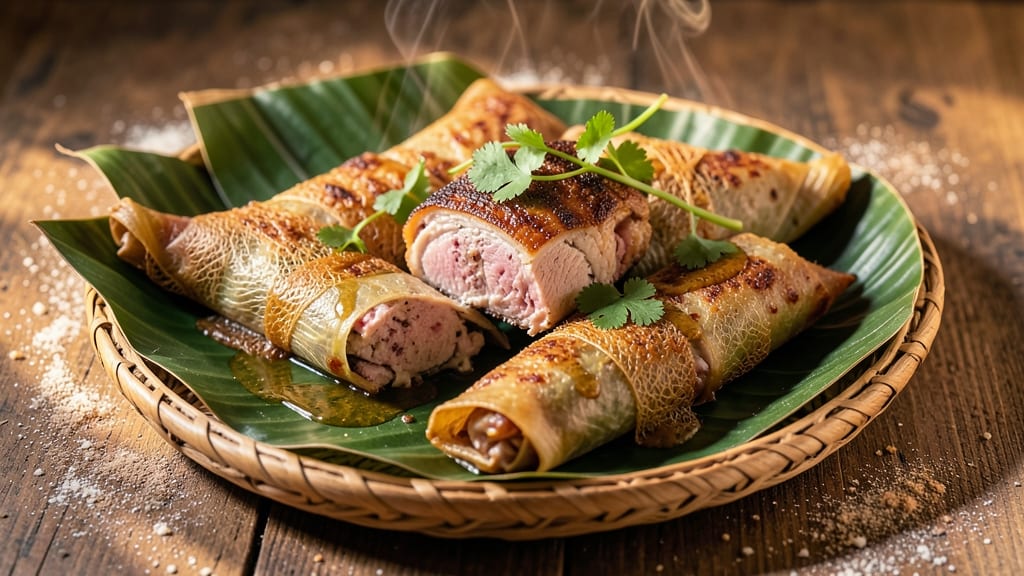
This mild pork tamales recipe brings comforting, herby flavors to your table with perfectly tender meat and steam-softened masa. 🌟 As someone who’s spent years perfecting pork dishes, I’ve learned that slow-cooked pork shoulder—seasoned just enough with cumin, garlic, and a whisper of chili—creates filling that’s rich without being overpowering.
The key lies in the balance: letting the spices meld while keeping the heat gentle, so every bite delivers that familiar, homey taste of family gatherings.
The masa dough, made with lard for authentic richness (or vegetable oil for a lighter version), wraps around the pork in tender layers. What sets this recipe apart is the steaming technique—using banana leaves or corn husks to trap moisture and create that signature flaky texture.
It’s a process that takes patience, but the result is worth every minute: tamales that stay moist for hours, with a delicate crust that gives way to creamy filling.
By the time you’re done, you’ll have a dish that’s both traditional and approachable—ideal for celebrations or weeknight dinners. The pork stays juicy, the masa holds its shape, and the aroma of steaming tamales will fill your kitchen with warmth.
Serve with salsa verde, crema, or avocado for a meal that feels like a hug in food form.
Whether you’re making them for a crowd or just craving comfort food, this recipe delivers restaurant-quality results at home. The secret? Slow cooking the pork until it’s fall-apart tender, then wrapping it carefully in masa before steaming to perfection. Let’s get started—your taste buds will thank you.
Ingredients for mild pork tamales
Pork shoulder, masa harina, and warm spices—everything you need for tender, herby tamales that feel like home.
| Ingredient | Amount | Notes |
|---|---|---|
| Pork Shoulder 🥩 | 4 lb | Bone-in for best flavor |
| Banana Leaves 🌿 | 12 whole | Fresh or frozen, thawed |
| Corn Husks 🌽 | 24 pieces | Dried, soaked in warm water |
| Masa Harina 🌾 | 6 cups | Maseca or similar brand |
| Lard 🧈 | 1 cup | For authentic richness |
| Vegetable Oil 🫒 | ½ cup | Lighter alternative to lard |
| Chicken Broth 💧 | 2 cups | Low-sodium preferred |
| Ground Cumin 🌿 | 2 tbsp | Toasted for deeper flavor |
| Garlic Cloves 🧄 | 6 cloves | Peeled, minced fine |
| Dried Oregano 🍃 | 1 tbsp | Mexican oregano preferred |
| Ground Chili Powder 🌶️ | 1 tbsp | Mild, not hot |
| Salt 🧂 | 2 tsp | Kosher or sea salt |
| Black Pepper 🌶️ | ½ tsp | Freshly ground |
| Cinnamon Stick 🌳 | 1 whole | Optional, for warmth |
| Bay Leaves 🌿 | 2 whole | For subtle depth |
Pork shoulder is the star here—bone-in for flavor, but you can use boneless if that's what you've got. Costco or local butchers usually have it at a great price, and it's worth splurging on the best cut you can find. The masa harina? Maseca is the classic brand, but any corn masa flour will work. Just make sure it's labeled for tamales—some blends are too fine. For the lard, leaf lard is best (it's what traditional recipes use), but regular lard or vegetable oil keeps things lighter if you're avoiding dairy.
No banana leaves? Corn husks work perfectly—just soak them in warm water for 30 minutes first. The spices are key: toast the cumin in a dry pan for 30 seconds before adding to bring out its flavor. For the chili powder, mild is crucial—this isn't a spicy tamale, so avoid anything labeled 'hot' or 'picante'. If you can't find Mexican oregano, regular dried oregano in a small jar from the Latin market will give you that authentic taste. The cinnamon and bay leaves are optional but add a lovely warmth—skip them if you're sensitive to strong flavors.
Tamales keep beautifully—3 days in the fridge or 2 months in the freezer. Store them wrapped in their leaves or husks, stacked in an airtight container. To reheat, steam for 10-15 minutes or microwave with a damp paper towel over them. I always make a double batch—one for dinner, one to freeze for lazy weeknights. The filling reheats even better the second time around, so don't hesitate to make extra.
Why You'll Love This Recipe
- No Fuss Assembly: I swear, the hardest part is boiling the husks—everything else is just folding. You mix the masa, stuff it in, and steam. That’s it. Even my toddler can help with the wrapping (mostly for giggles, but still).
- Pork Perfection: Slow-cooked pork shoulder melts in your mouth, and the lard keeps it juicy without overpowering. Honestly, the mild seasoning lets the meat shine—no spice wars, just pure, satisfying pork.
- Steam Ahead Prep: Make a double batch on Sunday, and you’ve got lunch for the week. They reheat beautifully, whether straight from the pot or microwaved. My freezer’s always stocked with these—because why cook twice?
- Budget-Friendly Feast: Pork shoulder stretches far, and corn husks are cheaper than takeout. Between us, this feeds six for under $15. That’s a win for my wallet and my taste buds. Plus, leftovers taste just as good the next day.
Step-by-step instructions for mild pork tamales
Let's turn simple ingredients into tender, flavorful tamales that steam to perfection.
👨🍳 Step 1: Prepare the Pork Filling
In a large Dutch oven, combine the 4 lb pork shoulder, 2 cups chicken broth, 1 whole cinnamon stick, and 2 whole bay leaves. Bring to a boil over medium-high heat, then reduce to a simmer. Cover and cook for 2 hours, turning occasionally, until the pork is fork-tender and easily shreds.
Once the pork is cooked, remove it from the broth and let it cool slightly. Shred the meat using two forks, discarding the cinnamon stick and bay leaves. In a separate bowl, mix the shredded pork with 2 tbsp ground cumin, 1 tbsp dried oregano, 1 tbsp ground chili powder, 2 tsp salt, and 0.5 tsp black pepper. Stir in the 6 cloves minced garlic and 0.5 cup vegetable oil until well combined. The filling should be moist but not soupy—this ensures the tamales stay tender.
🥘 Step 2: Soak and Prepare the Wrappings
While the pork cooks, prepare the 24 pieces corn husks by soaking them in a large bowl of warm water for 30 minutes. This softens them enough to wrap around the filling without tearing. Drain and set aside on a clean kitchen towel. If using 12 whole banana leaves, rinse them under cold water to remove any dirt, then soak in warm water for 15 minutes to make them pliable.
Here's the thing—banana leaves add a unique aroma and prevent sticking, but corn husks are more traditional. I like to use both for variety, but if you're short on time, corn husks alone work perfectly. Just make sure they're fully submerged in water during soaking—they should bend easily without cracking.
🍳 Step 3: Make the Masa Dough
In a large mixing bowl, combine 6 cups masa harina with 1 cup lard (or a mix of lard and vegetable oil if you prefer a lighter texture). Gradually add 1 cup of the reserved pork broth while mixing with your hands or a wooden spoon until the dough comes together. It should be soft and pliable, like playdough but slightly sticky. If it's too dry, add 1 tablespoon of broth at a time until it reaches the right consistency.
This dough is the heart of your tamales—don't rush this step. The masa should hold together when pressed but still be easy to shape. If you're using your hands, wet them slightly to prevent sticking. The dough should be cool enough to handle but not cold, so work quickly if it's straight from the fridge.
🥘 Step 4: Assemble and Steam the Tamales
Lay out a corn husk flat on your work surface with the pointed end facing you. Spread about ¼ cup of the pork filling in a line about 2 inches from the pointed end. Top the filling with a 1-inch thick layer of masa dough, leaving a 1-inch border around the edges. Fold the short sides of the husk inward, then fold the pointed end up like a package, tucking in the sides as you go. Repeat until all filling and dough are used.
Arrange the tamales seam-side down in a large steamer basket lined with banana leaves (if using). Pour 2 cups hot water into the bottom of the steamer, making sure it doesn't touch the tamales. Cover with a clean kitchen towel, then the lid, and steam over medium heat for 1 hour and 15 minutes. The tamales are done when the husks pull away easily and the masa is firm to the touch.
⏰ Step 5: Rest and Serve
Remove the tamales from the steamer and let them rest for 10 minutes before serving. This resting period allows the flavors to meld and the masa to set slightly, making them easier to handle. Serve warm with your favorite salsa, guacamole, or a simple lime crema. The pork should be tender and infused with the warm spices, while the masa remains soft and slightly sticky—just how tamales should be.
Real talk: these tamales taste even better the next day, so make a double batch if you can. Store leftovers in the fridge for up to 3 days or freeze them for 3 months. To reheat, steam for 10-15 minutes or microwave covered for 2 minutes—just add a splash of water to keep them moist.
Pro Tips For Making Mild Pork Tamales
- Boil Pork Low and Slow: Skip the high-heat rush—braise your pork shoulder at 275°F (135°C) for 4-5 hours until it falls apart. I used to crank the heat and ended up with dry, stringy meat that fell apart in the masa. The low temp keeps it juicy, and you’ll have tender shreds that melt in your mouth.
- Toast Masa Like Popcorn: Heat your masa harina in a dry skillet over medium-low for 2-3 minutes until it smells nutty and fragrant. This step makes a real difference—untosted masa tastes flat and gummy. Stir constantly or it’ll burn before it’s ready.
- Steam Tamales in Layers: Pack your tamales tightly in the steamer, but leave a 1-inch gap between layers. I learned this after my first batch turned out soggy in the middle. The gap lets steam circulate, so every bite is perfectly cooked—not mushy or underdone.
- Use Lard, Not Shortening: Lard gives tamales that rich, authentic flavor and tenderness—shortening just won’t cut it. Melt it into the masa with the broth, but don’t overdo it. About ¼ cup per pound of masa is plenty, or your filling will be greasy. (Yes, even if you’re skeptical.)
Common mistakes when making great mild pork tamales
Overcooked Pork
One of the biggest mistakes I see is overcooking the pork filling. When pork shoulder goes past 210°F internal temperature, it turns dry and stringy—no matter how much broth you add.
I’ve learned to pull it at 195°F for perfect tenderness. Use a meat thermometer and resist the urge to keep it cooking "just a little longer." 🥩
Dry Masa Dough
Skipping the broth in the masa dough is a recipe for disaster. The dough needs moisture to bind properly, and without it, you’ll end up with crumbly tamales that fall apart.
Start with 1 cup reserved pork broth and add more 1 tablespoon at a time until it’s pliable but not sticky. I’ve made this mistake too—trust me, the extra few minutes mixing is worth it. 🌾
Uneven Steaming
Placing tamales too close together in the steamer causes uneven cooking. The outer tamales steam faster, while the inner ones stay underdone. Arrange them with ½-inch gaps between each tamale. I like to use a banana leaf-lined basket for even heat distribution.
Also, keep the water in the steamer at a gentle simmer—boiling water creates steam bursts that can tear the husks. ⚡
Skipping the Rest
Tamales need that 10-minute rest after steaming to let the flavors meld and the masa set. Cutting into them too soon releases all the juices, leaving you with dry, crumbly results. This is especially true for the pork filling—resting helps it reabsorb moisture. Patience here makes all the difference. ⏳
Improper Wrapping
If the filling leaks out while wrapping, your tamales will be lopsided and messy. Spread the filling in a 2-inch line from the pointed end, then add the masa dough in a 1-inch thick layer, leaving a 1-inch border.
Fold the short sides first, then the pointed end—this creates a tight seal. I’ve seen beginners overstuff them, which leads to messy packages. Practice makes perfect! 🧤
Using Old Husks
Dried corn husks lose their pliability over time. If your husks are brittle or cracked, they won’t hold the filling properly. Soak them in warm water for 30 minutes to restore flexibility.
For banana leaves, rinse them well under cold water to remove dirt. Using fresh or properly soaked husks ensures clean, intact tamales every time. 🌿
Nutrition facts
Frequently asked questions about mild pork tamales
Can I substitute chicken or beef for the pork?
While pork is traditional, you can absolutely use chicken or beef! For chicken, use 3.5 lbs boneless thighs (cook for 45 minutes instead of 2 hours) and reduce the spices slightly. For beef, 3 lbs chuck roast works well—braise it first for 2 hours before shredding. Just remember: pork's fat content gives tamales their signature richness, so leaner meats may need extra oil in the filling.
What if I don't have banana leaves or corn husks?
No problem! You can use large aluminum foil sheets as a substitute—just grease them well to prevent sticking. For extra authenticity, line your steamer with foil first, then place tamales on top. Another option: parchment paper works too, though it won't add the same aroma as natural wrappings. Just avoid plastic wrap—it won't steam properly.
How do I make the masa dough ahead of time?
Mix the dry ingredients (masa harina + spices) first, then store in an airtight container for up to 1 week. When ready to use, just add the lard/oil and broth. For complete prep-ahead: make the dough, shape it into small balls, and freeze them. Thaw overnight in the fridge before wrapping. The dough keeps best at room temperature for 4 hours—don't leave it out longer than that.
Why did my tamales turn out dry?
Dry tamales usually mean one of three things: oversteaming (check for 1 hour 15 minutes max), not enough moisture in the dough (add 1 tbsp broth at a time until pliable), or cutting into them too soon. Always let tamales rest 10 minutes before serving—this lets the juices redistribute. For extra moisture, brush the masa with a little oil before wrapping.
Can I bake these instead of steaming?
Yes! Preheat oven to 350°F and bake wrapped tamales for 45-50 minutes on a foil-lined tray with 1 cup water in the bottom. Cover tightly with foil to trap steam. Baking works well if you don't have a steamer, but steaming gives that classic tender texture. For best results, use both methods: steam for 45 minutes, then finish in the oven for 15 minutes.