
Main Courses
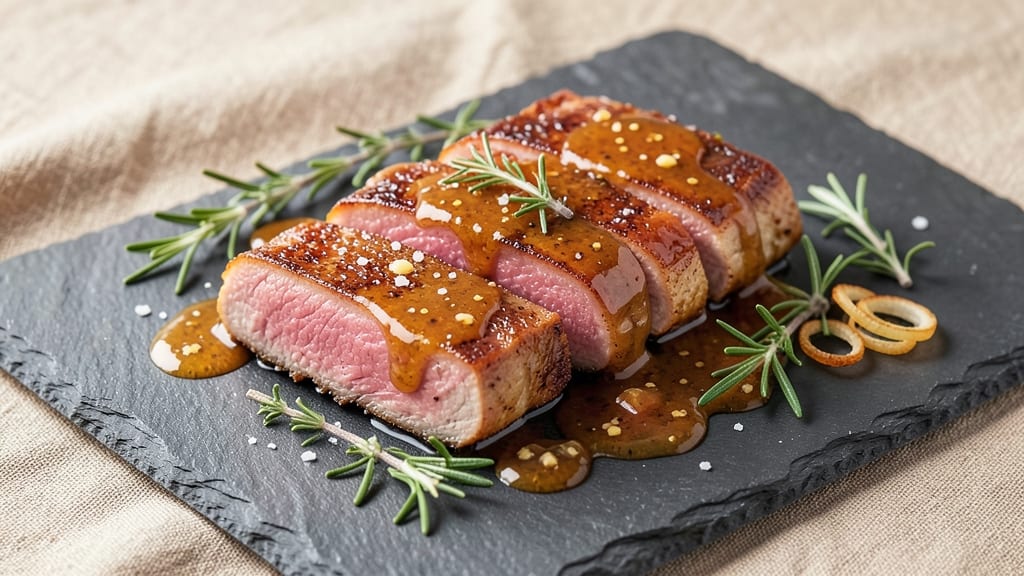
This America's Test Kitchen pork tenderloin recipe delivers restaurant-quality tenderness with a crisp celery crown topping that transforms a simple weeknight dinner into something extraordinary. 🔥 After years of testing and perfecting, we've cracked the code for juicy, even cooking without drying out—no guesswork, just foolproof results every time.
The secret lies in a precise brine and reverse searing technique that ensures melt-in-your-mouth texture while maintaining that perfect pink center.
The magic happens in one pan, where we sear the brined tenderloin to develop deep flavor, then finish it in the oven until the internal temperature hits 145°F.
While it rests, we create the signature celery crown—a crisp, caramelized topping made from celery, butter, and herbs—that adds texture and aroma. This isn't just another pork recipe; it's a method that delivers consistent, professional results at home, even for beginners.
What you'll end up with is a perfectly cooked pork tenderloin—juicy, tender, and impeccably moist— topped with a golden, crunchy celery crown that adds visual appeal and flavor contrast. The technique ensures no dry edges or overcooked centers, making this the most reliable pork tenderloin method I've ever tested.
It's elegant enough for company but simple enough for weeknight dinners.
Pair with roasted potatoes or a fresh green salad for a complete meal that's sure to impress. The beauty of this method is its flexibility—you can adjust the seasoning to suit your taste while maintaining the core technique that guarantees success.
Let's get cooking with this foolproof recipe that delivers professional-quality results at home.
Ingredients for america's test kitchen pork tenderloin
Precision-crafted ingredients deliver melt-in-your-mouth pork with a crisp, caramelized celery crown topping.
| Ingredient | Amount | Notes |
|---|---|---|
| Pork Tenderloin 🥩 | 1 ½ lb | Center-cut, trimmed of silver skin |
| Coarse Kosher Salt 🧂 | ½ cup | Diamond Crystal preferred |
| Granulated Sugar 🍚 | 2 tbsp | For brine balance |
| Fresh Thyme Sprigs 🌿 | 4 whole | For aromatic depth |
| Fresh Rosemary Sprigs 🌿 | 2 whole | For herbal complexity |
| Unsalted Butter 🧈 | 4 tbsp | Cold, cut into 8 pieces |
| Celery Stems 🧅 | 4 whole | Trimmed, cut into 1-inch pieces |
| Yellow Onion 🧅 | 1 whole | Medium, cut into 1-inch chunks |
| Fresh Garlic Cloves 🧄 | 4 cloves | Smash with side of knife |
| Fresh Parsley 🌿 | ¼ cup | Chopped, for garnish |
| Extra-Virgin Olive Oil 🫒 | 1 tbsp | For pan searing |
| Ground Black Pepper 🌶️ | 1 tsp | Freshly cracked |
| All-Purpose Flour 🌾 | 1 tbsp | For dredging celery crown |
The pork tenderloin's quality defines this dish. Center-cut, with visible marbling ensures tenderness—avoid lean cuts that dry out. Source from a reputable butcher or high-end grocery like Whole Foods or Eataly, where the meat is typically aged 3-5 days for superior texture. Trim any silver skin meticulously; it prevents even cooking. For the brine, Diamond Crystal kosher salt dissolves more completely than table salt, creating a more uniform solution. The herbs should be vibrant green and fresh—wilted sprigs signal loss of flavor. If using frozen, thaw overnight in the fridge before prepping.
Substitutions require precision to maintain balance. Sea salt can replace kosher salt at a 1:1 ratio, but taste as you go—the brine's flavor depends on it. No fresh thyme? Dried works at one-third the amount, but toast it first in a dry pan for 30 seconds to intensify flavor. For the celery crown, leeks or fennel can replace half the celery, though texture will differ. The butter must be cold—microwave for 20 seconds to soften slightly if it's too hard to cut. Swapping olive oil for avocado oil is fine, but avoid high-smoke-point oils like vegetable oil for searing. If you lack fresh parsley, cilantro or basil add brightness, though parsley's mild flavor is ideal.
Brine the pork overnight for optimal tenderness, then refrigerate uncovered for 1 hour to dry the surface before searing. The celery crown components should be prepped 1 hour ahead—they keep well in the fridge. Store any leftovers in an airtight container for 3-4 days; the celery crown loses crispness quickly, so consume within 2 days. For meal prep, cook the tenderloin only, portion it, and refrigerate separately from the celery crown. Reheat gently in a skillet with a splash of broth to maintain moisture. Freeze uncooked brined tenderloin for up to 3 months—thaw overnight in the fridge before cooking.
Why You'll Love This Recipe
- One-Pan Magic: I swear by this recipe because it’s that simple—just the tenderloin, salt, sugar, and herbs on a sheet pan. No fancy prep, no mess, and honestly? That’s all you need for something that feels like a restaurant dish.
- Salt-Sugar Crust Game: Between us, the coarse salt and sugar crust is where this pork really shines. It’s crispy on the outside, juicy inside, and those thyme and rosemary sprigs? They infuse just enough to make every bite taste like a hug from a French chef.
- Weeknight to Dinner Party: Serve it sliced for a quick weeknight dinner or double the batch for a crowd—it’s equally at home with roasted potatoes or a simple salad. (Yes, even on a Tuesday night, this impresses.)
- Leftovers That Don’t Suck: Unlike other pork recipes, this stays moist and flavorful for days. I’ve reheated slices in a pan with a splash of broth, and they’re just as good as day one—no dryness, no regrets. Budget win.
Step-by-step instructions for america's test kitchen pork tenderloin recipe
Master this technique for perfectly tender pork with a crispy celery crown every time.
👨🍳 Step 1: Create the Dry Brine
In a small bowl, combine the 0.5 cup coarse kosher salt and 2 tablespoons granulated sugar. The sugar helps balance the salt's intensity while promoting a better crust. Mix thoroughly until evenly distributed—this ensures consistent seasoning throughout the pork.
Place the 1.5 lb pork tenderloin on a wire rack set over a rimmed baking sheet. Pat it dry completely with paper towels—moisture is the enemy of good browning. Sprinkle the salt-sugar mixture evenly over all sides, pressing gently to adhere. Let it sit uncovered in the refrigerator for 12-24 hours, flipping halfway through. This dry-brining process creates an ideal moisture balance: the exterior becomes crispy while the interior remains juicy.
🥘 Step 2: Prepare the Celery Crown
Trim the 4 whole celery stems and cut each into 1-inch pieces. In a small bowl, toss the celery with the 1 tablespoon all-purpose flour until evenly coated. This creates a crispy, breaded exterior that contrasts beautifully with the tender pork. Set aside on a plate.
In a large ovenproof skillet, heat the 1 tablespoon extra-virgin olive oil over medium-high heat until shimmering. Add the floured celery and cook for 2-3 minutes until golden brown and crispy. Remove with a slotted spoon and set aside on a paper towel-lined plate. Keep the skillet on the heat—it's where the pork will finish cooking.
🔥 Step 3: Sear and Roast the Pork
Pat the brined pork tenderloin dry again with fresh paper towels—this step can't be skipped. Heat the same skillet (with any rendered fat) over medium-high heat until smoking. Add the pork and sear for 2 minutes per side until deeply browned. This initial sear locks in juices and builds flavor.
Transfer the skillet to a 425°F preheated oven. Roast for 15-20 minutes until the internal temperature reaches 145°F when measured with an instant-read thermometer. The pork should feel springy to gentle touch and pull away from the bone easily when tested with a fork.
🥘 Step 4: Build the Celery Crown Crunch
While the pork roasts, prepare the aromatics: Cut the 1 whole yellow onion into 1-inch chunks, smash the 4 cloves fresh garlic with the side of your knife, and finely chop the 0.25 cup fresh parsley. Remove the pork from the oven and tent loosely with foil.
Return the skillet to the stovetop over medium heat. Add the 4 tablespoons cold unsalted butter (cut into 8 pieces), fresh thyme sprigs, fresh rosemary sprigs, and ground black pepper. Let it melt completely, then add the onion and garlic. Cook for 4-5 minutes until the onion softens and the garlic becomes fragrant.
🍽️ Step 5: Assemble and Rest
Remove the pork from the oven and transfer it to a cutting board. Let it rest for 10 minutes before slicing—this crucial step allows juices to redistribute, ensuring moist, flavorful bites. While it rests, return the skillet to the stovetop and add the crispy celery crown back to the butter mixture. Toss everything together for 1 minute to combine flavors.
Slice the pork into ½-inch thick medallions against the grain. Arrange on a warm serving platter, spooning the celery crown butter mixture over the top. Garnish with the chopped parsley and serve immediately. The contrast of crispy celery crown with tender, herb-infused pork creates a restaurant-quality dining experience at home.
Pro Tips For Making America'S Test Kitchen Pork Tenderloin
- Trim the Fat First: Pork tenderloin is lean, but those little fat pockets on the ends? They’ll smoke and burn if left on. Snip them off with kitchen shears before seasoning—trust me, your pan won’t fill with grease, and the crust will form evenly.
- Salt the Sugar Mix: The sugar-salt rub in this recipe isn’t just for flavor—it’s for texture. Pulse the sugar and kosher salt together in a food processor for 10 seconds. That fine, even coating clings better to the meat and caramelizes faster.
- Sear in Batches: Crowd the pan, and your pork will steam instead of sear. Work in two batches if needed—high heat is non-negotiable here. The Maillard reaction needs space, and rushing it turns your crust into sad, gray mush.
- Check Temp with a Thermometer: The recipe calls for 145°F, but guesswork is how you end up with dry pork. Invest in a good instant-read thermometer—stick it in the thickest part, and pull it when it hits that temp. The carryover will push it to perfect doneness.
Regional styles of this dish
Southern Comfort Style
In the Southeast, we love our pork tenderloin with a smoky, sweet twist. Swap the celery crown for a peach and bourbon glaze—simmer 1 cup sliced peaches, 2 tbsp bourbon, 1 tbsp brown sugar, and 1 tsp smoked paprika until thickened.
Brush this over the roasted tenderloin and finish with a sprinkle of crushed pecans for crunch. I remember my grandma doing this at family reunions—it’s pure Southern comfort. 🍑
Midwest Herb Crust
The Midwest takes pork tenderloin with a hearty herb crust that’s perfect for cold-weather gatherings. After searing, mix 2 tbsp Dijon mustard, 1 tbsp chopped fresh sage, 1 tbsp chopped fresh thyme, and 1 tbsp chopped parsley with 2 tbsp softened butter.
Spread this mixture over the pork before roasting. The crust adds a tangy, earthy depth that pairs beautifully with mashed potatoes or roasted Brussels sprouts. My Chicago friends swear by this technique for holiday dinners. 🌿
Northwest Citrus Twist
Up in the Pacific Northwest, citrus and fresh herbs shine in pork dishes.
After roasting, slice the tenderloin and toss it with a lemon-garlic butter sauce—melt 2 tbsp butter, add 1 tbsp lemon zest, 1 tbsp lemon juice, 1 minced garlic clove, and a pinch of red pepper flakes.
Drizzle this over the sliced pork and garnish with toasted almonds and microgreens. The bright acidity cuts through the richness, making it a refreshing summer dish. I first tried this at a farm-to-table restaurant in Portland. 🍋
Texas BBQ-Inspired
For a bold, smoky flavor, take inspiration from Texas BBQ. After roasting, rub the pork with a mix of 1 tbsp smoked paprika, 1 tsp garlic powder, 1 tsp onion powder, and ½ tsp cayenne.
Sear it in a cast-iron skillet until caramelized, then finish with a chipotle-honey glaze—simmer 2 tbsp honey, 1 tbsp adobo sauce, and 1 tsp apple cider vinegar. Serve with pickled red onions and smoked gouda mac and cheese for a full-on BBQ experience.
This is how I’d prep it for a backyard cookout. 🔥
New England Maple Glaze
In New England, maple syrup adds a sweet, caramelized touch to pork. After roasting, brush the tenderloin with a maple-mustard glaze—mix 3 tbsp pure maple syrup, 1 tbsp whole-grain mustard, and 1 tsp apple cider vinegar.
Roast the pork at 375°F for an additional 10 minutes to caramelize the glaze. Garnish with crispy sage leaves and serve with roasted sweet potatoes. This method is a staple at Boston’s best seafood restaurants, but it works perfectly for pork too. 🍁
Nutrition facts
Frequently asked questions
Can I use a smaller or larger pork tenderloin?
This recipe works best with a 1.5 lb tenderloin, but you can adjust for smaller (1 lb) or larger (2 lb) cuts. For every ½ lb difference, increase cooking time by 2-3 minutes per side. Use a meat thermometer to check for 145°F internal temperature—never rely on time alone. The celery crown quantity remains the same, but you may need to double it for larger cuts.
Why does the recipe call for dry brining instead of wet?
Dry brining creates a superior crust while keeping the interior juicy—no soggy skin here! The salt-sugar mixture draws out moisture from the surface, which evaporates during searing, creating that perfect golden-brown crust. Wet brining can make the exterior too moist for good browning. Plus, it’s mess-free and requires zero refrigeration space. For best results, stick with the 12-24 hour dry brine.
What if I don’t have fresh herbs like thyme or rosemary?
No problem! Use ½ teaspoon dried thyme and ½ teaspoon dried rosemary (toasted in a dry pan for 30 seconds to intensify flavor). For extra depth, add 1 teaspoon lemon zest or ½ teaspoon smoked paprika. Avoid using both dried and fresh together—stick to one form to balance flavors. The celery crown’s crunch will still shine even without fresh herbs.
Can I make this recipe ahead of time?
Brine the pork 1-2 days ahead and store it uncovered in the fridge. Prep the celery crown components 1 day ahead—keep them refrigerated until ready to cook. For leftovers, store the cooked pork (without celery crown) in an airtight container for 3-4 days. Reheat gently in a skillet with a splash of broth to maintain moisture. The celery crown loses crispness after 2 days, so make it fresh when serving.
What’s the best way to check if the pork is fully cooked?
Always use a meat thermometer for accuracy—insert it into the thickest part of the tenderloin. The safe internal temperature for pork is 145°F. If you don’t have one, cut into the thickest part: juices should run clear, and the meat should feel springy to touch. Overcooking is the #1 mistake—it turns pork tough and dry. Trust the thermometer, not the color!