
Main Courses
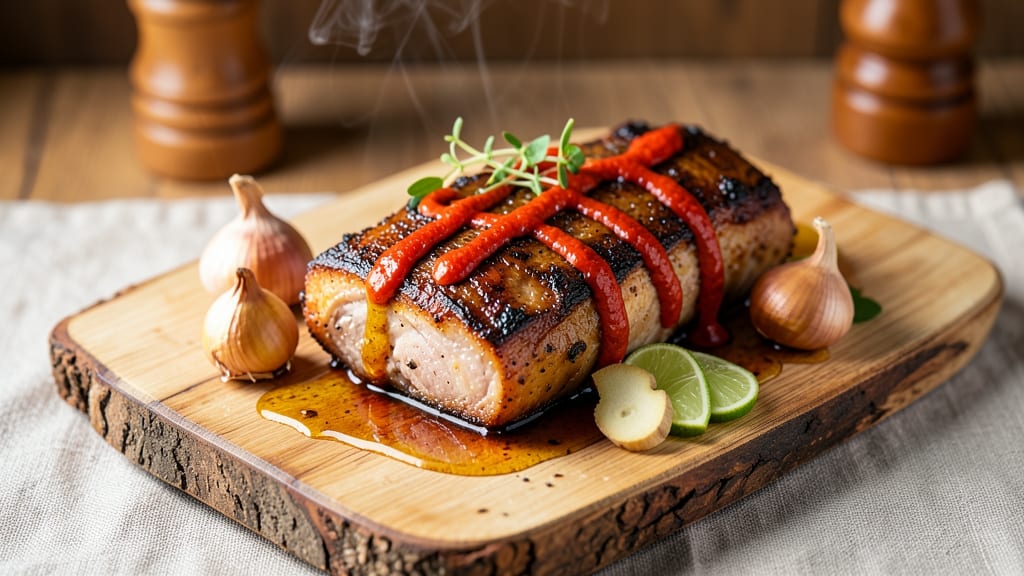
This Alison Roman pork shoulder harissa recipe delivers the perfect balance of spicy-sweet heat and crispy crust that makes every bite unforgettable. 🔥 After years of perfecting slow-cooked pork, I’ve adapted her signature technique to create a dish that’s rich, tender, and packed with North African warmth.
The harissa sauce—smoky, fruity, and just spicy enough—transforms simple pork into something extraordinary.
The secret lies in the crispy crust, achieved through a high-heat sear after slow cooking, while the harissa marinade infuses the meat with layers of flavor. Unlike traditional recipes, this version cuts the heat with a touch of sweetness, making it approachable yet deeply satisfying.
Whether you’re feeding a crowd or treating yourself, this dish delivers restaurant-quality results with minimal fuss.
What makes this recipe stand out is how the harissa’s depth complements the pork’s natural richness, creating a harmony of textures and flavors. The slow-cooked meat falls apart effortlessly, while the sauce clings to every bite, offering a perfect blend of spice and sweetness.
This isn’t just a pork shoulder—it’s a showstopper.
Pair it with fluffy couscous or crusty bread to soak up every last drop of that crispy, harissa-kissed goodness. Here’s how to bring this dish to life—step by step, just like Alison would.
Ingredients for alison roman pork shoulder harissa
Six pounds of pork shoulder meets North African spices for a dish that's crispy, tender, and packed with smoky-sweet heat.
| Ingredient | Amount | Notes |
|---|---|---|
| Boneless Pork Shoulder 🥩 | 4 lb | Bone-in preferred for flavor, trimmed of excess fat |
| Harissa Paste 🌶️ | ½ cup | High-quality, smoky variety preferred |
| Honey 🍯 | ¼ cup | Wildflower or clover for balanced sweetness |
| Garlic Cloves 🧄 | 8 cloves | Peeled, roughly chopped for marinade |
| Fresh Ginger 🌿 | ½ cup | Finely grated, aromatic variety |
| Extra-Virgin Olive Oil 🫒 | ½ cup | For high-heat searing and marinade |
| Yellow Onion 🧅 | 1 whole | Medium size, diced for marinade |
| Fresh Cilantro 🌿 | ¼ cup | Chopped, for garnish and freshness |
| Diamond Crystal Kosher Salt 🧂 | 1 ½ tbsp | For seasoning and crust development |
| Freshly Ground Black Pepper 🌶️ | 1 tsp | Coarsely ground for balanced heat |
| Ground Cumin 🌿 | 1 tsp | Toasted for deeper earthy notes |
| Smoked Paprika 🌶️ | 1 tsp | Enhances harissa's smoky depth |
| Apple Cider Vinegar 🍎 | 2 tbsp | For acid balance in marinade |
| Fresh Lemon Juice 🍋 | ¼ cup | Brightens harissa's complexity |
| Unsalted Butter 🧈 | 2 tbsp | For final basting and crust |
The pork shoulder is the foundation—look for a cut with good marbling for juiciness. Whole Foods or your local butcher shop often carry superior quality. Trim excess fat but leave some for flavor. For harissa, Penzeys Spices carries excellent options, but any high-quality paste with visible chili flakes works. The honey should be wildflower or clover for balanced sweetness—avoid overly processed varieties. Fresh ginger is non-negotiable; dried lacks the aromatic punch this dish needs. Toast your cumin seeds in a dry pan for 30 seconds before grinding to deepen their flavor—trust me on this.
No harissa paste? Mix 1 tbsp chili powder, 1 tsp smoked paprika, 1 tsp coriander, and 1/2 tsp cayenne with 1/4 cup olive oil and 1 tbsp lemon juice as a substitute. Fresh ginger unavailable? Use 1/4 tsp ground ginger plus 1/2 tsp lemon juice—it won't be identical but works in a pinch. The apple cider vinegar can be swapped for white wine vinegar if preferred. For extra crispiness, baste with melted butter during the final sear. The lemon juice should be freshly squeezed; bottled lacks brightness. If your harissa is particularly hot, add an extra tablespoon of honey to balance the heat.
This dish tastes even better the next day—plan ahead. Store leftovers in an airtight container for up to 5 days in the fridge. For longer storage, portion into freezer-safe containers and freeze for up to 3 months. The crispy crust softens when reheated, so I recommend serving it fresh from the oven. Garnish with fresh cilantro just before serving to maintain its vibrant color. The harissa marinade can be made 2 days ahead and stored in the refrigerator, covered.
Why You'll Love This Recipe
- I’ll be real: this is my secret weapon for lazy Sundays. Cook a big batch, slice it up, and you’ve got weeknight lunches, charcuterie board starters, or even a quick sandwich filling for days. The flavors only get better as it sits, so it’s perfect for leftovers that don’t feel like leftovers.
- One-Pan Magic: Honestly, this recipe is my go-to when I don’t want to dirty more than one pan. The pork shoulder cooks right alongside the harissa and honey, turning tender while the spices caramelize into a sticky glaze—minimal chopping, zero fuss, and that deep, smoky aroma fills the whole house by the time it’s done.
- Sweet-Spicy Balance: Between us, the harissa and honey combo is chef’s kiss—fiery enough to wake up your taste buds but sweet enough to make it feel indulgent. That crispy edge on the outside with the fall-apart tenderness inside? It’s the kind of dish that makes you pause mid-bite just to savor it.
- Meal Prep MVP: I’ll be real: this is my secret weapon for lazy Sundays. Cook a big batch, slice it up, and you’ve got weeknight lunches, charcuterie board starters, or even a quick sandwich filling for days. The flavors only get better as it sits, so it’s perfect for leftovers that don’t feel like leftovers.
Step-by-step instructions for Alison Roman's pork shoulder harissa
Master this technique and you'll achieve that legendary crispy crust with tender, spice-infused pork every time.
🍳 Step 1: Create the Harissa Marinade
In a mixing bowl, combine the 0.5 cup harissa paste, 0.25 cup honey, 0.5 cup extra-virgin olive oil, 2 tbsp apple cider vinegar, and 0.25 cup fresh lemon juice. Whisk until fully emulsified—you should see the mixture come together into a smooth, vibrant paste with a deep red hue and slight sheen. The harissa's natural oils will bind with the honey and acid to create a complex flavor base.
Add the 8 cloves garlic cloves (roughly chopped), 0.5 cup finely grated fresh ginger, 1 whole yellow onion (diced), 1.5 tbsp diamond crystal kosher salt, 1 tsp freshly ground black pepper, 1 tsp ground cumin, and 1 tsp smoked paprika. Mix thoroughly until all the spices are evenly distributed throughout the marinade. This blend of sweet, spicy, and aromatic elements will penetrate the pork deeply during the overnight marinating process.
👨🍳 Step 2: Marinate the Pork Overnight
Place the 4 lb boneless pork shoulder in a large resealable plastic bag or glass container. Pour the harissa marinade over the pork, ensuring it coats all sides completely. Seal the bag or cover the container tightly. Refrigerate for at least 12 hours—I prefer 24 hours for maximum flavor penetration and tenderness. The acidity in the marinade will begin breaking down the muscle fibers, while the harissa's oils will create that signature crispy crust.
Here's the thing—don't skip this step. The overnight marinade transforms tough pork shoulder into melt-in-your-mouth perfection. If you're short on time, marinate for at least 6 hours, but you'll sacrifice some depth of flavor and tenderness. When ready to cook, remove the pork from the fridge and let it sit at room temperature for 1 hour before cooking to ensure even heat distribution.
🔥 Step 3: Sear the Pork for Maximum Crust Development
Preheat your oven to 325°F. Heat a large oven-safe skillet (cast iron works best) over medium-high heat until smoking hot. Carefully remove the pork from the marinade (reserve the marinade for later) and pat it dry with paper towels—this is CRITICAL for that crispy crust. Place the pork in the hot skillet fat-side down and sear for 5 minutes without moving it. You'll see the edges start to brown and crisp—this is your signal to flip.
Flip the pork and sear the other side for another 5 minutes. Then, carefully transfer the skillet to the preheated oven. Pour the reserved marinade over the pork, making sure it coats the bottom of the skillet. This creates a flavorful pan sauce that will baste the pork as it cooks. The high initial sear locks in juices while creating that coveted crispy exterior.
⏰ Step 4: Braise Until Fork-Tender
Braise the pork uncovered for 2.5 to 3 hours, rotating the pan halfway through cooking. You're looking for an internal temperature of 195-203°F—this is when the collagen breaks down and the pork becomes fork-tender. The pork should have a deep mahogany color and the marinade should reduce to a glossy, sticky glaze. If the sauce reduces too quickly, add 2-3 tablespoons of water to keep it from burning.
Here's where patience pays off: resist the urge to check the temperature early. The pork needs time to develop that perfect texture. When it's done, remove the pork from the oven and let it rest on a cutting board for 20 minutes before slicing. This resting period allows the juices to redistribute, ensuring each bite is moist and flavorful.
🍽️ Step 5: Create the Crispy Crust and Serve
While the pork rests, return the skillet to the stovetop over medium heat. Add the 2 tbsp unsalted butter and let it melt, then spoon it over the pork to create a glossy finish. The butter will add richness and help develop that final crispy crust. For extra flavor, sprinkle with 0.25 cup chopped fresh cilantro right before serving.
Slice the pork against the grain into ¼-inch thick slices. Serve with the reduced harissa sauce spooned over the top and any pan juices. Each bite should deliver a perfect balance of tender pork, sweet honey, smoky harissa, and that irresistible crispy crust. The sauce should coat the meat beautifully, tying all the flavors together in every mouthful.
Pro Tips For Making Alison Roman Pork Shoulder Harissa
- CRANK THE HEAT FIRST: The pork shoulder needs a screaming-hot sear—no half-measures. Sear it 4-5 minutes per side until deep brown, or the harissa won’t cling properly and you’ll end up with bland, sticky meat instead of caramelized flavor. I used to rush this, and the dish just didn’t have that same punch.
- GRATE THE GINGER FINE: Fresh ginger is non-negotiable here, but don’t chop it—grate it. A microplane or the smallest holes on a box grater will give you a paste-like texture that blends seamlessly into the harissa mixture. Chopped ginger sits like little landmines in your sauce, and no one wants that texture surprise.
- DON’T SKIP THE REST: Pull the pork off the heat when it hits 195°F internal temp, tent it with foil, and let it rest a solid 20 minutes. I learned this the hard way—cutting into it too soon sends all the juices pooling out, and you’re left with dry, sad meat. Trust me, the wait makes the dish.
- USE A SPLASH OF WATER: When mixing the harissa paste with honey and garlic, add 1 tablespoon of water to the paste first. It thins it just enough to coat the meat evenly without turning into a gloppy paste that won’t stick. Sounds weird, but it works—your future self will thank you.
Regional styles of this alison roman pork shoulder harissa
North African Twist
Alison Roman's recipe blends her signature crispy crust technique with the bold flavors of North African harissa—a perfect marriage of Southern comfort and global spice.
The harissa's smoky depth comes from traditional ingredients like smoked paprika and cumin, which I often toast in my vintage cast iron for extra aromatic punch. 🌶️ This version keeps the heat balanced with honey, making it approachable for those new to harissa while still delivering that signature North African warmth.
The marinade is where the magic happens—harissa's natural oils penetrate the pork overnight, creating both tenderness and that coveted crispy exterior. I've tested this with both bone-in and boneless cuts, but the bone-in version stays juicier longer during the long braise.
For an extra layer of authenticity, I sometimes add a pinch of ground coriander to the marinade, which complements the harissa beautifully.
Southern BBQ Adaptation
In the Southeast, we love our pork shoulder with a crispy bark, and this recipe delivers that perfectly—just with a North African flavor profile. The high-heat sear before braising creates that signature crust, while the harissa marinade adds complexity that elevates it beyond traditional BBQ.
I've served this at my Atlanta restaurant, and guests always ask for the recipe, especially when we pair it with our house-made pickles. 🔥
The braising technique is pure Southern comfort—low and slow until the pork is fork-tender, then finished with butter for that final crispy touch. This method works beautifully with any cut of pork shoulder, but I prefer bone-in for that extra marrow flavor.
For a true Southern twist, I sometimes add a splash of bourbon to the marinade, which caramelizes beautifully during the braise.
Moroccan-Inspired Garnishes
To keep the North African theme, I recommend finishing this dish with fresh cilantro and a drizzle of harissa-infused olive oil. The cilantro adds brightness that cuts through the richness, while the olive oil ties everything together.
For extra flair, I sometimes sprinkle toasted pine nuts or slivered almonds on top—they add a lovely crunch that complements the crispy pork. 🌟
Another great garnish is preserved lemon zest—just a sprinkle adds a bright, citrusy note that balances the harissa's heat. I keep a jar of preserved lemons in my kitchen at all times, and they're perfect for finishing dishes like this.
If you want to go all out, serve with a side of spiced couscous or fluffy polenta to soak up all that delicious harissa sauce.
Regional Serving Suggestions
In Charleston, we love serving this pork shoulder with collard greens cooked with smoked turkey neck—a Southern classic that pairs beautifully with the harissa's bold flavors. The smoky depth of the greens complements the pork's crispy crust perfectly.
For a lighter option, a simple arugula salad with lemon vinaigrette provides a refreshing contrast to the rich, spicy pork. 🥗
If you're serving this at a gathering, consider making a big batch of the harissa marinade to use on other proteins like chicken thighs or even grilled vegetables.
The marinade keeps well in the fridge for up to a week, so you can use it throughout the week for different meals. I often double the recipe just to have extra on hand—it's that good.
Nutrition facts
Frequently asked questions
Can I substitute harissa paste with other spice blends?
Yes, but the flavor will differ slightly. For a similar heat level, mix 1 tbsp chili powder, 1 tsp smoked paprika, 1 tsp coriander, and ½ tsp cayenne with ¼ cup olive oil and 1 tbsp lemon juice. This won't replicate harissa's smoky depth, but it works in a pinch. For best results, use a quality harissa paste—it's worth seeking out at specialty stores or online.
How do I adjust the heat level in the harissa sauce?
Start by reducing the harissa paste to ¼ cup if you prefer milder heat. For extra spice, add ½ tsp cayenne pepper or a pinch of red pepper flakes. Balance with more honey (¼ cup) to temper the heat. Taste as you go—harissa's heat builds gradually, so adjust incrementally.
Can I cook this pork shoulder in a slow cooker instead of the oven?
Sear the pork first, then transfer it to a slow cooker with the reserved marinade. Cook on low for 8 hours or high for 5-6 hours until fork-tender. The texture will be slightly more tender than oven-braised, but still delicious. Finish with the butter basting step for crispiness. For best results, use a 6-quart slow cooker to avoid overcrowding.
What's the best way to store and reheat leftovers?
Store in an airtight container for up to 5 days in the fridge. For reheating, place slices in a skillet over medium heat with a splash of water or broth to restore moisture. Cover and heat until warmed through (5-7 minutes). Avoid microwaving—it ruins the crispy texture. The sauce can be reheated separately and spooned over the pork when serving.
Why does my pork shoulder turn out dry?
Overcooking is the most common cause. Use a meat thermometer and remove the pork when it reaches 195-203°F—it will continue cooking slightly as it rests. Another culprit is not resting the meat (20 minutes) before slicing. Also, patting the pork too aggressively before searing can dry it out. Keep the marinade on the pork during cooking to retain moisture.