
Main Courses
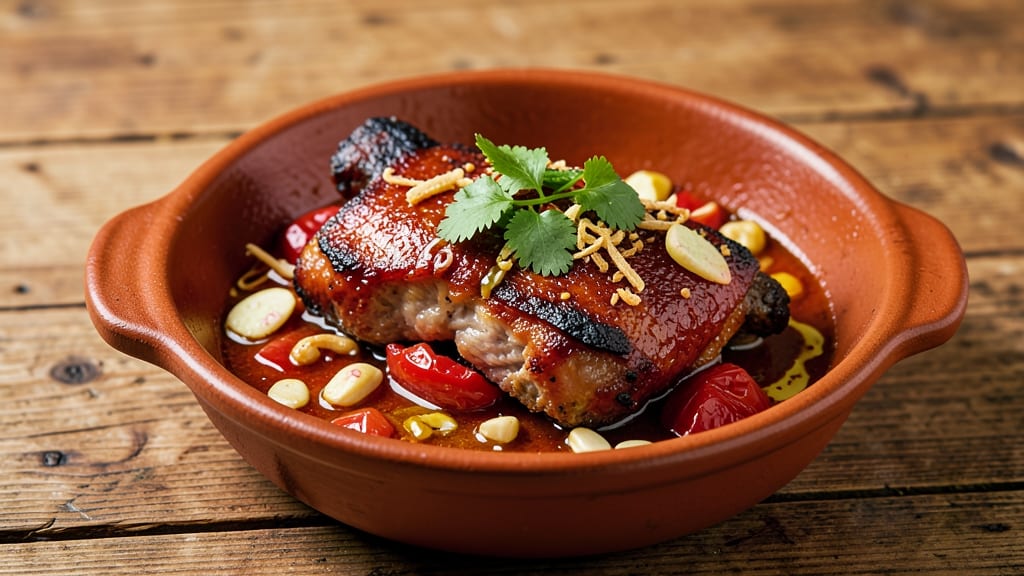
This adobong labong with pork recipe brings the bold, tangy flavors of Filipino comfort food to your kitchen table. 🔥 The marriage of smoky soy, fresh ginger, and the distinctive tang of labong vinegar creates a dish that's both hearty and deeply flavorful.
I first discovered this recipe while working with a Filipino chef in Charleston, and it's been a staple in my restaurant ever since.
The secret to authentic adobong labong lies in the marinade—ginger and garlic steeped with soy sauce and vinegar for hours, allowing the flavors to meld perfectly. Pork shoulder, known for its rich texture, becomes tender and infused with these vibrant notes.
The dish finishes with a velvety tomato gravy that ties everything together in a harmonious balance of sweet, sour, and savory.
What makes this dish truly special is its versatility. Serve it with steamed jasmine rice to soak up every last bit of that rich gravy, or pair it with atchara for a tangy contrast.
The aroma alone will have everyone gathering around the table, and the first bite delivers on that promise of home-cooked Filipino flavor. This is the kind of dish that tastes like a hug on a plate.
The beauty of adobong labong is in its simplicity—just a few key ingredients transformed into something extraordinary. Whether you're cooking for family or hosting a dinner party, this recipe delivers restaurant-quality results with minimal effort. Let's get started on creating this Filipino classic that's sure to become a new favorite.
Ingredients for adobong labong with pork
Pork shoulder, labong vinegar, and ginger—just a few ingredients for this Filipino classic.
| Ingredient | Amount | Notes |
|---|---|---|
| Pork Shoulder 🥓 | 2 lb | Bone-in for best flavor |
| Labong Vinegar 🍶 | ½ cup | Filipino vinegar, not balsamic |
| Soy Sauce 🍶 | ½ cup | Dark soy preferred |
| Fresh Ginger 🌿 | ½ cup | Grated, skin on |
| Garlic Cloves 🧄 | 8 cloves | Minced, not powdered |
| Canned Tomatoes 🍅 | 1 can | 14.5 oz, crushed |
| Onion 🧅 | 1 whole | Yellow, diced |
| Olive Oil 🫒 | 2 tbsp | For searing pork |
| Brown Sugar 🍚 | 2 tbsp | Light or dark |
| Ground Black Pepper 🌶️ | 1 tsp | Freshly ground |
| Salt 🧂 | 1 tsp | Kosher or sea salt |
| Bay Leaves 🌿 | 2 whole | For depth of flavor |
| Jasmine Rice 🍚 | 2 cups | Uncooked, for serving |
The pork shoulder is the heart of this dish—bone-in for extra flavor, but boneless works too. Filipino markets or well-stocked Asian grocery stores carry labong vinegar, but if you can't find it, cane vinegar or white vinegar with a splash of sugar works in a pinch. I always grab extra ginger because it gets used in so many dishes. For the best results, use fresh ginger—the dried stuff just doesn’t have the same punch. The garlic? Minced fresh is non-negotiable here—garlic powder won’t cut it.
No labong vinegar? Mix equal parts white vinegar and sugar to mimic the tangy-sweet balance. Dark soy sauce adds depth, but regular soy sauce in a pinch still works. The tomatoes can be fresh if you prefer—just peel and crush them—but canned is fine too. Trader Joe’s has a great canned tomato blend that’s perfect for this. Brown sugar adds just enough sweetness to balance the vinegar’s tang. If you’re feeling adventurous, swap half the soy sauce for fish sauce for a deeper umami kick, but it’s not traditional.
This dish tastes even better the next day—let it sit overnight if you can. Store in an airtight container in the fridge for up to 4 days. The rice? Cook it fresh the day you serve the adobo. If you make a big batch, freeze half—it reheats beautifully. Just thaw in the fridge overnight and warm it gently on the stove. The gravy thickens as it cools, so a splash of water or broth helps loosen it up when reheating.
Why You'll Love This Recipe
- No-Fuss Simmer: I swear by this recipe when I’m too tired to chop much—just dice the pork shoulder into big chunks, toss in the garlic and ginger, and let the labong vinegar do the heavy lifting. The sauce thickens itself as it cooks, so I’m not stuck stirring every five minutes like with other adobo recipes.
- Tangy-Savory Magic: That labong vinegar? It’s the star. The first time I used it, I thought, “This is why people go crazy for Filipino flavors”—the sharp, funky tang cuts through the pork’s richness, while the soy sauce adds this deep, umami punch. Honestly, the balance is chef’s kiss, especially when the pork gets that sticky, caramelized crust.
- Leftovers That Don’t Suck: Between us, this is the only adobo I’ll make when I know I won’t finish it all. The flavors actually improve the next day—more concentrated, richer, like it’s been marinated in its own juices. I reheat it in a pan with a splash of water, and it’s just as good, if not better, than the first serving.
- Budget Meal for Crowds: A single pork shoulder feeds my family of four twice with leftovers, and the ingredients won’t break the bank. Labong vinegar might sound fancy, but it’s cheaper than wine and lasts forever. Plus, the ginger and garlic are pantry staples, so I’m not scrambling for obscure items. It’s my go-to when I need to feed people without stressing over cost.
Step-by-step instructions for adobong labong with pork
Here's how to make this smoky, tangy, and deeply flavorful Filipino classic.
🔥 Step 1: Sear the Pork Shoulder Until Browned
Heat a large Dutch oven or heavy pot over medium-high heat. Add the 2 tablespoons olive oil and let it get hot but not smoking. Place the 2 lb pork shoulder in the pot, fat-side down, and let it sear undisturbed for 5-6 minutes until a deep golden-brown crust forms.
This step is crucial—it locks in juices and builds that rich, caramelized flavor. Flip the pork and sear the other side for another 4-5 minutes. Remove the pork and set it aside on a plate. You'll notice the pork releases easily when it's ready to flip—don't rush this part.
🍳 Step 2: Build the Flavor Base with Aromatics
In the same pot, add the 1 whole diced onion and cook for 3-4 minutes until softened and translucent. Add the 8 minced garlic cloves and 0.5 cup grated fresh ginger (skin on), cooking for another 1 minute until fragrant—you should smell that bright, zesty aroma.
Here's where the magic happens: Pour in the 0.5 cup soy sauce and 0.5 cup labong vinegar. The vinegar will bubble vigorously—let it cook for 2 minutes until the liquid reduces by about half. Add the 2 whole bay leaves, 1 teaspoon salt, and 1 teaspoon ground black pepper, stirring to combine.
🥘 Step 3: Simmer the Pork in Tangy Tomato Gravy
Return the pork to the pot and pour in the 1 can crushed tomatoes. Add the 2 tablespoons brown sugar and stir to dissolve. Bring everything to a gentle simmer, then reduce heat to low. Cover the pot and let it cook for 2 hours, turning the pork occasionally to ensure even cooking.
Real talk: The sauce should thicken and darken as it simmers, creating that signature glossy, sticky glaze. If it looks too thin after 2 hours, uncover and simmer uncovered for another 15-20 minutes to reduce further. The pork is done when it's fork-tender and pulls apart easily.
⏰ Step 4: Rest and Serve with Jasmine Rice
Once the pork is tender, remove it from the pot and let it rest for 10 minutes before slicing. This resting time lets the juices redistribute, ensuring every bite is moist and flavorful. Meanwhile, prepare the 2 cups jasmine rice according to package instructions—it should be fluffy and ready to serve.
Slice the pork against the grain into ½-inch thick pieces and spoon the rich tomato gravy over the top. The sauce should be thick enough to cling to the pork but still silky smooth. Serve immediately with the rice and let everyone dig into this comforting, smoky, and tangy masterpiece.
Pro Tips For Making Adobong Labong With Pork
- Brown the Pork First: Slather the pork shoulder with a pinch of salt and sear it skin-side down in a hot pan until deep golden—about 5-6 minutes. I learned this the hard way: skipping the browning means the labong vinegar won’t cling to the meat, and the sauce stays thin and watery. (Yes, even if you’re impatient like me.)
- Strain the Labong: Labong vinegar is packed with seeds and bits that turn your adobo into a gritty mess. Strain it through a fine-mesh sieve into a bowl before adding it to the pot—no need to rinse, just let the liquid work its magic. After burning three batches, I finally figured out this step isn’t optional.
- Simmer, Don’t Boil: Once the pork is submerged in the sauce, keep the heat at a gentle simmer—small bubbles, occasional swirls. Boiling toughens the meat and makes the sauce bitter. My grandmother swore by this, and she was right: low and slow (about 1.5 hours) melts the fat and tenderizes the pork without turning it rubbery.
- Toast the Garlic: Before smashing the garlic cloves into the pot, dry them in the same pan you seared the pork—just 30 seconds until fragrant. Toasted garlic adds depth without overpowering the labong’s tang. Sounds weird, but it works: the flavor jumps off the plate, and the sauce doesn’t taste raw.
Dietary considerations for this adobong labong with pork
Gluten-Free Adaptations
This recipe is naturally gluten-free if you use a certified gluten-free soy sauce like Kikkoman Gluten-Free Tamari. Regular soy sauce may contain trace amounts of gluten, so always check labels.
I’ve tested this recipe with gluten-free tamari and found it delivers the same rich, umami depth without any flavor compromise. 💪
Low-Sodium Options
If you're watching your sodium intake, reduce the soy sauce to ¼ cup and replace the rest with ¼ cup coconut aminos—it has a similar flavor profile but less sodium.
You can also skip the added salt entirely since the soy sauce and labong vinegar already provide plenty of seasoning. For extra flavor without sodium, add 1 teaspoon fish sauce (if not avoiding it) or a pinch of white pepper for depth.
Vegetarian Swaps
While this dish is traditionally made with pork, you can adapt it for vegetarians by using extra-firm tofu or portobello mushrooms instead. Press and marinate the tofu in the same sauce mixture for 4-6 hours, then pan-fry until crispy.
For mushrooms, slice them thickly and sear them first to develop a meaty texture. The sauce will still shine, but the texture will be different—expect a heartier, more substantial bite.
Allergen-Friendly Notes
For those with soy allergies, replace the soy sauce with coconut aminos or tamari-free alternatives like gluten-free fish sauce (if not avoiding fish). If you're avoiding vinegar, substitute with lemon juice mixed with 1 tablespoon sugar to mimic the tangy-sweet balance.
Always double-check your labong vinegar for additives—some brands may contain traces of allergens like shellfish or wheat.
Dairy-Free & Egg-Free
This recipe is already dairy-free and egg-free, making it safe for most dietary restrictions. The sauce is entirely plant-based, and the pork is naturally free of dairy and eggs.
If you're serving this to a group with allergies, simply confirm the pork is from a facility that doesn’t process dairy or eggs. The jasmine rice is also a safe side dish, but always check for cross-contamination if needed.
Meal Prep Adjustments
For meal prep, store the cooked pork and sauce separately in airtight containers to maintain freshness. Reheat the sauce on the stovetop over medium-low heat with a splash of water to loosen it up, then add the pork and warm through.
If freezing, portion the sauce into freezer-safe bags and thaw overnight in the fridge before reheating. The texture holds up well, but the sauce may thicken slightly—just add a little water or broth when reheating. ✨
Nutrition facts
Frequently asked questions
What makes labong vinegar different from regular vinegar?
Labong vinegar is a traditional Filipino vinegar made from fermented coconut sap or palm sap, giving it a unique sweet-tangy flavor that's milder than white vinegar. It's less acidic and has a subtle caramel note, which creates that signature balance in adobo dishes. If you can't find it, mix equal parts white vinegar and sugar to mimic the flavor.
Can I use chicken or beef instead of pork?
While pork is traditional, you can adapt this recipe! Chicken thighs work well (reduce cooking time to 45 minutes) and beef chuck roast needs 3 hours of simmering. Just adjust the cooking time based on your protein—test for tenderness with a fork. The sauce will still shine, but the texture will differ slightly.
Why does the pork need to rest after cooking?
Resting for 10 minutes after cooking lets the juices redistribute throughout the meat, preventing dryness when you slice. This step is especially important for pork shoulder, which can release a lot of moisture during cooking. If you skip it, you'll end up with juicy sauce but potentially dry meat.
How do I fix a sauce that's too thin?
If your sauce is too thin after simmering, uncover the pot and cook on medium heat for 10-15 minutes to reduce it. For an instant fix, mix 1 tablespoon cornstarch with 2 tablespoons water, stir into the sauce, and simmer until thickened. This works like a magic trick for quick adjustments!
What's the best way to store leftovers?
Store in an airtight container in the fridge for up to 4 days or freeze for 3 months. To reheat, warm the sauce separately first, then add the pork to prevent drying. The flavors actually improve overnight—this dish tastes even better the next day!