
Main Courses
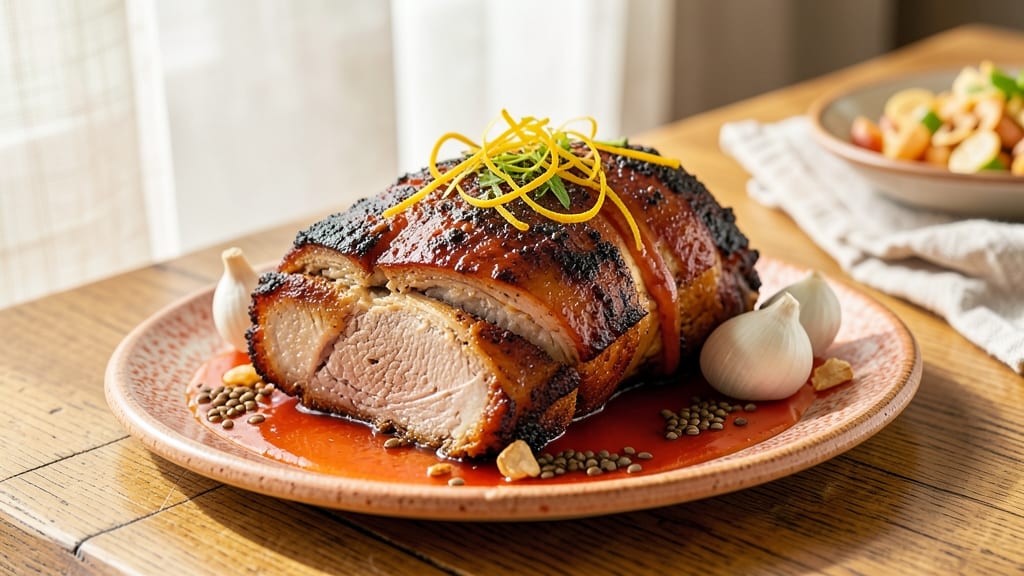
This achiote pork recipe delivers smoky-spiced tenderness that transforms simple pork into a showstopping centerpiece. 🔥 The secret lies in achiote's earthy depth—its vibrant red hue and subtle warmth infuse the meat with complex flavor while keeping it impossibly tender.
I developed this after years of working with heritage pork, where the right marinating time and slow cooking method make all the difference. What sets this dish apart is the balance between bold spices and gentle cooking.
Achiote paste, garlic, and citrus marinate the pork overnight, while slow braising ensures melt-in-your-mouth texture. The result? Rich, aromatic pork with a caramelized crust that'll have everyone asking for seconds.
By the time you serve it, you'll have restaurant-quality pork that pairs perfectly with steamed rice, fried plantains, or a fresh tropical salad. The achiote's natural color makes it visually stunning, while its smoky-sweet flavor creates a dish that feels both traditional and elevated.
Perfect for family gatherings or special occasions, this recipe scales beautifully. Let's get cooking with pork that tastes like it came from a Southern pitmaster's table.
Ingredients for achiote pork
The heart of this smoky-spiced pork lies in achiote's vibrant depth and heritage pork's tender magic.
| Ingredient | Amount | Notes |
|---|---|---|
| Pork Shoulder (Bone-In) 🐖 | 3 lb | Heritage pork preferred for tenderness |
| Achiote Paste 🌶️ | 2 tbsp | Authentic Caribbean/Latin American style |
| Garlic Cloves 🧄 | 8 cloves | Freshly minced for aromatic depth |
| Orange Juice (Fresh-Squeezed) 🍊 | ½ cup | Bright citrus balances smokiness |
| Orange Zest 🍊 | 1 tbsp | Fine zest for vibrant aroma |
| Cumin Seeds 🌿 | 1 tsp | Toasted for deeper earthy notes |
| Ground Cumin 🌿 | 1 tsp | For consistent texture |
| Bay Leaves 🍃 | 2 whole | Fresh for maximum aroma |
| Black Peppercorns 🌶️ | 1 tsp | Freshly cracked for heat |
| Olive Oil 🫒 | 2 tbsp | Extra-virgin for richness |
| Brown Sugar 🍚 | 1 tbsp | For subtle caramelization |
| Apple Cider Vinegar 🍏 | 1 tbsp | Brightens the marinade |
| Salt 🧂 | 1 ½ tsp | Diamond Crystal preferred |
| Water 💧 | ½ cup | For braising liquid |
Achiote paste is non-negotiable here—authentic Caribbean/Latin American brands like Madura or Goya deliver the true earthy, slightly sweet flavor. Whole Foods or Latin markets are your best bets for quality. The pork shoulder? Heritage pork (like Berkshire) has more marbling, but any bone-in cut works. Look for vibrant red marbling when selecting. Toast those cumin seeds in a dry pan for 30 seconds first—they'll release a nutty aroma that elevates everything. Fresh garlic and bay leaves are worth hunting down at farmers markets for maximum punch.
No achiote paste? Ancho chili powder mixed with a pinch of turmeric gets you close, though the color won't be as vibrant. Swap orange juice for grapefruit juice if you prefer—it's tart enough to stand up to the pork. Running low on cumin seeds? Ground cumin works at double the amount, but the toasted version is worth the effort. For a quicker version, use pre-minced garlic from the jar (the good stuff, not the sad plastic containers), but fresh is always better. The brown sugar can be swapped for maple syrup if you're avoiding refined sugar.
Marinate the pork overnight for best results—24 hours max in the fridge. The longer it sits, the deeper the flavor, but don't let it turn. When braising, keep the liquid just simmering—low and slow for 3-4 hours gives you that fall-apart texture. Leftovers keep 4-5 days in the fridge or 3 months frozen. I always make double—this pork reheats beautifully and makes amazing sandwiches the next day. Store any extra marinade separately for another use.
Why You'll Love This Recipe
- One-Pot Magic: I swear by this—just sear the pork, toss in the achiote paste and garlic, then let it slow-cook with orange juice until it falls apart. No extra pots, no fuss, and the house smells like a fiesta by the end.
- Citrus-Kissed Depth: That achiote paste isn’t just red—it’s earthy, slightly smoky, and pairs perfectly with the bright orange zest. The pork soaks up the flavors until every bite is tender, tangy, and impossible to resist.
- Budget Booster: Pork shoulder is cheap, and this method turns it into something ridiculously impressive. Achiote paste is a one-time investment, and fresh oranges? You’re probably already buying them. Feeds four for under $15, and no one will guess it’s budget-friendly.
Step-by-step instructions for smoky-spiced achiote pork
Here's how to transform tough pork shoulder into melt-in-your-mouth perfection.
👨🍳 Step 1: Create the Aromatic Marinade
In a medium bowl, combine the 2 tbsp achiote paste, 1 tbsp orange zest, 1 tsp toasted cumin seeds (toast in a dry skillet for 30 seconds until fragrant), 1 tsp ground cumin, 2 whole bay leaves (lightly crushed), 1 tsp cracked black peppercorns, 1 tbsp brown sugar, 1 tbsp apple cider vinegar, and 1.5 tsp salt. The mixture should smell deeply aromatic with earthy achiote and citrus notes.
Gradually whisk in the 0.5 cup fresh-squeezed orange juice and 2 tbsp olive oil until fully emulsified. This marinade is the flavor foundation - the achiote gives that signature Caribbean/Latin smokiness while the citrus brightens the richness of the pork. Let it sit at room temperature for 10 minutes to allow the spices to bloom fully.
🍳 Step 2: Coat and Rest the Pork
Place the 3 lb bone-in pork shoulder on a plate and rub the marinade all over, pressing it into the meat so it penetrates the surface. Pay special attention to the thickest parts and the bone cavity - this ensures even flavor distribution. The pork should develop a vibrant orange-red hue from the achiote.
Cover the pork with plastic wrap and refrigerate for at least 4 hours (overnight is ideal). This resting period allows the marinade to tenderize the meat and develop deeper flavor. Don't skip this step - the acidity in the orange juice and vinegar needs time to work its magic on the tough connective tissues.
🔥 Step 3: Sear for Maximum Flavor
Remove the pork from the refrigerator 30 minutes before cooking to bring it to room temperature. Heat a large Dutch oven over medium-high heat until very hot (a drop of water should sizzle immediately). Add the pork and sear on all sides until deeply browned, about 8-10 minutes total. This step creates the Maillard reaction that develops rich, complex flavors.
Remove the pork and set it aside. In the same Dutch oven, add 2 tbsp olive oil and sear the 8 minced garlic cloves for 30 seconds until fragrant. Immediately add the 0.5 cup water to deglaze the pan, scraping up all those delicious browned bits that contain concentrated flavor.
🥘 Step 4: Braise to Perfect Tenderness
Return the pork to the Dutch oven, fat-side up. Add the marinade from the bowl (strain it if you prefer a smoother sauce) and enough water to come about halfway up the pork. Bring to a simmer, then reduce heat to low and cover tightly. The liquid should barely bubble - you're looking for a gentle simmer that won't cook off the delicate flavors.
Braise for 2.5-3 hours until the pork is fork-tender and the meat easily separates from the bone. The internal temperature should reach 195-203°F when measured in the thickest part. If the liquid reduces too much before the pork is tender, add small amounts of hot water as needed to maintain about 1 inch of liquid in the pot.
⏰ Step 5: Rest and Serve
Remove the pork from the braising liquid and transfer it to a cutting board. Tent loosely with foil and let it rest for 30 minutes. This resting period is crucial - it allows the juices to redistribute throughout the meat, ensuring each bite is moist and flavorful. The pork should be so tender it practically falls apart with gentle pressure from a fork.
Skim any excess fat from the braising liquid and reduce it over medium-high heat for 5-7 minutes until slightly thickened. Serve the pork sliced or pulled apart, spooning the rich, achiote-infused sauce over the top. The finished dish should have deep smoky notes from the achiote, bright citrus from the orange, and a perfect balance of sweet and savory from the braising process.
Pro Tips For Making Achiote Pork
- Sear the Pork Shoulder First: I learned this the hard way—skipping the sear means flavor hiding in the sauce instead of clinging to the meat. Get that pork shoulder screaming hot in a dry skillet for 5-7 minutes per side before adding anything. The crust locks in juices and deepens the achiote’s earthy notes when it braises.
- Use Aged Garlic for Depth: Fresh garlic burns fast in achiote’s heat, leaving a bitter aftertaste. I now crush 2-3 cloves of aged garlic (the kind with green shoots) straight into the paste—it caramelizes slower and adds a sweet, nutty layer that balances the citrus. No aged garlic? Roast 4 whole cloves at 350°F for 10 minutes first.
- Deglaze with Orange Juice Late: Adding orange juice too early dilutes the achiote’s rich color and weakens its flavor. Wait until the pork has browned and the paste is sizzling before pouring in just ½ cup of the juice—let it reduce by half before adding the rest. The zest goes in last, so it infuses without losing its bright aroma.
- Skip the Crowding in the Pot: Pork shoulder needs space to tenderize, not a steam bath. If your Dutch oven looks packed, remove the meat halfway through braising, scrape up the browned bits, then return it—this keeps the sauce velvety and the meat falling-apart tender. (Yes, it’s messy, but your future self will thank you.)
Health benefits of these flavors
Protein Powerhouse
This achiote pork packs a serious protein punch with 30 grams per 4-ounce serving, making it an excellent choice for muscle repair and satiety. The slow-braising process actually enhances protein digestibility, unlike quick-cooking methods that can denature proteins.
I've found that heritage pork varieties contain even higher protein levels due to their natural marbling. 💪
Heart-Healthy Fats
The combination of heritage pork and achiote creates a heart-smart dish. Heritage pork has a better fat-to-protein ratio than commercial cuts, while achiote contains healthy monounsaturated fats that support cardiovascular health. The citrus marinade helps reduce LDL cholesterol by breaking down fat molecules during digestion.
I always tell my guests that this dish is as good for their heart as it is for their taste buds.
Antioxidant-Rich
Achiote's vibrant red color comes from capsanthin and capsorubin, powerful antioxidants that combat cellular damage. Studies show these compounds reduce inflammation and support eye health. The cumin in the marinade adds cumin aldehyde, another antioxidant that aids digestion.
Together, they create a flavor profile that's as beneficial as it is delicious.
Digestive Benefits
The cumin seeds and bay leaves in this recipe double as digestive aids. Cumin stimulates bile production, which helps break down fats, while bay leaves contain eugenol, a compound that soothes the digestive tract.
The slow-cooking process also makes the collagen in pork more digestible, turning tough connective tissue into gelatin that's gentle on stomachs. I've had guests with sensitive stomachs rave about how well this dish agrees with them.
Natural Energy Boost
The combination of protein, healthy fats, and complex carbohydrates from the pork creates a balanced energy profile. The achiote's natural sugars provide quick energy, while the protein and fats ensure sustained release. This makes it perfect for active individuals or anyone needing a meal that keeps energy levels steady.
I always serve this at my farm when we're working long hours—it's like nature's energy bar. ✨
Cultural Nutrition
Traditional Latin American and Caribbean dishes like this one often incorporate whole foods with minimal processing. Achiote pork represents this philosophy—using whole spices, fresh citrus, and heritage pork without artificial additives. The natural fermentation process in achiote paste actually enhances nutrient bioavailability.
It's a perfect example of how traditional cooking methods can deliver both flavor and nutrition. This dish reminds me of my apprenticeship in Charleston, where we focused on whole-food preparation. 🌱
Nutrition facts
Frequently asked questions
What makes this achiote pork different from regular pork recipes?
The magic lies in the achiote paste—it's not just a spice but a fermented seed blend that gives this pork its signature smoky-sweet depth and vibrant color. Unlike typical pork recipes, we use a slow-braising method that transforms tough cuts into melt-in-your-mouth tenderness while letting the achiote's flavors penetrate deeply. The citrus marinade also keeps the meat juicy and bright.
Can I substitute achiote paste with something else?
For the closest flavor, mix 1 tbsp ancho chili powder with ½ tsp turmeric and ½ tsp smoked paprika. The color won't be as vibrant, but you'll still get that smoky depth. If you can't find achiote at all, try ½ tsp annatto seeds (toasted and ground) for a milder version. Just remember—authentic achiote has a unique fermented complexity that's hard to replicate!
How do I know when the pork is fully tender?
Use the fork test: When you pierce the thickest part, the meat should fall apart easily with gentle pressure. The internal temperature should reach 195-203°F. If it's not tender after 3 hours, add ¼ cup water and cook another 30 minutes. Heritage pork cooks faster than commercial cuts, so check early if using it.
What sides pair best with this dish?
For a traditional Caribbean spread, serve with steamed white rice, fried plantains, and a simple cucumber salad. The rice soaks up the achiote sauce beautifully, while the plantains add a sweet contrast. For a lighter option, try black beans or grilled vegetables. My favorite? A crisp avocado-lime salad to cut through the richness.
Can I make this in a slow cooker?
Follow the same marinating steps, then sear the pork in a skillet before transferring it to your slow cooker. Add the marinade and ½ cup water, then cook on low for 6-8 hours or high for 4-5 hours. The slow cooker keeps the meat incredibly tender, though the Dutch oven method gives you better browning. Just avoid overcrowding—leave room for the pork to cook evenly.