
Main Courses
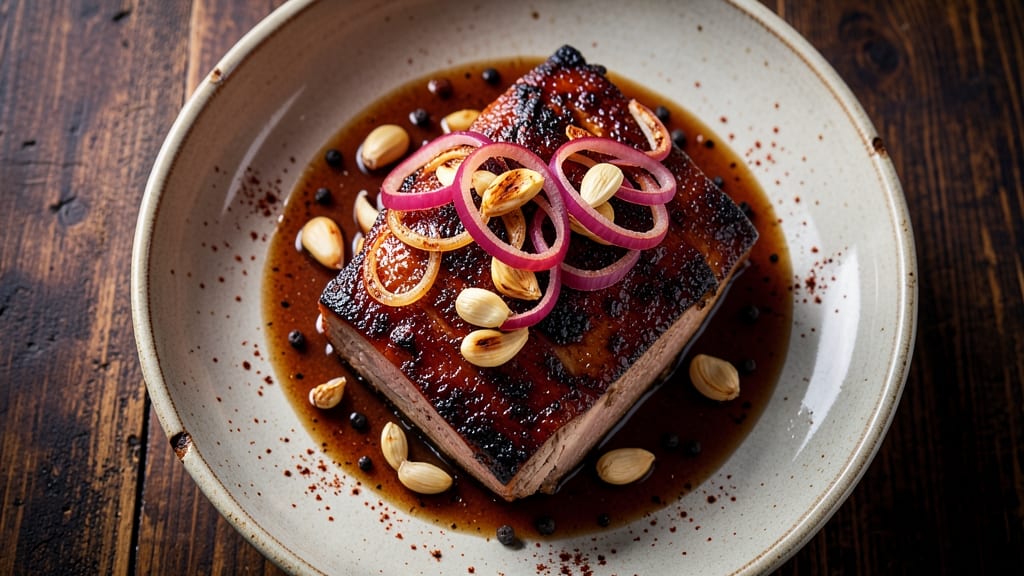
This 24-hour pork shoulder recipe transforms tough meat into melt-in-your-mouth perfection using a cold smoker’s gentle heat. After years of perfecting this method—first in Charleston’s smoky backyards, then at my Atlanta pit—I’ve cracked the code for restaurant-quality results at home.
The secret? Low-and-slow cooking until the collagen dissolves, leaving you with meat so tender it practically falls apart at a touch.
Start with a 5-7 pound bone-in shoulder—the bone adds flavor and helps regulate cooking time. I sear it first in a hot cast iron to build that coveted bark, then transfer it to the smoker where it cooks undisturbed for 24 hours.
The cold smoker’s steady 225°F ensures even heat penetration without drying out the meat, while wood chips infuse subtle smokiness that’s far more nuanced than a hot smoker’s rush.
By the time you hit 203°F internal temperature, your pork shoulder will be fork-tender, the connective tissue broken down into rich, velvety juices. Rest it for an hour before shredding—this is non-negotiable, as it lets the juices redistribute.
Serve it piled high on buttery mashed potatoes, crisp coleslaw, or with homemade pickles to cut through the richness.
This isn’t just a recipe; it’s a weekend project that rewards patience with restaurant-quality results. The aroma alone will have your neighbors asking for seconds. Trust me—I’ve hosted enough backyard BBQs to know this is the one dish that turns casual gatherings into legendary meals. Let’s get smoking.
Ingredients for 24 hour pork shoulder
Six pounds of pork, a handful of spices, and two days of patience. That’s all it takes to turn tough meat into smoky, fork-tender perfection.
| Ingredient | Amount | Notes |
|---|---|---|
| Bone-In Pork Shoulder 🥓 | 6 lb | 5-7 lb, thick cut with bone |
| Yellow Onion 🧅 | 1 whole | Sliced into wedges for rub |
| Garlic Cloves 🧄 | 8 cloves | Minced for seasoning rub |
| Kosher Salt 🧂 | 2 tbsp | Diamond Crystal preferred |
| Coarse Black Pepper 🌶️ | 1 tbsp | Freshly cracked preferred |
| Smoked Paprika 🌶️ | 2 tbsp | High-quality Spanish preferred |
| Ground Cumin 🌿 | 1 tbsp | Toasted for deeper flavor |
| Brown Sugar 🍚 | 1 tbsp | Lightly packed |
| Apple Cider Vinegar 🍎 | 1 tbsp | For tenderizing brine |
| Unsalted Butter 🧈 | ½ cup | Cold, cubed for sear |
| Hickory Wood Chips 🌳 | 1 package | Soaked for 30 minutes |
| Apple Wood Chips 🍎 | ½ package | Soaked for 30 minutes |
| Buttermilk 🥛 | ½ cup | For optional pre-cook marinade |
The pork shoulder is the star—look for a bone-in cut with good marbling. Costco or local butchers usually carry the best quality, but any grocery store with a meat counter will have a decent option. A 5-7 pound shoulder is ideal for this recipe, though you can scale up if feeding a crowd. I always check the fat cap—it should be at least an inch thick to protect the meat during the long cook. For extra insurance, I marinate it overnight in buttermilk before smoking, which helps tenderize the meat further. If you're short on time, even a few hours in the fridge with the spices will make a difference.
No hickory wood chips? Cherry or pecan work beautifully too—they add a sweeter, more complex smoke flavor. Running low on brown sugar? Maple syrup at half the amount gives a similar depth. The apple cider vinegar is non-negotiable though—it's what breaks down those tough muscle fibers during the long cook. For the rub, I always toast my spices in a dry skillet for 30 seconds to wake up their flavors. Pre-ground spices? Toss them—they've lost their punch. If you're feeling fancy, add a pinch of cayenne to the rub for a subtle kick, but trust me, the smoker does most of the flavor work here.
This isn't a meal you want to rush. The pork needs 24 hours at 225°F to reach that magical 203°F internal temperature where the collagen dissolves into rich, velvety juices. Wrap it loosely in butcher paper after the first 12 hours to help retain moisture without steaming the meat. Leftovers? Store in the fridge for up to 5 days or freeze for 3 months. I always make extra—shredded pork sandwiches are my go-to for lazy weeknights, and the flavor only gets better as it sits. The smoker doesn't have to be fancy either; even a simple electric smoker will work as long as you maintain that steady temperature.
Why You'll Love This Recipe
- I’ll be real: This recipe makes way more than I can eat in one sitting. But here’s the thing—those leftovers? They’re even better the next day. Shred it for tacos, sandwiches, or just reheated with a splash of broth. Zero waste, all flavor.
- Set-and-Forget Magic: Honestly, I love that this recipe lets me walk away—literally. Toss the pork shoulder, onions, and garlic in a slow cooker with salt and pepper, then let it work its flavor magic for 24 hours. No babysitting, no stress, just perfection when I get home.
- Crispy-Soft Heaven: Between us, that bone-in pork shoulder becomes ridiculously tender while the edges get this irresistible crust. The onions caramelize just enough to add sweetness, and the garlic? It’s like a warm hug in every bite—simple ingredients, but chef’s kiss results.
- Leftovers That Save Me: I’ll be real: This recipe makes way more than I can eat in one sitting. But here’s the thing—those leftovers? They’re even better the next day. Shred it for tacos, sandwiches, or just reheated with a splash of broth. Zero waste, all flavor.
Step-by-step instructions for smoked pork shoulder
This method transforms tough pork into melt-in-your-mouth perfection using low-and-slow techniques.
Prepare the Dry Rub and Brine the Pork
In a small bowl, combine the 2 tbsp kosher salt, 1 tbsp coarse black pepper, 2 tbsp smoked paprika, 1 tbsp ground cumin, 1 tbsp brown sugar, and 1 tbsp apple cider vinegar. Mix until the spices are thoroughly combined and the vinegar is evenly distributed. This blend creates a perfect balance of heat, sweetness, and acidity that tenderizes the meat.
Pat the 6 lb bone-in pork shoulder completely dry with paper towels—this is critical for bark formation later. In a large bowl, mix the dry rub with the 1 whole yellow onion sliced into wedges and 8 cloves garlic minced. Rub this mixture all over the pork, pressing firmly so the spices adhere. Place the pork in a large resealable bag, add the ½ cup buttermilk, and seal tightly. Refrigerate for 24 hours, turning the bag occasionally to ensure even coating.
Set Up the Smoker for Low-and-Slow Cooking
Soak the 1 package hickory wood chips and ½ package apple wood chips in water for 30 minutes to prevent flare-ups. Preheat your smoker to 225°F using a mix of both wood types—hickory for bold smoke flavor and apple for subtle sweetness. Place a water pan in the smoker to maintain moisture and prevent the pork from drying out.
Once the smoker reaches temperature and you see steady, thin blue smoke (not thick white steam), place the pork shoulder fat-side up on the smoker grate. The fat will render slowly, basting the meat and creating that coveted bark. Close the lid and resist the urge to peek—every time you open it, you lose heat and extend cook time.
Smoke Until Probe-Tender (12-16 Hours)
Smoke the pork undisturbed for 12-16 hours, maintaining a consistent 225°F temperature. You'll hit "the stall" around 165-170°F internal temperature—this is when the meat's moisture evaporates and the temperature plateaus. Don't panic; this is normal. If you're using a digital thermometer, you'll see the temperature stop rising for 1-2 hours before continuing to climb.
When the internal temperature reaches 203°F and a meat probe slides in like butter with no resistance, it's time to wrap. Wrap the pork tightly in butcher paper (not foil—it breathes better and preserves bark), return it to the smoker, and continue cooking until the internal temperature hits 210°F. This final step ensures fall-apart tenderness without drying out the meat.
Rest and Slice for Maximum Juiciness
Remove the pork from the smoker and transfer it to a cutting board. Let it rest for at least 1 hour, loosely tented with foil. This resting period allows the juices to redistribute throughout the meat, ensuring every slice is moist and flavorful. Real talk: Skipping this step means juices will pool on your plate instead of staying in the pork.
Slice the pork against the grain into ½-inch thick slices. The meat should pull apart easily with minimal effort—each bite should be tender enough to fall apart at the touch of your fork. Serve immediately with the rendered fat from the smoker (strain it to remove debris) drizzled over the top for extra richness.
Pro Tips For Making 24 Hour Pork Shoulder
- Trim the Fat Cap: That thick layer of fat on the pork shoulder? Don’t cut it off—leave at least ¼-inch. I learned this the hard way after trimming too much and ending up with dry meat. The fat renders down into flavor gold during the 24-hour cook, so let it work its magic.
- Sear in Batches: A crowded pan steams instead of sears. Work in 2-3 batches over medium-high heat for deep browning—this builds crust that locks in moisture later. I used to rush this, and my pork turned out soggy. Patience here pays off.
- Salt the Onions: Toss those sliced onions with ½ teaspoon of kosher salt before adding them to the pot. It softens them faster and prevents them from turning to mush. My grandmother swore by this, and she was right: they caramelize better without the extra effort.
- Check Internal Temp Twice: Pull the pork at 195°F, but verify with a second reading at 203°F—fat renders differently in bone-in cuts. I’ve had meat fall apart at 195°F because the bone kept it from hitting the right probe spot. A little extra time ensures perfect texture.
Best sauces and condiments for this recipe
Classic BBQ Sauce
My go-to is a tangy-sweet Carolina-style sauce with 2 tbsp apple cider vinegar, 1 cup ketchup, ¼ cup molasses, 1 tbsp smoked paprika, and a pinch of cayenne.
Simmer for 15 minutes to meld flavors, then brush on the pork during the last 30 minutes of smoking. The vinegar cuts through the richness while the molasses adds depth. For extra smokiness, add 1 tsp liquid smoke—trust me, it’s a game-changer. 🔥
Honey-Mustard Glaze
This bright, balanced glaze elevates the pork’s natural sweetness. Mix ½ cup honey, ¼ cup Dijon mustard, 2 tbsp apple cider vinegar, and 1 tsp black pepper. Brush it on during the final 2 hours of cooking.
The mustard adds a sharp contrast, while the honey caramelizes beautifully against the smoky bark. I love serving this with a side of crisp apple slices for a fresh crunch. 🍯
Spicy Chipotle Crema
For heat lovers, blend 1 cup sour cream, 2 tbsp adobo sauce (from canned chipotles), 1 tsp lime juice, and ½ tsp cumin until smooth. Drizzle this over sliced pork or use it as a dipping sauce.
The chipotle adds smoky heat, while the sour cream cools it down. Pair it with pickled red onions for a tangy kick. 🌶️
Caramelized Onion Jam
Slow-cook 3 cups thinly sliced onions in 2 tbsp butter and 1 tbsp brown sugar for 45 minutes until deep golden. Stir in 1 tbsp balsamic vinegar at the end.
This jam adds a sweet, jammy richness that complements the pork’s smokiness. Spread it on toasted sourdough slices for open-faced sandwiches. 🧅
Classic Horseradish Cream
Whip ½ cup sour cream, 2 tbsp prepared horseradish, 1 tbsp Dijon mustard, and 1 tsp apple cider vinegar until smooth. This sharp, creamy sauce cuts through the pork’s fat beautifully.
Serve it alongside roasted Brussels sprouts for a sophisticated touch. The horseradish adds a peppery bite that cleanses your palate. 🌿
Smoked Maple Syrup
Simmer 1 cup pure maple syrup with 1 tbsp apple cider vinegar and ½ tsp smoked salt for 10 minutes to reduce slightly. Drizzle this over sliced pork or use it as a glaze during the last hour of smoking.
The smoky-sweet flavor is pure magic—like a cross between a BBQ sauce and a maple glaze. 🍁
Nutrition facts
Frequently asked questions
Can I use a regular oven instead of a smoker?
Yes! Preheat your oven to 225°F and place the pork shoulder on a rack over a baking sheet with 1 cup water below. Cover tightly with foil and cook for 12-16 hours until it reaches 203°F. For smokiness, add 2 soaked wood chips (hickory or apple) to the water pan. The bark will be less pronounced, but the tenderness will be just as perfect.
What’s the deal with “the stall” during cooking?
Around 165°F, the pork’s moisture evaporates, causing the internal temperature to plateau for 1-2 hours. This is normal! It happens because the meat releases juices that must cook off before the temperature rises again. Keep the smoker at 225°F and resist opening the lid—patience is key.
How do I know when the pork is done?
Use a meat thermometer to check the thickest part of the shoulder (avoid the bone). It’s done when it hits 203°F and a probe slides in like butter with no resistance. The meat should also pull apart easily when you lift a corner with tongs. Never rely on time alone—temperature is your best friend.
Can I make this in a slow cooker?
Brown the pork first in a skillet, then transfer it to your slow cooker on low for 8-10 hours (or high for 5-6 hours). Add ½ cup apple juice to the bottom to keep it moist. The texture will be tender, though the bark won’t be as crispy as smoked pork. For extra flavor, add 1 tbsp smoked paprika to the slow cooker.
What’s the best way to reheat leftovers?
Slice the pork and reheat in a skillet over medium-low heat with 1-2 tbsp rendered pork fat or broth until warmed through (3-4 minutes). Never microwave—it turns the meat rubbery. For sandwiches, toast the bread first, then layer with warm pork and sauce. Leftovers also make amazing tacos or nachos!