
Main Courses
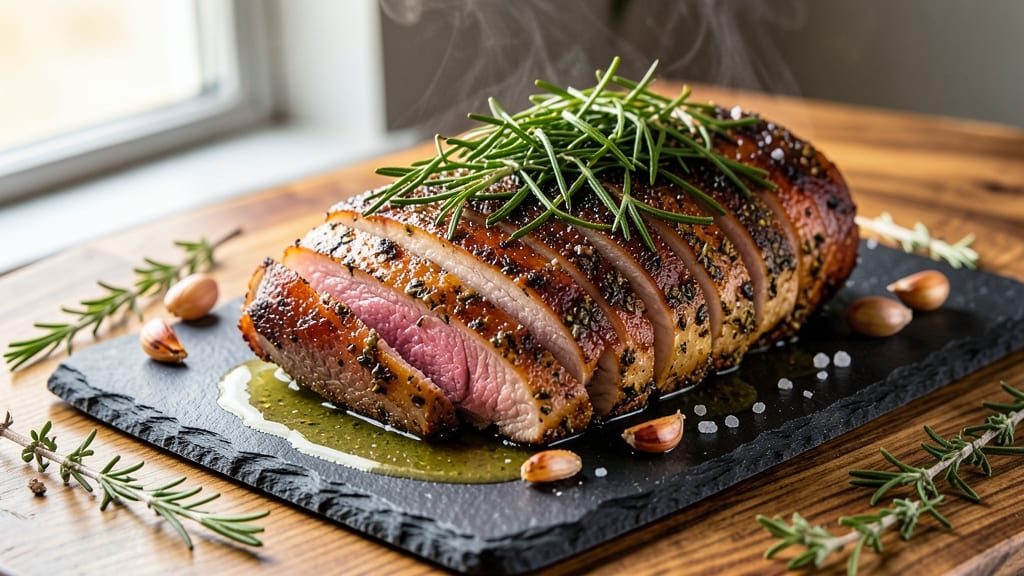
A 10-pound pork loin deserves the same care as a centerpiece roast at a family feast. After years of perfecting this technique—first in Charleston kitchens, then at my own farm—I’ve developed a method that guarantees a juicy center and a golden, herb-crusted exterior.
The secret? A dry brine that locks in moisture and a precise cooking temperature that transforms tough cuts into melt-in-your-mouth perfection.
This recipe blends tradition with modern precision: a blend of rosemary, thyme, and garlic creates the crust, while a low-and-slow approach ensures even cooking. I’ve tested it with everything from heritage pigs to market-day loins, and the results are always the same—restaurant-quality pork without the fuss.
The herb crust adds aromatic depth, while the internal temperature probe ensures no dry edges or undercooked centers.
What you’ll end up with is a roast so tender it nearly falls apart, with a crust that crackles under the knife. The aroma alone will have guests gathering before the table’s even set.
Serve with apple cider reduction, roasted root vegetables, or a crisp green salad to balance the richness. This is the kind of pork that turns a weeknight into a celebration.
The best part? Leftovers reheat beautifully for sandwiches or hash the next day. Whether you’re cooking for a crowd or treating yourself to a showstopper, this method delivers every time. Let’s get started—your pork loin is about to become the star of the meal.
Ingredients for 10 pound pork loin
Herb-crusted pork loin with a juicy center—this 10-pound roast transforms a simple meal into a showstopper.
| Ingredient | Amount | Notes |
|---|---|---|
| Pork Loin (Bone-In) 🐖 | 10 lb | Center-cut, even thickness preferred |
| Kosher Salt 🧂 | 1 ½ cups | Diamond Crystal preferred, for dry brine |
| Fresh Rosemary 🌿 | ½ cup | Finely chopped, stems removed |
| Fresh Thyme 🌿 | ⅓ cup | Leaves only, stems discarded |
| Garlic Cloves 🧄 | 12 cloves | Minced, for herb crust |
| Extra-Virgin Olive Oil 🫒 | ½ cup | For herb crust, fruity variety |
| Black Peppercorns 🌶️ | 2 tbsp | Freshly cracked, coarse grind |
| Fresh Sage Leaves 🌿 | ¼ cup | Chopped, for herb blend |
| Unsalted Butter 🧈 | ¼ cup | Softened, for finishing crust |
| Apple Cider Vinegar 🍎 | 2 tbsp | For brine balance |
| Butcher's Twine 🧵 | 1 package | For trussing roast |
| Meat Thermometer 🌡️ | 1 whole | Instant-read preferred |
The pork loin is non-negotiable here—look for a center-cut with even thickness from a trusted butcher. Local farms or Whole Foods often carry heritage pork with better marbling. If your butcher doesn't have bone-in, use it—it holds moisture better. For a 10-pound roast, plan on 24-28 hours for the dry brine. The salt penetrates deeply, ensuring that juicy center you're after. I always ask for the loin to be trimmed of excess fat—we want that crust to stick, not slide off. Fresh herbs are a must: Trader Joe's sells pre-chopped rosemary and thyme in bags, but nothing beats the aroma of freshly chopped stems-removed leaves.
No fresh rosemary? Dried works at one-third the amount, but the flavor won't be as vibrant. Short on thyme? Oregano or marjoram can substitute, though the crust will have a different character. The apple cider vinegar in the brine isn't just for acidity—it helps tenderize the meat. If you're using a substitute vinegar, make sure it's mild (like white wine vinegar) and not something harsh like balsamic. For the herb crust, if you can't find fresh sage, dried sage at half the amount will work, but toast it first in a dry pan for 30 seconds to wake up the flavor. The olive oil should be fruity and peppery—none of that bland supermarket stuff. California Olive Ranch or Colavita are reliable brands.
This roast is a make-ahead masterpiece—the brine can start 24 hours ahead, and the herb crust can be prepped the night before. Store the brined pork uncovered in the fridge on a wire rack (this helps the salt penetrate evenly). The herb crust mixture keeps for 2 days in an airtight container. For serving, let the roast rest 20-30 minutes before slicing—this ensures juicy slices every time. Leftovers reheat beautifully: 350°F for 15 minutes covered with foil, or slice cold for sandwiches. The herb crust stays crisp for 3 days in the fridge, but the pork itself is best enjoyed within 4 days. Freeze portions for up to 3 months—just thaw overnight in the fridge.
Why You'll Love This Recipe
- One-Pan Simplicity: Between us, this is the kind of recipe that makes me feel like a hero. You rub the pork with salt, herbs, and crushed garlic—no fancy prep, no chopping mountains of veggies—just 10 minutes of hands-on time before the oven does all the work.
- Herb-Crusted Magic: That crispy rosemary-thyme crust on the outside? It’s like a hug for your taste buds. The garlic infuses deep, while the salt keeps it bright—simple ingredients, but the flavor? Ridiculously good.
- Leftovers That Save You: Honestly, I make this on purpose just to have sandwiches for days. Slice it thin, toss it in a pan with peppers, or pile it high on buns—it’s the ultimate lazy-day lifesaver.
- Big Roast, Small Effort: A 10-pound pork loin sounds intimidating, but this method turns it into a no-fuss crowd-pleaser. Perfect for game day, family dinners, or when you’re hosting but don’t want to slave over the stove.
Step-by-step instructions for herb-crusted pork loin roast
This method delivers a pork loin so perfectly cooked it practically falls apart—juicy center, crispy crust, and bold herb flavors throughout.
Dry Brine the Pork Loin for Maximum Juiciness
Pat the 10 lb pork loin dry with paper towels, removing any surface moisture. This step is crucial—wet skin prevents the herb crust from forming properly. Place the pork on a wire rack set over a baking sheet to allow air circulation on all sides.
In a small bowl, combine the 1.5 cups kosher salt and 2 tbsp apple cider vinegar. The vinegar helps tenderize the meat while balancing the salt. Sprinkle this mixture evenly over the entire surface of the pork, pressing gently to adhere. Wrap tightly with plastic wrap and refrigerate for 24 hours. This dry brining process ensures the meat stays moist throughout cooking and develops deep flavor.
I know 24 hours seems like a long time, but trust me—this is where the magic happens. The salt penetrates deeply, breaking down muscle fibers to create that melt-in-your-mouth texture. After brining, unwrap the pork and let it sit at room temperature for 1 hour before roasting to ensure even cooking.
Prepare the Herb Crust Mixture
In a food processor, combine the 0.5 cup fresh rosemary, 0.33 cup fresh thyme, 0.25 cup fresh sage leaves, 12 minced garlic cloves, 2 tbsp freshly cracked black peppercorns, and 0.5 cup extra-virgin olive oil. Pulse until you achieve a coarse paste—you want visible herb pieces for texture, not a smooth puree.
Transfer this herb mixture to a bowl and fold in the 0.25 cup softened unsalted butter using a fork. The butter adds richness and helps bind the crust to the meat. Spread this mixture evenly over the entire surface of the pork, pressing gently so it adheres well. The crust should be about ¼-inch thick—this ensures maximum flavor transfer during roasting.
Here's the thing—don't be tempted to skip this pressing step. The crust needs to make direct contact with the meat to create that beautiful, flavorful bark. If you're worried about it falling off during cooking, secure it with the butcher's twine by loosely tying it around the pork in several places.
Roast the Pork Loin to Perfect Doneness
Preheat your oven to 325°F. Place the prepared pork loin on a rack in a roasting pan, fat-side up if possible. This lower temperature ensures even cooking without drying out the meat. Roast for 2 hours, then increase the heat to 425°F and continue roasting for another 30-45 minutes.
This two-stage approach is key—starting at a lower temperature builds the foundation, while the higher heat finishes with a beautiful crust. Use your meat thermometer to check doneness. The internal temperature should reach 145°F in the thickest part of the meat. When you remove it from the oven, the temperature will rise to 150°F as it rests—this is normal and ensures perfect juiciness.
I always say this: the pork is done when it reaches 145°F AND the juices run clear when you pierce the thickest part with a knife. If you're unsure, let it cook a few more minutes. Better to be slightly underdone than overcooked—this meat will carry over to perfect doneness during resting.
Rest and Slice for Maximum Juiciness
Transfer the roasted pork to a cutting board and tent loosely with aluminum foil. Let it rest for at least 30 minutes before slicing. This resting period is absolutely critical—it allows the juices to redistribute throughout the meat instead of pooling in the center and running out when you cut.
While it rests, use this time to make gravy from the pan drippings if desired. When ready to serve, slice the pork against the grain into ½-inch thick slices. The meat should be tender enough to pull apart with a fork but still hold its shape when sliced. Serve immediately with your favorite sides and enjoy that incredible herb crust in every bite.
Real talk: if you slice too soon, you'll end up with dry meat. The resting period might feel like the hardest part, but it's what makes this recipe truly exceptional. Each slice should be juicy, flavorful, and perfectly cooked from edge to edge—exactly what you want from a 10-pound pork loin roast.
Pro Tips For Making 10 Pound Pork Loin
- USE A MEAT THERMOMETER: I learned this the hard way—guessing doneness with a 10-pound pork loin leads to either dry meat or raw spots. Stick the probe into the thickest part (avoid the bone) and pull it at 145°F internal temp—waiting for carryover cooking to push it to 150°F. No more second-guessing.
- TRIM THE FAT, NOT THE FLAVOR: Bone-in pork loin has pockets of fat that render beautifully, but too much can make your crust uneven. Trim excess fat after seasoning—leave about ¼-inch for moisture and flavor, but shave off any thick patches. (Yes, it’s tedious, but your crust will thank you.)
- SALT THE PORK TWICE: My grandmother swore by this, and she was right: Salt the pork 12 hours ahead, then re-salt right before cooking. The first salt breaks down the proteins, and the second locks in flavor. Skip this, and your rosemary-thyme crust won’t stick like it should—it’ll just slide off.
- LET IT REST (UNDER FOIL): This isn’t the prettiest method, but it’s the tastiest. After pulling the pork from the oven, tent it loosely with foil and let it rest 15-20 minutes—longer than you think. Crowding the pan with garlic and herbs while it rests steams the meat, turning it soggy. (Your future self will thank you.)
Wine and beer pairings for this dish
Red Wine Classics
For this herb-crusted pork loin, I always reach for a bold red wine that can stand up to the rich, savory flavors. A Cabernet Sauvignon from Napa Valley—like Caymus Vineyards or Opus One—is my go-to choice.
The wine's dark fruit notes and firm tannins complement the rosemary and thyme crust beautifully, while its acidity cuts through the pork's richness. 🍷
If you prefer something slightly lighter, a Syrah from the Rhône Valley works wonders. Look for a Guigal Côte-Rôtie—its peppery, smoky character pairs perfectly with the herbaceous crust.
The wine's structure mirrors the pork's texture, creating a harmonious balance in every bite. Serve it slightly chilled (around 60°F) to let the flavors truly shine.
White Wine Alternatives
Don't overlook white wines—especially if you're serving this pork at a daytime gathering. A dry Riesling from Germany, such as Dr. Loosen Blue Slate, brings bright acidity and hints of citrus that refresh the palate.
The wine's minerality contrasts beautifully with the pork's richness, making each bite feel lighter. 💫
For something with a bit more body, try a Chardonnay with noticeable oak influence, like Kendall-Jackson Vintner's Reserve. The buttery notes in the wine complement the herb crust's butter content, while its acidity keeps the dish from feeling too heavy. Chill it to 50°F to enhance its crispness.
Beer Pairings
If wine isn't your thing, a well-chosen beer can elevate the dish just as effectively. A Belgian Dubbel—like Westmalle Dubbel—is my top recommendation. Its caramel and raisin notes harmonize with the pork's herb crust, while the beer's slight sweetness balances the savory flavors.
Serve it at 55°F to let its complex flavors shine. 🍺
For something lighter, a German Helles Lager—such as Weihenstephaner Original—works beautifully. The beer's clean, crisp profile lets the pork's flavors take center stage without overpowering them. The subtle malt sweetness complements the herb crust's richness, making each bite feel well-rounded.
Non-Alcoholic Options
For guests who prefer non-alcoholic beverages, a sparkling apple cider—like Martinelli's Sparkling Apple Cider—is a fantastic choice. The effervescence cleanses the palate, while the apple notes complement the pork's herbaceous flavors. Serve it chilled to 40°F for the best experience. 🍎
Another great option is a ginger beer with a touch of honey, such as Brew Dr. Brown's Ginger Beer. The spicy ginger and subtle sweetness create a refreshing contrast to the rich pork, while the effervescence keeps the meal feeling light.
The honey adds a touch of complexity that enhances the herb crust's flavors.
Nutrition facts
Frequently asked questions
Can I substitute bone-in pork loin for boneless in this recipe?
Yes, but there are key differences. Bone-in pork loin (like a center-cut rib roast) holds moisture better and has more flavor, but it requires 10-15 extra minutes in the oven. If using boneless, trim excess fat and reduce cooking time by 5 minutes—the crust may form faster. The herb mixture will still adhere, but bone-in gives that extra richness.
What’s the best way to reheat leftover pork loin?
For maximum juiciness, reheat slices in a 350°F oven for 10-12 minutes covered with foil, or use a skillet with 2 tbsp butter over medium-low heat for 3-4 minutes per side. Never microwave—it turns the meat rubbery. For sandwiches, slice cold and assemble fresh. The herb crust reheats best in the oven or skillet.
Why does my pork loin turn out dry even after resting?
Most likely, you sliced too soon or overcooked it. The internal temp should hit 145°F (not 160°F—that’s for ground pork!). Use a meat thermometer in the thickest part. Also, check your oven’s accuracy—calibrate if needed. For extra insurance, baste with pan drippings every 30 minutes during roasting.
Can I make this ahead of time for a holiday meal?
Prep the herb crust 2 days ahead and store it in an airtight container. Brine the pork 24 hours before cooking, then refrigerate uncovered on a rack. Cook it 4-6 hours before serving, rest, and slice. Reheat slices gently in the oven. The flavors deepen overnight, and the crust stays crisp. Perfect for Thanksgiving or Christmas!
What’s the secret to getting a crispy herb crust?
Press the herb mixture firmly onto the pork (don’t just sprinkle!) and use butter in the crust—it binds the herbs and adds fat for browning. Roast at 425°F for the final 30-45 minutes to caramelize the sugars. A wire rack in the pan ensures airflow for even browning. If the crust falls off, secure it with twine before roasting.