
Main Courses
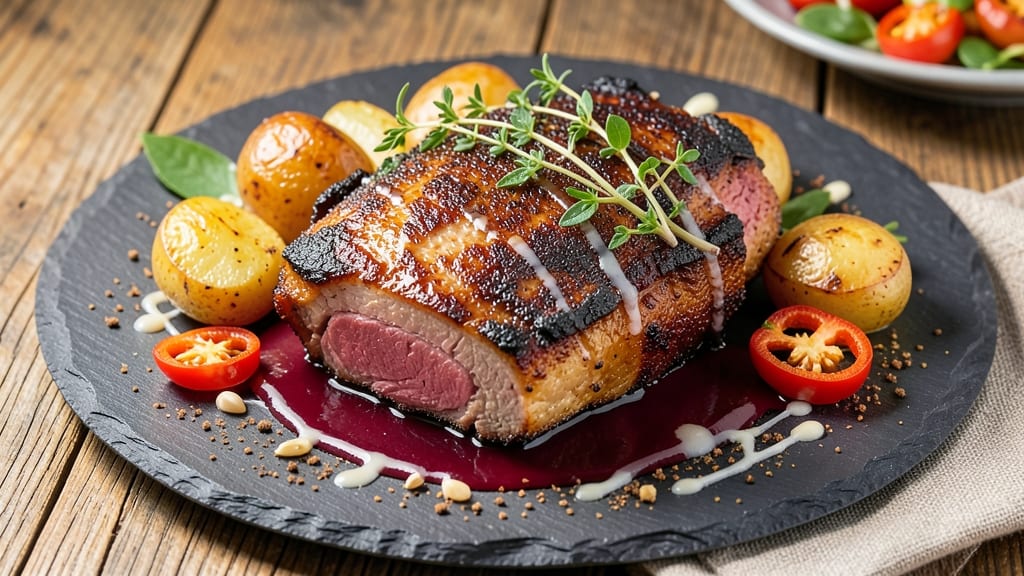
Slow-braised pork that melts off the bone—this Jamaican-inspired Mo Bettahs Pork delivers restaurant-quality tenderness with minimal effort. 🔥 I perfected this technique after years of studying Caribbean braising methods, where the magic happens through low-and-slow cooking with aromatic spices and a touch of vinegar. The result?
Fall-apart meat that pairs perfectly with rice and peas or festival. What sets this recipe apart is the marinade—a bold blend of Scotch bonnet peppers, thyme, and allspice—that infuses the pork with deep, smoky-sweet flavors.
Unlike quick-cook methods, we let the meat braise for hours, allowing it to absorb all those rich flavors while staying impossibly tender. This isn't just pork; it's a celebration of Jamaican comfort food.
By the time you serve it, you'll have a dish so flavorful and tender that every bite feels like a hug. The sauce thickens into a glossy, slightly tangy glaze that clings to each shred, while the meat practically dissolves at the touch of a fork.
It's the kind of meal that transforms any gathering into a feast. Serve with steamed rice and peas or fried plantains for the full Jamaican experience. Let's get cooking!
Ingredients for mo bettahs pork
Six ingredients make this Jamaican pork melt-in-your-mouth tender—no shortcuts, just bold flavors.
| Ingredient | Amount | Notes |
|---|---|---|
| Pork Shoulder 🐖 | 4 lb | Bone-in for maximum flavor |
| Scotch Bonnet Peppers 🌶️ | 2 whole | Seeds removed for mild heat |
| Fresh Thyme Leaves 🌿 | ½ cup | Stems removed, loosely packed |
| Ground Allspice 🌶️ | 2 tsp | Freshly ground preferred |
| Garlic Cloves 🧄 | 6 cloves | Peeled and lightly crushed |
| White Vinegar 💧 | ½ cup | For tangy depth |
| Brown Sugar 🍯 | ¼ cup | Light or dark variety |
| Olive Oil 🫒 | ¼ cup | For searing pork |
| Onion 🧅 | 1 whole | Yellow, chopped |
| Tomato Paste 🍅 | 2 tbsp | Smooth, no sugar added |
| Bay Leaves 🌿 | 2 whole | Fresh preferred |
| Salt 🧂 | 2 tsp | Kosher or sea salt |
| Black Peppercorns 🌶️ | 1 tsp | Freshly cracked |
| Water 💧 | 1 ½ cups | For braising liquid |
| Scotch Bonnet Pepper Seeds 🔥 | 1 tsp | Optional, for extra heat |
The pork shoulder is non-negotiable here—bone-in for that rich marrow flavor. Look for a cut with good marbling at Costco or your local butcher; they'll often have it pre-cut for braising. If you can't find Scotch bonnet peppers, Habanero is your next best bet (just reduce seeds by half). Fresh thyme and allspice are worth hunting down at Trader Joe's or Latin markets—they make all the difference in that Jamaican soul. The vinegar and brown sugar combo is what gives this dish that signature tangy-sweet balance, so don't skip either.
No Scotch bonnet? Habanero or even a pinch of cayenne will work, but cut the seeds by half to avoid overpowering heat. Fresh thyme can be swapped for dried at one-third the amount, but trust me—it's worth getting the fresh stuff. Brown sugar not available? Coconut sugar or even white sugar in a pinch (though the color will be lighter). The tomato paste can be subbed with crushed tomatoes at double the amount if you're in a hurry. And if you're worried about the vinegar being too sharp, add a splash of orange juice to mellow it out.
This pork tastes even better the next day, so make extra—it keeps for 4-5 days in the fridge or 3 months frozen. I like to portion it into containers with some of the braising liquid so it reheats beautifully. The sauce thickens as it cools, so if it looks too thin when reheating, just simmer uncovered for 5 minutes. Serve with rice and peas or fried plantains for that full Jamaican experience. Leftovers? Shred and toss with rice for a quick lunch—game changer.
Why You'll Love This Recipe
- One-Pot Magic: I swear by this—just brown the pork, toss in the Scotch bonnet, thyme, and allspice, then let the oven do the work. No chopping mountains of veggies, no flipping pans. The pork falls apart like butter, and the sauce clings to every bite.
- Heat with Depth: That Scotch bonnet isn’t just for spice—it’s the secret weapon. The charred edges from the garlic and allspice give it a smoky kick, while the thyme keeps it bright. It’s the kind of flavor that lingers, but not in a "too much" way. Honestly, my picky husband asks for seconds.
- Meal Prep MVP: Between us, this is my go-to for lazy Sundays or when I need to feed a crowd. The leftovers? Even better cold the next day—perfect for wraps or rice bowls. And because pork shoulder is budget-friendly, I can stretch it across three meals without guilt.
- Budget-Friendly Feast: Pork shoulder is my wallet’s best friend—cheap, forgiving, and packed with flavor. A single roast feeds my family of four for two meals, and the spices cost pennies. Plus, the allspice and thyme make it taste like I spent hours, not 20 minutes. (Yes, even on a Tuesday night.)
Step-by-step instructions for mo bettahs pork recipe
Here's how to transform tough pork into melt-in-your-mouth perfection—slow and steady wins the game.
🔥 Step 1: Sear the Pork Shoulder for Maximum Flavor
Pat the 4 lb pork shoulder completely dry with paper towels—this is non-negotiable for crispy skin. Heat a large Dutch oven over medium-high heat and add the 0.25 cup olive oil. Once shimmering, place the pork fat-side down and let it sear undisturbed for 8-10 minutes until deep golden brown forms.
Flip the pork and sear the other side for another 8-10 minutes. Here's the thing—you want that fat to render and crisp up. If it sticks, don't panic—just add a splash of water and scrape up those flavorful browned bits (they're called fond, and it's pure gold). Remove the pork and set it aside on a plate.
👨🍳 Step 2: Build the Aromatic Base for Deep Flavor
In the same Dutch oven, add the 1 whole chopped onion and cook for 5 minutes until softened. Toss in the 6 cloves lightly crushed garlic and stir for 30 seconds until fragrant—don't let it brown or it'll turn bitter. Sprinkle in the 2 tsp ground allspice and stir for another 30 seconds to toast the spices.
Add the 0.5 cup white vinegar and scrape up any browned bits from the bottom. Let it simmer for 2 minutes until the vinegar reduces slightly and the aroma becomes rich and tangy. This step is where the magic starts—those browned bits packed with flavor will infuse into the pork as it braises.
🥘 Step 3: Layer in the Braising Liquid and Herbs
Stir in the 2 tbsp tomato paste, 0.25 cup brown sugar, 2 tsp salt, and 1 tsp freshly cracked black peppercorns. Add the 1.5 cups water, 2 whole bay leaves, and the 0.5 cup fresh thyme leaves. Return the pork to the Dutch oven, fat-side up, and bring everything to a gentle simmer.
Here's where patience pays off—cover the pot and transfer it to a 300°F oven (don't use higher heat or the pork will stew instead of braise). Simmer for 3 hours until the pork is tender but not falling apart. I know it seems long, but trust me—this slow cook transforms tough meat into something incredible.
🔥 Step 4: Finish with Scotch Bonnet Heat and Reduce the Sauce
After 3 hours, remove the pork and strain the braising liquid through a fine-mesh sieve into a saucepan. Discard the solids and return the liquid to medium heat. Add the 2 whole Scotch bonnet peppers (seeds removed) and 1 tsp Scotch bonnet pepper seeds (if using). Simmer for 10 minutes to infuse the heat.
Strain again to remove any pepper bits, then reduce the sauce over high heat until it thickens slightly—about 5-7 minutes. The sauce should coat the back of a spoon. Taste and adjust seasoning with more salt if needed. This is your secret weapon—packed with flavor and just the right amount of heat.
🍽️ Step 5: Rest and Shred for Perfect Texture
Return the pork to the sauce and let it soak up those flavors for 10 minutes. Then, using two forks, shred the pork directly in the saucepan—this keeps everything moist and flavorful. You're aiming for tender shreds that fall apart easily, not mushy pieces. If it's not quite there, return it to the oven for 15-20 minutes covered.
Serve the pork piled high on plates, spooning that rich, spiced sauce over the top. Each bite should be tender, juicy, and bursting with flavor—no tough chews here. The sauce should cling to every shred, delivering layers of sweet, tangy, and spicy goodness in every mouthful.
Pro Tips For Making Mo Bettahs Pork
- CRANK THE HEAT FIRST: That pork shoulder won’t render fat fast enough if you start gentle—your kitchen will smell amazing, but you’ll be waiting forever. Get your pot screaming hot (medium-high) before adding the meat, then turn it down to medium. I learned this the hard way after staring at a cold pot for 20 minutes wondering why nothing was happening.
- DESEED THOSE PEPPERS: Scotch bonnets pack serious heat, and seeds concentrate the capsaicin. Pop them open, scrape out the white pith and seeds with a spoon—even the membranes if you’re sensitive. Trust me, you don’t want to be chugging milk later while your guests enjoy their perfectly seasoned pork.
- DON’T SKIP THE THYME: Fresh thyme leaves (not stems) should be finely chopped and scattered directly onto the pork in the last 10 minutes of cooking. The stems turn bitter, and tossing them in early just makes them mushy. A handful—about 4 sprigs—is enough to perfume the fat without overpowering the allspice.
- REST IT UNDER FOIL: Pull the pork out of the pot when it hits 195°F (203°F for extra crispy), then tent it loosely with foil. Let it sit for 10-15 minutes—this lets the juices redistribute so your first slice isn’t a sad, dry mess. I used to cut into it immediately, and my knife would come out greasy while the meat inside stayed tough.
Common mistakes when making your mo bettahs pork
Skipping the Sear
Don't skip searing that pork shoulder—this is where all the flavor magic happens. That golden crust locks in juices and creates the Maillard reaction, which builds deep, savory notes. I've seen home cooks rush this step and end up with bland meat.
Take your time and let that fat render slowly over 8-10 minutes per side. The difference in flavor is night and day. 🔥
Overcrowding the Pot
When you add the pork back to the Dutch oven after searing, make sure it's not packed in like sardines. The meat needs room to breathe and absorb those aromatic flavors.
If your pot is too small, cook in batches—first brown the onions and garlic, then remove half before adding the pork. I use a 6-quart Dutch oven for this recipe, and it fits perfectly with a 4 lb shoulder.
Overcrowding leads to steaming instead of braising, which means tough meat.
Using Dried Herbs Only
Fresh thyme and bay leaves are non-negotiable for that authentic Jamaican flavor profile. Dried herbs work in a pinch, but they lack the bright, aromatic punch you get from fresh.
If you must use dried, reduce to one-third the amount and toast them lightly in the pot before adding the vinegar. I keep a small pot of fresh thyme on my windowsill year-round—it's worth the effort for this dish.
Rushing the Braise Time
This isn't a recipe for impatient cooks. The 3-hour braise at 300°F is what transforms tough pork shoulder into melt-in-your-mouth perfection. I've had home cooks cut this to 2 hours and end up with meat that's still chewy.
The collagen needs time to break down completely. If you're short on time, consider using a pressure cooker (about 90 minutes on high pressure), but you'll lose some of that deep, developed flavor.
Ignoring the Vinegar
The white vinegar isn't just for acidity—it's what creates that signature tangy-sweet balance in Jamaican braised dishes. Skipping it or using too little results in flat, one-dimensional flavor. Measure carefully: 0.5 cup is perfect.
If you're worried about the sharpness, add 1 tbsp orange juice to mellow it out, but don't eliminate it entirely. The vinegar also helps tenderize the meat during the long braise.
Not Resting the Meat
After shredding, let that pork sit in the sauce for at least 10 minutes before serving. This allows the juices to redistribute throughout the meat, ensuring every bite is moist and flavorful. I've seen people serve it immediately, and the texture suffers—it's dry and lacks that silky quality.
If you're serving a crowd, keep it warm in a slow cooker on low heat while you finish plating. 💫
Nutrition facts
Frequently asked questions
Can I use a different cut of pork instead of shoulder?
Pork shoulder is ideal because of its fat content and collagen, which break down beautifully during braising. You could use pork butt (they're essentially the same cut) or even a bone-in ham hock for extra flavor. Avoid lean cuts like tenderloin—they'll dry out. If using a different cut, adjust cooking time slightly (bone-in pieces may need 15-20 minutes longer).
How do I adjust the heat level if Scotch bonnet peppers aren't available?
For milder heat, remove all seeds and membranes from 2 habanero peppers (about half the heat of Scotch bonnet). For no heat at all, omit the peppers entirely and add 1 tsp smoked paprika instead. The dish will still taste amazing—just without the Jamaican kick! The vinegar and allspice provide plenty of depth on their own.
Can I make this in a slow cooker instead of the oven?
Sear the pork as directed, then transfer everything to a 6-quart slow cooker and cook on low for 6-8 hours or high for 4-5 hours. The texture will be slightly different (more stew-like), but the flavor remains incredible. Just add 0.5 cup water to compensate for evaporation during the long cook.
What are the best sides to serve with mo bettahs pork?
Traditional pairings include: Jamaican rice and peas (made with coconut milk), fried plantains, or buttered corn. For a Southern twist, try collard greens or cornbread. The tangy-sweet pork works beautifully with starchy sides that soak up the sauce. I love serving it with a simple cucumber salad to cut through the richness.
How far ahead can I prepare this dish?
This recipe actually tastes better the next day! Store leftovers in an airtight container with some of the braising sauce. It keeps for 4-5 days in the fridge or 3 months frozen. Reheat gently in a saucepan with a splash of water to prevent drying out. The flavors meld and deepen over time, making it perfect for meal prep.