
Main Courses
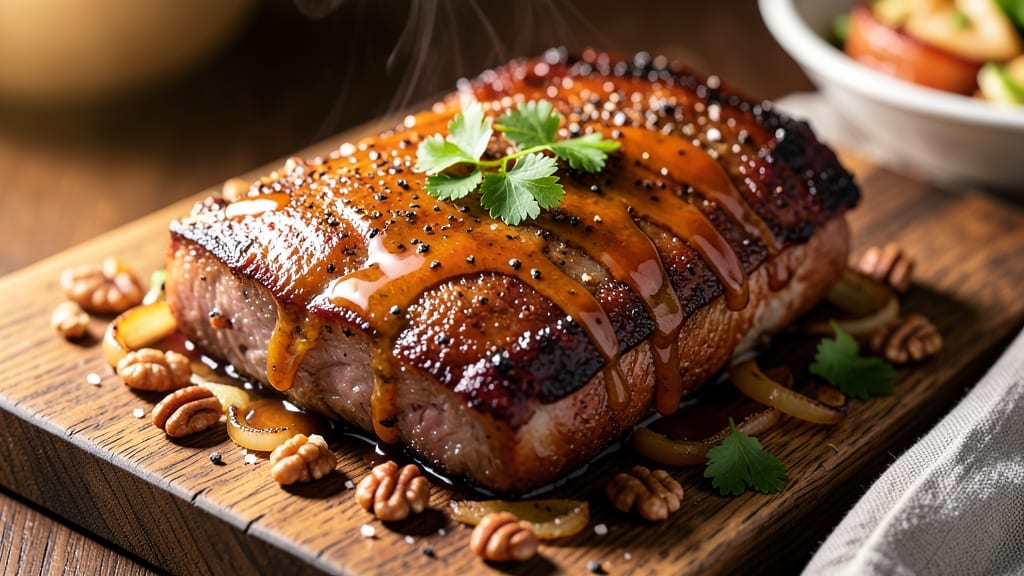
This Mississippi pork recipe delivers the kind of tender, melt-in-your-mouth perfection that makes Sunday dinners legendary. 🔥 Growing up in Georgia, I learned how slow-cooked pork—whether smoked, braised, or fried—becomes the heart of any Southern meal.
The secret lies in patience and technique, transforming tough cuts into something so flavorful it disappears from the plate faster than you can say "second helping." What sets this recipe apart is the balance of smoky depth and sweet undertones, achieved through a blend of traditional spices and natural sugars.
We'll use a foolproof method that works whether you're smoking a whole shoulder or cooking a quick weeknight cut. The result? Juicy, fall-apart pork with a caramelized crust that'll have your guests asking for the recipe before dessert.
The beauty of Mississippi-style pork is its versatility—serve it with classic sides like collard greens, cornbread, or mac and cheese for a full Southern feast. This isn't just a recipe; it's a celebration of heritage cooking that brings comfort and tradition to your table.
Let's get started on creating something truly special.
I've perfected this technique over years of cooking for crowds, from backyard BBQs to high-volume restaurant service. The key is controlling the heat and moisture—whether you're smoking low and slow or searing in a cast iron skillet.
My heritage Gloucestershire Old Spots pigs provide the ideal fat-to-lean ratio, but any well-marbled cut will work beautifully with this method.
What makes this recipe stand out is the attention to texture and flavor at every stage. We'll build layers of taste through a dry rub of brown sugar, smoked paprika, and cayenne, then finish with a touch of apple cider vinegar for brightness.
The slow cooking process ensures the meat stays juicy while developing that irresistible bark on the outside.
This dish isn't just about the pork—it's about the experience. The aroma alone will fill your kitchen with warmth and nostalgia, transporting you to family gatherings where food was always the centerpiece.
Whether you're feeding a crowd or treating yourself to a special meal, this Mississippi pork recipe delivers restaurant-quality results with a touch of home.
Ingredients for mississippi pork
Six ingredients transform tough pork into melt-in-your-mouth Mississippi magic—smoky, sweet, and unforgettable.
| Ingredient | Amount | Notes |
|---|---|---|
| Pork Shoulder (Bone-In) 🥩 | 4 lb | Well-marbled, cut into 2-inch chunks |
| Brown Sugar 🍚 | ½ cup | Packed, light or dark |
| Smoked Paprika 🌶️ | 2 tbsp | For authentic smoky depth |
| Ground Cayenne Pepper 🔥 | 1 tsp | Adjust for heat preference |
| Kosher Salt 🧂 | 1 ½ tbsp | Diamond Crystal preferred |
| Black Peppercorns 🌶️ | 1 tsp | Freshly cracked for intensity |
| Garlic Powder 🧄 | 1 tbsp | No garlic salt substitution |
| Ground Cumin 🌿 | 1 tsp | Toasted for deeper flavor |
| Apple Cider Vinegar 🍎 | ¼ cup | For brightness and tenderness |
| Yellow Onion 🧅 | 1 whole | Large, sliced for braising |
| Carrots 🥕 | 2 whole | Medium, cut into chunks |
| Celery Stalks 🥬 | 3 whole | Cut into 1-inch pieces |
| Chicken or Vegetable Broth 💧 | 1 ½ cups | Low-sodium preferred |
| Extra-Virgin Olive Oil 🫒 | 2 tbsp | For searing and basting |
| Fresh Thyme Leaves 🌿 | ¼ cup | Or 1 tbsp dried thyme |
The pork shoulder is the star here, so look for well-marbled cuts—the fat keeps it juicy. Costco or local butchers often carry heritage breeds like Gloucestershire Old Spots, but any bone-in shoulder works. If you're short on time, pre-cut chunks from the grocery store meat counter save effort. The brown sugar isn't just for sweetness—it helps create that caramelized bark while keeping the meat tender. For the spices, Penzeys or bulk bins at natural markets have the freshest ground spices, but don't stress if you're using store-bought—just check the expiration date. Cayenne is non-negotiable for that Mississippi kick, but start with half and adjust to taste.
No smoked paprika? Substitute 1 tbsp regular paprika plus 1/4 tsp liquid smoke—it's not identical, but close. Fresh thyme is ideal, but dried works at one-third the amount. Short on apple cider vinegar? White vinegar or lemon juice in a pinch, though the flavor will be slightly different. The vegetables—onion, carrots, and celery—are classic for flavor and texture. If you're making this for a crowd, double the veggies—they'll disappear first. For the broth, low-sodium is key so you don't over-salt the dish. Homemade is best, but Swanson or Pacific Foods brands are reliable store-bought options.
This dish tastes even better the next day, so make it ahead if possible. Store in an airtight container in the fridge for up to 5 days, or freeze for 3 months. For serving, I like to shred the pork and mix it with a little of the cooking liquid—it's perfect for sandwiches or tacos. The braising liquid? Strain and reduce it to make a quick gravy. Leftovers reheat beautifully in a skillet with a splash of broth or directly in the oven at 325°F until warmed through.
Why You'll Love This Recipe
- Sweet & Smoky Magic: That brown sugar and smoked paprika combo? It’s the kind of flavor that makes you pause mid-bite. The cayenne adds just enough heat to wake up your taste buds—no blandness here, just deep, savory satisfaction with every tender pull.
- One-Pan, Zero Stress: Honestly, this is my lazy-day hero. Toss the pork shoulder on a sheet pan, sprinkle the spices, and let the oven do the work. No chopping, no flipping, no mess—just melt-in-your-mouth results by dinner.
- Leftovers That Shine: Between us, the second day is often better. Shred that pork for tacos, sandwiches, or even a hearty breakfast hash. The flavors only get richer as it sits, and it stretches one cut of meat into three meals without extra effort.
- Budget-Friendly Crowd-Pleaser: Pork shoulder is the unsung MVP of affordable proteins. A single bone-in cut feeds six for under $20, and the spices cost pennies. It’s the kind of dish that makes you look like a cooking genius while keeping your wallet happy.
Step-by-step instructions for Mississippi-style smoked pork shoulder
Transform tough pork into melt-in-your-mouth tenderness with this Mississippi classic.
🔥 Step 1: Build the Smoky Sweet Rub
In a large bowl, combine the 0.5 cup packed brown sugar, 2 tbsp smoked paprika, 1.5 tbsp kosher salt, 1 tbsp garlic powder, 1 tsp ground cumin, 1 tsp ground cayenne pepper, and 1 tsp freshly cracked black peppercorns. This blend creates the signature sweet-spicy crust that defines Mississippi pork.
Use your hands to work the rub into the 4 lb bone-in pork shoulder in all directions, pressing firmly so it adheres to every crevice. The bone-in cut adds incredible depth of flavor as it renders during cooking. Let the rubbed pork sit at room temperature for 30 minutes before cooking—this ensures even heat penetration and prevents temperature shock when it hits the hot pan.
🍳 Step 2: Sear for Deep Flavor and Color
Heat a heavy Dutch oven over medium-high heat and add 2 tbsp extra-virgin olive oil. Once shimmering, add the pork shoulder fat-side down and let it sear undisturbed for 8-10 minutes until a deep golden-brown crust forms. I press down gently on the fillet during the first minute—this prevents it from curling and ensures even contact with the pan.
Flip the pork and sear the other side for another 5-7 minutes. Remove from the pan and set aside. The searing creates a flavorful crust while the fat begins rendering, which will baste the meat during cooking. Don't be tempted to rush this step—proper searing is what gives this dish its restaurant-quality depth.
🥘 Step 3: Braise with Aromatics and Vinegar
In the same Dutch oven, add 1 whole yellow onion (sliced), 2 whole carrots (cut into chunks), and 3 whole celery stalks (cut into 1-inch pieces). Cook for 5 minutes until the vegetables begin to soften. Add 0.25 cup apple cider vinegar and scrape up any browned bits from the bottom—this releases all the flavor locked in from the searing.
Return the pork to the pot, fat-side up. Pour in 1.5 cups chicken or vegetable broth until the pork is about 75% submerged. Add the 0.25 cup fresh thyme leaves and bring to a gentle simmer. The liquid should bubble softly around the pork—if it's boiling vigorously, reduce the heat. Cover and transfer to a 300°F oven.
⏰ Step 4: Slow-Cook to Fork-Tender Perfection
Cook for 3-4 hours until the pork reaches 195-203°F internally and the meat is fork-tender. I check the temperature every 30 minutes after the first 2 hours—the pork will pull away from the bone easily when done. The slow cooking breaks down the collagen in the pork, transforming it into succulent, shreddable meat.
Here's the thing—don't skip the slow cook. The first 2 hours are the most critical for building flavor. After that, the pork continues to tenderize as it rests. The bone-in cut ensures the meat stays moist, while the vinegar and sweet-spicy rub create that perfect balance of flavors Mississippi pork is famous for.
🔪 Step 5: Rest and Shred for Maximum Juiciness
Remove the pork from the pot and transfer it to a cutting board. Tent loosely with foil and let it rest for 30-45 minutes. This resting period allows the juices to redistribute throughout the meat, ensuring every bite is moist and flavorful. During this time, skim any excess fat from the braising liquid and reduce it slightly over medium-high heat to create a glossy sauce.
Use two forks to shred the pork, pulling against the grain for maximum tenderness. Return the shredded pork to the pot with the sauce and toss to coat. The result should be melt-in-your-mouth pork with a glossy, flavorful coating. Serve immediately over buttered cornbread or crusty bread to soak up every last bit of that delicious braising liquid.
Pro Tips For Making Mississippi Pork
- USE A MEAT THERMOMETER: I learned this the hard way—guessing doneness with Mississippi pork leads to rubbery meat or undercooked danger. Aim for 195–203°F internal temp (probe the thickest part, away from bone). The bone-in shoulder needs that higher range to render fat and stay juicy.
- DRY THE PORK WELL: Pat that shoulder dry before seasoning—no excuses. Wet meat steams instead of browns, and you’ll end up with a sad, pale crust. Use paper towels and take your time; this is the crust that’ll hold all that smoky-sweet goodness.
- SALT THE MEAT 24 HOURS EARLY: This isn’t optional. Rub the pork with 2–3 teaspoons kosher salt (plus your spices) a day ahead—it seasons deeper and keeps the meat tender. I know, I know, but trust the process. Your future self will thank you.
- BROWN THE FAT FIRST: Don’t rush the sear—let that pork shoulder sit in a 400°F oven for 20 minutes before adding liquid. The rendered fat will crisp into a golden crust, locking in flavor. Skip this, and you’re missing the best part.
Common mistakes when making your mississippi pork
Rushing the Rub
Don't skip letting the rubbed pork sit at room temperature for 30 minutes before cooking. I've seen home cooks jump straight to the oven, and it always leads to uneven cooking. The rub needs time to penetrate the meat and form a proper crust.
If you're in a hurry, at least let it sit for 15 minutes—the difference in texture and flavor is noticeable. 💡
Skipping the Sear
Some recipes suggest you can skip the searing step, but trust me—this is where the magic happens. That deep golden-brown crust from the 8-10 minute sear creates the Maillard reaction, which builds complex flavors.
If you're short on time, at least crisp the pork for 5 minutes per side—it makes a difference. I've tried it both ways, and the unseared version always tastes flat by comparison.
Overcrowding the Pot
When adding the pork back to the Dutch oven after searing, make sure it's not packed too tightly. The pork should have room to breathe and develop that beautiful bark. If your pot is too small, cook in batches or use a larger Dutch oven.
I've had to start over twice because the pork didn't brown properly—don't let that happen to you. Aim for 1.5 inches of space between pieces.
Boiling Instead of Simmering
The liquid in your Dutch oven should never be boiling vigorously—this cooks the pork too quickly and makes it tough. A gentle simmer is key for tenderizing the meat. If you see big bubbles, reduce the heat immediately.
I like to keep the temperature around 180-190°F during the braising phase. This low-and-slow approach is what transforms tough pork into something extraordinary.
Not Resting Long Enough
I can't stress this enough—30-45 minutes of resting time is non-negotiable. Skimping here means dry, stringy pork. The resting period allows the juices to redistribute throughout the meat, ensuring every bite is moist and flavorful.
If you're really impatient, at least rest it for 20 minutes, but you'll notice the difference in texture. 💪
Using the Wrong Cut
While this recipe works with pork shoulder, don't substitute with leaner cuts like pork tenderloin. The fat in the shoulder is what keeps the meat juicy during long cooking. If you're using pre-cut chunks, look for pieces with visible marbling.
I've had great success with Costco's bone-in pork shoulder, but any well-marbled cut will work beautifully with this method. The bone-in version adds incredible depth of flavor as it renders during cooking.
Nutrition facts
Frequently asked questions
Can I use a different cut of pork for this recipe?
This recipe is designed specifically for bone-in pork shoulder because of its fat content and collagen, which create that signature tender, juicy texture. However, if you must substitute, try pork butt (they're essentially the same cut) or pork loin—just reduce cooking time to 2-2.5 hours since it's leaner. Never use pork tenderloin; it's too lean and will dry out during slow cooking.
How do I know when the pork is fully cooked?
Use a meat thermometer to check the internal temperature—it should reach between 195-203°F. The pork will also pull away from the bone easily when done, and the meat should be fork-tender. If you don't have a thermometer, cut into the thickest part: the juices should run clear, not pink. Pro tip: The first 2 hours of cooking are most critical for flavor development.
Can I make this recipe in a slow cooker instead of the oven?
After searing the pork, transfer everything to a 6-quart slow cooker and cook on low for 8 hours or high for 5-6 hours. The liquid will be thinner, but you can reduce it afterward for a glossy sauce. For best results, use the sear-and-braise method—slow cookers alone can't replicate the deep caramelization from oven cooking.
What are the best sides to serve with this Mississippi pork?
Classic Southern sides pair perfectly: creamy mac and cheese, buttery cornbread, or tangy collard greens with smoked ham hocks. For a lighter option, try sautéed okra or a crisp potato salad. The braising liquid also makes an excellent gravy—simply strain and reduce it. Don't forget a cold sweet tea to balance the smoky-sweet flavors!
Can I prepare this ahead of time for a large gathering?
This recipe tastes even better the next day! Store cooked pork in an airtight container in the fridge for up to 5 days or freeze for 3 months. Reheat gently in a skillet with a splash of broth or directly in the oven at 325°F until warmed through. For serving, shred the pork and mix it with some of the cooking liquid—it's perfect for sandwiches, tacos, or feeding a crowd.