
Main Courses
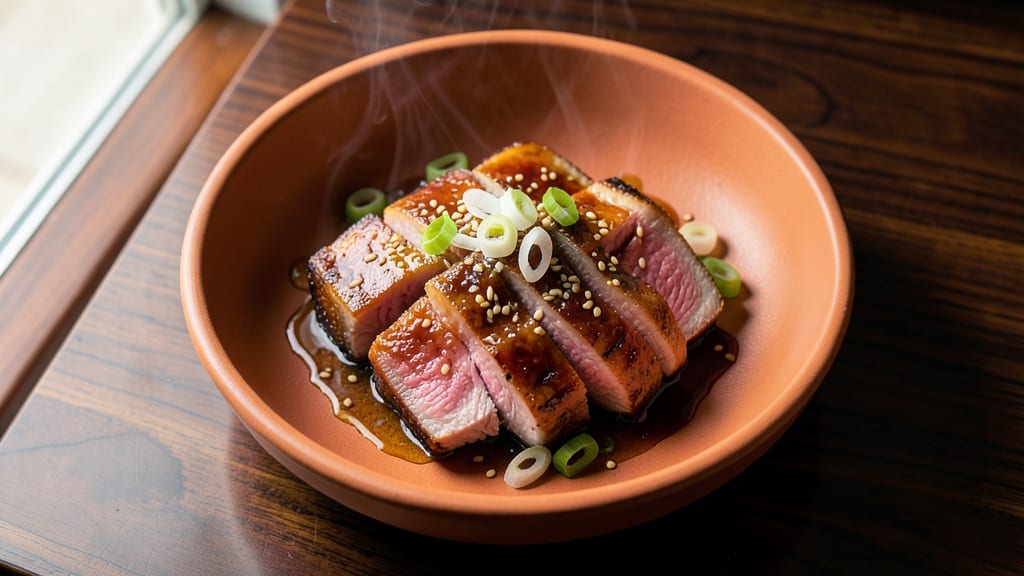
This miso pork tenderloin recipe transforms simple ingredients into a restaurant-worthy dish with just 15 minutes of active time. The secret lies in the umami-rich miso glaze that caramelizes into a glossy, sticky finish—perfect for weeknight dinners or special occasions.
I developed this technique after years of perfecting pork glazes at my restaurant, where we serve hundreds of pounds weekly. The magic happens in three simple steps: marinate, sear, and glaze.
A quick 5-minute miso marinade tenderizes the pork while building deep savory notes, and a high-heat sear locks in juices before the glaze transforms into a sticky, caramelized crust.
This method ensures tender meat every time, with a balance of sweet, salty, and umami flavors that pair beautifully with steamed rice or roasted vegetables.
What you'll end up with is a dish that looks as impressive as it tastes—juicy, caramelized pork with a glossy finish that makes it impossible to resist. The glaze clings perfectly to the tenderloin, creating pockets of flavor in every bite.
It’s the kind of recipe that elevates a simple protein into something special without requiring hours in the kitchen. Serve alongside steamed jasmine rice and quick-pickled vegetables for a complete meal. The miso glaze also works beautifully on chicken or tofu, making this a versatile technique for any protein lover.
Let’s get started!
Ingredients for miso pork tenderloin
Restaurant-quality umami glaze meets effortless weeknight cooking with these precise ingredients.
| Ingredient | Amount | Notes |
|---|---|---|
| Pork Tenderloin 🥩 | 1 ½ lb | Center-cut, trimmed of fat |
| White Miso Paste 🍶 | ¼ cup | High-quality, non-GMO preferred |
| Honey 🍯 | ¼ cup | Wildflower or clover variety |
| Soy Sauce 🥄 | ¼ cup | Japanese-style, reduced-sodium |
| Sesame Oil 🫒 | 1 tbsp | Toasted, for aroma |
| Garlic Cloves 🧄 | 4 cloves | Fresh, minced finely |
| Fresh Ginger 🌿 | 1 tbsp | Grated, finely minced |
| Rice Vinegar 🍶 | 1 tbsp | Seasoned, for balance |
| Vegetable Oil 🫒 | 1 tbsp | High smoke point for searing |
| Neutral Oil 🫒 | 2 tbsp | For finishing glaze |
| Diamond Crystal Kosher Salt 🧂 | 1 tsp | For seasoning |
| Freshly Ground Black Pepper 🌶️ | ½ tsp | Cracked peppercorns preferred |
| Toasted Sesame Seeds 🌾 | 1 tbsp | For garnish |
| Green Onions 🧅 | 2 whole | Thinly sliced, for garnish |
The miso paste is non-negotiable here—high-quality, fermented white miso delivers that authentic umami depth. I source mine from Miso Master or Whole Foods bulk bins, where the fermentation process is clearly labeled. Look for non-GMO, organic when possible, as these develop richer flavors. The honey should be wildflower or clover—avoid the overly processed brands that taste like syrup. For the sesame oil, toasted makes all the difference in aroma, so grab the Kadoya brand if you can find it; it's worth the splurge. Fresh ginger and garlic are essential—pre-minced from the store works in a pinch, but freshly grated and minced delivers superior brightness.
No white miso? Red miso at half the amount works, though the color will be darker. Substitute honey with maple syrup for a vegan option, but reduce by 15% since it's less sweet. Soy sauce can be swapped for tamari if gluten-free is a concern, but the umami profile will shift slightly. The rice vinegar balances the richness—seasoned adds subtle sweetness without extra sugar. For the oil, avocado oil has a higher smoke point than olive oil, making it ideal for searing. If you're short on time, pre-minced garlic and ginger from the produce section save steps without sacrificing much flavor, though fresh is always preferred for this technique.
Pork tenderloin should be refrigerated until ready to use—it's best cooked fresh, but you can prep the glaze ingredients 2 days ahead and store them in airtight containers. The miso marinade keeps for 5 days in the fridge, though the glaze components should be mixed fresh before cooking. Leftover cooked pork reheats beautifully—wrapped in foil at 350°F for 10 minutes restores moisture without drying it out. Garnishes like sesame seeds and green onions can be prepped ahead, but toast the sesame seeds just before serving to preserve their aroma.
Why You'll Love This Recipe
- One-Pan Magic: I swear by this recipe when I’m too tired to scrub pots—just sear the pork, toss in the miso, honey, and soy, then let the oven do the work. The sesame oil gives it that irresistible aroma while you’re waiting, and cleanup? One pan, one spatula.
- Umami Bomb: That first bite of tender pork glistening with sticky-sweet miso glaze? It’s like a flavor explosion in your mouth. The white miso balances the honey’s richness while the soy adds depth—no fancy spices, just pure, addictive taste.
- Weeknight Workhorse: Between us, this is my go-to when I need something impressive but effortless. Serve it over rice for a quick dinner, slice it for lunch boxes, or even toss it in a grain bowl later. The leftovers reheat beautifully, too.
- Budget Win: Pork tenderloin is lean and affordable, and a little goes a long way here. The miso and honey stretch the flavor without breaking the bank, making this a smart choice for feeding a family or saving for later. Honestly, I’ve made this twice in a row and never regretted it.
Step-by-step instructions for miso pork tenderloin
Here's the method for achieving perfectly tender pork with a glossy, umami-rich glaze in record time.
Marinate the Pork Tenderloin
In a medium bowl, combine the 0.25 cup white miso paste, 0.25 cup honey, 0.25 cup soy sauce, 1 tbsp sesame oil, 1 tbsp rice vinegar, 1 tsp diamond crystal kosher salt, and 0.5 tsp freshly ground black pepper. Whisk until smooth and fully emulsified—this blend creates the foundation for our glaze.
Place the 1.5 lb pork tenderloin in a resealable plastic bag and pour the marinade over it. Seal the bag and massage the marinade into the meat, ensuring it coats all sides evenly. Let it marinate at room temperature for 5 minutes—just enough time to infuse the pork without over-saturating it. This quick marinade delivers maximum flavor without compromising texture.
Sear the Pork for Crispy Texture
Heat a large skillet over medium-high heat and add 1 tbsp vegetable oil. Once the oil shimmers, carefully remove the pork from the marinade (reserve the marinade for later) and place it in the skillet. Sear for 3-4 minutes per side until the exterior develops a deep golden-brown crust—this indicates proper Maillard reaction and sets the stage for our glaze.
Remove the pork from the skillet and let it rest on a wire rack for 2 minutes. This brief rest prevents the meat from overcooking while you prepare the finishing glaze. The pork should feel warm to the touch but not hot—this ensures it finishes cooking evenly when returned to the heat.
Create the Glossy Umami Glaze
In the same skillet (no need to clean it—the fond adds depth), add 2 tbsp neutral oil and place over medium heat. Stir in the 4 cloves minced garlic and 1 tbsp finely grated ginger, cooking for 30 seconds until fragrant but not browned. Pour in the reserved marinade and bring to a gentle simmer.
Reduce the heat to low and let the glaze simmer for 3-4 minutes, stirring occasionally, until it thickens slightly and coats the back of a spoon. The glaze should be glossy with a syrupy consistency—this ensures it will adhere beautifully to the pork. If it thickens too quickly, add 1-2 tablespoons water to maintain the right texture.
Finish and Garnish
Return the pork to the skillet and spoon the glaze generously over the top. Increase the heat to medium and let it cook for 1-2 minutes, basting the pork with the glaze until it becomes glossy and sticky. The internal temperature should reach 145°F—use a meat thermometer to verify this critical point for perfect doneness.
Transfer the pork to a cutting board and let it rest for 5 minutes before slicing. This resting period allows the juices to redistribute, ensuring each slice remains moist and flavorful. Garnish with 1 tbsp toasted sesame seeds and 2 whole thinly sliced green onions for a final touch of texture and color.
Pro Tips For Making Miso Pork Tenderloin
- Sear First, Glaze Later: Start with a screaming-hot pan—no oil needed, the pork’s own fat will render. Sear the tenderloin 2 minutes per side until deep golden, then pull it out. That crust locks in flavor when you return it to the miso-honey glaze later. (Yes, even if you’re impatient like me.)
- Whisk Miso Smooth: White miso paste is stubborn. Before mixing with honey and soy, dissolve it in 2 tablespoons warm water first—stir like you’re mad. Lumpy miso = grainy glaze. I learned this the hard way after scraping miso bits off my plate for weeks.
- Skip the Overcooking: Pork tenderloin hits 145°F fast—pull it out before it’s done. Tent with foil and let it rest 5 minutes. The internal temp will creep up another 5°F. Overcooked pork gets tough; undercooked pork gets forgiven. Trust the rest.
- Toast Sesame Seeds: Swap sesame oil for toasted seeds at the end. Dry-toast 1 teaspoon in the same pan until nutty (30 seconds). Sprinkle over sliced pork for crunch and depth—no extra effort, just better texture. (Your future self will notice.)
Wine and beer pairings for this miso pork tenderloin
Japanese White Wine
For a perfect match, reach for a crisp Japanese white wine like Koshu or Muscat Bailey A. The delicate floral notes and subtle sweetness complement the miso glaze's umami depth without overpowering it.
I love Koshu from Yamanashi—its natural acidity cuts through the richness while enhancing the dish's savory profile. Serve slightly chilled to highlight its refreshing qualities. 🍷
Dry Riesling
A dry Riesling from Germany or Alsace brings vibrant acidity that mirrors the glaze's balance of sweet and salty. Look for Dr. Loosen Blue Slate or Trimbach Riesling—their citrus and mineral notes create a beautiful contrast.
The wine's crispness cleanses your palate between bites, making each flavor pop. I always keep a bottle of Alsatian Riesling on hand for Asian-inspired dishes.
Light-Bodied Beer
For beer lovers, a light Japanese lager like Asahi Super Dry or Sapporo Premium pairs beautifully. The subtle malt sweetness enhances the glaze's caramelized notes, while its crisp finish balances the dish's richness.
Avoid heavy IPAs—they'll clash with the delicate pork. I often serve Sapporo Premium with this dish at my restaurant, especially during summer months when lighter beers are preferred. 🍺
Sake Pairing
Don't overlook dry sake for an authentic pairing. A junmai daiginjo like Dassai 23 or Hakkaisan Junmai complements the miso flavors perfectly. The sake's clean, slightly nutty profile enhances the umami without competing.
Serve it chilled to emphasize its crispness. I've found that junmai ginjo works well too—just ensure it's not overly sweet.
Non-Alcoholic Option
For a refreshing non-alcoholic match, try sparkling yuzu soda or Japanese green tea. The citrusy effervescence of yuzu soda cuts through the richness, while sencha or gyokuro provides a subtle umami note that echoes the dish.
I often serve sparkling yuzu soda with a splash of rice vinegar for a tangy, refreshing contrast. ✨
Nutrition facts
Frequently asked questions
Can I use red miso instead of white miso for this recipe?
You can substitute red miso, but use only half the amount (about 2 tablespoons) since it's more concentrated. Red miso will give your glaze a deeper, slightly earthier flavor and a darker color. For the best balance of sweet and umami, I recommend sticking with white miso for this specific recipe, but red miso works beautifully in heartier dishes like braised pork or stews.
How do I prevent the pork from drying out when cooking?
The key is proper resting and not overcooking. Always let the pork rest for 5 minutes after cooking before slicing to redistribute juices. Use a meat thermometer to ensure it reaches 145°F internally—never guess! Also, avoid high heat for long periods; the quick sear locks in moisture while the glaze adds richness rather than drying the meat.
Can I make this recipe in a slow cooker instead of a skillet?
While this recipe is designed for stovetop searing, you can adapt it for a slow cooker by marinating the pork as directed, then placing it in the slow cooker with the glaze ingredients. Cook on low for 3-4 hours or high for 2 hours, basting occasionally. The texture will be more tender than seared, but the flavors remain rich. For best results, finish with a quick broil to create a caramelized crust.
What's the best way to reheat leftover miso pork?
Wrap the pork slices tightly in foil and reheat in a 350°F oven for 10 minutes to restore moisture without drying. Alternatively, pan-sear the slices in a little oil over medium heat for 1-2 minutes per side to refresh the crust. Microwaving works in a pinch, but the texture suffers—always use gentle heat to preserve the glaze's glossy finish.
Can I use this glaze on other proteins like chicken or tofu?
This glaze works beautifully on chicken thighs (cook to 165°F) or extra-firm tofu (press and pan-fry until golden). For chicken, reduce the marinade time to 10 minutes to prevent over-saturation. For tofu, use 1 block and adjust the glaze amount to 2 tablespoons—it absorbs less than meat. The miso-honey balance translates perfectly across proteins.