
Main Courses
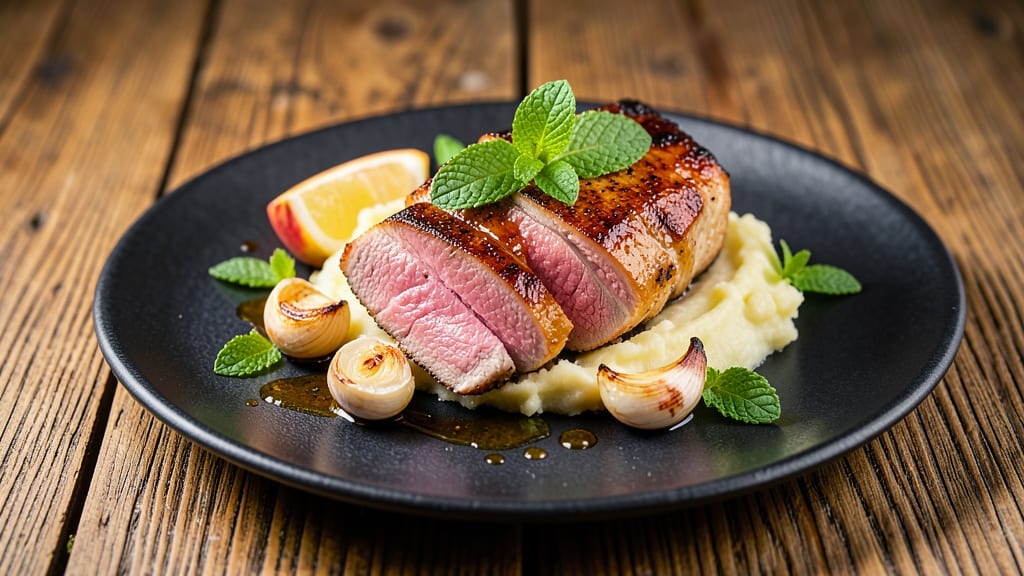
This mint pork recipe transforms tenderloin into a restaurant-worthy centerpiece with vibrant herb notes and a bright green sauce that elevates every bite. 🌿 I developed this technique while perfecting my approach to herb-infused meats, where the freshness of mint balances the richness of pork without overpowering its natural flavor.
The secret lies in a marinade that tenderizes while infusing, followed by a quick sear that locks in juices and creates that coveted caramelized crust.
The recipe begins with a simple yet effective marinade of fresh mint, garlic, and lemon, which works its magic overnight to break down the meat's fibers.
What makes this dish special is the balance—tender, juicy pork with a sauce that's bright enough to cut through the richness while complementing it perfectly.
The bright green sauce, made with reduced mint and a touch of honey, adds a refreshing contrast that transforms this into a meal worthy of any special occasion.
By the time you finish cooking, you'll have perfectly seared pork with a tender interior and a sauce that's vibrant and full of fresh herb flavor.
The technique is straightforward, but the result is anything but ordinary—this is the kind of dish that makes you feel like you've just stepped into a high-end restaurant kitchen. The aroma alone will have everyone gathering around the table, eager for their first taste.
Pair this herb-infused tenderloin with a side of roasted vegetables or a bed of basmati rice to create a complete meal that's both elegant and satisfying.
The beauty of this recipe is its versatility—it works equally well for a weeknight dinner or a weekend gathering, always delivering that perfect balance of freshness and richness. Let's get started on creating this showstopping dish.
Ingredients for mint pork
Fresh herbs, tender pork, and a bright sauce—this is your shortcut to restaurant-quality flavor.
| Ingredient | Amount | Notes |
|---|---|---|
| Pork Tenderloin 🥩 | 1 ½ lb | Center-cut, trimmed of fat |
| Fresh Mint Leaves 🌿 | 1 cup | Packed, stems removed |
| Garlic Cloves 🧄 | 6 cloves | Peeled, roughly chopped |
| Lemon Juice 🍋 | ¼ cup | Freshly squeezed |
| Extra-Virgin Olive Oil 🫒 | ½ cup | For marinade and searing |
| Honey 🍯 | 2 tbsp | For sauce, any variety |
| Unsalted Butter 🧈 | 2 tbsp | Cold, for searing |
| Salt 🧂 | 1 ½ tsp | Kosher or sea salt |
| Black Pepper 🌶️ | 1 tsp | Freshly ground |
| Shallot 🧅 | 1 whole | Minced for sauce |
| Vegetable Oil 🫒 | 1 tbsp | For pan searing |
| Fresh Parsley 🌿 | ¼ cup | Chopped, for garnish |
The pork tenderloin is the star, so pick a center-cut piece—it's leaner and more tender. Most butchers will trim it for you, but if you're doing it yourself, look for even thickness. Whole Foods or local markets often have the best quality, but any grocery store's meat counter will work. The mint? Buy extra—you'll want it for both marinade and sauce. I grab mine from Trader Joe's because their bags are huge and stay fresh longer. If you're using dried mint, it's a no-go—fresh is non-negotiable here for that vibrant flavor.
No fresh mint? Skip the dried stuff—it won't cut it. Short on honey? Maple syrup works in a pinch, but it'll change the flavor slightly. The shallot can be swapped for regular onion if that's what you've got, but mince it finely so it blends into the sauce smoothly. For the butter, full-fat is key—low-fat won't give you that rich sear. And if you're worried about the pork drying out, don't be. The marinade does all the work, and the butter basting keeps it juicy. Trust me on this.
Marinate the pork overnight—no exceptions. It needs that time to break down and soak up all those bright flavors. The sauce keeps for 3 days in the fridge, but honestly, it's even better the next day once the flavors meld. Store it in a jar with a splash of water to keep it fresh. The pork itself reheats beautifully—350°F for 10-15 minutes in the oven, covered with foil. And if you're prepping ahead, freeze the cooked pork for up to 3 months. Just thaw it in the fridge overnight before reheating.
Why You'll Love This Recipe
- Here’s what sold me: it’s fancy enough for dinner guests but simple enough for a lazy Sunday. Plus, the mint makes it feel special without the fuss of complicated sauces.
- One-Pan Magic: I swear by this—just sear the pork, toss in the garlic, mint, and lemon, then let it roast. No chopping boards, no extra pots, and honestly? The cleanup is just wiping one pan.
- Bright & Tangy: That lemon-mint combo with olive oil? It’s like a breath of fresh air in your mouth. The pork stays juicy, the herbs brighten every bite, and the garlic? It’s the perfect sneaky flavor boost.
- Weeknight Hero: Between us, this feeds four but costs less than takeout. The leftovers reheat beautifully for lunches, and I’ve even served it cold in summer—works every time.
Step-by-step instructions for herb-infused tenderloin
Here's how to transform simple ingredients into melt-in-your-mouth pork with vibrant mint sauce.
👨🍳 Step 1: Make the Mint-Lemon Marinade
In a blender or food processor, combine the 1 cup fresh mint leaves, 6 cloves garlic cloves, 0.25 cup lemon juice, 0.5 cup extra-virgin olive oil, 2 tbsp honey, 1.5 tsp salt, and 1 tsp black pepper. Pulse until smooth but still slightly textured—you want visible mint flecks for color and freshness.
Pour the marinade into a large resealable bag and add the 1.5 lb pork tenderloin. Seal the bag, remove excess air, and massage the pork gently to coat evenly. Refrigerate for at least 4 hours (overnight is even better), turning the bag occasionally. The acidity from the lemon will tenderize the meat while the mint infuses deep flavor.
🔥 Step 2: Sear the Pork to Perfection
Remove the pork from the fridge and let it sit at room temperature for 30 minutes before cooking. Heat 1 tbsp vegetable oil in a large skillet over medium-high heat until shimmering. Pat the pork dry with paper towels—this ensures a proper sear.
Add the pork to the skillet and sear for 4-5 minutes per side until golden brown. The internal temperature should reach 145°F when checked with a meat thermometer. Don't rush this step—the crust forms quickly, and it's the foundation of great flavor. If the pork releases easily from the pan, it's ready to rest.
🍳 Step 3: Prepare the Mint Sauce
While the pork rests for 10 minutes (critical for juiciness), make the sauce. In the same skillet, melt the 2 tbsp unsalted butter over medium heat. Add the minced shallot and cook for 1 minute until softened but not browned.
Stir in the remaining marinade from the bag (about 1 cup) and simmer for 3-4 minutes until slightly reduced. Remove from heat and whisk in 0.25 cup chopped fresh parsley. The sauce should be vibrant green and glossy—this is your visual cue that it's ready. Taste and adjust seasoning if needed, adding a pinch more salt or a splash of lemon juice if desired.
🍽️ Step 4: Serve with Fresh Herb Garnish
Slice the rested pork into ½-inch thick medallions against the grain for maximum tenderness. Spoon the mint sauce over the top and garnish with additional chopped fresh parsley for a pop of color. Serve immediately with roasted potatoes or a fresh garden salad to balance the rich flavors.
Each bite should deliver perfectly tender pork with bright, herby sauce that cuts through the richness. The mint's freshness and lemon's zing make this dish feel light yet satisfying—ideal for summer entertaining or a special weeknight dinner.
Pro Tips For Making Mint Pork
- SEAR THE PORK HARD: Cast iron or stainless steel pan, high heat until the pork’s edges turn golden—this isn’t the time to be gentle. I used to walk away too soon, and the result was bland, underwhelming pork instead of that crispy, flavor-packed base you want under all that mint and garlic.
- STRIP MINT LIKE A PRO: Don’t just chop those mint leaves—strip them off the stems between your fingers. It releases more oil and aroma, and you’ll end up with a finer, more even distribution in your sauce or marinade. (Yes, it’s faster than you think once you get the hang of it.)
- SKIP THE OVERCOOKING TEST: Pork tenderloin hits 145°F fast, but pulling it out at 140°F gives you that perfect tender bite. Use a meat thermometer—no guessing, no dry meat. I learned this the hard way after serving rubbery slices to a dinner party.
- LEMON JUICE FIRST: Toss the pork in lemon juice before adding the mint and garlic—it tenderizes the meat and brightens the flavor early. I was skeptical until I tried it: the acid works its magic while you prep the rest, and the final dish tastes sharper, not just afterthought-sour.
Pro cooking tips for great mint pork
Marinade Mastery
The key to restaurant-quality mint pork lies in the marinade's balance of acidity and fat. I always use fresh mint—never dried—because the oils in fresh leaves infuse better. For extra tenderness, add 1 tbsp apple cider vinegar to the marinade, which breaks down muscle fibers even more effectively.
Let the pork marinate for at least 8 hours—I often do it overnight—so the flavors penetrate deeply. The honey in the marinade isn't just for sweetness; it helps caramelize slightly during searing, creating a beautiful crust. 🌿
Perfect Sear Technique
Never skip patting the pork dry before searing—that's where the magic happens. Use two layers of paper towels to absorb all moisture, then let the pork sit at room temperature for 30 minutes before cooking.
I prefer a cast iron skillet (my Lodge 10.25-inch is my go-to) because it retains heat so well. Sear over medium-high heat until you get deep golden-brown crusts—this is your Maillard reaction in action, creating complex flavors. If your pan isn't hot enough, the pork will steam instead of sear.
Sauce Reduction Secrets
The mint sauce needs to reduce just enough to coat the back of a spoon but remain vibrant. I always use low heat when reducing the marinade—high heat will cook off the mint's delicate flavors. For extra brightness, add 1 tsp fresh lemon zest to the finished sauce.
If your sauce seems too thin after reducing, simmer it uncovered for another 1-2 minutes to thicken slightly. The sauce should cling to the pork beautifully, not pool underneath.
Resting is Non-Negotiable
This is where most home cooks mess up—they slice pork immediately after cooking. Let it rest for 10-15 minutes before slicing, covered loosely with foil. During this time, juices redistribute throughout the meat, ensuring every bite is moist.
I like to tent the pork with foil and place it on a warm plate to keep it warm while it rests. Pro tip: Use this resting time to finish your sauce and prepare any sides—it's the perfect multitasking opportunity. ⏰
Equipment Upgrades
While you can make this recipe with basic tools, a few upgrades make a world of difference. My Meater thermometer ensures perfect doneness every time—aim for 145°F internal temperature. For the marinade, I use a Vitamix blender because it handles herbs better than most food processors.
And if you're serious about searing, invest in a tongs set—they give you better control than forks when flipping the pork. These small upgrades save time and improve results dramatically.
Flavor Boost Hacks
Want to take this dish to the next level? Add ½ tsp smoked paprika to the marinade for subtle depth, or finish the sauce with 1 tsp white wine vinegar for extra tang.
For a smoky twist, I sometimes grill the pork instead of pan-searing—just brush it with extra marinade before hitting the grill. And if you're serving this at a gathering, garnish each plate with a sprig of fresh mint and a drizzle of honey for that restaurant-worthy presentation.
The little details make all the difference! 💫
Nutrition facts
Frequently asked questions
Can I use dried mint instead of fresh?
Fresh mint is essential for this recipe—dried won't give you the same vibrant flavor or bright green color. If you absolutely must substitute, use 1 teaspoon dried mint (not crushed) for every 1 tablespoon fresh mint, but the texture and aroma won't be the same. For best results, stick with fresh mint leaves from your garden or the grocery store.
How do I adjust this recipe for a crowd?
Double the marinade ingredients and use a 3-4 lb pork tenderloin for 6-8 servings. Scale up the sauce by keeping the same ratios (1 cup marinade to 2 tbsp honey). Cook the pork in batches if needed—keep the first batch warm in a 200°F oven while finishing the rest. The key is maintaining the same marinating time and searing technique for consistent flavor.
What if my pork turns out dry?
Dry pork usually means it was overcooked or didn't rest properly. Next time, check the internal temperature with a meat thermometer—145°F is perfect. Always rest the pork for 10-15 minutes before slicing, and pat it dry before searing to ensure a good crust. For extra moisture, brush the pork with 1 tbsp olive oil before serving.
Can I make this ahead of time?
Marinate the pork for up to 24 hours in advance. For the sauce, make it a day ahead and store it in the fridge—it actually tastes better after flavors meld. Cook the pork fresh, then slice and serve with pre-made sauce. Leftovers keep well for 3 days in the fridge or 3 months in the freezer (freeze sauce separately).
What are good side dishes for this?
This herb-infused pork pairs beautifully with roasted seasonal vegetables, couscous, or garlic mashed potatoes. For a lighter option, serve with a fresh cucumber-mint salad or quinoa pilaf. The bright flavors of the pork complement earthy, creamy, or crisp sides perfectly—avoid heavy sauces that might compete with the mint.