
Main Courses
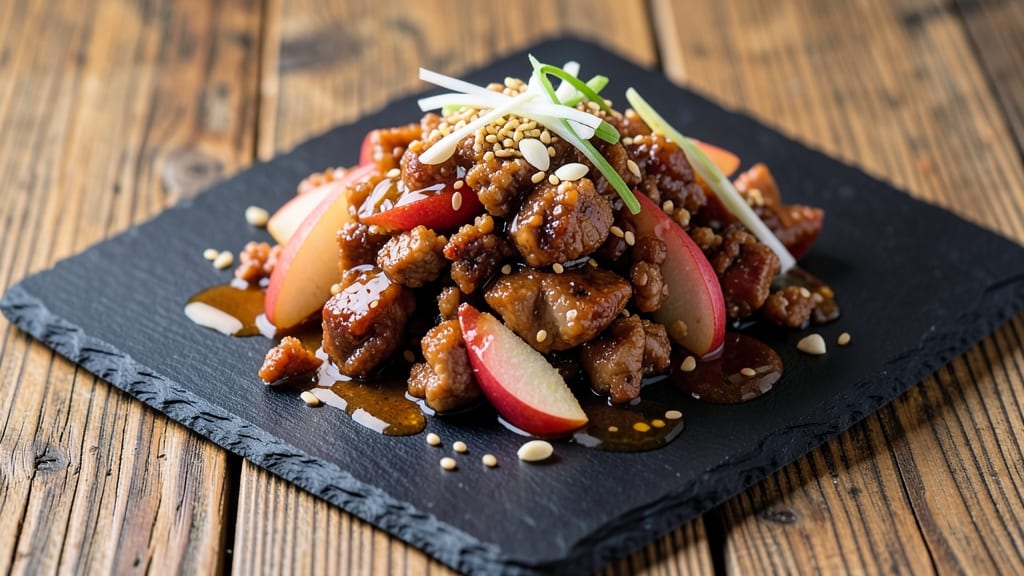
This minced pork bulgogi recipe delivers the perfect balance of sweet, savory, and umami that defines Korean comfort food. 🔥 After years of perfecting the technique—from marinating to caramelization—I’ve created a version that stays true to tradition while adapting for home cooks.
The secret lies in the marinade, where pear and sesame oil create that signature glossy glaze, while garlic and soy sauce build depth.
What sets this apart is the two-stage cooking method: first searing the pork in a hot pan for quick browning, then finishing under the broiler to develop that irresistible caramelized crust.
The result is tender, juicy pork with a sticky-sweet glaze that clings to every bite, far beyond what store-bought versions can offer. Even beginners will achieve restaurant-quality results with this approach.
Serve it over steamed rice, wrapped in crisp lettuce leaves, or piled high on sesame toast for a meal that feels equally at home on a weeknight table or a festive spread. The aroma alone—smoky, sweet, and slightly garlicky—will have everyone asking for seconds before the first plate is cleared.
For those short on time, I’ve included a modern shortcut using pre-minced pork and a simplified marinade base, but the core technique remains the same. Let’s get cooking—your taste buds will thank you.
Ingredients for minced pork bulgogi
Sweet, savory, and umami-packed ingredients for restaurant-quality bulgogi at home.
| Ingredient | Amount | Notes |
|---|---|---|
| Minced Pork 🥩 | 1 ½ lb | Ground finely for even cooking |
| Asian Pear 🍐 | 1 medium | Substitute with apple if unavailable |
| Sesame Oil 🫒 | 2 tbsp | Toasted for nutty aroma |
| Soy Sauce 🥄 | ½ cup | Korean preferred for depth |
| Garlic Cloves 🧄 | 6 cloves | Minced for strong flavor |
| Ginger Root 🌿 | 1 tbsp | Freshly grated preferred |
| Brown Sugar 🍚 | ¼ cup | Packed for sweetness |
| Rice Wine 🍶 | ¼ cup | Mirin works as substitute |
| Sesame Seeds 🌱 | 1 tbsp | Toasted for garnish |
| Green Onion 🧅 | 2 whole | Thinly sliced for garnish |
| Vegetable Oil 🫒 | 1 tbsp | For high-heat searing |
| Salt 🧂 | ½ tsp | Kosher or sea salt |
| Black Pepper 🌶️ | ¼ tsp | Freshly ground preferred |
| Sesame Seed Oil 🫒 | 1 tbsp | For final glaze |
The Asian pear is non-negotiable—it adds that signature tenderness and subtle sweetness. Korean markets carry them year-round, but Trader Joe's or H Mart usually stock them. If you can't find one, a crisp Fuji apple works in a pinch, though the texture won't be identical. For the sesame oil, Kadoya brand is my go-to, but any toasted sesame oil will do. The minced pork should be fine-ground—pre-minced pork from the deli section saves time, but grinding your own at home gives better texture. Look for pork with good marbling to keep it juicy during cooking.
No Asian pear? Substitute with apple or pear juice—just reduce other liquids slightly. Running short on rice wine? Dry sherry or even white grape juice adds depth. The soy sauce matters here—Korean soy sauce (ganjang) or soy sauce with added sugar works best, but regular soy sauce will still give great results. For a quicker version, use pre-minced pork and a food processor to finely chop the garlic and ginger together. The brown sugar should be packed—light brown sugar works too, but dark brown adds more molasses flavor. If you're making this ahead, marinate the pork overnight for maximum flavor infusion.
Store the marinade (without pork) in an airtight container for up to 5 days in the fridge. The cooked bulgogi reheats beautifully—microwave with a splash of water to restore moisture. For best results, reheat in a skillet to revive that caramelized crust. Freezes well for 3 months—portion into single servings before freezing. Garnish with toasted sesame seeds right before serving to keep them crisp. The glaze thickens as it cools, so add a splash of water or sesame oil if it becomes too stiff.
Why You'll Love This Recipe
- No-Fuss Weeknight Win: I swear by this when I’m too tired to chop. Minced pork means no knives, just mixing—soy sauce, garlic, and that secret Asian pear for natural sweetness. Done in 20 minutes, no fancy skills required.
- Sweet-Savory Magic: The garlic and sesame oil hit first, then the pear softens into the pork, balancing everything. That crispy sear? It’s the kind of flavor that makes you reach for seconds without thinking.
- Double-Duty Dish: Use it for tacos, rice bowls, or even stuffed into lettuce wraps. Honestly, I’ve eaten it cold in rice paper rolls the next day—still delicious. Works for date nights or lazy Sundays.
- Budget Meal Hero: A pound of pork stretches far, and the rest of the ingredients? Pantry staples. I make a big batch, freeze half, and pull it out when I need a cheap, filling meal. Zero guilt, all flavor.
Step-by-step instructions for minced pork bulgogi
Here's the method for achieving that perfect balance of caramelized sweetness and savory depth in your bulgogi.
🍳 Step 1: Marinate the Pork with Asian Pear and Aromatics
In a large mixing bowl, combine the 1.5 lb minced pork, 1 medium Asian pear (peeled and finely chopped), 0.5 cup soy sauce, 0.25 cup brown sugar, 0.25 cup rice wine, 6 cloves garlic cloves (minced), 1 tbsp ginger root (grated), 0.5 tsp salt, and 0.25 tsp black pepper. Use your hands to break up the pork and distribute the marinade evenly.
Let the mixture sit at room temperature for 10 minutes to begin melding flavors. Then transfer it to a resealable plastic bag or airtight container. Marinate in the refrigerator for at least 4 hours (overnight is ideal). The acidity from the pear and rice wine will tenderize the pork while the sugar begins caramelizing, creating that signature bulgogi sheen.
🔥 Step 2: Sear the Pork for Maximum Flavor
Heat 1 tbsp vegetable oil in a large skillet over medium-high heat until shimmering. Working in batches if needed (to avoid overcrowding), add the marinated pork mixture and cook for 4-5 minutes per batch until the edges are deep golden brown and the pork releases easily from the pan.
Don't press down on the pork—this prevents proper browning. You're looking for a beautiful caramelized crust that forms from the natural sugars in the marinade. Once all batches are cooked, transfer the pork to a clean bowl and set aside.
🍳 Step 3: Build the Bulgogi Glaze
Return the same skillet to medium heat and add the 2 tbsp sesame oil. Let it warm through for 30 seconds until fragrant. Pour in any accumulated juices from the pork and scrape up the browned bits from the bottom of the pan with a wooden spoon—this is where all the concentrated flavor lives.
Simmer for 2-3 minutes until the liquid reduces by half and thickens slightly. The glaze should coat the back of a spoon and have a glossy sheen. This is your bulgogi's signature sauce—don't rush this reduction or the texture will be too thin.
🥘 Step 4: Finish and Garnish
Add the seared pork back to the skillet and toss to coat in the glaze. Cook for an additional 1-2 minutes just to heat everything through. The pork should be tender yet still slightly springy—overcooking will make it rubbery.
Remove from heat and stir in the 1 tbsp sesame seed oil for that final aromatic touch. Transfer to a serving platter and sprinkle with 1 tbsp toasted sesame seeds and 2 whole green onion (thinly sliced). Serve immediately with steamed rice and quick-pickled vegetables for the full bulgogi experience.
Pro Tips For Making Minced Pork Bulgogi
- Cook the Pork Twice: Start with a quick sear in a hot pan—no oil needed, the pork’s fat renders fast. Then pull it off the heat, mix in the marinade, and let it sit for 10 minutes before cooking again. I learned this the hard way—skipping the second cook means dry, flavorless meat.
- Grate the Pear Fine: Don’t just chop the Asian pear—grate it on the largest holes of a box grater. The texture should be almost paste-like, not chunky. This keeps the bulgogi tender and lets the pear’s natural sweetness soak into the pork evenly.
- Salt the Pork First: Toss the minced pork with ½ teaspoon of kosher salt before mixing in the rest of the marinade. Let it sit for 5 minutes—this breaks down the proteins, making the meat juicier and helping the bulgogi hold its shape when cooking.
- Use Raw Garlic, Not Paste: Mince the garlic cloves yourself—don’t grab that jarred paste. Fresh garlic adds a sharper punch and won’t turn the bulgogi into a mushy, overcooked mess. If you’re short on time, at least crush the cloves with the flat side of your knife first.
Troubleshooting this Dish
Under-Marinated Pork
If your bulgogi tastes bland or lacks that signature sticky glaze, you likely didn't marinate long enough. The Asian pear and rice wine need at least 4 hours to tenderize the pork and develop flavor.
For extra depth, try marinating overnight—I've found that the garlic and ginger really infuse after 8-12 hours. If short on time, use 1 tbsp extra soy sauce and 1 tsp fish sauce to boost umami quickly. 💡
Glaze Too Thin
The glaze should coat the back of a spoon—if it's watery, you didn't reduce it enough. After searing, always return the pork juices to the pan and simmer until the sauce thickens to a syrup-like consistency.
For a quick fix, add 1 tsp cornstarch mixed with 1 tbsp water to the pan and stir until thickened. I've also seen home cooks add ½ tsp xanthan gum for a natural thickener without altering flavor. 🥄
Pork Too Dry
Overcrowding the pan or cooking at too high heat causes moisture loss. Cook in single layers over medium-high heat (not high) and avoid pressing down with a spatula. For extra juiciness, add 1 tbsp water or sesame oil to the pan during cooking.
If your pork turns out dry, try reheating it with 2 tbsp broth or water in a skillet to restore moisture. 💧
Burnt Glaze
That bitter burnt taste? You cooked the glaze too aggressively. Keep heat at medium-low when reducing and stir constantly. For a smoky depth without burning, add ½ tsp smoked paprika to the marinade.
If you've already burnt it, strain out the solids and start fresh with a new batch of pork juices—don't serve it as-is. 🔥
Uneven Cooking
Lumpy, undercooked pork happens when chunks are too large. For perfect mincing, pulse 1 lb pork shoulder in a food processor 4-5 times (don't overprocess or it'll turn mushy).
If using pre-minced pork, break up any large clumps with your hands before marinating. For even cooking, work in small batches and don't overcrowd the pan. 🍳
Pear Substitute Issues
Using apple instead of Asian pear? The texture will be firmer, but the flavor works. For a closer match, blend ½ cup Asian pear juice (from canned or fresh) with the marinade.
If you're using apple, add ½ tsp lemon juice to help tenderize the pork. I've tested this with Fuji apples and found they work best—avoid tart varieties like Granny Smith. 🍎
Nutrition facts
Frequently asked questions
Can I use ground beef instead of minced pork?
While possible, ground beef won't give you that signature tender texture. For the closest result, use 80% lean ground pork—it's juicier than beef and absorbs the marinade better. If you must use beef, add 1 extra tbsp rice wine to tenderize it and cook at slightly lower heat to prevent drying out.
What's the best way to store leftover bulgogi?
Store in an airtight container in the fridge for 3-4 days or freeze for 3 months. For reheating, microwave with 1 tsp water to restore moisture, or better yet, reheat in a skillet with ½ tbsp sesame oil over medium heat to revive that caramelized crust.
Why is my bulgogi sticking to the pan?
Overcrowding or insufficient oil causes sticking. Always use 1 tbsp vegetable oil and cook in single layers over medium-high heat. If needed, add ½ tsp cornstarch to the marinade to help release the pork. A well-seasoned cast iron pan works best—pat the pork dry before cooking.
Can I make this gluten-free?
Yes! Replace soy sauce with tamari or coconut aminos (use ⅓ cup for best flavor). For extra umami, add 1 tsp fish sauce or ½ tsp nutritional yeast. The texture will be slightly different but still delicious—just reduce the rice wine by 1 tbsp to balance flavors.
How spicy should bulgogi be?
Traditional bulgogi is mild—this recipe has no chili. For heat, add ½ tsp gochugaru (Korean chili flakes) or ¼ tsp cayenne to the marinade. Start with ¼ tsp and adjust to taste—bulgogi's sweetness balances spice beautifully.